

Haleon
Voltadvance 25mg 20 sachets powder for oral solution
Voltadvance 25mg 20 sachets powder for oral solution

Couldn't load pickup availability

NET WEIGHT OF THE PRODUCT
NET WEIGHT OF THE PRODUCT
20ct
EAN
EAN
035500040
MINSAN
MINSAN
035500040

In compliance with article 118 "authorization of advertising to the public" of the legislative decree of 24 April 2006, number 219
INDICATIONS
Pain of various kinds such as, for example, joint pain, lumbago, muscle pain, headaches and toothaches, menstrual pain.
CONTRAINDICATIONS
• Hypersensitivity to the active substance or to any of the excipients listed in paragraph 6.1. • Active gastrointestinal ulcer, bleeding or perforation. • History of gastrointestinal hemorrhage or perforation related to previous NSAID treatment or history of recurrent peptic hemorrhage/ulcer (two or more distinct episodes of demonstrated ulceration or bleeding). • Last trimester of pregnancy and during breastfeeding (see section 4.6). • Severe hepatic insufficiency or severe renal insufficiency (see section 4.4). • Like other non-steroidal anti-inflammatory drugs (NSAIDs), diclofenac is also contraindicated in patients in whom asthmatic attacks, urticaria, angioedema or acute rhinitis, anaphylactic or anaphylactoid reactions have occurred after taking acetylsalicylic acid or other NSAIDs (see section 4.4). • The product must not be used in case of alterations of haematopoiesis. • In case of intensive diuretic therapy. • The product must not be taken in case of dark or bloody stools. • Overt congestive heart failure (NYHA class II-IV), ischemic heart disease, peripheral arterial disease and/or cerebral vasculopathy. Voltadvance should not be given to children under 14 years of age.
WARNINGS AND PRECAUTIONS FOR USE
After 2-3 days of treatment without appreciable results, consult your doctor. General information Undesirable effects can be minimized by using the lowest effective dose for the shortest possible duration of treatment needed to control symptoms (see section 4.2 and the sections below on gastrointestinal and cardiovascular risks). The use of diclofenac concomitantly with other systemic NSAIDs, including selective cyclooxygenase-2 inhibitors, should be avoided due to the lack of any evidence demonstrating synergistic benefits and on the basis of potential additive side effects. On a basic medical level, caution is required in the elderly. In particular in frail elderly patients or those with low body weight, the use of the lowest effective dose is recommended. As with other NSAIDs, allergic reactions, including anaphylactic/anaphylactoid reactions, may also occur in rare cases without prior exposure to diclofenac. Hypersensitivity reactions can also progress to Kounis syndrome, a severe allergic reaction that can cause a myocardial infarction. Symptoms of such reactions may include chest pain that occurs in association with an allergic reaction to diclofenac. Like other NSAIDs, diclofenac may mask the signs and symptoms of infections due to its pharmacodynamic properties. Prolonged use of any type of pain reliever for headaches can make them worse. If this situation has occurred or is suspected, medical advice should be sought and treatment should be discontinued. The diagnosis of medication overuse headache (MOH) should be suspected in patients who have frequent or daily headaches despite regular use of headache medications. Gastrointestinal effects Gastrointestinal bleeding, ulceration or perforation, which may be fatal, have been reported during treatment with all NSAIDs, including diclofenac, and may appear at any time, with or without warning symptoms or previous history of serious gastrointestinal events. They generally have more serious consequences in the elderly. If gastrointestinal bleeding or ulceration occurs in patients receiving diclofenac, the medicinal product should be discontinued. As with all NSAIDs, including diclofenac, close medical surveillance is mandatory and particular caution should be used when prescribing diclofenac to patients with symptoms suggestive of gastrointestinal (GI) disorders or with a history suggestive of gastric or intestinal ulceration, bleeding or perforation, inflammatory bowel disease (see section 4.8). The risk of GI bleeding is higher with increased doses of NSAIDs and in patients with a history of ulcer, especially if complicated by hemorrhage or perforation. Elderly people have a higher frequency of adverse reactions, especially gastrointestinal bleeding and perforation which can be fatal. To reduce the risk of GI toxicity in patients with a history of ulcer, particularly if complicated by haemorrhage or perforation, and in the elderly treatment should be initiated and maintained at the lowest effective dose. The concomitant use of protective agents (proton pump inhibitors or misoprostol) should be considered for these patients and also for patients who require concomitant use of medicinal products containing low doses of acetylsalicylic acid (ASA) or other medicinal products that may increase gastrointestinal risk. Patients with a history of GI toxicity, particularly older adults, should report any unusual abdominal symptoms (especially GI bleeding). Caution is recommended in patients taking concomitant medicinal products that may increase the risk of ulceration or bleeding, such as systemic corticosteroids, anticoagulants, antiplatelet agents or selective serotonin reuptake inhibitors (see section 4.5). Close medical surveillance and caution should also be exercised in patients with ulcerative colitis or Crohn's disease as these conditions may be exacerbated (see section 4.8). NSAIDs, including diclofenac, may be associated with an increased risk of leakage from gastrointestinal anastomoses. Caution and close medical surveillance are recommended when using diclofenac following gastrointestinal surgery. Hepatobiliary effects When prescribing diclofenac to patients with liver failure, close medical supervision is necessary as their condition may be exacerbated. As with other NSAIDs, including diclofenac, they may increase the values of one or more liver enzymes. During prolonged treatment with diclofenac, regular checks of liver function are indicated as a precautionary measure. If liver function parameters are persistently altered or worsened, if clinical signs or symptoms consistent with liver disease develop, or if other manifestations occur (e.g. eosinophilia, rash), treatment with diclofenac should be discontinued. Hepatitis with the use of diclofenac can occur without prodromal symptoms. Particular caution should be exercised when using diclofenac in patients with hepatic porphyria, as they may trigger an attack. Renal effects Since fluid retention and edema have been reported in association with therapy with NSAIDs, including diclofenac, particular caution is required in cases of renal insufficiency, history of hypertension, in the elderly, in patients receiving concomitant treatment with diuretics or with medicinal products that can significantly affect renal function and in those patients with substantial extracellular volume depletion due to any cause (e.g. before or after major surgery) (see section 4.3). In such cases, monitoring of renal function is recommended as a precaution when administering diclofenac. Interruption of therapy is normally followed by a return to pre-treatment conditions. Skin effects Serious skin reactions, some of them fatal, including exfoliative dermatitis, Stevens-Johnson syndrome and toxic epidermal necrolysis, have been reported very rarely in association with the use of NSAIDs (see section 4.8). In the early stages of therapy, patients appear to be at higher risk for these reactions: the onset of the reaction occurs in most cases within the first month of treatment. Voltadvance should be discontinued at the first appearance of skin rash, mucosal lesions or any other sign of hypersensitivity. Cardiovascular and cerebrovascular effects Clinical trials and epidemiological data consistently indicate an increased risk of arterial thrombotic events (for example, myocardial infarction or stroke) associated with the use of diclofenac, especially at high doses (150 mg/day) and long-term treatment. Patients with significant risk factors for cardiovascular events (e.g., hypertension, hyperlipidemia, diabetes mellitus, smoking) should be treated with diclofenac only after careful consideration. Patients with congestive heart failure (NYHA class I) should be treated with diclofenac only after careful consideration. Since the cardiovascular risks of diclofenac may increase with dose and duration of exposure, the shortest possible duration and lowest effective daily dose should be used. Patients should be advised to consult their doctor if symptoms persist or do not improve within the recommended treatment duration. Patients should be alert for signs and symptoms of serious thrombotic events (e.g., chest pain, shortness of breath, weakness, slurred speech), which may occur without warning symptoms. Patients should be advised to contact a doctor immediately if any of these events occur. Hematological effects During prolonged treatment with diclofenac, as with other NSAIDs, blood count checks are recommended. Like other NSAIDs, diclofenac can temporarily inhibit platelet aggregation. Patients with defects in hemostasis must be carefully monitored. Respiratory effects (pre-existing asthma) In patients with asthma, seasonal allergic rhinitis, swelling of the nasal mucosa (e.g. nasal polyps), chronic obstructive pulmonary diseases or chronic respiratory tract infections (especially if linked to symptoms similar to allergic rhinitis), reactions to NSAIDs such as asthma exacerbations (so-called intolerance to analgesics/analgesic asthma), Quincke's edema or urticaria are more frequent than in other patients. Special precaution is therefore recommended in such patients (prepare for an emergency). This also applies to patients allergic to other substances, e.g. with skin reactions, itching or hives. Important information about some excipients: Voltadvance 25 mg film-coated tablets contain less than 1 mmol sodium (23 mg) per dose, i.e. essentially 'sodium-free'. Voltadvance 25 mg powder for oral solution contains less than 1 mmol (23 mg) sodium per dose, i.e. essentially 'sodium-free'. Voltadvance 25 mg powder for oral solution contains the anise flavor which in turn contains limonene and linalool. Limonene and linalool can cause allergic reactions. Voltadvance 25 mg powder for oral solution contains the mint flavor which in turn contains limonene, linalool and eugenol. Limonene, linalool and eugenol can cause allergic reactions.
INTERACTIONS
Before using the product, if you are taking other medications, it is advisable to inform your doctor as it may be necessary to change the dosage or interrupt the treatment. The following interactions include those observed with diclofenac gastro-resistant tablets and/or other pharmaceutical forms of diclofenac. Lithium: If administered concomitantly, diclofenac may elevate plasma lithium concentrations. Monitoring of serum lithium levels is recommended. Digoxin: If administered concomitantly, diclofenac may elevate plasma concentrations of digoxin. Monitoring of serum digoxin levels is recommended. Diuretics and antihypertensive agents: Patients undergoing treatment with these drugs should consult their doctor before taking the product. Like other NSAIDs, concomitant use of diclofenac with diuretics or antihypertensive agents (e.g. beta blockers, angiotensin converting enzyme (ACE) inhibitors) may cause a decrease in their antihypertensive effect. Therefore, the combination should be taken with caution and patients, especially elderly people, should receive periodic monitoring of their blood pressure. Patients should be adequately hydrated and monitoring of renal function should be considered after initiation of concomitant therapy and periodically thereafter, particularly for diuretics and ACE inhibitors due to an increased risk of nephrotoxicity. Other NSAIDs and corticosteroids: Concomitant use of diclofenac and other systemic non-steroidal anti-inflammatory drugs or corticosteroids may increase the incidence of gastrointestinal side effects and should be avoided (see section 4.4). Anticoagulants and antiplatelet agents: Caution is recommended, as concomitant administration may increase the risk of bleeding. Although clinical investigations do not appear to indicate an influence of diclofenac on the action of anticoagulants, there are reports of an increased risk of haemorrhage in patients taking diclofenac and anticoagulants concomitantly. Careful monitoring of such patients is therefore recommended. Selective serotonin reuptake inhibitors (SSRIs): co-administration of systemic NSAIDs, including diclofenac, and SSRIs may increase the risk of gastrointestinal bleeding (see section 4.4). Antidiabetics: Clinical studies have shown that diclofenac can be administered together with oral antidiabetics without influencing their clinical effect. However, isolated cases of both hypo- and hyperglycaemic effects have been reported, with the need to modify the dosage of antidiabetic agents administered during treatment with diclofenac. For this reason, in case of concomitant therapy, monitoring of blood glucose levels is recommended as a precautionary measure. Some cases of metabolic acidosis have also been reported when diclofenac was co-administered with metformin, especially in patients with pre-existing renal insufficiency. Methotrexate: diclofenac may inhibit renal tubular release of methotrexate by increasing its levels. Caution is recommended when administering NSAIDs, including diclofenac, 24 hours before or after treatment with methotrexate since blood concentrations of methotrexate and consequently the toxicity of this substance may increase. Cyclosporine: due to its effect on renal prostaglandins, diclofenac, like other NSAIDs, can increase the nephrotoxicity of ciclosporin. Therefore, diclofenac should be administered at doses lower than those used in patients not receiving ciclosporin. Drugs known to cause hyperkalemia: Concomitant treatment with potassium-sparing diuretic drugs, ciclosporin, tacrolimus or trimethoprim may be associated with an increase in serum potassium levels, which should therefore be monitored frequently (see section 4.4). Quinolone antibacterials: Isolated cases of convulsions have been reported, probably due to the concomitant use of quinolones and NSAIDs. Phenytoin: When using phenytoin together with diclofenac, monitoring of phenytoin plasma concentrations is recommended due to a predictable increase in phenytoin exposure. Colestipol and cholestyramine: these agents may induce a delay or decrease in the absorption of diclofenac. Therefore, it is recommended to administer diclofenac at least one hour before or 4-6 hours after the administration of colestipol/cholestyramine. CYP2C9 inhibitors: Caution is recommended when prescribing diclofenac together with CYP2C9 inhibitors (such as sulfinpyrazone and voriconazole); this may lead to a significant increase in peak plasma concentrations and exposure to diclofenac, due to the inhibition of its metabolism. Diclofenac may also decrease the effectiveness of intrauterine devices and the risk of interferon alpha inhibition has been reported.
SIDE EFFECTS
Undesirable effects (Table 1) are listed below by organ, system/system and MedDRA frequency. Frequencies are defined as: very common (≥ 1/10); common (≥ 1/100 to <1/10); uncommon (≥ 1/1,000 to < 1/100); rare (≥ 1/10,000 to < 1/1,000); very rare (< 1/10,000); not known (frequency cannot be estimated from the available data). The following side effects include those reported with short-term or long-term use. If one of these effects should appear during treatment with Voltadvance, it is advisable to discontinue the drug and consult your doctor. Table 1
Pathologies of the blood and lymphatic system
Very rare | thrombocytopenia, leukopenia, anemia (including haemolytic and aplastic anemia), agranulocytosis.
Immune system disorders
Rare | hypersensitivity, anaphylactic and anaphylactoid reactions (including hypotension and shock).
Very rare | angioedema (including facial edema).
Psychiatric disorders
Very rare | disorientation, depression, insomnia, nightmares, irritability, psychotic reactions.
Nervous system disorders
Municipality | headache, dizziness.
Rare | drowsiness.
Very rare | paresthesia, memory impairment, convulsions, anxiety, tremors, aseptic meningitis, taste changes, cerebrovascular accidents.
Eye pathologies
Very rare | vision disturbances, blurred vision, diplopia.
Ear and labyrinth disorders
Municipality | dizziness.
Very rare | tinnitus, worsening of hearing.
Cardiac diseases
Uncommon* | Myocardial infarction, heart failure, palpitations, chest pain.
Not known | Kounis syndrome
Vascular pathologies
Very rare | hypertension, vasculitis.
Respiratory, thoracic and mediastinal disorders
Rare | asthma (including dyspnoea).
Very rare | pneumonia.
Gastrointestinal disorders
Municipality | nausea, vomiting, diarrhoea, dyspepsia, abdominal pain, flatulence, anorexia.
Rare | gastritis, gastrointestinal haemorrhage, haematemesis, haemorrhagic diarrhoea, melena, gastrointestinal ulcer (with or without bleeding or perforation, which may lead to peritonitis), dry mouth and mucous membranes, gastrointestinal stenosis.
Very rare | colitis (including haemorrhagic colitis and exacerbation of ulcerative colitis or Crohn's disease), constipation, stomatitis (including ulcerative stomatitis), glossitis, esophageal disorders, intestinal diaphragm disease, pancreatitis, constipation.
Not known | Ischemic colitis
Hepatobiliary disorders
Municipality | increase in transaminases.
Rare | hepatitis, jaundice, liver disorders.
Very rare | fulminant hepatitis, hepatic necrosis, hepatic failure.
Pathologies of the skin and subcutaneous tissue
Municipality | rash.
Rare | urticaria.
Very rare | bullous eruptions, eczema, erythema, erythema multiforme, Stevens-Johnson syndrome, toxic epidermal necrolysis (Lyell's syndrome), exfoliative dermatitis, hair loss, photosensitivity reaction, purpura, Henoch-Schonlein purpura, pruritus.
Renal and urinary disorders
Very rare | acute renal failure, hematuria, proteinuria, nephrotic syndrome, interstitial nephritis, renal papillary necrosis.
Systemic pathologies and conditions relating to the administration site
Rare | edema.
* Frequency reflects data from long-term treatment with a high dose (150 mg per day). Clinical trials and epidemiological data consistently indicate an increased risk of arterial thrombotic events (for example, myocardial infarction or stroke) associated with the use of diclofenac, especially at high doses (150 mg/day) and long-term treatment (for contraindications and special warnings and precautions for use see sections 4.3 and 4.4). Reporting of suspected adverse reactions Reporting suspected adverse reactions that occur after authorization of the medicine is important, as it allows continuous monitoring of the benefit/risk balance of the medicine. Healthcare professionals are asked to report any suspected adverse reaction via the national reporting system: www.aifa.gov.it/content/segnalazioni-reazioni-avverse.
OUR PRODUCTS FOR THIS SEASON
-
Curial βeta Dry eye supplement 30 capsules Dr.Tili
Vendor:TilpharmaRegular price €22,50Regular priceUnit price per€22,50Sale price €22,50 -
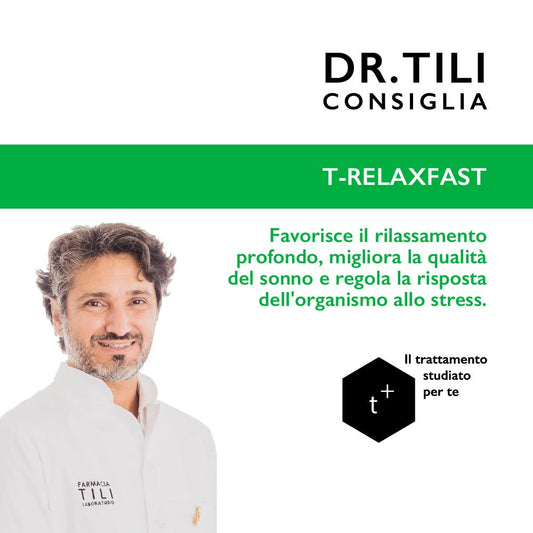
T - Relaxfast Sleep Supplement 60 Capsules Dr.Tili
Vendor:TilpharmaRegular price €24,50Regular priceUnit price per€24,50Sale price €24,50 -
Face Serum C5 Vitamin C 30ml Dr.Tili Skinlab
Vendor:TilabRegular price €62,50Regular priceUnit price per€62,50Sale price €62,50 -
Dr.Tili Skinlab E15 Vitamin E Face Serum 30ml
Vendor:TilabRegular price €32,50Regular priceUnit price per€32,50Sale price €32,50 -
Vit+ Face Vitamin Cream 50ml Dr.Tili Skinlab
Vendor:TilabRegular price €34,00Regular priceUnit price per€34,00Sale price €34,00 -
Anti-aging Facial Treatment Hyaluronic Acid IAL B3 30ml Dr.Tili Skinlab
Vendor:TilabRegular price €46,00Regular priceUnit price per€46,00Sale price €46,00 -
Body Milk Hydra Milk 200Ml. Dr.Tili Skinlab
Vendor:TilabRegular price €16,90Regular priceUnit price per€16,90Sale price €16,90 -
Facial Cleansing Milk 150ml Dr.Tili Skinlab
Vendor:TilabRegular price €18,90Regular priceUnit price per€18,90Sale price €18,90 -
Soothing Facial Toner 125ml Dr.Tili Skinlab
Vendor:TilabRegular price €14,50Regular priceUnit price per€14,50Sale price €14,50 -
Soothing Face Cream 50ml Dr.Tili Skinlab
Vendor:TilabRegular price €19,50Regular priceUnit price per€19,50Sale price €19,50
















-

ASSISTANCE - TELEPHONE ORDERS
-

SHIPPING
Shipping to Italy 24/48H
Delivery also on Saturday and Sunday
Free over €49.90
Shipping to Europe 24/72H
Free over €80 -

SAFETY
The security of your data is important to us!
We strictly comply with the European GDPR regarding
Privacy and processing of personal data
The payments you make on our site are 100% safe and guaranteed -

RETURNS
Fast returns via DIY portal and 14 days to change your mind.
Immediate and free replacements for incorrect or non-compliant products delivered.


