

Angelini Pharma
Tachifludec Lemon Powder 10 Sachets
Tachifludec Lemon Powder 10 Sachets
Couldn't load pickup availability

NET WEIGHT OF THE PRODUCT
NET WEIGHT OF THE PRODUCT
10ct
EAN
EAN
034358010
MINSAN
MINSAN
034358010

In compliance with article 118 "authorization of advertising to the public" of the legislative decree of 24 April 2006, number 219
INDICATIONS
Short-term treatment of cold and flu symptoms, including mild/moderate pain and fever, when associated with nasal congestion.
CONTRAINDICATIONS
- Children under the age of 12. - Hypersensitivity to the active substances or to any of the excipients (listed in paragraph 6.1). - Patients taking beta-blockers. - Patients taking tricyclic antidepressants and those taking or have taken in the last 2 weeks monoamine oxidase inhibitors. - Patients with bronchial asthma, pheochromocytoma, narrow-angle glaucoma, or who simultaneously take other sympathetic mimetic medicinal products (such as decongestants, appetite suppressants and amphetamine-like psychostimulants). - Patients suffering from liver or kidney failure, diabetes, hyperthyroidism, hypertension and cardiovascular diseases. - Paracetamol-based products are contraindicated in patients with manifest glucose-6-phosphate dehydrogenase insufficiency and in those suffering from severe hemolytic anemia. - Severe hepatocellular insufficiency.
WARNINGS AND PRECAUTIONS FOR USE
Patients should be advised not to take other medicines containing paracetamol while taking TACHIFLUDEC as high doses of paracetamol may cause serious adverse reactions. Avoid alcohol consumption during treatment with TACHIFLUDEC. The danger of overdose is in fact greater in patients with liver problems. Invite the patient to contact the doctor before combining warfarin or any other drug (see also section 4.5). The use of the product is not recommended if the patient is being treated with anti-inflammatories. Caution is advised if acetaminophen is administered concurrently with flucloxacillin due to the increased risk of high anion gap metabolic acidosis (HAGMA), particularly in patients with severe renal impairment, sepsis, malnutrition, and other sources of glutathione deficiency (e.g., chronic alcoholism), as well as in those using maximum daily doses of acetaminophen. Close monitoring, including measurement of urinary 5-oxoproline, is recommended. Consult your doctor before using the product in patients with enlarged prostate gland or occlusive vascular disease (e.g. Raynaud's syndrome). Do not exceed the recommended dose and do not administer for more than 3 consecutive days. TACHIFLUDEC lemon flavor contains: - sodium: This medicinal product contains 112.86 mg sodium per sachet equivalent to 5.64% of the maximum daily intake recommended by WHO which corresponds to 2 g sodium for an adult, to be taken into consideration in patients with reduced renal function or following a low-sodium diet. - sucrose: Patients suffering from rare hereditary problems of fructose intolerance, glucose-galactose malabsorption or sucrase isomaltase insufficiency should not take this medicine. Patients with diabetes must take into consideration the sucrose content within TACHIFLUDEC when taking more than 2 sachets per day (sucrose > 5g). - glucose: Patients suffering from rare problems of glucose-galactose malabsorption should not take this medicine. TACHIFLUDEC lemon and honey flavor contains: - sodium: 135.79 mg of sodium per sachet equivalent to 6.79% of the maximum daily intake recommended by WHO which corresponds to 2 g of sodium for an adult, to be taken into consideration in patients with reduced renal function or who follow a low-sodium diet. - sucrose: Patients suffering from rare hereditary problems of fructose intolerance, glucose-galactose malabsorption or sucrase isomaltase insufficiency should not take this medicine. The sucrose content within TACHIFLUDEC is to be taken into consideration in people suffering from diabetes mellitus if they take more than 2 sachets per day (sucrose > 5g).
INTERACTIONS
Paracetamol The hepatotoxic effect of paracetamol can be potentiated by the intake of other drugs active on the liver such as zidovudine and isoniazid which can produce an inhibition of the metabolism of paracetamol. The administration of probenecid before paracetamol decreases the clearance of paracetamol and the urinary elimination of paracetamol sulphate and paracetamol-glucuronide, and increases the half-life of paracetamol itself. Use with extreme caution and under strict control during chronic treatment with drugs that can cause the induction of hepatic monooxygenases or in case of exposure to substances that can have this effect (for example rifampicin, cimetidine, antiepileptics such as glutetimide, phenobarbital, carbamazepine). Paracetamol increases the half-life of chloramphenicol. The product taken in high doses can enhance the effect of coumarin anticoagulants (warfarin). Metoclopramide and domperidone can increase the absorption of paracetamol, while it is reduced or delayed by cholestyramine and anticholinergics, respectively. Caution should be exercised when paracetamol is used concomitantly with flucloxacillin as concomitant use has been associated with high anion gap metabolic acidosis, especially in patients with risk factors (see section 4.4). Phenylephrine Phenylephrine can antagonize the effect of beta-blocking and antihypertensive drugs (including debrisoquine, guanethidine, reserpine and methyldopa) and can potentiate the action of monoamine oxidase inhibitors (see section 4.3). The simultaneous use of phenylephrine with tricyclic antidepressants or sympathetic mimetic amines may increase the risk of cardiovascular effects. Phenylephrine can interact with digoxin and cardiac glycosides, increasing the risk of arrhythmia or heart attack, and with alkaloids (ergotamine and methylsergide), increasing the risk of ergotism. Ascorbic acid Ascorbic acid can increase the absorption of iron and estrogen. Ascorbic acid is metabolised to oxalate, and can potentially cause hyperoxaluria and kidney stones in patients through the crystallisation of calcium oxalate in patients who are prone to forming calcium stones. Interference with some laboratory tests The administration of paracetamol can interfere with the determination of uric acid (using the phosphotungstic acid method) and with that of blood sugar (using the glucose-oxidase-peroxidase method). Ascorbic acid can interfere in the measurement of blood and urinary parameters (e.g. urate, glucose, bilirubin, hemoglobin).
SIDE EFFECTS
Below are the side effects organized according to the MedDRA System Organ classification. The frequency is defined as follows: very common (≥1/10), common (≥1/100 to <1/10), uncommon (≥1/1000 to <1/100), rare (≥1/10,000 to <1/1000), very rare (<1/10,000), not known (cannot be estimated from the available data).
System and Organ Classification / Frequency | Undesirable effect
Pathologies of the blood and lymphatic system
Rare | Agranulocytosis¹, leukopenia¹, thrombocytopenia¹
Not known | Anemia¹
Immune system disorders
Rare | Allergic reactions1,2, hypersensitivity reactions1,2, anaphylaxis1,2
Not known | Anaphylactic shock1,2
Metabolism and nutrition disorders
Municipality | Anorexia²
Psychiatric disorders
Very rare | Insomnia², nervousness², anxiety², restlessness², confusion², irritability²
Nervous system disorders
Very rare | Tremor², dizziness², headache²
Eye pathologies
Not known | Mydriasis², acute angle-closure glaucoma²
Cardiac diseases
Rare | Tachycardia², palpitations²
Vascular pathologies
Not known | Hypertension²
Respiratory, thoracic and mediastinal disorders
Rare | Bronchospasm1,2
Not known | Edema of the larynx¹
Gastrointestinal disorders
Municipality | Nausea², vomiting²
Not known | Diarrhoea¹, gastrointestinal disease¹
Hepatobiliary disorders
Rare | Abnormal liver function¹
Not known | Liver disease¹, hepatitis¹
Pathologies of the skin and subcutaneous tissue
Rare | Skin rash1,2, angioedema²
Not known | Toxic epidermal necrolysis¹, Steven Johnson Syndrome¹, erythema multiforme or polymorph¹
Kidney and urinary disorders
Very rare | Tubulointerstitial nephritis (after prolonged use of paracetamol at high doses)¹
Not known | Aggravated renal failure¹, haematuria¹, anuria¹ urine retention²
Very rare cases of serious skin reactions have been reported. ¹ Side effects associated with paracetamol ² Side effects associated with phenylephrine Reporting of suspected adverse reactions Reporting suspected adverse reactions that occur after authorization of the medicine is important, as it allows continuous monitoring of the benefit/risk balance of the medicine. Healthcare professionals are asked to report any suspected adverse reactions via the national reporting system to the site https://www.aifa.gov.it/content/segnalazioni-reazioni-avverse.
OUR PRODUCTS FOR THIS SEASON
-
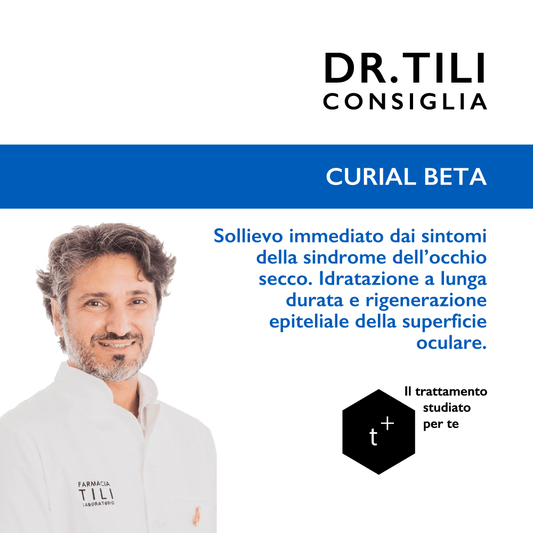
Curial βeta Dry eye supplement 30 capsules Dr.Tili
Vendor:TilpharmaRegular price €22,50Regular priceUnit price per€22,50Sale price €22,50 -
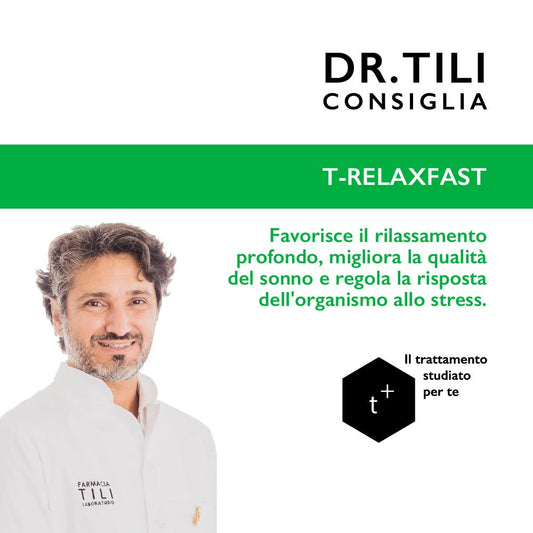
T - Relaxfast Sleep Supplement 60 Capsules Dr.Tili
Vendor:TilpharmaRegular price €24,50Regular priceUnit price per€24,50Sale price €24,50 -
Face Serum C5 Vitamin C 30ml Dr.Tili Skinlab
Vendor:TilabRegular price €62,50Regular priceUnit price per€62,50Sale price €62,50 -
Dr.Tili Skinlab E15 Vitamin E Face Serum 30ml
Vendor:TilabRegular price €32,50Regular priceUnit price per€32,50Sale price €32,50 -
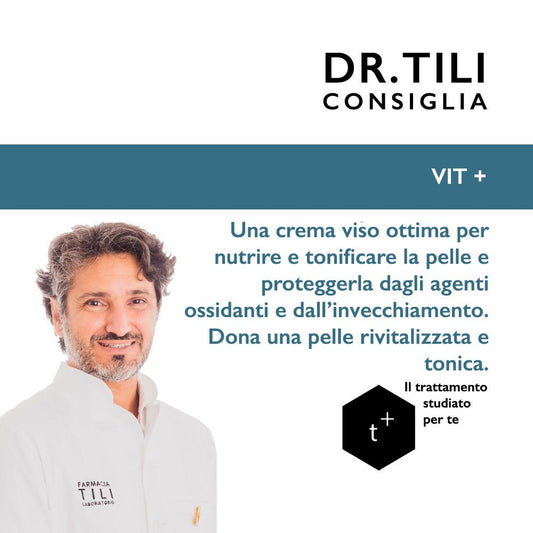
Vit+ Face Vitamin Cream 50ml Dr.Tili Skinlab
Vendor:TilabRegular price €34,00Regular priceUnit price per€34,00Sale price €34,00 -
Anti-aging Facial Treatment Hyaluronic Acid IAL B3 30ml Dr.Tili Skinlab
Vendor:TilabRegular price €46,00Regular priceUnit price per€46,00Sale price €46,00 -
Body Milk Hydra Milk 200Ml. Dr.Tili Skinlab
Vendor:TilabRegular price €16,90Regular priceUnit price per€16,90Sale price €16,90 -
Facial Cleansing Milk 150ml Dr.Tili Skinlab
Vendor:TilabRegular price €18,90Regular priceUnit price per€18,90Sale price €18,90 -
Soothing Facial Toner 125ml Dr.Tili Skinlab
Vendor:TilabRegular price €14,50Regular priceUnit price per€14,50Sale price €14,50 -
Soothing Face Cream 50ml Dr.Tili Skinlab
Vendor:TilabRegular price €19,50Regular priceUnit price per€19,50Sale price €19,50










-

ASSISTANCE - TELEPHONE ORDERS
-

SHIPPING
Shipping to Italy 24/48H
Delivery also on Saturday and Sunday
Free over €49.90
Shipping to Europe 24/72H
Free over €80 -

SAFETY
The security of your data is important to us!
We strictly comply with the European GDPR regarding
Privacy and processing of personal data
The payments you make on our site are 100% safe and guaranteed -

RETURNS
Fast returns via DIY portal and 14 days to change your mind.
Immediate and free replacements for incorrect or non-compliant products delivered.


