

Sella
Sodium bicarbonate Sella 500 mg 50 tablets
Sodium bicarbonate Sella 500 mg 50 tablets
Couldn't load pickup availability

NET WEIGHT OF THE PRODUCT
NET WEIGHT OF THE PRODUCT
50ct
EAN
EAN
029816016
MINSAN
MINSAN
029816016

In ottemperanza all'articolo 118 “autorizzazione della pubblicità presso il pubblico” del decreto legislativo 24 aprile 2006, numero 219
INDICATIONS
Short-term treatment of gastric hyperacidity.
ACTIVE INGREDIENTS
Each tablet contains: Active ingredient: sodium bicarbonate 500 mg. For the full list of excipients, see section 6.1.
EXCIPIENTS
Hydroxypropyl cellulose, hydrogenated vegetable oil, crospovidone.
CONTRAINDICATIONS AND SIDE EFFECTS
- Hypersensitivity to the active substance or to any of the excipients listed in paragraph 6.1; - severe renal insufficiency; - respiratory alkalosis; - hypocalcemia, due to an increased risk of tetany; - diuretic-induced hypochloremia (see section 4.5); - excessive loss of chlorine, due to vomiting or continuous gastrointestinal suction, due to the greater risk of metabolic alkalosis; - children under 12 years of age. Generally contraindicated during pregnancy (see section 4.6).
DOSAGE
Adults: The usual dose in adults varies between 500 mg to 5 g per day. Adolescents (12-18 years): 1-2 tablets after meals and at bedtime. The medicine is not indicated for children under 12 years of age
CONSERVATION
Store in the original packaging, tightly closed to protect the medicine from humidity, since sodium bicarbonate decomposes slowly in the presence of humidity.
WARNINGS
Particular caution is required when administering sodium bicarbonate in case of: - history of congestive heart failure; - renal impairment; - hypertension; - liver cirrhosis; - concomitant use of corticosteroids (see section 4.5). The tablets contain sodium, therefore this must be taken into account in cases where a particularly low-salt diet is recommended, for example in some cases of congestive heart failure, renal impairment, hypertension. This medicine contains 137 mg sodium per tablet, equivalent to 6.8% of the WHO recommended maximum daily intake of 2 g sodium for an adult. Sodium bicarbonate should be used with caution in cases of anuria or oliguria, due to the increased risk of sodium retention. Additionally, caution should be exercised in edematous conditions with sodium retention, such as liver cirrhosis, congestive heart failure, renal failure, toxemia, or pregnancy. In patients with very low levels of gastric acid, the effectiveness of sodium bicarbonate on stomach acid may be less. Furthermore, in such subjects there is the possibility of an increase in its absorption into the plasma with the possibility of unwanted systemic effects. In patients with potassium depletion, sodium bicarbonate should be administered with caution and cardiac and electrolyte parameters should be monitored repeatedly. In patients with gastric and small intestinal inflammation or kidney failure, sodium bicarbonate increases the risk of excess sodium levels in the blood. Sodium bicarbonate can cause changes in the pH of the stomach and urine, thus altering the absorption and elimination processes of many drugs (see section 4.5). It is advisable to allow at least 2 hours to pass between taking sodium bicarbonate and other medicines.
INTERACTIONS
Sodium bicarbonate when administered orally at recommended doses is absorbed only in small quantities with minimal systemic effects. However, the possible interactions due to the presence of the drug in circulation are listed below. Sodium bicarbonate, by increasing the pH of the stomach, can cause a reduction in the absorption of acidic drugs, with a consequent decrease in their effect. This interaction has been found, for example, for: itraconazole, ketoconazole, atazanavir, cefpodoxime proxetile, dasatinib and iron. With the same mechanism, sodium bicarbonate can cause an increase in the absorption of basic drugs with a consequent increase in their toxicity. Sodium bicarbonate, by alkalinizing the urine, can decrease the elimination of basic drugs by increasing their duration of action and toxicity. This interaction has been found, for example, for: quinidine, amphetamines, ephedrine, pseudoephedrine, memantine, flecainide and mecamylamine. With the same mechanism, sodium bicarbonate can cause a greater elimination of some drugs, with a consequent decrease in their effect. This interaction has been found, for example, for: aspirin, chlorpropamide, lithium methenamine and tetracyclines (especially doxycycline). If sodium bicarbonate is used in combination with diuretics that promote potassium excretion such as bumetamide, ethacrynic acid, furosemide and thiazides, hypochloremic alkalosis may occur. Since sodium bicarbonate can cause sodium retention (see section 4.8 Side effects), concomitant use with other drugs that cause an increase in sodium in the body, such as corticosteroids, can aggravate this effect.
SIDE EFFECTS
Below are the side effects of sodium bicarbonate administered orally, organized according to the MedDRA system organic classification. There is insufficient data to establish the frequency of the individual effects listed. Immune system disorders: Allergic manifestations such as urticaria and bronchospasm, anaphylactic or anaphylactoid reactions. Gastrointestinal disorders: Stomach cramps, flatulence, vomiting and gastric lesions. Vascular pathologies: Water retention (edema), especially in elderly patients and in the presence of cardiac or renal insufficiency. Sodium bicarbonate when administered orally at recommended doses is absorbed only in small quantities with minimal systemic effects. However, the adverse reactions due to a systemic effect of the drug are listed below. Metabolism and nutrition disorders: Metabolic alkalosis, especially in patients with renal failure; symptoms include shortness of breath (due to compensatory hyperventilation, which can last up to 48 hours), muscle weakness associated with potassium depletion, muscle hypertonicity, muscle spasms and tetany which can occur especially in hypocalcemic patients. Hypernatremia. Hyperosmolarity, with increased fluid volume and pulmonary edema. Cardiac diseases: Decreased cardiac output. Vascular pathologies: Hypotension. Cerebral edema. Intracranial hemorrhage. Respiratory, thoracic and mediastinal disorders: Hypercapnia. Reporting of suspected adverse reactions. Reporting suspected adverse reactions that occur after authorization of the medicine is important, as it allows continuous monitoring of the benefit/risk balance of the medicine. Healthcare professionals are asked to report any suspected adverse reactions via the national reporting system at http://www.agenziafarmaco.gov.it/content/come-segnalare-una-sospetti-reazione-avversa.
OVERDOSE
Experience on deliberate overdose with oral sodium bicarbonate is very limited. The only possible consequence of overdose is abdominal distension caused by excess carbon dioxide generated by the splitting of sodium bicarbonate in the stomach. In this case it is necessary to resort to symptomatic treatment by adopting generic support measures.
PREGNANCY AND BREASTFEEDING
Pregnancy: For sodium bicarbonate no clinical data on exposed pregnancies are available. Animal studies do not indicate direct or indirect harmful effects with respect to pregnancy, embryonic/foetal development, parturition or postnatal development (see section 5.3). Caution should be exercised when prescribing the medicine to pregnant women. Furthermore, it should be considered that the sodium contained in the medicine can worsen the edematous conditions of pregnancy. Therefore, to treat stomach acid, it is recommended to use alternative medications that do not contain sodium. Breastfeeding: The use of sodium bicarbonate is considered compatible with breastfeeding.
EFFECTS ON DRIVING ABILITY
Sodium bicarbonate does not affect the ability to drive or use machines.
OUR PRODUCTS FOR THIS SEASON
-
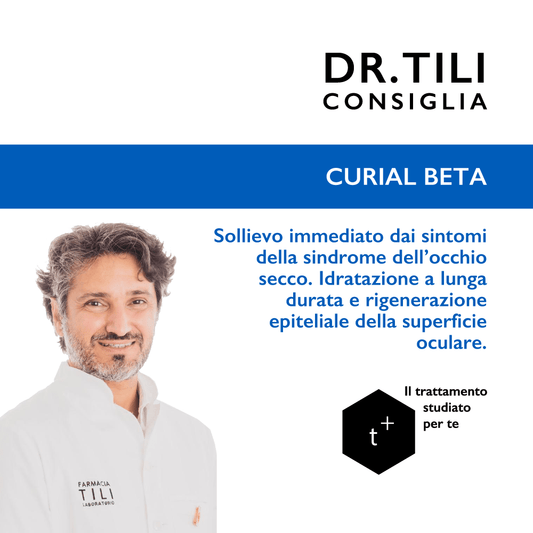
Curial βeta Dry eye supplement 30 capsules Dr.Tili
Vendor:TilpharmaRegular price €22,50Regular priceUnit price per€22,50Sale price €22,50 -
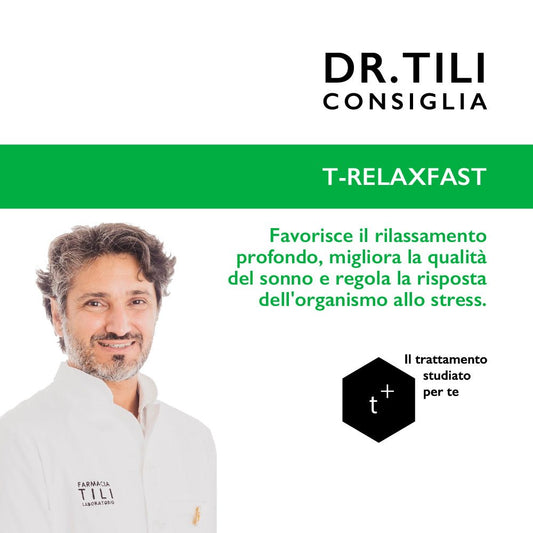
T - Relaxfast Sleep Supplement 60 Capsules Dr.Tili
Vendor:TilpharmaRegular price €24,50Regular priceUnit price per€24,50Sale price €24,50 -
Face Serum C5 Vitamin C 30ml Dr.Tili Skinlab
Vendor:TilabRegular price €62,50Regular priceUnit price per€62,50Sale price €62,50 -
Dr.Tili Skinlab E15 Vitamin E Face Serum 30ml
Vendor:TilabRegular price €32,50Regular priceUnit price per€32,50Sale price €32,50 -
Vit+ Face Vitamin Cream 50ml Dr.Tili Skinlab
Vendor:TilabRegular price €34,00Regular priceUnit price per€34,00Sale price €34,00 -
Anti-aging Facial Treatment Hyaluronic Acid IAL B3 30ml Dr.Tili Skinlab
Vendor:TilabRegular price €46,00Regular priceUnit price per€46,00Sale price €46,00 -
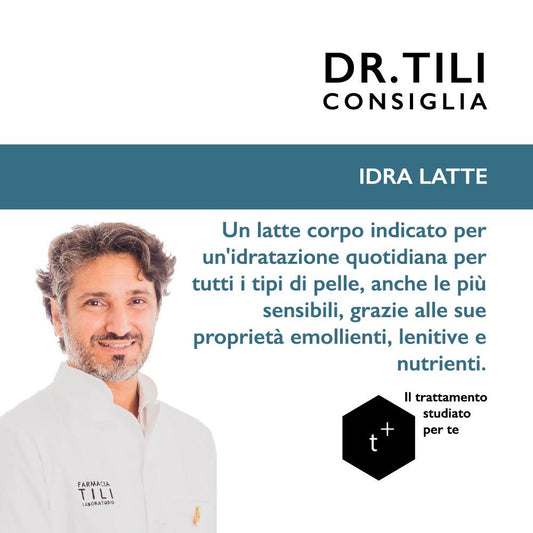
Body Milk Hydra Milk 200Ml. Dr.Tili Skinlab
Vendor:TilabRegular price €16,90Regular priceUnit price per€16,90Sale price €16,90 -
Facial Cleansing Milk 150ml Dr.Tili Skinlab
Vendor:TilabRegular price €18,90Regular priceUnit price per€18,90Sale price €18,90 -
Soothing Facial Toner 125ml Dr.Tili Skinlab
Vendor:TilabRegular price €14,50Regular priceUnit price per€14,50Sale price €14,50 -
Soothing Face Cream 50ml Dr.Tili Skinlab
Vendor:TilabRegular price €19,50Regular priceUnit price per€19,50Sale price €19,50














-

ASSISTANCE - TELEPHONE ORDERS
-

SHIPPING
Shipping to Italy 24/48H
Delivery also on Saturday and Sunday
Free over €49.90
Shipping to Europe 24/72H
Free over €80 -

SAFETY
The security of your data is important to us!
We strictly comply with the European GDPR regarding
Privacy and processing of personal data
The payments you make on our site are 100% safe and guaranteed -

RETURNS
Fast returns via DIY portal and 14 days to change your mind.
Immediate and free replacements for incorrect or non-compliant products delivered.


