

Karo Pharma
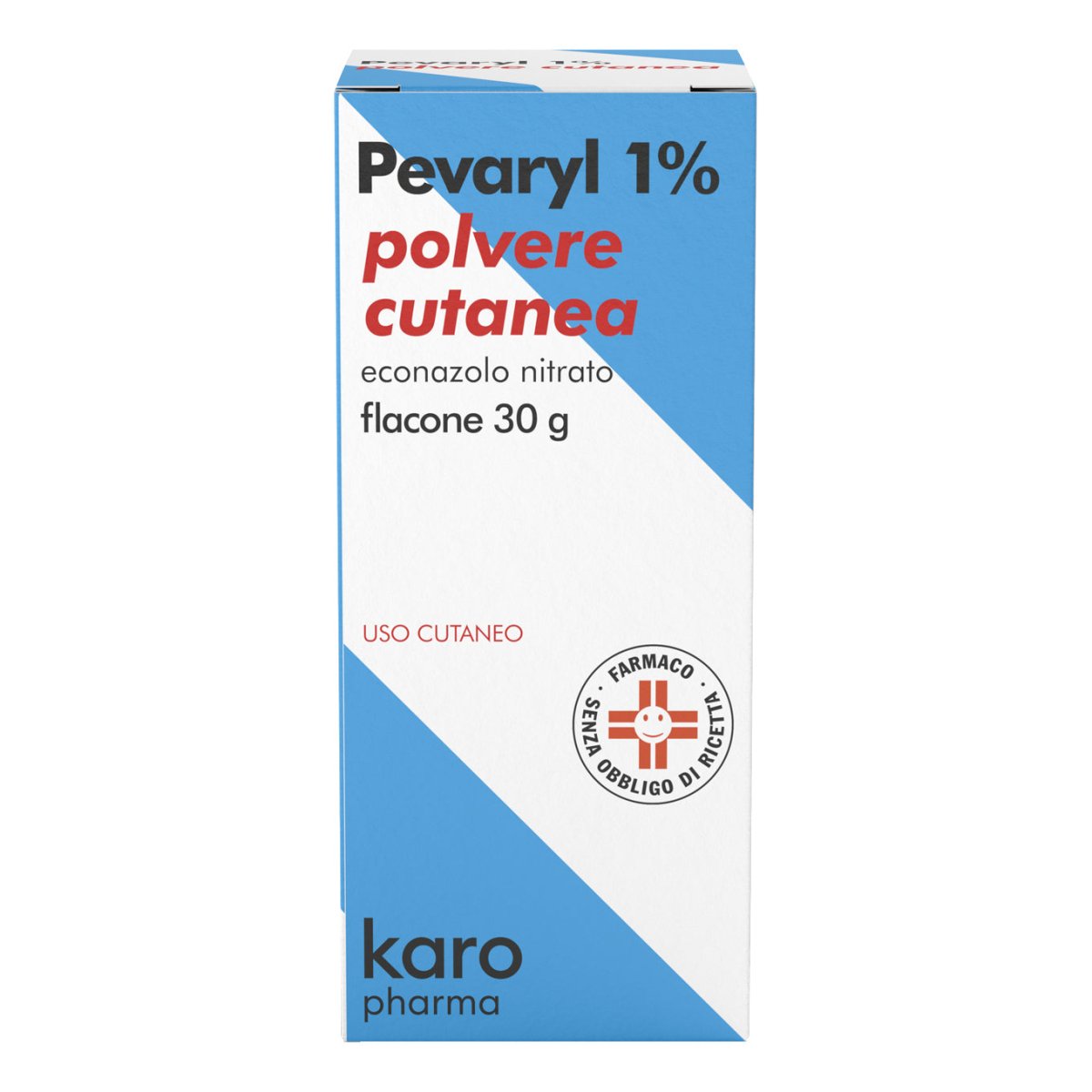
Pevaryl 1% 30 g cutaneous powder
Pevaryl 1% 30 g cutaneous powder
Couldn't load pickup availability

NET WEIGHT OF THE PRODUCT
NET WEIGHT OF THE PRODUCT
30g
EAN
EAN
023603044
MINSAN
MINSAN
023603044
In ottemperanza all'articolo 118 “autorizzazione della pubblicità presso il pubblico” del decreto legislativo 24 aprile 2006, numero 219
INDICATIONS
PEVARYL is indicated for the treatment of cutaneous candidiasis, dermatophytosis and pityriasis versicolor, including suspected concomitant infections with Gram-positive bacteria (see section 5.1).
ACTIVE INGREDIENTS
Pevaryl 1% cream 100 g of cream contain: active ingredient: econazole nitrate 1.0 g Excipients with known effects: butylated hydroxyanisole and benzoic acid Pevaryl 1% skin spray, alcoholic solution 100 g of alcoholic skin solution contain: active ingredient: econazole nitrate 1.0 g Excipients with known effects: ethanol, propylene glycol and Pevaryl perfume 1% skin powder 100 g of skin powder contain: active ingredient: econazole nitrate 1.0 g Excipient with known effects: perfume Pevaryl 1% skin emulsion 100 g of skin emulsion contain: active ingredient: econazole nitrate 1.0 g Excipients with known effects: butylated hydroxyanisole, benzoic acid and perfume For the full list of excipients, see paragraph 6.1.
EXCIPIENTS
Cream Excipients: mixture of stearic acid esters with glycols; mixture of fatty acids with polyethylene glycol; Vaseline oil; Butylated hydroxyanisole; benzoic acid; purified water. Alcoholic solution skin spray Excipients: ethanol; propylene glycol; perfume (containing linalool, citronellol, 3-methyl-4-(2,6,6-trimethyl-2-cyclohexen-1-yl)-3-buten-2-one, geraniol, hydroxycitronellal, coumarin, benzyl salicylate, hexyl cinnamic aldehyde, d-Limonene, citral, cinnamyl alcohol, lilial, eugenol, benzyl beanzoate, isoeugenol, farinasol, benzyl alcohol and cinnammal); tris(hydroxymethyl) amino methane. Skin dust Excipients: precipitated silica; perfume (containing linalool, citronellol, 3-methyl-4-(2,6,6-trimethyl-2-cyclohexen-1-yl)-3-buten-2-one, geraniol, hydroxycitronellal, coumarin, benzyl salicylate, hexyl cinnamic aldehyde, d-Limonene, citral, cinnamyl alcohol, lilial, eugenol, benzyl beanzoate, isoeugenol, farinasol, benzyl alcohol and cinnammal); zinc oxide; talc. Skin emulsion Excipients: precipitated silica; mixture of stearic acid esters with glycols; mixture of fatty acids with polyethylene glycol; Vaseline oil; butylated hydroxyanisole; benzoic acid; perfume (containing linalool, citronellol, 3-methyl-4-(2,6,6-trimethyl-2-cyclohexen-1-yl)-3-buten-2-one, geraniol, hydroxycitronellal, coumarin, benzyl salicylate, hexyl cinnamic aldehyde, d-Limonene, citral, cinnamyl alcohol, lilial, eugenol, benzyl beanzoate, isoeugenol, farinasol, benzyl alcohol and cinnammal); purified water.
CONTRAINDICATIONS AND SIDE EFFECTS
Hypersensitivity to the active substance or to any of the excipients, listed in paragraph 6.1.
DOSAGE
PEVARYL must be applied to the infected skin areas with a light massage 2 times a day, morning and evening. The usual duration of treatment is 2 to 4 weeks.If no improvement in symptoms is noted after 4 weeks, treatment should be re-evaluated. The intertriginous spaces (e.g. interdigital spaces of the foot, folds of the buttocks) in the wet stage must be cleansed with gauze before applying PEVARYL. In the case of intertrigo the use of PEVARYL cutaneous powder may be useful.
CONSERVATION
Emulsion, skin spray, alcoholic solution and cream: store below 25°C. Cutaneous powder: this medicinal product does not require any special storage conditions.
WARNINGS
All pharmaceutical forms of PEVARYL are indicated for external use only. PEVARYL is not for ophthalmic or oral use. In case of sensitization or irritation reaction, discontinue use of the product. Econazole nitrate powder contains talc. Avoid inhalation to prevent irritation of the airways, especially in children and infants. The application of the spray forms must be done avoiding inhaling the product and making excessive or improper use of it. Important information about some excipients PEVARYL 1% cream contains butylated hydroxyanisole and benzoic acid. This medicine contains butylated hydroxyanisole. May cause local skin reactions (e.g. contact dermatitis) or irritation of the eyes and mucous membranes. This medicine contains 60 mg of benzoic acid in each 30 g tube which is equivalent to 2 mg/g of cream. Benzoic acid may cause local irritation. Benzoic acid may increase jaundice (yellowing of the skin and eyes) in newborns up to 4 weeks of age. PEVARYL 1% skin spray, alcoholic solution contains ethanol, propylene glycol and perfume. This medicine contains 49.5% ethanol, equivalent to 0.495 mg/ml. May cause burning sensation on damaged skin. This medicinal product contains 983.0 mg of propylene glycol per unit dose, which is equivalent to 491.5 mg/g. Propylene glycol may cause local irritation. This medicine contains a fragrance which in turn contains linalool, citronellol, 3-methyl-4-(2,6,6-trimethyl-2-cyclohexen-1-yl)-3-buten-2-one, geraniol, hydroxycitronellal, coumarin, benzyl salicylate, hexyl cinnamic aldehyde, d-Limonene, citral, cinnamyl alcohol, lilial, eugenol, benzyl beanzoate, isoeugenol, farinasol, benzyl alcohol and cinnammal. Linalool, citronellol, 3-methyl-4-(2,6,6-trimethyl-2-cyclohexen-1-yl)-3-buten-2-one, geraniol, hydroxycitronellal, coumarin, benzyl salicylate, hexyl cinnamic aldehyde, d-Limonene, citral, cinnamyl alcohol, lilial, eugenol, benzyl beanzoate, isoeugenol, Farnesol, benzyl alcohol and cinnamal can cause allergic reactions. PEVARYL 1% skin powder contains perfume This medicine contains a fragrance which in turn contains linalool, citronellol, 3-methyl-4-(2,6,6-trimethyl-2-cyclohexen-1-yl)-3-buten-2-one, geraniol, hydroxycitronellal, coumarin, benzyl salicylate, hexyl cinnamic aldehyde, d-Limonene, citral, cinnamyl alcohol, lilial, eugenol, benzyl beanzoate, isoeugenol, farinasol, benzyl alcohol and cinnammal. Linalool, citronellol, 3-methyl-4-(2,6,6-trimethyl-2-cyclohexen-1-yl)-3-buten-2-one, geraniol, hydroxycitronellal, coumarin, benzyl salicylate, hexyl cinnamic aldehyde, d-Limonene, citral, cinnamyl alcohol, lilial, eugenol, benzyl beanzoate, isoeugenol, Farnesol, benzyl alcohol and cinnamal can cause allergic reactions. PEVARYL 1% skin emulsion contains butylated hydroxyanisole, benzoic acid and perfume This medicine contains butylated hydroxyanisole. It may cause localized skin reactions (e.g. contact dermatitis) or irritation of the eyes and mucous membranes. This medicine contains 60 mg of benzoic acid in each 30 g bottle which is equivalent to 2 mg/g of cream. Benzoic acid may cause local irritation. Benzoic acid may increase jaundice (yellowing of the skin and eyes) in newborns up to 4 weeks of age. This medicine contains a fragrance which in turn contains linalool, citronellol, 3-methyl-4-(2,6,6-trimethyl-2-cyclohexen-1-yl)-3-buten-2-one, geraniol, hydroxycitronellal, coumarin, benzyl salicylate, hexyl cinnamic aldehyde, d-Limonene, citral, cinnamyl alcohol, lilial, eugenol, benzyl beanzoate, isoeugenol, farinasol, benzyl alcohol and cinnammal. Linalool, citronellol, 3-methyl-4-(2,6,6-trimethyl-2-cyclohexen-1-yl)-3-buten-2-one, geraniol, hydroxycitronellal, coumarin, benzyl salicylate, hexyl cinnamic aldehyde, d-Limonene, citral, cinnamyl alcohol, lilial, eugenol, benzyl beanzoate, isoeugenol, Farnesol, benzyl alcohol and cinnamal can cause allergic reactions.
INTERACTIONS
Econazole is a known inhibitor of cytochromes CYP3A4 and CYP2C9. Despite the limited systemic availability after cutaneous application, clinically relevant interactions with other medicinal products may occur and some have been reported in patients treated with oral anticoagulants, such as warfarin and acenocoumarol. In patients receiving oral anticoagulants, caution should be used and the INR should be monitored more frequently. A dosage adjustment of the oral anticoagulant drug may be necessary during treatment with econazole and after its discontinuation.
SIDE EFFECTS
The adverse drug reactions (Adverse Drug Reactions, ADRs) reported with the use of the different dermatological formulations of PEVARYL both in clinical studies and in post-marketing experience are listed below. Data deriving from clinical studies The safety of econazole nitrate cream (1%) and econazole nitrate emulsion (1%) was evaluated in 12 clinical studies involving 470 subjects, who received administration of at least one of the formulations. Based on the safety data collected from these clinical studies, the most commonly reported ADRs (incidence ≥ 1%) were (with incidence): pruritus (1.3%), burning sensation of the skin (1.3%) and pain (1.1%). In the table below, which shows the adverse reactions of the dermatological formulations of Pevaryl, all ADRs with a known incidence (common or uncommon) are from clinical trial data and all adverse reactions with an unknown incidence are from post-marketing data. Frequencies are reported according to the following convention: Very common ( ≥ 1/10); Municipality ( ≥ 1/100, <1/10); Uncommon ( ≥ 1/1,000, <1/100); Rare ( ≥ 1/10,000, <1/1,000); Very rare (<1/10,000), Not known (frequency cannot be estimated from the available data). Table 1: Adverse Drug Reactions
System organ class - Adverse drug reactions: Frequency.
System Organ Class - Adverse drug reactions: Common (≥ 1/100, < 1/10). Uncommon (≥ 1/1,000, < 1/100). Not Known.
Immune system disorders - Hypersensitivity
Skin and subcutaneous tissue disorders - Adverse drug reactions: Itching, burning sensation of the skin. Erythema. Angioedema, contact dermatitis, rash, urticaria, vesiculation, skin exfoliation.
Systemic disorders and conditions relating to the administration site - Adverse drug reactions: Pain. Malaise Swelling.
The use of products for topical use, especially if prolonged, can give rise to sensitization phenomena. In case of hypersensitivity reactions it is necessary to interrupt treatment and institute appropriate therapy. Reporting of suspected adverse reactions Reporting suspected adverse reactions that occur after authorization of the medicine is important, as it allows continuous monitoring of the benefit/risk balance of the medicine. Healthcare professionals are asked to report any suspected adverse reactions via the national reporting system at https://www.aifa.gov.it/content/segnalazioni-reazioni-avverse.
OVERDOSE
The available pharmaceutical forms are intended exclusively for topical application. In case of accidental ingestion, nausea, vomiting and diarrhea may occur and must be treated with symptomatic therapy. If the product accidentally comes into contact with the eyes, wash with clean water or saline and contact a doctor if symptoms persist. Pevaryl 1% skin powder The powder formulation contains talc: accidental massive aspiration of the dust can cause blockage of the airways, particularly in infants and children. Respiratory arrest should be treated with supportive therapy and oxygen. If breathing is compromised, the following measures should be considered: endotracheal intubation, removal of material and assisted ventilation.
PREGNANCY AND BREASTFEEDING
Pregnancy Animal studies have shown reproductive toxicity. The risk in humans is unknown. (see paragraph 5.3). In humans, after topical application on intact skin, the systemic absorption of econazole is poor (< 10%). There are no adequate and controlled studies, nor epidemiological data, on the side effects resulting from the use of PEVARYL during pregnancy. Due to systemic absorption, PEVARYL should not be used during the first trimester of pregnancy unless the doctor considers it necessary for the patient's health. PEVARYL can be used during the second and third trimesters of pregnancy if the potential benefit to the mother outweighs the possible risks to the fetus. Breastfeeding After oral administration of econazole nitrate to lactating rats, econazole and/or its metabolites were excreted in maternal milk and detected in the pups. It is not known whether cutaneous administration of PEVARYL can result in sufficient systemic absorption of econazole to produce detectable concentrations of econazole in human breast milk. Caution should be used when PEVARYL is administered to women during breastfeeding. Fertility Results from reproduction studies conducted in animals showed no effects on fertility (see section 5.3).
EFFECTS ON DRIVING ABILITY
Not known.
OUR PRODUCTS FOR THIS SEASON
-
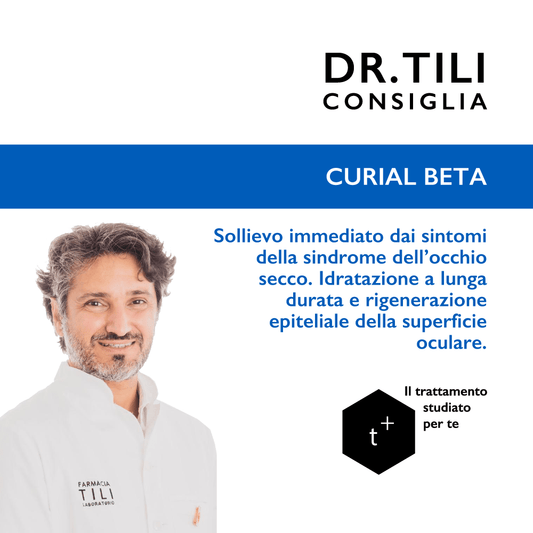
Curial βeta Dry eye supplement 30 capsules Dr.Tili
Vendor:TilpharmaRegular price €22,50Regular priceUnit price per€22,50Sale price €22,50 -
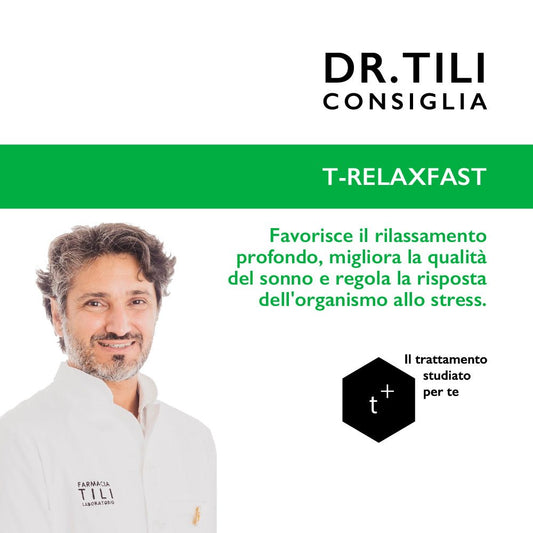
T - Relaxfast Sleep Supplement 60 Capsules Dr.Tili
Vendor:TilpharmaRegular price €24,50Regular priceUnit price per€24,50Sale price €24,50 -
Face Serum C5 Vitamin C 30ml Dr.Tili Skinlab
Vendor:TilabRegular price €62,50Regular priceUnit price per€62,50Sale price €62,50 -
Dr.Tili Skinlab E15 Vitamin E Face Serum 30ml
Vendor:TilabRegular price €32,50Regular priceUnit price per€32,50Sale price €32,50 -
Vit+ Face Vitamin Cream 50ml Dr.Tili Skinlab
Vendor:TilabRegular price €34,00Regular priceUnit price per€34,00Sale price €34,00 -
Anti-aging Facial Treatment Hyaluronic Acid IAL B3 30ml Dr.Tili Skinlab
Vendor:TilabRegular price €46,00Regular priceUnit price per€46,00Sale price €46,00 -
Body Milk Hydra Milk 200Ml. Dr.Tili Skinlab
Vendor:TilabRegular price €16,90Regular priceUnit price per€16,90Sale price €16,90 -
Facial Cleansing Milk 150ml Dr.Tili Skinlab
Vendor:TilabRegular price €18,90Regular priceUnit price per€18,90Sale price €18,90 -
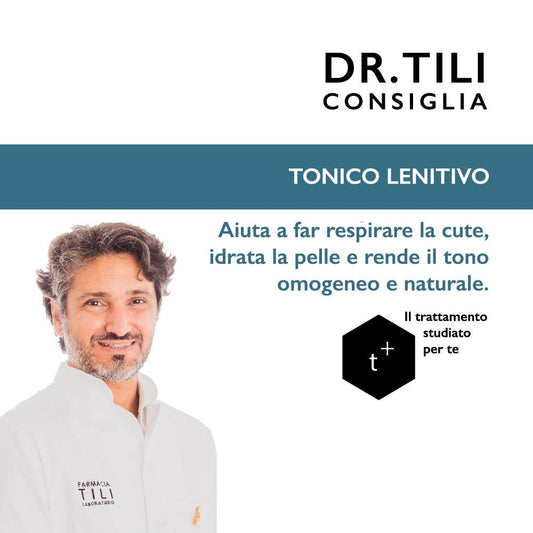
Soothing Facial Toner 125ml Dr.Tili Skinlab
Vendor:TilabRegular price €14,50Regular priceUnit price per€14,50Sale price €14,50 -
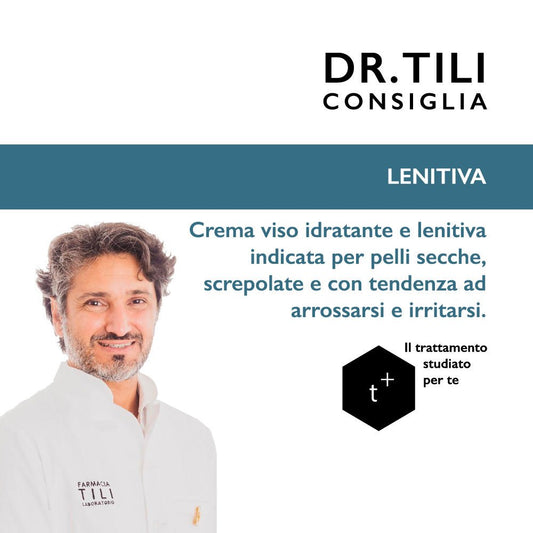
Soothing Face Cream 50ml Dr.Tili Skinlab
Vendor:TilabRegular price €19,50Regular priceUnit price per€19,50Sale price €19,50









-

ASSISTANCE - TELEPHONE ORDERS
-

SHIPPING
Shipping to Italy 24/48H
Delivery also on Saturday and Sunday
Free over €49.90
Shipping to Europe 24/72H
Free over €80 -

SAFETY
The security of your data is important to us!
We strictly comply with the European GDPR regarding
Privacy and processing of personal data
The payments you make on our site are 100% safe and guaranteed -

RETURNS
Fast returns via DIY portal and 14 days to change your mind.
Immediate and free replacements for incorrect or non-compliant products delivered.


