

Haleon
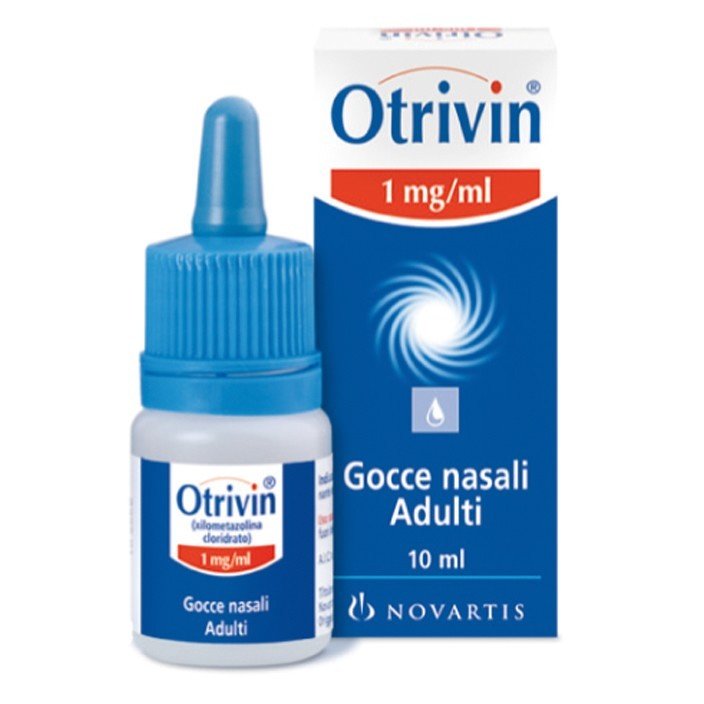
Narhimed Blocked Nose 1 mg/ml 10 ml nasal drops solution
Narhimed Blocked Nose 1 mg/ml 10 ml nasal drops solution
Couldn't load pickup availability

NET WEIGHT OF THE PRODUCT
NET WEIGHT OF THE PRODUCT
10ml
EAN
EAN
015598016
MINSAN
MINSAN
015598016
In ottemperanza all'articolo 118 “autorizzazione della pubblicità presso il pubblico” del decreto legislativo 24 aprile 2006, numero 219
INDICATIONS
Decongestant of the nasal mucosa (in case of colds, hay fever or other allergic rhinitis, sinusitis)
ACTIVE INGREDIENTS
NARHIMED STUFFED NOSE 1 mg/ml nasal drops, solution 1 ml of solution contains Active ingredient: xylometazoline hydrochloride 1 mg. Each drop delivers 0.025 mg of xylometazoline hydrochloride NARHIMED STUD NOSE 1 mg/ml nasal spray, solution 1 ml of solution contains: Active ingredient: xylometazoline hydrochloride 1 mg Each spray nebulization delivers 0.14 mg of xylometazoline hydrochloride. Excipient with known effects: benzalkonium chloride. For the full list of excipients, see section 6.1.
EXCIPIENTS
Nasal drops, solution - Nasal spray, solution Sodium dihydrogen phosphate dihydrate; disodium phosphate dodecahydrate; sodium edetate; benzalkonium chloride; sorbitol 70%; hypromellose; sodium chloride; purified water.
CONTRAINDICATIONS AND SIDE EFFECTS
- Hypersensitivity to xylometazoline or to any of the excipients listed in section 6.1. - Closed-angle glaucoma. - Chronic rhinitis. - Patients with dry or atrophic rhinitis. - Pregnancy (see section 4.6). - Children under the age of 12. Like other vasoconstrictors, do not use Narhimed stuffy nose in patients undergoing transsphenoidal hypophysectomy or surgery with exposure of the dura mater.
DOSAGE
The use of the medicine is limited to adults and adolescents (aged between 12 and 18 years) Dosage Nasal drops, solution Instill 2-3 drops of the solution into each nostril 1-3 times a day, as needed. Do not exceed 3 applications in each nostril per day. Nasal spray, solution 1 spray of Narhimed stuffy nose spray, 1-3 times a day, as needed. Do not exceed 3 applications in each nostril per day. Method of administration Narhimed stuffy nose nasal drops, solution 1) Clean your nose. 2) Recline your head backwards in a comfortable position or, if lying in bed, bend your head to the side. 3) Instill the drops into each nostril and keep your head tilted back for a while to allow the drops to spread into the nose. 4) Immediately after use, clean and dry the dropper before placing it in the bottle. To avoid the possible spread of the infection, the bottle must be used by only one person. Narhimed stuffy nose nasal spray, solution with vertically activated nebulization Before the initial application, press the pump by operating it 4 times. Once pressed, the pump will normally remain charged throughout the daily treatment period. The pump will need to be refilled by pressing 4 times if, by fully pressing the nozzle, the spray does not come out or if the product has not been used for more than 7 days. For administration, follow the instructions below, being careful not to spray the spray in the eyes. 1) Clean your nose. 2) Hold the bottle in a vertical position with your thumb under the base and the nozzle between your two fingers 3) Lean forward slightly and insert the nozzle into one nostril. 4) Spray and at the same time breathe gently through your nose. 5) Immediately after use, clean and dry the dispenser before replacing the cap. To avoid the possible spread of infections, each pack of spray should be used by only one person. Narhimed stuffy nose nasal spray, solution with nebulization activated by a side button The dosing spray operated with a side button allows for accurate dosing and ensures that the solution is well distributed on the surface of the nasal mucosa by finely nebulising the spray. It's easy to use. The protective cap is childproof and suitable for the elderly. Upon first use, press the side button 5 times, without introducing it into the nostrils. Once activated, the device will remain charged throughout the regular treatment period. The device will need to be recharged by pressing twice if, at the end of the activation phase, the spray does not come out or if the product has not been used for more than 7 days. Be careful not to spray into eyes. To remove the protective cap, press on the two marks and rotate. 1) Clean your nose. 2) Hold the bottle upright with your thumb on the side button. 3) Insert the nozzle into the nostril while remaining in a vertical position to prevent the spray from dripping into the throat. 4) Press the side button to spray and at the same time inhale gently through your nose. Repeat in the other nostril (steps 1 to 4). 5) After each use, clean and dry the nozzle 6) Replace the protective cap until you hear a "click". Each metered spray delivers 0.14 ml of solution (0.14 mg xylometazoline hydrochloride). Pediatric population The medicine must not be used in children under 12 years of age (see also section 4.3).
CONSERVATION
Store below 30°C. Store in the original packaging.
WARNINGS
Narhimed stuffy nose, like other sympathomimetic agents, should be used with caution in patients who show a strong reaction to adrenergic substances manifested by signs of insomnia, dizziness, tremor, cardiac arrhythmia, or elevated blood pressure. Like other vasoconstrictors for local use, Narhimed stuffy nose should not be used for more than 7 consecutive days: prolonged or excessive use may cause rebound congestion and/or atrophy of the nasal mucosa. Do not exceed the indicated doses, especially in the elderly. Caution is recommended in patients with hypertension, cardiovascular disease, hyperthyroidism or diabetes mellitus, pheochromocytoma as well as in patients with prostatic hypertrophy and in patients treated with monoamine oxidase inhibitors (MAOIs) or who have taken them in the last two weeks (see section 4.5). Patients with long QT syndrome treated with xylometazoline may be at increased risk of serious ventricular arrhythmias. Important information about some excipients Narhimed stuffy nose contains benzalkonium chloride (BAC) as a preservative which, especially when used for long periods, may cause swelling of the nasal mucosa. If such a reaction (persistent nasal congestion) is suspected, a medicinal product for nasal use without benzalkonium chloride should be used, if possible. If such medicinal products for nasal use without benzalkonium chloride are not available, another pharmaceutical form should be considered. May cause bronchospasm.
INTERACTIONS
Monoamine oxidase inhibitors (MAOIs): xylometazoline can potentiate the action of monoamine oxidase inhibitors and can cause hypertensive crises. Xylometazoline is not recommended in patients who are taking or have taken MAOIs in the last two weeks (see section 4.4). Tricyclic and tetracyclic antidepressants: Concomitant use of tricyclic and tetracyclic antidepressants and sympathomimetics may reinforce the sympathomimetic effect of xylometazoline and is therefore not recommended.
SIDE EFFECTS
Adverse reactions are listed by system organ class and frequency. Frequencies are defined as: very common (≥1/10); common (≥1/100 to <1/10); uncommon (≥ 1/1,000 to < 1/100); rare (≥ 1/10,000 to < 1/1,000) or very rare (< 1/10,000). Within each frequency class, undesirable effects are presented in order of decreasing seriousness.
Immune system disorders.
Very rare: Hypersensitivity reactions (angioedema, rash, pruritus).
Nervous system disorders.
Common: Headache.
Eye pathologies.
Very rare: Transient visual disturbances.
Cardiac diseases.
Very rare: Irregular heart rate and increased heart rate.
Respiratory, thoracic and mediastinal disorders.
Common: Nasal dryness or discomfort.
Uncommon: Epistaxis.
Gastrointestinal disorders.
Common: Nausea.
Systemic pathologies and conditions relating to the administration site.
Common: Burning at the application site.
Other side effects noted: arterial hypertension, reflex bradycardia, urination disorders, insomnia and restlessness. Reporting of suspected adverse reactions. Reporting suspected adverse reactions that occur after authorization of the medicine is important, as it allows continuous monitoring of the benefit/risk balance of the medicine. Healthcare professionals are asked to report any suspected adverse reactions via the national reporting system at www.aifa.gov.it/content/segnalazioni-reazioni-avverse
OVERDOSE
In case of overdose, severe dizziness, sweating, severe drop in body temperature, bradycardia, arterial hypertension, tachycardia, photophobia, intense headache, chest tightness, coma and convulsions may appear and, in children, hypothermia and severe depression of the central nervous system with marked sedation which require the adoption of adequate emergency measures. In case of excessive instillation of the product into the nose and paranasal sinuses, rinse the nasal cavities repeatedly with warm isotonic saline solution, advising the patient not to ingest this solution. If the patient is unconscious, take care that this solution is not ingested during the washing maneuvers. Symptomatic treatment under medical supervision is indicated. This includes observation of the individual for several hours. In the case of a large overdose with cardiac arrest, resuscitation must continue for at least 1 hour.
PREGNANCY AND BREASTFEEDING
Pregnancy In view of its potential systemic vasoconstrictor effect, it is advisable to take the precaution of not using Narhimed stuffy nose during pregnancy. Breastfeeding There is no evidence of adverse effects on the breast-fed infant. However, it is not known whether xylometazoline is excreted in breast milk, therefore caution should be used and Narhimed stuffy nose should be used during breastfeeding only under medical advice. Fertility There are no adequate data regarding the effects of Narhimed stuffy nose on fertility and no animal studies are available. Since systemic exposure to xylometazoline hydrochloride is very low, effects on fertility are therefore very unlikely.
EFFECTS ON DRIVING ABILITY
Narhimed stuffy nose does not alter or negligibly alters the ability to drive vehicles and use machinery. However, patients in whom vision disturbances, dizziness, vertigo, or other central nervous system disorders have occurred with the use of xylometazoline should refrain from driving vehicles or using machinery requiring an intact level of alertness.
OUR PRODUCTS FOR THIS SEASON
-
Curial βeta Dry eye supplement 30 capsules Dr.Tili
Vendor:TilpharmaRegular price €22,50Regular priceUnit price per€22,50Sale price €22,50 -
T - Relaxfast Sleep Supplement 60 Capsules Dr.Tili
Vendor:TilpharmaRegular price €24,50Regular priceUnit price per€24,50Sale price €24,50 -
Face Serum C5 Vitamin C 30ml Dr.Tili Skinlab
Vendor:TilabRegular price €62,50Regular priceUnit price per€62,50Sale price €62,50 -
Dr.Tili Skinlab E15 Vitamin E Face Serum 30ml
Vendor:TilabRegular price €32,50Regular priceUnit price per€32,50Sale price €32,50 -
Vit+ Face Vitamin Cream 50ml Dr.Tili Skinlab
Vendor:TilabRegular price €34,00Regular priceUnit price per€34,00Sale price €34,00 -
Anti-aging Facial Treatment Hyaluronic Acid IAL B3 30ml Dr.Tili Skinlab
Vendor:TilabRegular price €46,00Regular priceUnit price per€46,00Sale price €46,00 -
Body Milk Hydra Milk 200Ml. Dr.Tili Skinlab
Vendor:TilabRegular price €16,90Regular priceUnit price per€16,90Sale price €16,90 -
Facial Cleansing Milk 150ml Dr.Tili Skinlab
Vendor:TilabRegular price €18,90Regular priceUnit price per€18,90Sale price €18,90 -
Soothing Facial Toner 125ml Dr.Tili Skinlab
Vendor:TilabRegular price €14,50Regular priceUnit price per€14,50Sale price €14,50 -
Soothing Face Cream 50ml Dr.Tili Skinlab
Vendor:TilabRegular price €19,50Regular priceUnit price per€19,50Sale price €19,50

















-

ASSISTANCE - TELEPHONE ORDERS
-

SHIPPING
Shipping to Italy 24/48H
Delivery also on Saturday and Sunday
Free over €49.90
Shipping to Europe 24/72H
Free over €80 -

SAFETY
The security of your data is important to us!
We strictly comply with the European GDPR regarding
Privacy and processing of personal data
The payments you make on our site are 100% safe and guaranteed -

RETURNS
Fast returns via DIY portal and 14 days to change your mind.
Immediate and free replacements for incorrect or non-compliant products delivered.


