

Johnson & Johnson
Mylicon children 66.6 mg 30 ml oral drops
Mylicon children 66.6 mg 30 ml oral drops
Couldn't load pickup availability

NET WEIGHT OF THE PRODUCT
NET WEIGHT OF THE PRODUCT
30ml
EAN
EAN
020708069
MINSAN
MINSAN
020708069

In ottemperanza all'articolo 118 “autorizzazione della pubblicità presso il pubblico” del decreto legislativo 24 aprile 2006, numero 219
INDICATIONS
Symptomatic treatment of gastrointestinal meteorism and aerophagia in infants and children.
ACTIVE INGREDIENTS
1 ml of solution contains: Active ingredient: simethicone (activated dimethylpolysiloxane) 66.6 mg. Excipient with known effects: sodium, sodium benzoate, ethanol, propylene glycol. For the full list of excipients, see 6.1
EXCIPIENTS
Citric acid monohydrate; sodium citrate; methylhydroxypropylcellulose; carboxypolymethylene; saccharin; sodium benzoate; sorbic acid; sodium bicarbonate; raspberry essence; concentrated vanilla essence; purified water.
CONTRAINDICATIONS AND SIDE EFFECTS
Hypersensitivity to the active substance or to any of the components listed in paragraph 6.1
DOSAGE
Dosage Infants and children: 20 drops (= 0.6 ml), 2-4 times a day preferably after meals or otherwise according to medical prescription. Do not exceed the recommended doses. After a short period of treatment (7 days) without appreciable results, consult your doctor. Method of administration Shake well before use. The drops should be dispersed in a little water.
CONSERVATION
This medicinal product does not require any special storage conditions.
WARNINGS
Do not exceed the recommended doses. After a short period of treatment (7 days) without appreciable results, consult your doctor. In case of persistence, worsening of symptoms, or if new symptoms appear or in case of prolonged constipation, treatment should be discontinued and the patient should consult his doctor. Do not use in case of suspected intestinal perforation or ileus. Important information about some excipients: MYLICON contains: • less than 1mmol of sodium (23 mg) per dose (20 drops). It can therefore be considered essentially sodium-free; • 0.6 mg of sodium benzoate per dose (20 drops) equivalent to 0.17 mg/kg for a 3.5 kg newborn and 0.03 mg/kg for a 20 kg child. The increase in bilirubin levels following its detachment from albumin can increase neonatal jaundice which can evolve into kernicterus (deposits of unconjugated bilirubin in the brain tissue); • 0.7025 mg of propylene glycol for each dose (20 drops), equivalent to 1.17 mg/ml. Coadministration with any alcohol dehydrogenase substrate such as ethanol may induce serious adverse effects in neonates. • 0.174 mg of ethanol in each single dose (20 drops) which is equivalent to 0.290 mg/ml. The amount of this medicine is equivalent to less than 0.00435 ml of beer or 0.00174 of wine. This medicine contains a quantity of ethanol that does not produce significant effects.
INTERACTIONS
Taking SIMETICONE and mineral oil (paraffin) laxatives at the same time is not recommended, as the combination of these two products reduces their effectiveness.
SIDE EFFECTS
Side effects observed during treatment in clinical studies and integrated with those collected during post-marketing experience are listed in the table below according to System Organ Class (using MedDRA terminology) and according to the following frequency: Very common ≥ 1/10 Common ≥ 1/100 and < 1/10; Uncommon ≥ 1/1,000 and < 1/100; Rare ≥ 1/10,000 and < 1/1,000; Very rare < 1/10,000
Gastrointestinal disorders.
Very rare: Vomiting, diarrhoea, abdominal pain, ileus, nausea.
Pathologies of the skin and subcutaneous tissue.
Very rare: Angioedema Rash.
Immune system disorders.
rare: hypersensitivity reactions.
Reporting of suspected adverse reactions Reporting suspected adverse reactions that occur after authorization of the medicine is important, as it allows continuous monitoring of the benefit/risk balance of the medicine. Healthcare professionals are asked to report any suspected adverse reactions via the national reporting system at https://www.aifa.gov.it/content/segnalazioni-reazioni-avverse.
OVERDOSE
Pediatric population Simethicone is a chemically inert substance, pharmacologically inactive and not absorbed from the gastrointestinal tract. Simethicone is also eliminated unchanged in the faeces. Accidental exposure to the product by children revealed no symptoms in most cases. The reported symptoms were mild to moderate in nature and can be explained by the pre-existing condition.
PREGNANCY AND BREASTFEEDING
Pregnancy. There are no adequate data on the use of Mylicon in pregnant women, therefore it should not be used during pregnancy unless clearly necessary and after a risk/benefit assessment by the doctor. Breastfeeding. It is not known whether simethicone is excreted in breast milk. The excretion of simethicone in breast milk has not been studied in animals. The decision whether to continue/discontinue breastfeeding or to continue/discontinue simethicone therapy should be made taking into account the benefit of breastfeeding for the infant and of simethicone therapy for the woman. Consult a doctor before taking Mylicon during pregnancy or breastfeeding.
EFFECTS ON DRIVING ABILITY
No effects on the ability to drive or use machines are reported.
OUR PRODUCTS FOR THIS SEASON
-
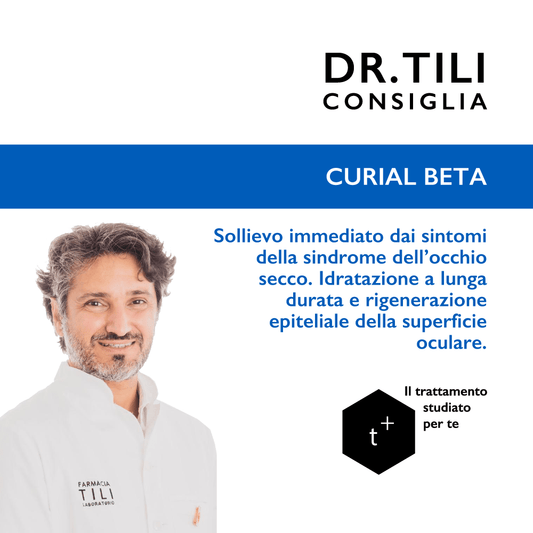
Curial βeta Dry eye supplement 30 capsules Dr.Tili
Vendor:TilpharmaRegular price €22,50Regular priceUnit price per€22,50Sale price €22,50 -
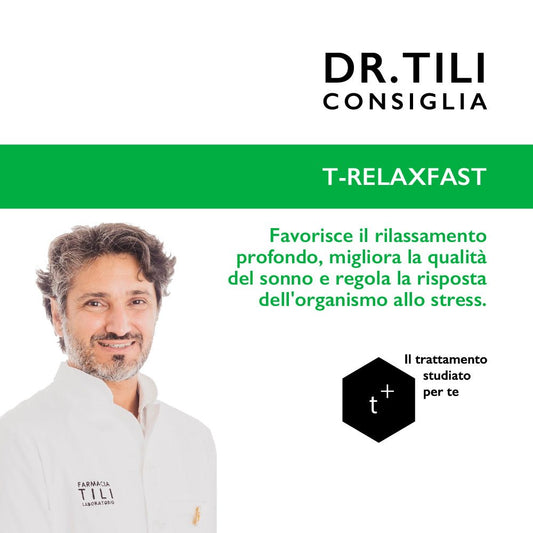
T - Relaxfast Sleep Supplement 60 Capsules Dr.Tili
Vendor:TilpharmaRegular price €24,50Regular priceUnit price per€24,50Sale price €24,50 -
Face Serum C5 Vitamin C 30ml Dr.Tili Skinlab
Vendor:TilabRegular price €62,50Regular priceUnit price per€62,50Sale price €62,50 -
Dr.Tili Skinlab E15 Vitamin E Face Serum 30ml
Vendor:TilabRegular price €32,50Regular priceUnit price per€32,50Sale price €32,50 -
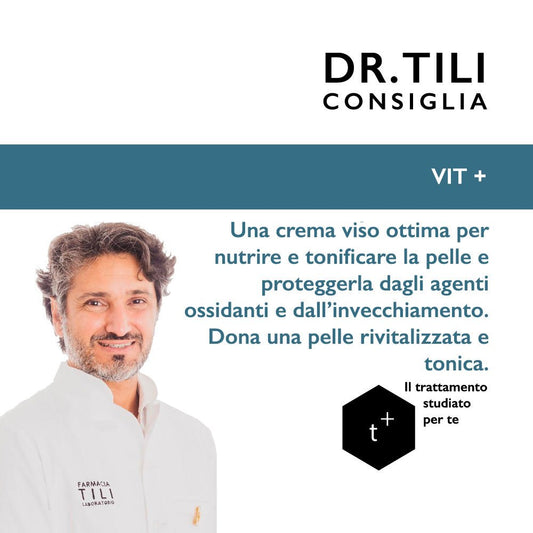
Vit+ Face Vitamin Cream 50ml Dr.Tili Skinlab
Vendor:TilabRegular price €34,00Regular priceUnit price per€34,00Sale price €34,00 -
Anti-aging Facial Treatment Hyaluronic Acid IAL B3 30ml Dr.Tili Skinlab
Vendor:TilabRegular price €46,00Regular priceUnit price per€46,00Sale price €46,00 -
Body Milk Hydra Milk 200Ml. Dr.Tili Skinlab
Vendor:TilabRegular price €16,90Regular priceUnit price per€16,90Sale price €16,90 -
Facial Cleansing Milk 150ml Dr.Tili Skinlab
Vendor:TilabRegular price €18,90Regular priceUnit price per€18,90Sale price €18,90 -
Soothing Facial Toner 125ml Dr.Tili Skinlab
Vendor:TilabRegular price €14,50Regular priceUnit price per€14,50Sale price €14,50 -
Soothing Face Cream 50ml Dr.Tili Skinlab
Vendor:TilabRegular price €19,50Regular priceUnit price per€19,50Sale price €19,50










-

ASSISTANCE - TELEPHONE ORDERS
-

SHIPPING
Shipping to Italy 24/48H
Delivery also on Saturday and Sunday
Free over €49.90
Shipping to Europe 24/72H
Free over €80 -

SAFETY
The security of your data is important to us!
We strictly comply with the European GDPR regarding
Privacy and processing of personal data
The payments you make on our site are 100% safe and guaranteed -

RETURNS
Fast returns via DIY portal and 14 days to change your mind.
Immediate and free replacements for incorrect or non-compliant products delivered.


