

Zambon
Fluimucil Mucolytic Expectorant Syrup 600 Mg-15 Ml
Fluimucil Mucolytic Expectorant Syrup 600 Mg-15 Ml

Couldn't load pickup availability

NET WEIGHT OF THE PRODUCT
NET WEIGHT OF THE PRODUCT
15ml
EAN
EAN
034936157
MINSAN
MINSAN
034936157

In compliance with article 118 "authorization of advertising to the public" of the legislative decree of 24 April 2006, number 219
INDICATIONS
Treatment of respiratory diseases characterized by dense and viscous hypersecretion.
CONTRAINDICATIONS
Hypersensitivity to the active substance or to any of the excipients listed in paragraph 6.1. Children under 2 years of age. Pregnancy and breast-feeding (see section 4.6).
WARNINGS AND PRECAUTIONS FOR USE
Patients suffering from bronchial asthma must be closely monitored during therapy; if bronchospasm appears, treatment with N-acetylcysteine must be immediately suspended and appropriate treatment must be started. Mucolytics can induce bronchial obstruction in children under 2 years of age. In fact, the drainage capacity of bronchial mucus is limited in this age group, due to the physiological characteristics of the respiratory tract. They should therefore not be used in children under 2 years of age (see section 4.3). The use of the medicine in patients suffering from peptic ulcers or with a history of peptic ulcers requires particular attention, especially in case of simultaneous intake of other drugs with a known gastro-injurious effect. The possible presence of a sulphurous odor does not indicate alteration of the preparation but is specific to the active ingredient contained in it. The administration of N-acetylcysteine, especially at the beginning of treatment, can fluidize bronchial secretions and increase their volume at the same time. If the patient is unable to expectorate effectively, postural drainage and bronchoaspiration should be used to avoid retention of secretions. N-acetylcysteine can affect histamine metabolism. Therefore, caution should be used when administering Fluimucil Mucolytic to patients with histamine intolerance, as hypersensitivity symptoms may occur. Important information about some excipients Sodium benzoate The 100 mg/5 ml syrup (150 ml and 200 ml) contains 15 mg of sodium benzoate for the 10 ml dose and 7.5 mg for the 5 ml dose.Parahydroxybenzoates Syrups contain parahydroxybenzoates which can cause delayed allergic reactions. Sorbitol The buccal tablets, 600 mg/15 ml syrup, 600 mg granules for oral solution and 100 mg and 200 mg sugar-free granules for oral solution contain sorbitol. The sorbitol content in oral medicinal products may modify the bioavailability of other co-administered oral medicinal products. Patients with hereditary fructose intolerance should not be given these medicines. Aspartame The buccal tablets, effervescent tablets, granules for oral solution 600 mg and granules for sugar-free oral solution 100 and 200 mg contain aspartame, a source of phenylalanine which may be harmful in patients with phenylketonuria. Glucose The 600 mg effervescent tablets, the 600 mg granules for oral solution and the 200 mg granules for oral solution contain glucose, patients suffering from rare problems of glucose-galactose malabsorption should not take this medicine. Sunset yellow (E110) The granules for oral solution 100 mg and 200 mg contain sunset yellow (E110) which may cause allergic reactions. Sucrose The granules for oral solution 100 and 200 mg contain sucrose. Patients suffering from rare hereditary problems of fructose intolerance, glucose-galactose malabsorption or sucrase isomaltase insufficiency should not take this medicine. Sodium The buccal tablets contain 26.9 mg sodium per tablet equivalent to 1.3% of the WHO recommended maximum daily intake of 2 g sodium for an adult. The 200 mg and 600 mg effervescent tablets contain 156.9 mg sodium per dose, equivalent to 7.8% of the WHO recommended maximum daily intake of 2 g sodium for an adult. The 100 mg/5 ml (150 ml) syrup contains 36.7 mg of sodium per 10 ml dose, equivalent to 1.83% of the WHO recommended maximum daily intake of 2 g of sodium for an adult. The 100 mg/5 ml (150 ml) syrup contains 18.4 mg sodium per 5 ml dose, equivalent to 0.9% of the WHO recommended maximum daily intake of 2 g sodium for an adult. The 100 mg/5 ml (200 ml) syrup contains 38.2 mg of sodium per 10 ml dose, equivalent to 1.9% of the WHO recommended maximum daily intake of 2 g of sodium for an adult. The 100 mg/5 ml (200 ml) syrup contains 19.1 mg sodium per 5 ml dose, equivalent to 0.9% of the WHO recommended maximum daily intake of 2 g sodium for an adult. The 600 mg/15 ml syrup contains 98.31 mg of sodium per 15 ml dose equivalent to 4.9% of the maximum daily intake recommended by the WHO which corresponds to 2 g of sodium for an adult. Lactose The 600 mg granules for oral solution and the 200 mg granules for oral solution contain lactose. Patients suffering from rare hereditary problems of galactose intolerance, total lactase deficiency, or glucose-galactose malabsorption should not take this medicine. Propylene glycol The 100 mg/5 ml syrup (150 ml and 200 ml) contains 23.4 mg of propylene glycol for the 10 ml dose and 11.7 mg for the 5 ml dose. The 600 mg/15 ml syrup contains 168 mg of propylene glycol per dose (15 ml) equivalent to 11.2 mg/ml. Ethanol The 100 mg/5 ml syrup (150 ml and 200 ml) contains 3.85 mg of alcohol (ethanol) in every 100 ml. The dose quantity of this medicine is equivalent to less than 1 ml of beer or 1 ml of wine. The small amount of alcohol in this medicine will not produce any noticeable effects.
INTERACTIONS
Drug-drug interaction. Antitussive drugs and mucolytic agents, such as N-acetylcysteine, should not be taken at the same time as the reduction of the cough reflex could lead to an accumulation of bronchial secretions. Activated charcoal can reduce the effect of N-acetylcysteine. It is advisable not to mix other drugs with the Fluimucil Mucolytic solution. The information available regarding the antibiotic-N-acetylcysteine interaction refers to in vitro tests, in which the two substances were mixed, which showed a decreased activity of the antibiotic. However, as a precaution, it is recommended to take oral antibiotics at least two hours after the administration of N-acetylcysteine, excluding loracarbef. It has been shown that the simultaneous intake of nitroglycerin and N-acetylcysteine causes significant hypotension and causes dilation of the temporal artery with the possible onset of headache. If the simultaneous administration of nitroglycerin and N-acetylcysteine is necessary, patients should be monitored for the appearance of hypotension which can even be severe and alerted to the possible onset of headache. Pediatric population Interaction studies have only been carried out in adults. Drug-laboratory test interactions N-acetylcysteine may cause interference with the colorimetric assay method for the determination of salicylates. N-acetylcysteine may interfere with urine ketone testing.
SIDE EFFECTS
Safety profile summary The adverse events most frequently associated with the oral administration of N-acetylcysteine are gastrointestinal in nature. Less frequently, hypersensitivity reactions including anaphylactic shock, anaphylactic/anaphylactoid reactions, bronchospasm, angioedema, rash and pruritus have been reported. Tabular list of adverse reactions The following table shows the adverse reactions listed according to the classification and frequency system: very common (≥ 1/10), common (≥ 1/100 to < 1/10), uncommon (≥ 1/1,000 to < 1/100), rare (≥ 1/10,000 to < 1/1,000), very rare (< 1/10,000) and not known (the frequency cannot be established on the basis of available data). Within each frequency grouping, undesirable effects are presented in order of decreasing seriousness.
Organ-systemic classification | Adverse reactions
Uncommon (≥1/1,000; <1/100) | Rare (≥1/10,000; <1/1,000) | Very rare (<1/10,000) | Not known
Immune system disorders | Uncommon (≥1/1,000; <1/100): Hypersensitivity | Very rare (<1/10,000): Anaphylactic shock, anaphylactic/anaphylactoid reaction
Nervous system disorders | Uncommon (≥1/1,000; <1/100): Headache
Ear and labyrinth disorders | Uncommon (≥1/1,000; <1/100): Tinnitus
Cardiac disorders | Uncommon (≥1/1,000; <1/100): Tachycardia
Vascular pathologies | Very rare (<1/10,000): Hemorrhage
Respiratory, thoracic and mediastinal disorders | Rare (≥1/10,000; <1/1,000): Bronchospasm, dyspnea | Not known: Bronchial obstruction
Gastrointestinal disorders | Uncommon (≥1/1,000; <1/100): Vomiting, diarrhea, stomatitis, abdominal pain, nausea | Rare (≥1/10,000; <1/1,000): Dyspepsia
Skin and subcutaneous tissue disorders | Uncommon (≥1/1,000; <1/100): Urticaria, rash, angioedema, pruritus
Systemic disorders and conditions relating to the administration site | Uncommon (≥1/1,000; <1/100): Pyrexia | Not known: Edema of the face
Diagnostic tests | Uncommon (≥1/1,000; <1/100): Reduced blood pressure
Description of some adverse reactions In very rare cases, the appearance of serious skin reactions has occurred in temporal connection with the intake of N-acetylcysteine, such as Stevens-Johnson syndrome and Lyell syndrome. Although in most cases at least one other suspected drug has been identified which is more likely involved in the genesis of the aforementioned mucocutaneous syndromes, in case of mucocutaneous alterations it is advisable to contact your doctor and the intake of N-acetylcysteine must be stopped immediately. Some studies have confirmed a reduction in platelet aggregation when taking N-acetylcysteine. The clinical significance of these findings has not yet been defined. Reporting of suspected adverse reactions Reporting suspected adverse reactions that occur after authorization of the medicine is important, as it allows continuous monitoring of the benefit/risk balance of the medicine. Healthcare professionals are asked to report any suspected adverse reactions via the national reporting system at https://www.aifa.gov.it/content/segnalazioni-reazioni-avverse
OUR PRODUCTS FOR THIS SEASON
-
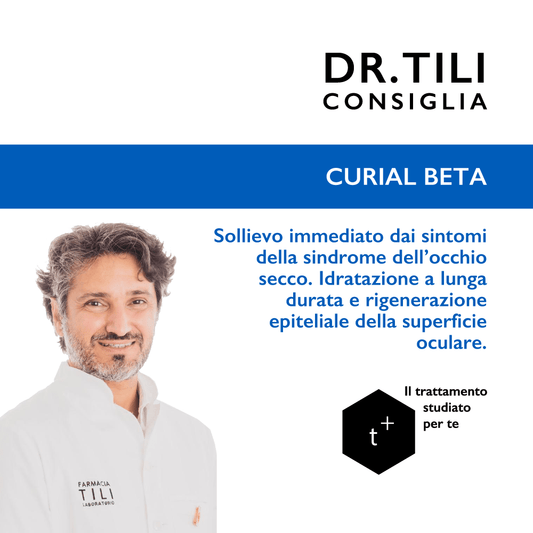
Curial βeta Dry eye supplement 30 capsules Dr.Tili
Vendor:TilpharmaRegular price €22,50Regular priceUnit price per€22,50Sale price €22,50 -
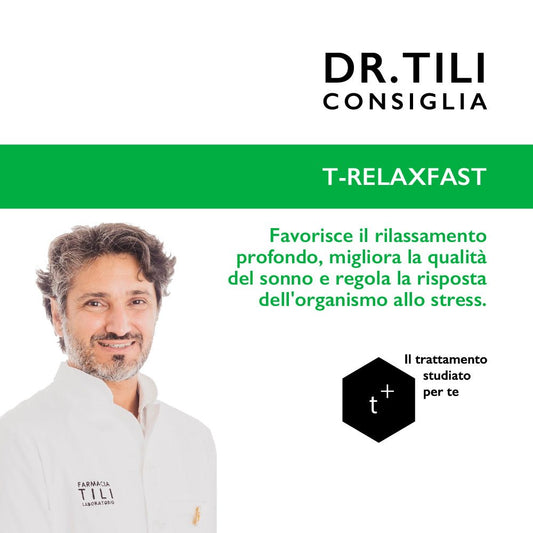
T - Relaxfast Sleep Supplement 60 Capsules Dr.Tili
Vendor:TilpharmaRegular price €24,50Regular priceUnit price per€24,50Sale price €24,50 -
Face Serum C5 Vitamin C 30ml Dr.Tili Skinlab
Vendor:TilabRegular price €62,50Regular priceUnit price per€62,50Sale price €62,50 -
Dr.Tili Skinlab E15 Vitamin E Face Serum 30ml
Vendor:TilabRegular price €32,50Regular priceUnit price per€32,50Sale price €32,50 -
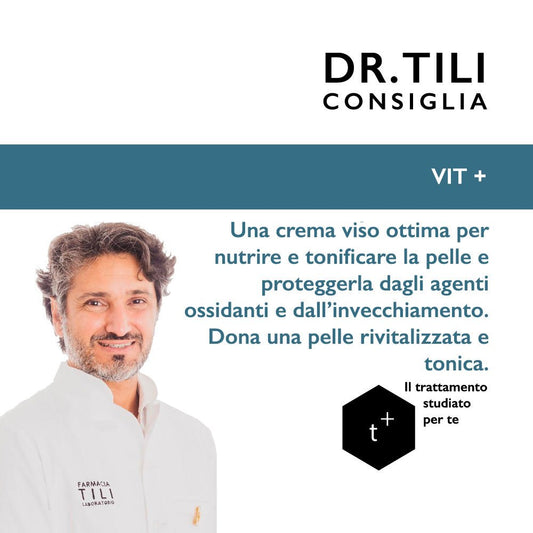
Vit+ Face Vitamin Cream 50ml Dr.Tili Skinlab
Vendor:TilabRegular price €34,00Regular priceUnit price per€34,00Sale price €34,00 -
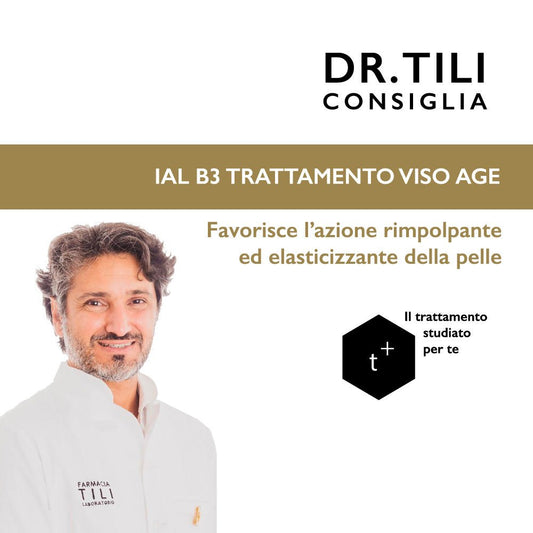
Anti-aging Facial Treatment Hyaluronic Acid IAL B3 30ml Dr.Tili Skinlab
Vendor:TilabRegular price €46,00Regular priceUnit price per€46,00Sale price €46,00 -
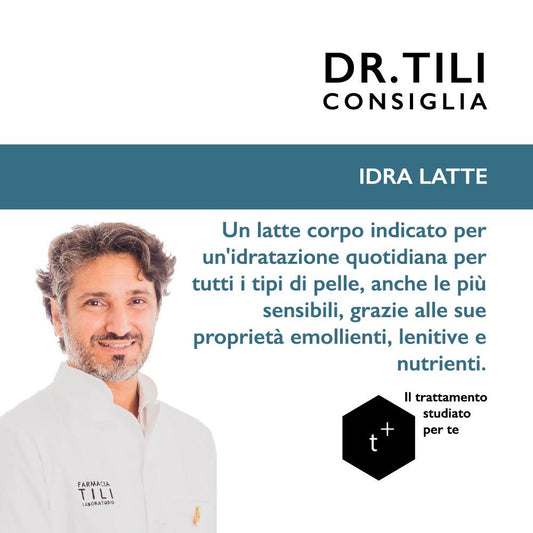
Body Milk Hydra Milk 200Ml. Dr.Tili Skinlab
Vendor:TilabRegular price €16,90Regular priceUnit price per€16,90Sale price €16,90 -
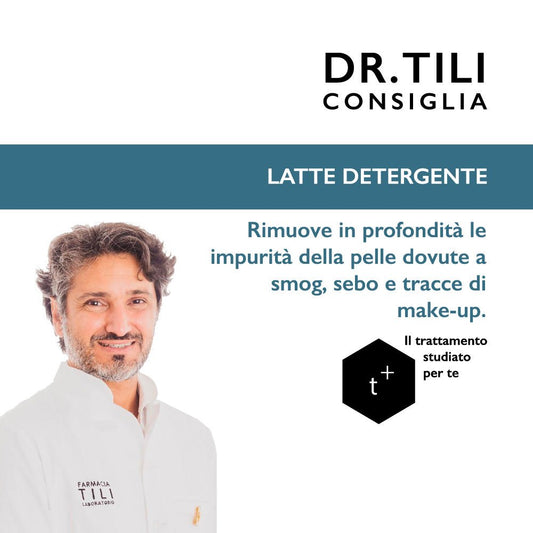
Facial Cleansing Milk 150ml Dr.Tili Skinlab
Vendor:TilabRegular price €18,90Regular priceUnit price per€18,90Sale price €18,90 -
Soothing Facial Toner 125ml Dr.Tili Skinlab
Vendor:TilabRegular price €14,50Regular priceUnit price per€14,50Sale price €14,50 -
Soothing Face Cream 50ml Dr.Tili Skinlab
Vendor:TilabRegular price €19,50Regular priceUnit price per€19,50Sale price €19,50











-

ASSISTANCE - TELEPHONE ORDERS
-

SHIPPING
Shipping to Italy 24/48H
Delivery also on Saturday and Sunday
Free over €49.90
Shipping to Europe 24/72H
Free over €80 -

SAFETY
The security of your data is important to us!
We strictly comply with the European GDPR regarding
Privacy and processing of personal data
The payments you make on our site are 100% safe and guaranteed -

RETURNS
Fast returns via DIY portal and 14 days to change your mind.
Immediate and free replacements for incorrect or non-compliant products delivered.


