

Piam
Muciclar 15 mg/2 ml 30×2 ml nebulising solution
Muciclar 15 mg/2 ml 30×2 ml nebulising solution
Couldn't load pickup availability

NET WEIGHT OF THE PRODUCT
NET WEIGHT OF THE PRODUCT
60ml
EAN
EAN
025009097
MINSAN
MINSAN
025009097

In ottemperanza all'articolo 118 “autorizzazione della pubblicità presso il pubblico” del decreto legislativo 24 aprile 2006, numero 219
INDICATIONS
Secretion disorders in acute and chronic bronchopulmonary diseases.
ACTIVE INGREDIENTS
MUCICLAR 15mg/2ml solution to spray A single-dose container contains: Active ingredient: ambroxol hydrochloride 15 mg. MUCICLAR 15mg/5ml syrup 100ml of syrup contains: Active ingredient: ambroxol hydrochloride 300 mg. MUCICLAR 75mg prolonged release capsules One capsule contains: Active ingredient: ambroxol hydrochloride 75 mg. MUCICLAR 30mg granules for oral solution One sachet contains: Active ingredient: ambroxol hydrochloride 30 mg. For the full list of excipients, see section 6.1.
EXCIPIENTS
Solution to be sprayed: sodium chloride, water for injections. Syrup: sorbitol solution, glycerin, methyl p-hydroxybenzoate, propyl p-hydroxybeanzoate, hydroxyethylcellulose, alcohol, saccharin, raspberry essence, purified water. Capsules: sucrose, starch, natural and artificial resins, talc, polyvinylpyrrolidone. Granulated: sucrose, orange flavour, pineapple flavour.
CONTRAINDICATIONS AND SIDE EFFECTS
Hypersensitivity to ambroxol hydrochloride or to any of the excipients. Severe hepatic and/or renal alterations. Taking the medicine is contraindicated in cases of rare hereditary pathologies which may be incompatible with one of the excipients (see par. 4.4.). The medicine is contraindicated in children under 2 years of age (for oral forms).
DOSAGE
Inhalation use : Muciclar 15 mg/2 ml solution to nebulize: adults: 2–3 single-dose containers per day, children: 1–2 single-dose containers per day. For inhalation use, the contents of a single-dose container of Muciclar can be mixed in the dispensing device with distilled water in a 1:1 ratio, thus obtaining optimal humidification of the air to be breathed. Oral use: Muciclar 15mg/5ml syrup: adults: 5–10 ml of syrup 3 times a day, children over two years of age: 5 ml of syrup 2 or 3 times a day. Muciclar 75mg prolonged release capsules: adults: 2 capsules are recommended in a single administration after breakfast in the morning for 8 days (attack therapy). Subsequently the dosage can be reduced to just one capsule until the end of the treatment. Muciclar 30mg granules for oral solution: adults: one sachet 2–3 times a day.
CONSERVATION
Syrup, capsules, granules for oral solution Store at a temperature not exceeding 25°C. Solution to be sprayed No particular precautions for storage. After opening the aluminum pouch containing the single-dose containers of solution to be nebulised, the medicine must be used within three months; after this period, the unused medicine must be discarded. When using half a dose from the single-dose container, the closed container must be stored at 2 – 8° C (in the refrigerator) for a maximum of 12 hours; after this period the residual medicine must be eliminated.
WARNINGS
Ambroxol should be administered with caution in patients with peptic ulcers. Cases of serious skin reactions such as erythema multiforme, Stevens-Johnson syndrome (SJS)/toxic epidermal necrolysis (TEN) and acute generalized exanthemic pustulosis (AGEP) have been reported associated with the administration of ambroxol. If symptoms or signs of progressive skin rash are present (sometimes associated with blisters or mucosal lesions), treatment with ambroxol should be stopped immediately and a doctor should be consulted. Furthermore, in the initial phase of Stevens-Johnson syndrome or toxic epidermal necrolysis (TEN), patients may initially experience non-specific symptoms similar to those of influenza, such as fever, chills, rhinitis, cough and sore throat. Because of these misleading symptoms, symptomatic treatment with cough and cold therapy may be undertaken. If new lesions of the skin or mucous membranes occur, consult your doctor immediately and discontinue treatment with ambroxol as a precaution. During the administration of the solution to be nebulized, since inhaling the aerosols too deeply can cause irritation cough, you must try to inhale and exhale normally during inhalation. In particularly sensitive patients, pre-warming the inhaled product to body temperature may be recommended. For patients suffering from bronchial asthma it is advisable to use a bronchial spasmolytic before inhalation. In case of mild or moderate renal insufficiency, Muciclar can only be used after consulting your doctor. As with all medicinal products subject to hepatic metabolism and subsequent renal elimination, accumulation of ambroxol metabolites in the liver is to be expected in the presence of severe renal insufficiency. Mucolytics can induce bronchial obstruction in children under 2 years of age. In fact, the drainage capacity of bronchial mucus is limited in this age group, due to the physiological characteristics of the respiratory tract. They must therefore not be used in children under 2 years of age (for oral forms) (see par. 4.3.). Lo syrup contains: – para–hydroxybenzoates: may cause allergic reactions (even delayed). – sorbitol: unsuitable in hereditary fructose intolerance. It can cause gastric upset and diarrhea. – glycerol: dangerous at high doses. It can cause migraines, gastric disorders and diarrhea. Lo syrup it also contains 3 vol % of ethanol (alcohol), e.g. up to 300 mg per dose (maximum dose), equivalent to 6 ml of beer, 2.5 ml of wine per dose. It can be harmful to alcoholics. To be taken into consideration in pregnant or breastfeeding women, children and high-risk groups such as people with liver disease or epilepsy. Le capsules and the granules for oral solution contain sucrose, therefore patients suffering from rare hereditary problems of fructose intolerance, glucose-galactose malabsorption, or sucrase-isomaltase insufficiency should not take this medicine.
INTERACTIONS
Following the administration of ambroxol, the concentrations of antibiotics (amoxicillin, cefuroxime, erythromycin) in bronchopulmonary secretions and saliva are increased. No interactions with other medicinal products have been reported.
SIDE EFFECTS
Side effects listed by frequency are reported, using the following convention: Very common (≥1/10); common (≥1/100, <1/10); uncommon (≥1/1,000, <1/100); rare (≥1/10,000, <1/1,000); very rare (<1/10,000), frequency not known (frequency cannot be estimated from the available data). Immune system disorders Not known: Anaphylactic reactions, including anaphylactic shock, angioedema, pruritus and other hypersensitivity reactions Nervous system disorders Common: Dysgeusia (e.g. changes in the sense of taste) Rare: Headache Respiratory, thoracic and mediastinal disorders Common: Hypoesthesia of the oral cavity and pharynx Rare: Rhinorrhea Not known: Bronchial obstruction Gastrointestinal disorders Common: Nausea Uncommon: Vomiting, diarrhoea, dyspepsia and abdominal pain, dry mouth Rare: Heartburn, constipation Not known: Dry throat Pathologies of the skin and subcutaneous tissue Rare: rash, urticaria, contact dermatitis Not known: serious cutaneous adverse reactions (including erythema multiforme, Stevens-Johnson syndrome/toxic epidermal necrolysis and acute generalized exanthematous pustulosis) Renal and urinary disorders Rare: Dysuria Systemic pathologies and conditions relating to the administration site Rare: Tiredness Reporting of suspected adverse reactions Reporting suspected adverse reactions that occur after authorization of the medicine is important, as it allows continuous monitoring of the benefit/risk balance of the medicine. Healthcare professionals are asked to report any suspected adverse reactions via www.agenziafarmaco.gov.it/it/responsabili.
OVERDOSE
So far, no specific symptoms of overdose have been reported in humans. Symptoms observed in cases of accidental overdose and/or in cases of medication errors are consistent with the expected side effects of Muciclar at recommended doses and may require symptomatic treatment.
PREGNANCY AND BREASTFEEDING
Ambroxol crosses the placental barrier. Animal studies have not shown any directly or indirectly harmful effects on pregnancy, embryonic/foetal development, parturition or post-natal development. Although preclinical studies and extensive clinical experience have not shown any harmful effects on the fetus after 28aweek of gestation, it is advisable to take normal precautions when taking medicines during pregnancy. Especially during the first trimester, taking ambroxol is not recommended. The medicine is excreted in breast milk, therefore the use of ambroxol is not recommended during breastfeeding. However, no negative effect on the infant is conceivable. During pregnancy and breastfeeding, the medicine should be administered only if clearly necessary and under the direct supervision of a doctor.
EFFECTS ON DRIVING ABILITY
There is no demonstration of an effect on the ability to drive vehicles and use machines. No studies on the effects on the ability to drive and use machines have been performed.
OUR PRODUCTS FOR THIS SEASON
-
Curial βeta Dry eye supplement 30 capsules Dr.Tili
Vendor:TilpharmaRegular price €22,50Regular priceUnit price per€22,50Sale price €22,50 -
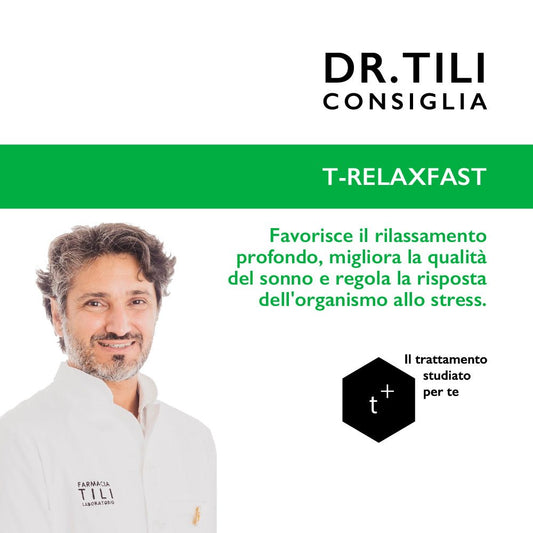
T - Relaxfast Sleep Supplement 60 Capsules Dr.Tili
Vendor:TilpharmaRegular price €24,50Regular priceUnit price per€24,50Sale price €24,50 -
Face Serum C5 Vitamin C 30ml Dr.Tili Skinlab
Vendor:TilabRegular price €62,50Regular priceUnit price per€62,50Sale price €62,50 -
Dr.Tili Skinlab E15 Vitamin E Face Serum 30ml
Vendor:TilabRegular price €32,50Regular priceUnit price per€32,50Sale price €32,50 -
Vit+ Face Vitamin Cream 50ml Dr.Tili Skinlab
Vendor:TilabRegular price €34,00Regular priceUnit price per€34,00Sale price €34,00 -
Anti-aging Facial Treatment Hyaluronic Acid IAL B3 30ml Dr.Tili Skinlab
Vendor:TilabRegular price €46,00Regular priceUnit price per€46,00Sale price €46,00 -
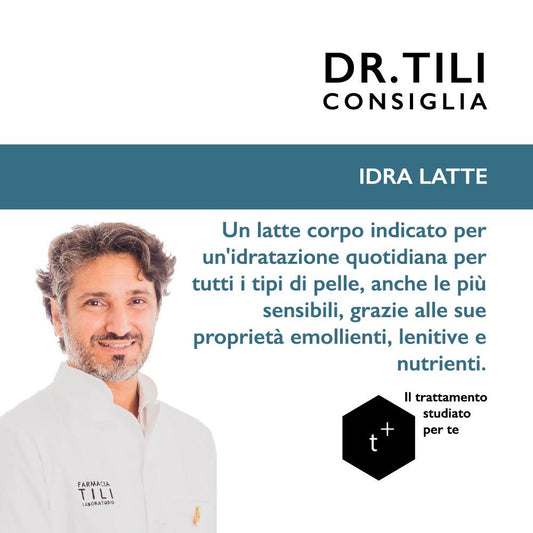
Body Milk Hydra Milk 200Ml. Dr.Tili Skinlab
Vendor:TilabRegular price €16,90Regular priceUnit price per€16,90Sale price €16,90 -
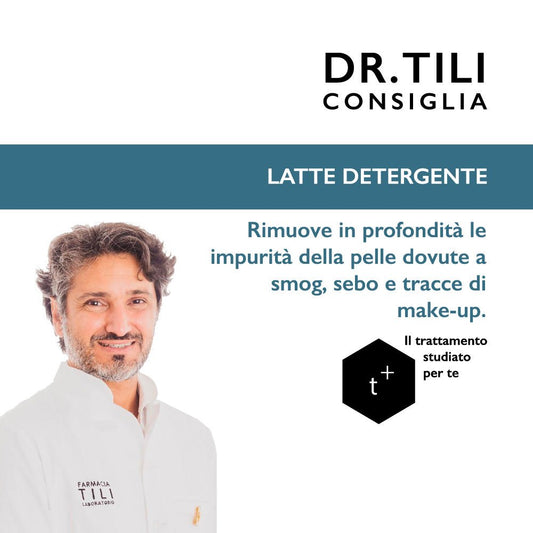
Facial Cleansing Milk 150ml Dr.Tili Skinlab
Vendor:TilabRegular price €18,90Regular priceUnit price per€18,90Sale price €18,90 -
Soothing Facial Toner 125ml Dr.Tili Skinlab
Vendor:TilabRegular price €14,50Regular priceUnit price per€14,50Sale price €14,50 -
Soothing Face Cream 50ml Dr.Tili Skinlab
Vendor:TilabRegular price €19,50Regular priceUnit price per€19,50Sale price €19,50














-

ASSISTANCE - TELEPHONE ORDERS
-

SHIPPING
Shipping to Italy 24/48H
Delivery also on Saturday and Sunday
Free over €49.90
Shipping to Europe 24/72H
Free over €80 -

SAFETY
The security of your data is important to us!
We strictly comply with the European GDPR regarding
Privacy and processing of personal data
The payments you make on our site are 100% safe and guaranteed -

RETURNS
Fast returns via DIY portal and 14 days to change your mind.
Immediate and free replacements for incorrect or non-compliant products delivered.


