

Savoma
Metronidazole Same 1% 30g gel
Metronidazole Same 1% 30g gel
Couldn't load pickup availability

NET WEIGHT OF THE PRODUCT
NET WEIGHT OF THE PRODUCT
30g
EAN
EAN
028523013
MINSAN
MINSAN
028523013

In ottemperanza all'articolo 118 “autorizzazione della pubblicità presso il pubblico” del decreto legislativo 24 aprile 2006, numero 219
INDICATIONS
METRONIDAZOLE SAME is indicated for topical application in the treatment of inflammatory papules, pustules and erythema of rosacea.
ACTIVE INGREDIENTS
100 g of gel contains: Active ingredient: METRONIDAZOLE 1.0 g. Excipient with known effects: methyl parahydroxybenzoate (E218) (0.18 g per 100 g). For the full list of excipients, see section 6.1.
EXCIPIENTS
Octyldodecanol, caprylocaproyl macrogol-8 glycerides, carbomer, methyl parahydroxybenzoate (E218), sodium hydroxide, sodium edetate, purified water.
CONTRAINDICATIONS AND SIDE EFFECTS
Hypersensitivity to the active substance or to any of the excipients. Contraindicated during pregnancy and breastfeeding (see p.4.6).
DOSAGE
Apply 1-2 times a day, according to medical indications and after cleansing the affected areas, a thin layer of METRONIDAZOLE SAME. Significant therapeutic results should be observed within three weeks of starting treatment. Clinical studies have demonstrated progressive improvement for up to nine weeks of therapy. After applying METRONIDAZOLE SAME it is possible to use cosmetics.
CONSERVATION
Do not freeze or refrigerate.
WARNINGS
However, due to the minimal absorption of Metronidazole applied locally and, consequently, the negligible plasma concentrations, the side effects reported following oral administration of the drug were not recorded following topical application. Avoid contact with eyes and mucous membranes; Metronidazole applied to the face has been reported to cause tearing. In case of contact with eyes, the gel must be carefully removed with water. The patient should be informed that if irritation occurs, he or she should use Metronidazole Same less frequently or temporarily suspend therapy and inform the doctor. Avoid exposure to ultraviolet light (sun, UV lamps, tanning equipment) during therapy with Metronidazole Same. Since the drug is a nitroimidazole derivative it must be used with caution in patients presenting with blood dyscrasias or with anamnestic data relating to them. The product must be used according to the instructions provided by the treating doctor. Do not exceed the recommended doses. The use, especially if prolonged, of products for topical use can give rise to sensitization phenomena. There are no adequate clinical data on the efficacy and safety of Metronidazole Same in children, therefore Metronidazole Same should not be used in children. Do not ingest. Keep out of reach of children. This medicine contains methyl parahydroxybenzoate, which may cause allergic reactions (possibly delayed).
INTERACTIONS
In consideration of the low blood levels resulting from the topical application of Metronidazole, interactions with other drugs are unlikely. However, it must be remembered that disulfiram-like reactions have been reported in a small number of patients taking metronidazole and alcohol at the same time and in the case of treatment of patients undergoing anticoagulant therapy at the same time, it must be kept in mind that Metronidazole, following oral administration, determines an enhancement of the anticoagulant effects of coumarins and warfarin which manifests itself by inducing a prolongation of the prothrombin time. The effect of topical metronidazole on prothrombin time is not known.
SIDE EFFECTS
Following the use of topical Metronidazole, the following side effects have been reported: Skin and subcutaneous tissue disorders: contact dermatitis, dry skin, erythema, itching, rash, skin discomfort (burning and stinging sensation), skin irritation, transient redness and worsening of rosacea. Eye disorders: tearing. None of these side effects occurred in more than 2% of treated patients. Reporting of suspected adverse reactions Reporting suspected adverse reactions that occur after authorization of the medicine is important, as it allows continuous monitoring of the benefit/risk balance of the medicine. Healthcare professionals are asked to report any suspected adverse reactions via the national reporting system at www.aifa.gov.it/content/segnalazioni-reazioni-avverse
OVERDOSE
No cases of overdose have been reported following topical application of Metronidazole.
PREGNANCY AND BREASTFEEDING
The safety of use of metronidazole during pregnancy has not been sufficiently demonstrated. Conflicting reports are available, especially regarding the early stage of pregnancy. Some studies have given indications of an increased rate of malformations. The risk of possible sequelae, including a carcinogenic risk, has not yet been clarified. Metronidazole Same is contraindicated during the first trimester of pregnancy. During the middle trimester and during the last trimester of pregnancy, Metronidazole Same should be administered only in case of failure of other treatments. Following oral administration, Metronidazole is secreted into breast milk in concentrations similar to those found in plasma. Following topical application the drug reaches plasma levels significantly lower than those obtained after oral administration, therefore the treating doctor will have to decide whether to interrupt breastfeeding or treatment with the drug by appropriately evaluating the importance of the therapeutic treatment for the mother.
EFFECTS ON DRIVING ABILITY
Metronidazole Same does not affect the ability to drive or use machines.
OUR PRODUCTS FOR THIS SEASON
-
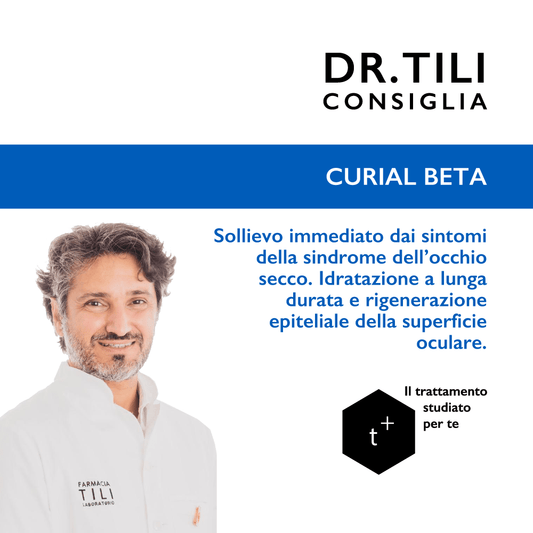
Curial βeta Dry eye supplement 30 capsules Dr.Tili
Vendor:TilpharmaRegular price €22,50Regular priceUnit price per€22,50Sale price €22,50 -
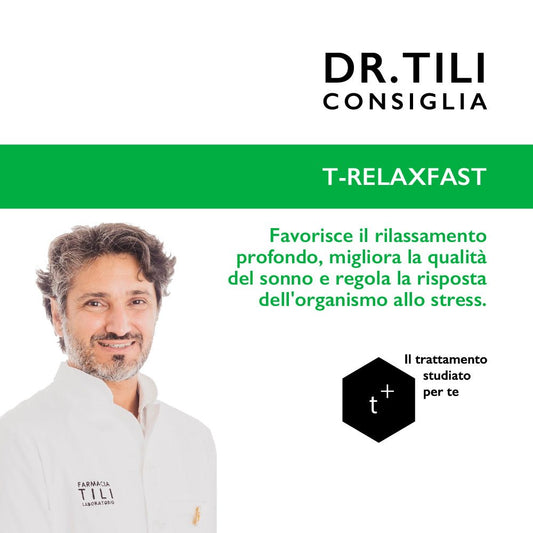
T - Relaxfast Sleep Supplement 60 Capsules Dr.Tili
Vendor:TilpharmaRegular price €24,50Regular priceUnit price per€24,50Sale price €24,50 -
Face Serum C5 Vitamin C 30ml Dr.Tili Skinlab
Vendor:TilabRegular price €62,50Regular priceUnit price per€62,50Sale price €62,50 -
Dr.Tili Skinlab E15 Vitamin E Face Serum 30ml
Vendor:TilabRegular price €32,50Regular priceUnit price per€32,50Sale price €32,50 -
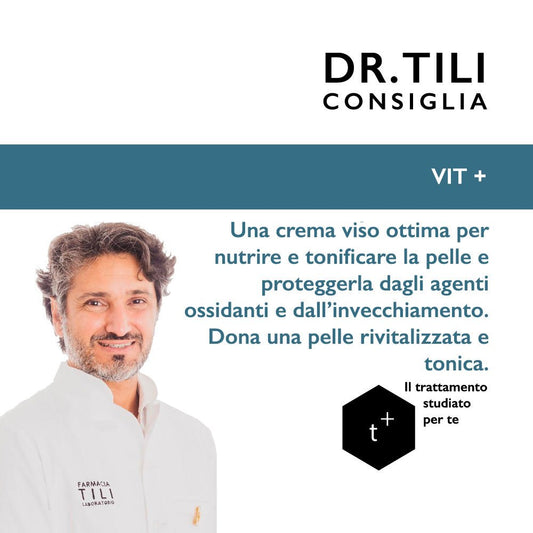
Vit+ Face Vitamin Cream 50ml Dr.Tili Skinlab
Vendor:TilabRegular price €34,00Regular priceUnit price per€34,00Sale price €34,00 -
Anti-aging Facial Treatment Hyaluronic Acid IAL B3 30ml Dr.Tili Skinlab
Vendor:TilabRegular price €46,00Regular priceUnit price per€46,00Sale price €46,00 -
Body Milk Hydra Milk 200Ml. Dr.Tili Skinlab
Vendor:TilabRegular price €16,90Regular priceUnit price per€16,90Sale price €16,90 -
Facial Cleansing Milk 150ml Dr.Tili Skinlab
Vendor:TilabRegular price €18,90Regular priceUnit price per€18,90Sale price €18,90 -
Soothing Facial Toner 125ml Dr.Tili Skinlab
Vendor:TilabRegular price €14,50Regular priceUnit price per€14,50Sale price €14,50 -
Soothing Face Cream 50ml Dr.Tili Skinlab
Vendor:TilabRegular price €19,50Regular priceUnit price per€19,50Sale price €19,50











-

ASSISTANCE - TELEPHONE ORDERS
-

SHIPPING
Shipping to Italy 24/48H
Delivery also on Saturday and Sunday
Free over €49.90
Shipping to Europe 24/72H
Free over €80 -

SAFETY
The security of your data is important to us!
We strictly comply with the European GDPR regarding
Privacy and processing of personal data
The payments you make on our site are 100% safe and guaranteed -

RETURNS
Fast returns via DIY portal and 14 days to change your mind.
Immediate and free replacements for incorrect or non-compliant products delivered.


