

Haleon
Magnesia Bisurata Aromatic 40 tablets
Magnesia Bisurata Aromatic 40 tablets
Couldn't load pickup availability

NET WEIGHT OF THE PRODUCT
NET WEIGHT OF THE PRODUCT
40ct
EAN
EAN
005781036
MINSAN
MINSAN
005781036

In compliance with article 118 "authorization of advertising to the public" of the legislative decree of 24 April 2006, number 219
INDICATIONS
Symptomatic treatment of upper digestive tract pathologies characterized by hyperacidity.
CONTRAINDICATIONS
Hypersensitivity to the active substances or to any of the excipients, listed in paragraph 6.1. Renal failure. Do not administer simultaneously with tetracyclines (see section 4.5). Do not administer other drugs within 1 or 2 hours of using the product (see section 4.5). Administration of the medicine in pediatric age is not recommended.
WARNINGS AND PRECAUTIONS FOR USE
In patients with severe renal insufficiency, plasma magnesium levels tend to increase. In these patients, long exposures to high doses of magnesium can lead to encephalopathy or worsening of dialysis-induced osteomalacia. Generally, caution should be exercised in patients with impaired renal function. In these patients, plasma calcium and magnesium levels should be monitored regularly. Important information about some excipients Magnesia Bisurata Aromatic contains sucrose. Patients suffering from rare hereditary problems of fructose intolerance, glucose-galactose malabsorption, or sucrase isomaltase insufficiency should not take this medicine. Magnesia Bisurata Aromatic contains less than 1 mmol (23 mg) sodium per tablet, i.e. essentially 'sodium-free'.
INTERACTIONS
It should be kept in mind that antacids can, through different mechanisms, interfere with the oral administration of other drugs. In particular, the simultaneous administration of tetracyclines can give rise to insoluble complexes, with a reduction in the absorption of these antibiotics. However, it is advisable not to administer other drugs within 1 or 2 hours of using the product. Associations to avoid: tetracyclines: formation of insoluble complexes with reduction in the absorption and activity of these antibiotics. Association not recommended: quinidine: increased plasma levels of quinidine and risk of overdose due to decreased excretion. Associations that require precautions for use: indomethacin, phosphorus, dexamethasone, digitalis, iron salts, nitrofurantoin, lincomycin.
SIDE EFFECTS
Based on the available bibliographic data, there are no known side effects related to the specialty. Reporting of suspected adverse reactions. Reporting suspected adverse reactions that occur after authorization of the medicine is important, as it allows continuous monitoring of the benefit/risk balance of the medicine. Healthcare professionals are asked to report any suspected adverse reactions via the national reporting system at https://www.aifa.gov.it/content/segnalazioni-reazioni-avverse.
OUR PRODUCTS FOR THIS SEASON
-
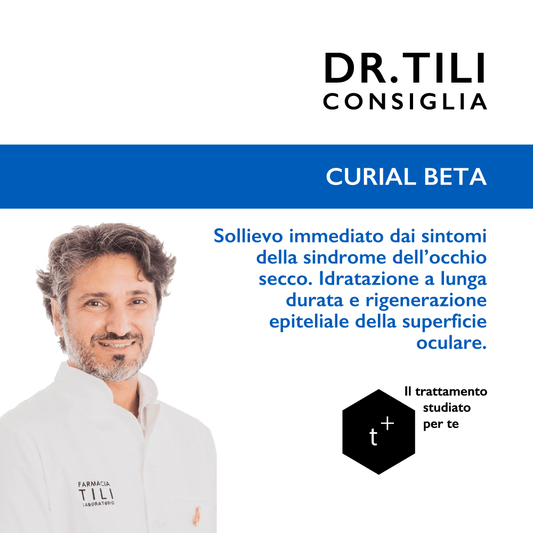
Curial βeta Dry eye supplement 30 capsules Dr.Tili
Vendor:TilpharmaRegular price €22,50Regular priceUnit price per€22,50Sale price €22,50 -
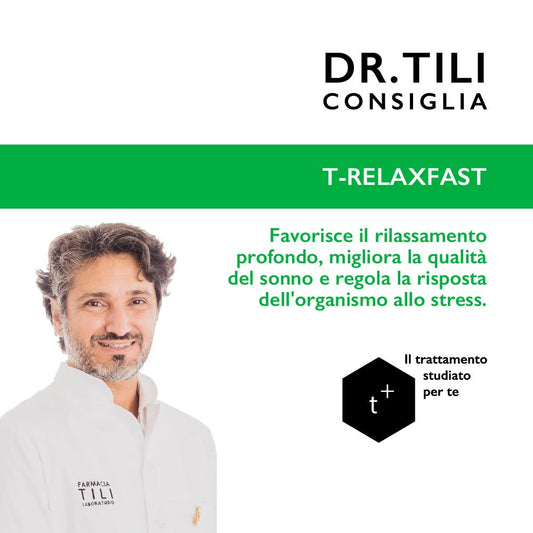
T - Relaxfast Sleep Supplement 60 Capsules Dr.Tili
Vendor:TilpharmaRegular price €24,50Regular priceUnit price per€24,50Sale price €24,50 -
Face Serum C5 Vitamin C 30ml Dr.Tili Skinlab
Vendor:TilabRegular price €62,50Regular priceUnit price per€62,50Sale price €62,50 -
Dr.Tili Skinlab E15 Vitamin E Face Serum 30ml
Vendor:TilabRegular price €32,50Regular priceUnit price per€32,50Sale price €32,50 -
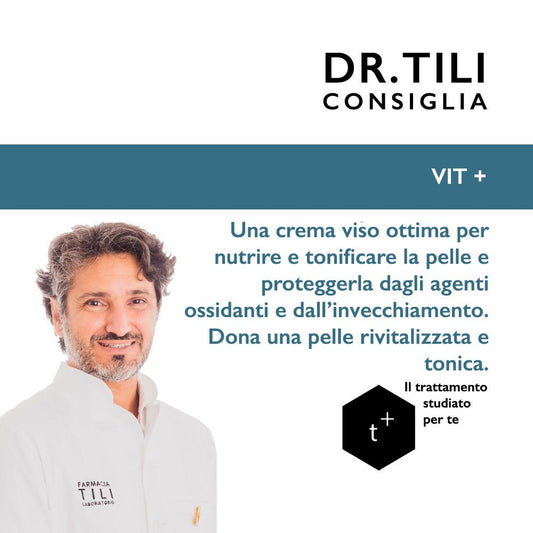
Vit+ Face Vitamin Cream 50ml Dr.Tili Skinlab
Vendor:TilabRegular price €34,00Regular priceUnit price per€34,00Sale price €34,00 -
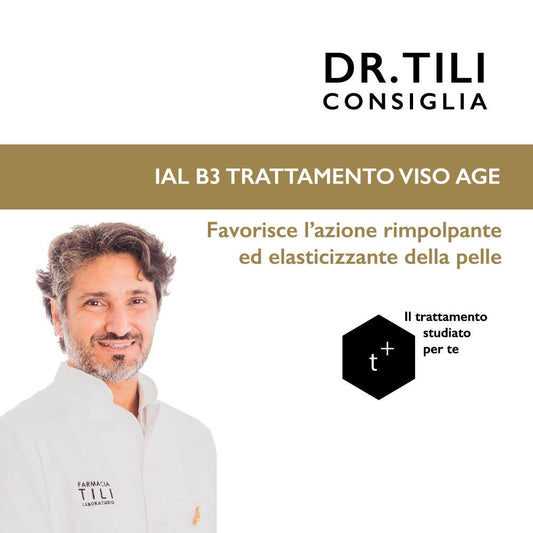
Anti-aging Facial Treatment Hyaluronic Acid IAL B3 30ml Dr.Tili Skinlab
Vendor:TilabRegular price €46,00Regular priceUnit price per€46,00Sale price €46,00 -
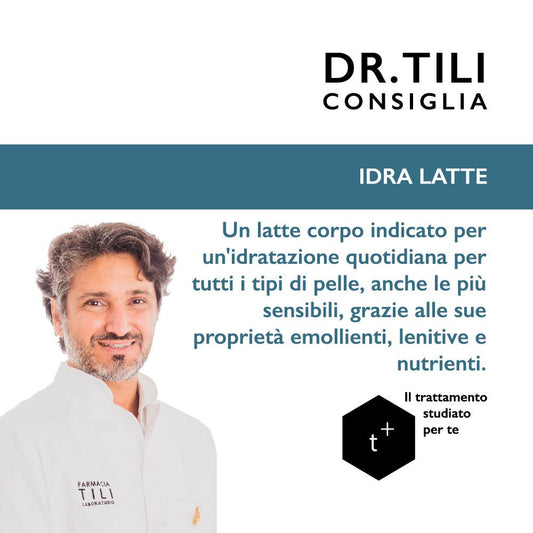
Body Milk Hydra Milk 200Ml. Dr.Tili Skinlab
Vendor:TilabRegular price €16,90Regular priceUnit price per€16,90Sale price €16,90 -
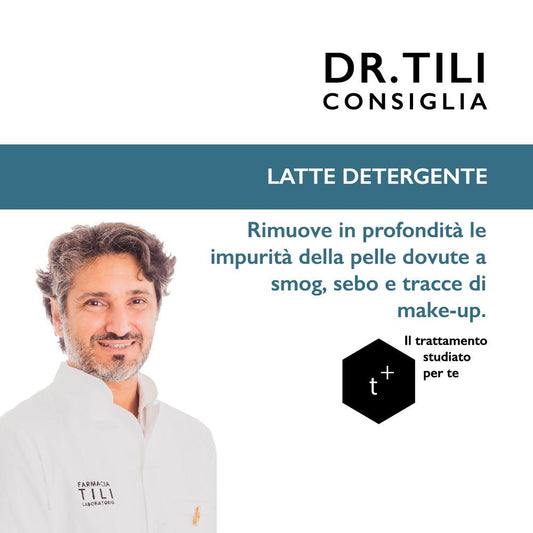
Facial Cleansing Milk 150ml Dr.Tili Skinlab
Vendor:TilabRegular price €18,90Regular priceUnit price per€18,90Sale price €18,90 -
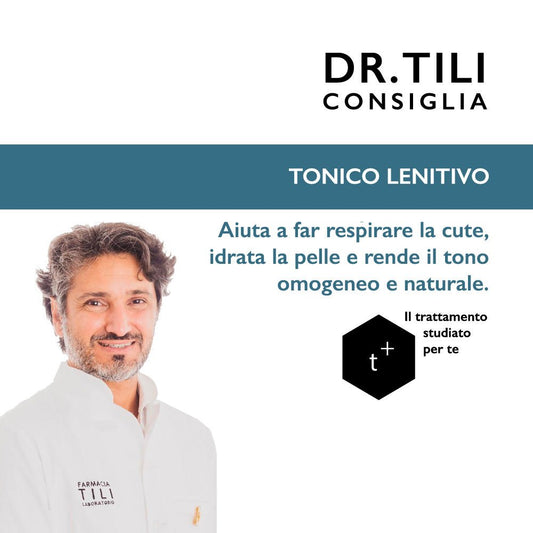
Soothing Facial Toner 125ml Dr.Tili Skinlab
Vendor:TilabRegular price €14,50Regular priceUnit price per€14,50Sale price €14,50 -
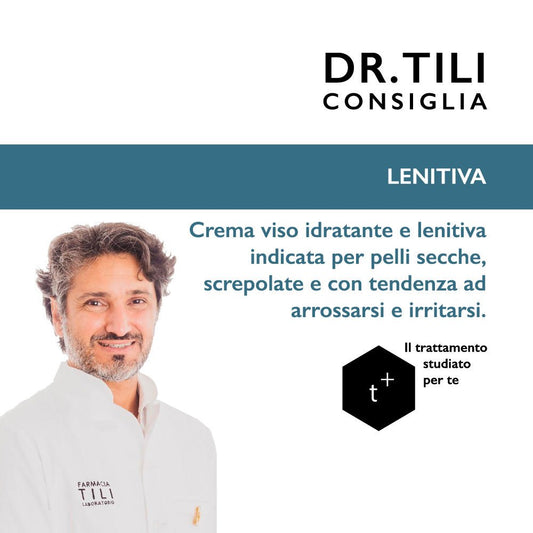
Soothing Face Cream 50ml Dr.Tili Skinlab
Vendor:TilabRegular price €19,50Regular priceUnit price per€19,50Sale price €19,50









-

ASSISTANCE - TELEPHONE ORDERS
-

SHIPPING
Shipping to Italy 24/48H
Delivery also on Saturday and Sunday
Free over €49.90
Shipping to Europe 24/72H
Free over €80 -

SAFETY
The security of your data is important to us!
We strictly comply with the European GDPR regarding
Privacy and processing of personal data
The payments you make on our site are 100% safe and guaranteed -

RETURNS
Fast returns via DIY portal and 14 days to change your mind.
Immediate and free replacements for incorrect or non-compliant products delivered.


