

Recordati
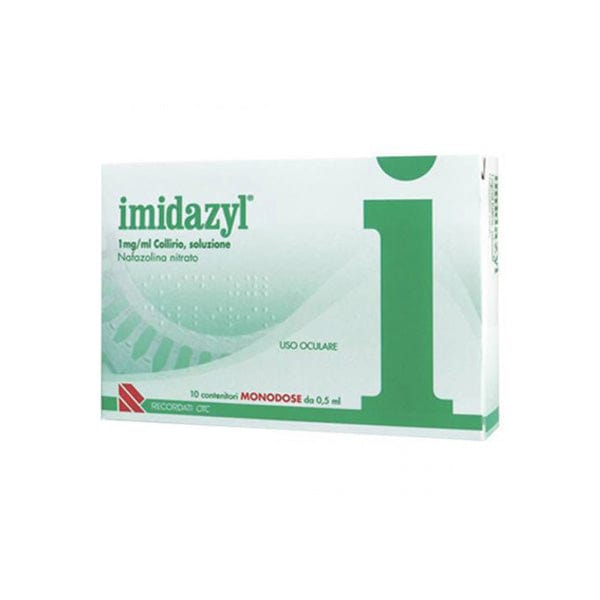
Imidazyl Eye Drops 10 Single Dose Vials 1 mg/ml
Imidazyl Eye Drops 10 Single Dose Vials 1 mg/ml
Couldn't load pickup availability

NET WEIGHT OF THE PRODUCT
NET WEIGHT OF THE PRODUCT
5ml
EAN
EAN
003410065
MINSAN
MINSAN
003410065
In compliance with article 118 "authorization of advertising to the public" of the legislative decree of 24 April 2006, number 219
INDICATIONS
In allergic and inflammatory states of the conjunctiva characterized by a burning sensation, even from external agents, associated with excessive tearing, photophobia, hyperemia.
CONTRAINDICATIONS
Hypersensitivity to the active ingredient or to any of the excipients listed in paragraph 6.1 or to other closely related substances from a chemical point of view; in particular towards xylometazoline, oxymetazoline, tetrizoline. Narrow-angle glaucoma or other serious eye diseases. Children under 12 years old. Simultaneous treatment with monoamine oxidase inhibitor drugs (see section 4.5).
WARNINGS AND PRECAUTIONS FOR USE
The product, although presenting very little systemic absorption, must be used with caution in subjects suffering from hypertension, hyperthyroidism, cardiac disorders, bronchial asthma and hyperglycemia (diabetes). The product should be kept out of the reach of children as accidental ingestion can cause CNS depression. (marked sedation and hypotonia), coma. In these cases, immediate medical assistance is always necessary. The product is not suitable for the treatment of infections, mechanical (trauma), chemical or heat damage or for eliminating foreign bodies in the eye. These situations require medical attention. Imidazyl 10 ml bottle contains benzalkonium chloride. May cause eye irritation during treatment, soft contact lenses should not be worn. Since benzalkonium chloride is not present in the single-dose package, this can be used by contact lens wearers, or by those who show hypersensitivity to benzalkonium chloride.
INTERACTIONS
Imidazyl must not be used if you are taking monoamine oxidase inhibitor drugs or if less than two weeks have passed since the last administration of these medicines as serious hypertensive crises may occur.
SIDE EFFECTS
The use of the product can sometimes cause pupillary dilation, systemic effects from absorption (hypertension, cardiac disorders, hyperglycemia), increased intraocular pressure, nausea, headache. Rarely, hypersensitivity phenomena may occur. In this case it is necessary to interrupt the treatment and institute suitable therapy. Reporting of suspected adverse reactions Reporting suspected adverse reactions that occur after authorization of the medicine is important, as it allows continuous monitoring of the benefit/risk balance of the medicine. Healthcare professionals are asked to report any suspected adverse reactions via the national reporting system at www.agenziafarmaco.gov.it/it/responsabili.
OUR PRODUCTS FOR THIS SEASON
-
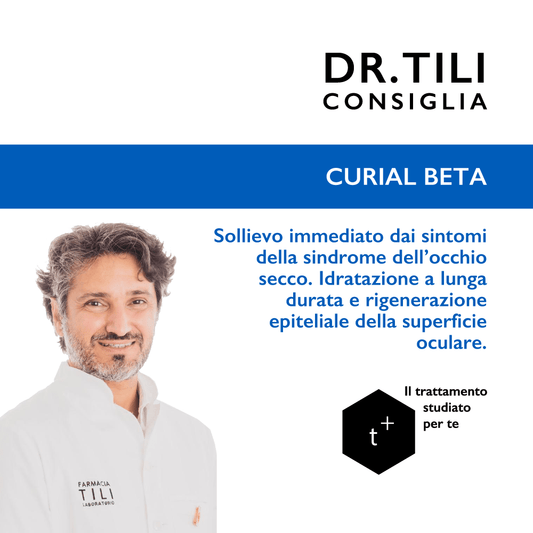
Curial βeta Dry eye supplement 30 capsules Dr.Tili
Vendor:TilpharmaRegular price €22,50Regular priceUnit price per€22,50Sale price €22,50 -
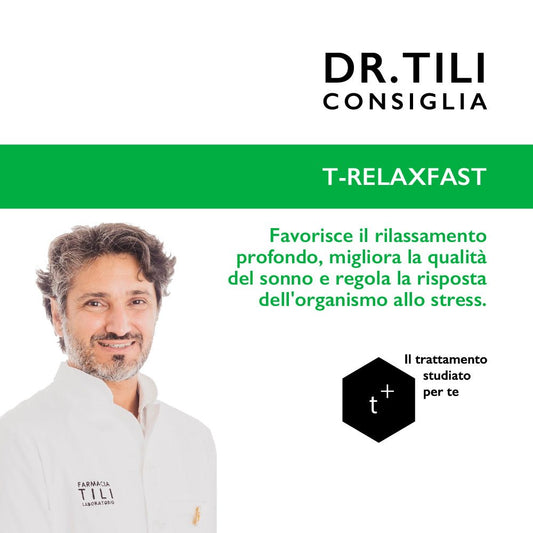
T - Relaxfast Sleep Supplement 60 Capsules Dr.Tili
Vendor:TilpharmaRegular price €24,50Regular priceUnit price per€24,50Sale price €24,50 -
Face Serum C5 Vitamin C 30ml Dr.Tili Skinlab
Vendor:TilabRegular price €62,50Regular priceUnit price per€62,50Sale price €62,50 -
Dr.Tili Skinlab E15 Vitamin E Face Serum 30ml
Vendor:TilabRegular price €32,50Regular priceUnit price per€32,50Sale price €32,50 -
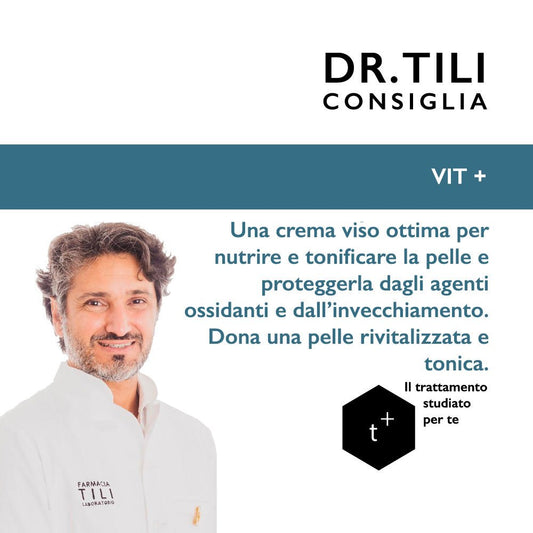
Vit+ Face Vitamin Cream 50ml Dr.Tili Skinlab
Vendor:TilabRegular price €34,00Regular priceUnit price per€34,00Sale price €34,00 -
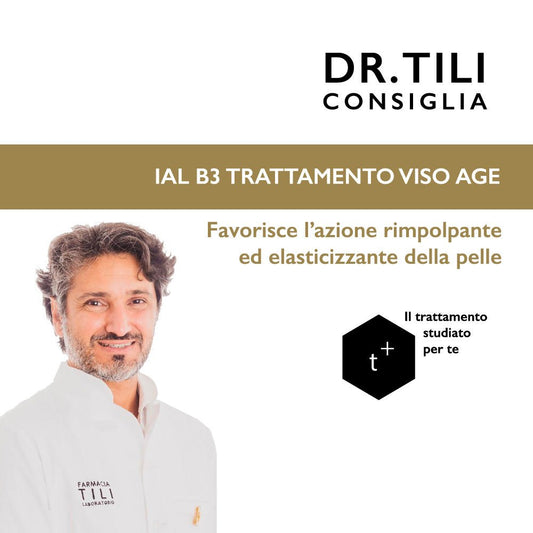
Anti-aging Facial Treatment Hyaluronic Acid IAL B3 30ml Dr.Tili Skinlab
Vendor:TilabRegular price €46,00Regular priceUnit price per€46,00Sale price €46,00 -
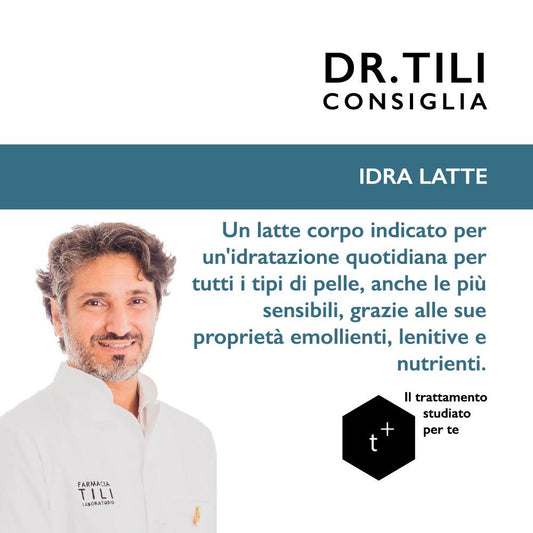
Body Milk Hydra Milk 200Ml. Dr.Tili Skinlab
Vendor:TilabRegular price €16,90Regular priceUnit price per€16,90Sale price €16,90 -
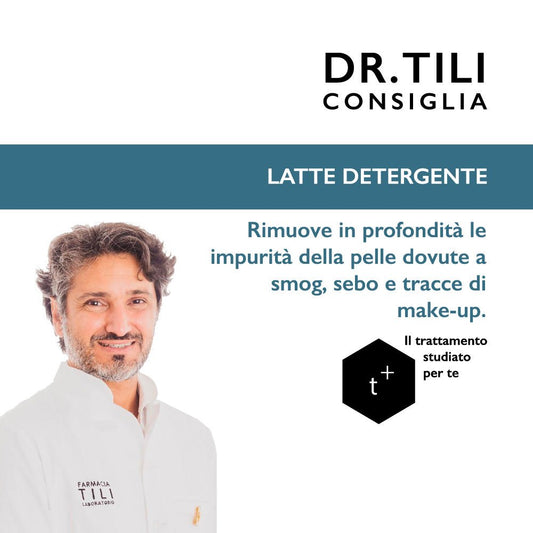
Facial Cleansing Milk 150ml Dr.Tili Skinlab
Vendor:TilabRegular price €18,90Regular priceUnit price per€18,90Sale price €18,90 -
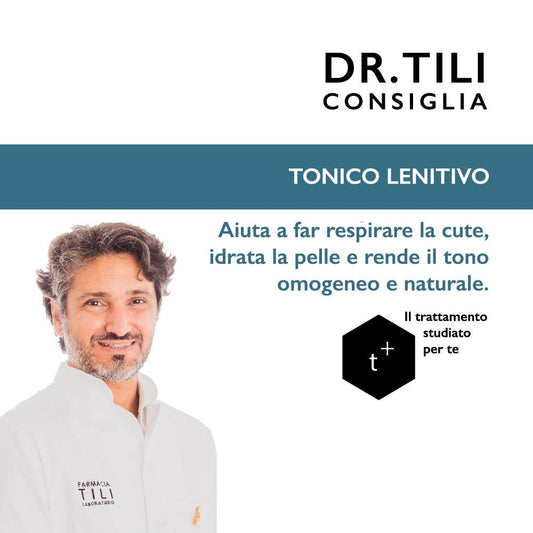
Soothing Facial Toner 125ml Dr.Tili Skinlab
Vendor:TilabRegular price €14,50Regular priceUnit price per€14,50Sale price €14,50 -
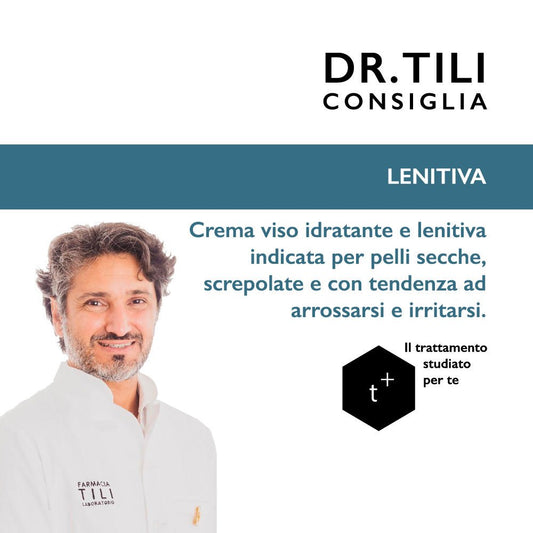
Soothing Face Cream 50ml Dr.Tili Skinlab
Vendor:TilabRegular price €19,50Regular priceUnit price per€19,50Sale price €19,50









-

ASSISTANCE - TELEPHONE ORDERS
-

SHIPPING
Shipping to Italy 24/48H
Delivery also on Saturday and Sunday
Free over €49.90
Shipping to Europe 24/72H
Free over €80 -

SAFETY
The security of your data is important to us!
We strictly comply with the European GDPR regarding
Privacy and processing of personal data
The payments you make on our site are 100% safe and guaranteed -

RETURNS
Fast returns via DIY portal and 14 days to change your mind.
Immediate and free replacements for incorrect or non-compliant products delivered.


