

Bayer
Geffer Effervescent Granules 24 Sachets 5 g
Geffer Effervescent Granules 24 Sachets 5 g
Couldn't load pickup availability

NET WEIGHT OF THE PRODUCT
NET WEIGHT OF THE PRODUCT
120g
EAN
EAN
023358068
MINSAN
MINSAN
023358068

In ottemperanza all'articolo 118 “autorizzazione della pubblicità presso il pubblico” del decreto legislativo 24 aprile 2006, numero 219
INDICATIONS
Symptomatic treatment of hyperacidity (pain and heartburn), when accompanied by slowing of gastric transit, nausea, aerophagia and meteorism.
ACTIVE INGREDIENTS
Each sachet of effervescent granules contains: active ingredients: metoclopramide hydrochloride 5 mg, dimethicone 50 mg, potassium citrate 94.45 mg, citric acid 670 mg, tartaric acid 152 mg, sodium bicarbonate 1050 mg. For the full list of excipients, see section 6.1.
EXCIPIENTS
Orange flavour, sucrose
CONTRAINDICATIONS AND SIDE EFFECTS
Hypersensitivity to any of the active substances or excipients. Patients suffering from glaucoma, pheochromocytoma, epileptic disease, Parkinson's disease and other established extrapyramidal diseases or undergoing therapy with anticholinergics. Cases in which the stimulation of intestinal motility may prove dangerous, for example in the presence of gastrointestinal haemorrhage, perforation, mechanical obstruction. Patients suffering from Porphyria. Children under 16 years old. Pregnancy and breastfeeding (see section 4.6).
DOSAGE
1 sachet in half a glass of water before meals or at the onset of symptoms, 2-3 times a day. Do not exceed the recommended doses: elderly patients in particular must adhere to the minimum dosages indicated above. The use of the product is limited to adult patients.
CONSERVATION
Store at a temperature not exceeding 25°C
WARNINGS
Avoid the simultaneous administration of neuroleptics - phenothiazines, butyrophenones, thioxanthenes, etc. - sedatives and alcohol (see section 4.5). Neuroleptic malignant syndrome has been reported with metoclopramide both as monotherapy and in combination with neuroleptics (see section 4.8). If symptoms of neuroleptic malignant syndrome appear, metoclopramide should be discontinued immediately and appropriate treatment instituted. The use of the product can give rise to disturbances that alter the normal state of vigilance; patients involved in driving motor vehicles or operating potentially dangerous machinery should take this into account (see paragraph 4.7). After a maximum of 3 days of treatment without appreciable results, consult your doctor. Elderly patients must not exceed 3 days of consecutive treatment (see section 4.8) and must adhere to the minimum dosages indicated (see section 4.2). Important information about some excipients. This medicine contains 288 mg sodium per sachet, equivalent to 14.4% of the WHO recommended maximum daily intake of 2 g sodium per day for an adult. The medicine contains sucrose: Patients with rare hereditary problems of fructose intolerance, glucose-galactose malabsorption, or sucrase isomaltase insufficiency should not take this medicine.
INTERACTIONS
The sedative effects of metoclopramide are enhanced by alcohol. Anticholinergics and morphine derivatives antagonize the effect of metoclopramide on intestinal motility. The sedative effects of CNS depressant drugs (morphine derivatives, hypno-inducers, anxiolytics, sedative antihistamines, sedative antidepressants, barbiturates, etc.) and of metoclopramide are enhanced. The association of metoclopramide with drugs inducing extrapyramidal effects such as phenothiazines, butyrophenones and thioxanthenes should be avoided (in particular the activity of phenothiazines is increased, regardless of the appearance or strengthening of extrapyramidal effects). It increases the effects of MAOIs, sympathomimetics, tricyclic antidepressants. Due to the prokinetic effect of metoclopramide, the absorption of some drugs may be altered. Metoclopramide may reduce the bioavailability of digoxin, while increasing the bioavailability of ciclosporin. Reduces the CNS effects of apomorphine. It reduces the bioavailability of cimetidine by an average of approximately 22%, without however causing clinically relevant consequences. Metoclopramide interacts with serotonergic drugs (e.g. selective serotonin reuptake inhibitors), increasing the risk of serotonin syndrome.
SIDE EFFECTS
The following side effects may occur following the use of Geffer: • With frequency: rare ≥1/10,000, <1/1,000 Systemic pathologies: Tiredness Endocrine disorders: Hypertensive crises, sometimes with fatal outcomes, have been reported in patients with pheochromocytoma; therefore the use of Geffer is contraindicated in these patients. Following the use of the product, in relation to the prolactin secretion-promoting activity of metoclopramide, the following may occur: hyperprolactinemia, menstrual cycle disorders, galactorrhea and gynecomastia in men. Nervous system disorders: Drowsiness, tiredness, dizziness and various types of extrapyramidal reactions, normally dystonic, have been reported with the use of metoclopramide. They may include facial spasms, trismus, extra-ocular muscle spasms with oculogyric crises, abnormal head positions; these reactions usually regress 24 hours after stopping treatment. The development of tardive dyskinesia, potentially irreversible, has been reported in some elderly patients treated for prolonged periods; therefore, in elderly patients, therapies that last longer than 3 days should be absolutely avoided. Metabolism and nutrition disorders: Cases of porphyria have been reported • With unknown frequency (frequency cannot be estimated from available data) Nervous system disorders: Neuroleptic malignant syndrome (see section 4.4) Vascular pathologies: Transient increase in blood pressure Reporting of suspected adverse reactions. Reporting suspected adverse reactions that occur after authorization of the medicine is important, as it allows continuous monitoring of the benefit/risk balance of the medicine. Healthcare professionals are asked to report any suspected adverse reactions via the national reporting system at http://www.agenziafarmaco.gov.it/content/come-segnalare-una-sospetti-reazione-avversa.
OVERDOSE
Metoclopramide can induce neurodystonic-type reactions, drowsiness, disorientation, especially at plasma levels > 100 ng/ml. Dyskinesias that respond to treatment with diazepam or anticholinergics may occur. Prolonged use of metoclopramide can also cause galactorrhea and amenorrhea, linked to the stimulation of prolactin secretion.
PREGNANCY AND BREASTFEEDING
The product must not be used during pregnancy and breastfeeding (see section 4.3).
EFFECTS ON DRIVING ABILITY
Metoclopramide, at high doses, can decrease the state of vigilance; this should be taken into account when driving motor vehicles or potentially dangerous machinery (see paragraph 4.4).
OUR PRODUCTS FOR THIS SEASON
-
Curial βeta Dry eye supplement 30 capsules Dr.Tili
Vendor:TilpharmaRegular price €22,50Regular priceUnit price per€22,50Sale price €22,50 -
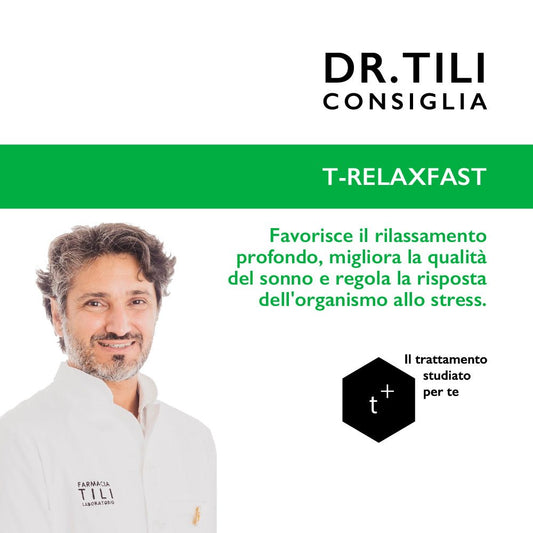
T - Relaxfast Sleep Supplement 60 Capsules Dr.Tili
Vendor:TilpharmaRegular price €24,50Regular priceUnit price per€24,50Sale price €24,50 -
Face Serum C5 Vitamin C 30ml Dr.Tili Skinlab
Vendor:TilabRegular price €62,50Regular priceUnit price per€62,50Sale price €62,50 -
Dr.Tili Skinlab E15 Vitamin E Face Serum 30ml
Vendor:TilabRegular price €32,50Regular priceUnit price per€32,50Sale price €32,50 -
Vit+ Face Vitamin Cream 50ml Dr.Tili Skinlab
Vendor:TilabRegular price €34,00Regular priceUnit price per€34,00Sale price €34,00 -
Anti-aging Facial Treatment Hyaluronic Acid IAL B3 30ml Dr.Tili Skinlab
Vendor:TilabRegular price €46,00Regular priceUnit price per€46,00Sale price €46,00 -
Body Milk Hydra Milk 200Ml. Dr.Tili Skinlab
Vendor:TilabRegular price €16,90Regular priceUnit price per€16,90Sale price €16,90 -
Facial Cleansing Milk 150ml Dr.Tili Skinlab
Vendor:TilabRegular price €18,90Regular priceUnit price per€18,90Sale price €18,90 -
Soothing Facial Toner 125ml Dr.Tili Skinlab
Vendor:TilabRegular price €14,50Regular priceUnit price per€14,50Sale price €14,50 -
Soothing Face Cream 50ml Dr.Tili Skinlab
Vendor:TilabRegular price €19,50Regular priceUnit price per€19,50Sale price €19,50
















-

ASSISTANCE - TELEPHONE ORDERS
-

SHIPPING
Shipping to Italy 24/48H
Delivery also on Saturday and Sunday
Free over €49.90
Shipping to Europe 24/72H
Free over €80 -

SAFETY
The security of your data is important to us!
We strictly comply with the European GDPR regarding
Privacy and processing of personal data
The payments you make on our site are 100% safe and guaranteed -

RETURNS
Fast returns via DIY portal and 14 days to change your mind.
Immediate and free replacements for incorrect or non-compliant products delivered.


