

Angelini Acraf
Ginetantum 0.1% 5×140 ml vaginal solution
Ginetantum 0.1% 5×140 ml vaginal solution
Couldn't load pickup availability

NET WEIGHT OF THE PRODUCT
NET WEIGHT OF THE PRODUCT
700ml
EAN
EAN
023399049
MINSAN
MINSAN
023399049

In ottemperanza all'articolo 118 “autorizzazione della pubblicità presso il pubblico” del decreto legislativo 24 aprile 2006, numero 219
INDICATIONS
Vulvovaginitis of any origin and nature, characterized by small vaginal discharge, itching, irritation, burning and vulvar pain. Intimate hygiene during the puerperium.
ACTIVE INGREDIENTS
100 ml contain: Active ingredient: benzydamine hydrochloride 100 mg (equal to 89.46 mg of benzydamine). Excipient with known effect: benzalkonium chloride, rose perfume base (Benzyl alcohol, Benzyl benzoate, Benzyl cinnamate, Benzyl salicylate, Citral, Citronellol, Eugenol, Farnesol, Geraniol, Limonene, Linanool). For the full list of excipients, see section 6.1.
EXCIPIENTS
Benzalkonium chloride, disodium edetate, basic rose perfume, purified water.
CONTRAINDICATIONS AND SIDE EFFECTS
Hypersensitivity to the active ingredient or to any of the excipients listed in paragraph 6.1 or to closely related substances from a chemical point of view.
DOSAGE
Dosage 1-2 vaginal irrigations per day for seven consecutive days. The solution can be used at room temperature. If you want to warm it up, just expose the closed bottle to a jet of hot water for a few minutes.
CONSERVATION
This medicinal product does not require any special storage conditions. Store the bottle in an upright position.
WARNINGS
The use, especially if prolonged, of topical products could give rise to sensitization phenomena, in which case it is necessary to suspend treatment and adopt suitable therapeutic measures. Invite the patient to contact the doctor before use in case of vaginal bleeding and/or leukorrhea.
INTERACTIONS
No negative interactions have been observed with other drugs commonly used in the relevant therapy.
SIDE EFFECTS
Occasionally, especially with prolonged use of the product, skin irritation may occur. Reporting of suspected adverse reactions Reporting suspected adverse reactions that occur after authorization of the medicinal product is important, as it allows continuous monitoring of the benefit/risk balance of the medicinal product. Healthcare professionals are asked to report any suspected adverse reactions via the national reporting system at https://www.aifa.gov.it/content/segnalazioni-reazioni-avverse.
OVERDOSE
Intoxication is expected only in case of accidental ingestion of large quantities of benzydamine (>300 mg). The symptoms associated with overdose from ingestion of benzydamine are mainly gastrointestinal in nature and affect the central nervous system. The most frequent gastrointestinal symptoms are nausea, vomiting, abdominal pain and esophageal irritation. Central nervous system symptoms include dizziness, hallucinations, agitation, anxiety, and irritability. In case of acute overdose, only symptomatic treatment can be carried out. Patients should be kept under close observation, and should receive supportive treatment. Adequate hydration must be maintained.
PREGNANCY AND BREASTFEEDING
There are no contraindications to the topical use of benzydamine during pregnancy or during breastfeeding.
EFFECTS ON DRIVING ABILITY
Ginetantum does not affect the ability to drive or use machines.
OUR PRODUCTS FOR THIS SEASON
-
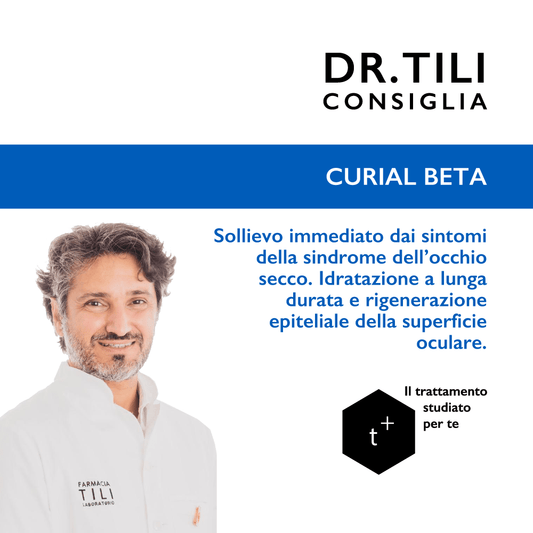
Curial βeta Dry eye supplement 30 capsules Dr.Tili
Vendor:TilpharmaRegular price €22,50Regular priceUnit price per€22,50Sale price €22,50 -
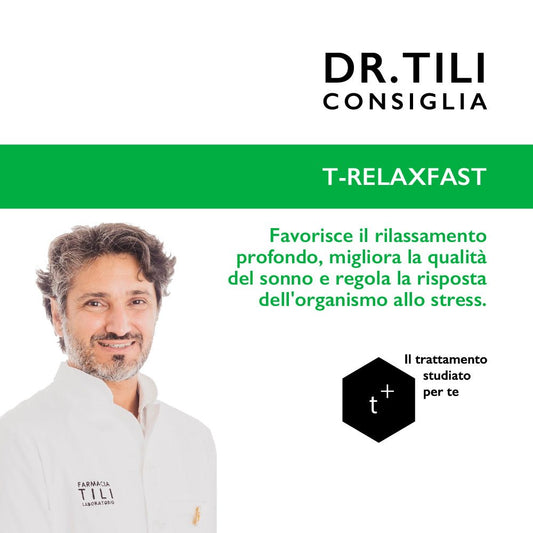
T - Relaxfast Sleep Supplement 60 Capsules Dr.Tili
Vendor:TilpharmaRegular price €24,50Regular priceUnit price per€24,50Sale price €24,50 -
Face Serum C5 Vitamin C 30ml Dr.Tili Skinlab
Vendor:TilabRegular price €62,50Regular priceUnit price per€62,50Sale price €62,50 -
Dr.Tili Skinlab E15 Vitamin E Face Serum 30ml
Vendor:TilabRegular price €32,50Regular priceUnit price per€32,50Sale price €32,50 -
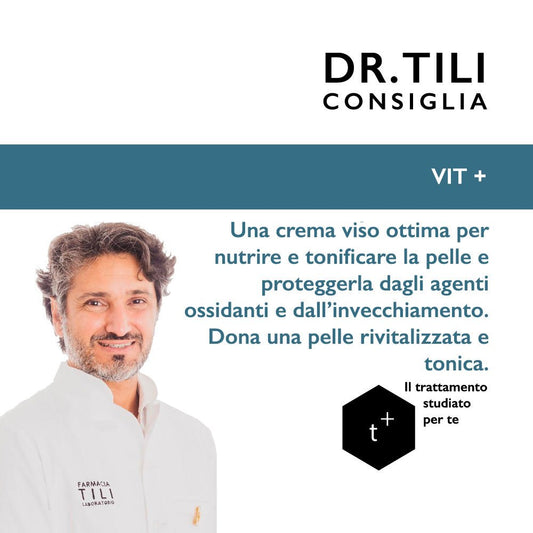
Vit+ Face Vitamin Cream 50ml Dr.Tili Skinlab
Vendor:TilabRegular price €34,00Regular priceUnit price per€34,00Sale price €34,00 -
Anti-aging Facial Treatment Hyaluronic Acid IAL B3 30ml Dr.Tili Skinlab
Vendor:TilabRegular price €46,00Regular priceUnit price per€46,00Sale price €46,00 -
Body Milk Hydra Milk 200Ml. Dr.Tili Skinlab
Vendor:TilabRegular price €16,90Regular priceUnit price per€16,90Sale price €16,90 -
Facial Cleansing Milk 150ml Dr.Tili Skinlab
Vendor:TilabRegular price €18,90Regular priceUnit price per€18,90Sale price €18,90 -
Soothing Facial Toner 125ml Dr.Tili Skinlab
Vendor:TilabRegular price €14,50Regular priceUnit price per€14,50Sale price €14,50 -
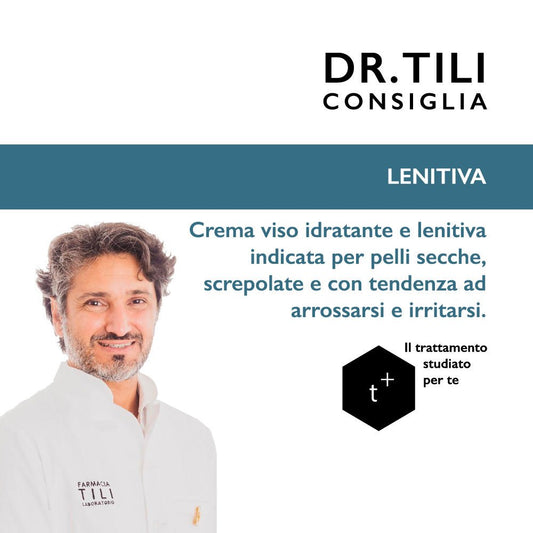
Soothing Face Cream 50ml Dr.Tili Skinlab
Vendor:TilabRegular price €19,50Regular priceUnit price per€19,50Sale price €19,50









-

ASSISTANCE - TELEPHONE ORDERS
-

SHIPPING
Shipping to Italy 24/48H
Delivery also on Saturday and Sunday
Free over €49.90
Shipping to Europe 24/72H
Free over €80 -

SAFETY
The security of your data is important to us!
We strictly comply with the European GDPR regarding
Privacy and processing of personal data
The payments you make on our site are 100% safe and guaranteed -

RETURNS
Fast returns via DIY portal and 14 days to change your mind.
Immediate and free replacements for incorrect or non-compliant products delivered.


