

Haleon
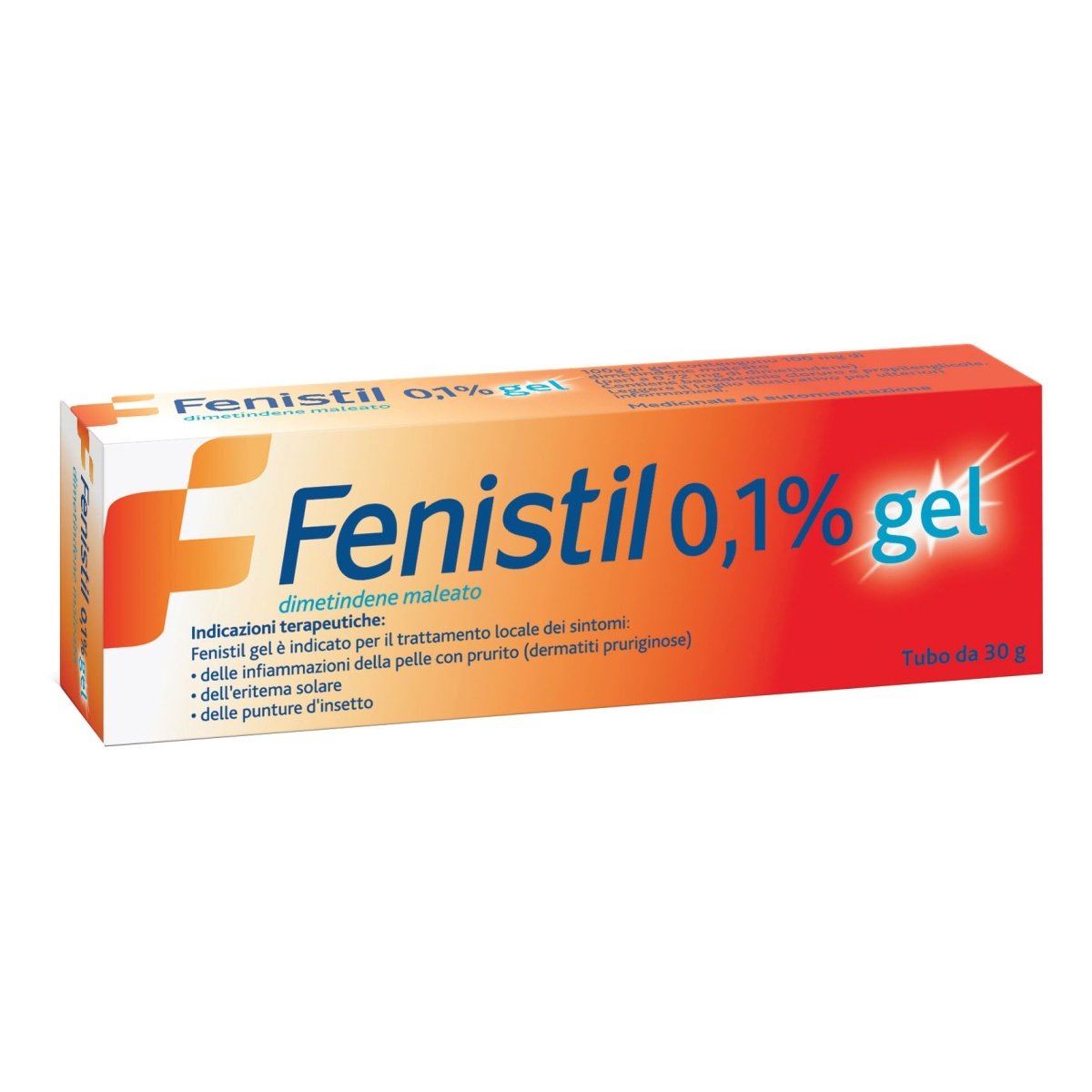
Fenistil 0.1% 30 g gel
Fenistil 0.1% 30 g gel
Couldn't load pickup availability

NET WEIGHT OF THE PRODUCT
NET WEIGHT OF THE PRODUCT
30g
EAN
EAN
020124121
MINSAN
MINSAN
020124121
In ottemperanza all'articolo 118 “autorizzazione della pubblicità presso il pubblico” del decreto legislativo 24 aprile 2006, numero 219
INDICATIONS
Local symptomatic treatment of itchy dermatitis, solar erythema, insect bites.
ACTIVE INGREDIENTS
One gram of gel contains dimethindene maleate 1 mg Excipients with known effects: propylene glycol, benzalkonium chloride. For the full list of excipients, see section 6.1.
EXCIPIENTS
Benzalkonium chloride; sodium edetate; carbomer; sodium hydroxide; propylene glycol; purified water.
CONTRAINDICATIONS AND SIDE EFFECTS
Hypersensitivity to the active substance or to any of the excipients listed in paragraph 6.1. Do not use with occlusive dressings.
DOSAGE
Apply the gel on the affected part with a light massage, to favor its deep penetration, 2-3 times a day, depending on the intensity of the inflammatory symptom. Do not exceed the recommended doses. Use only for short periods of time (no longer than 5-7 days).
CONSERVATION
Store below 25°C.
WARNINGS
The use, especially if prolonged, of products for topical use can give rise to sensitization phenomena; if this occurs, treatment should be suspended and appropriate therapy instituted. Avoid applying the product when the skin has very extensive abrasions, to avoid systemic absorption of the product; also do not apply it on areas of skin with blisters, on live sores or on exuding surfaces. Avoid contact of the preparation with the eyes and prolonged exposure to the sun of the treated areas. Pediatric population In children under 2 years of age, the use of the preparation on large skin surfaces, particularly on abraded and inflamed areas, should be avoided. Information on excipients Fenistil gel contains 300 mg of propylene glycol per dose (2 g of gel) equivalent to 150 mg/g of gel which may cause skin irritation. Fenistil gel also contains 0.1 mg of benzalkonium chloride per dose (2 g of gel) equivalent to 0.05 mg/g of gel which may irritate the skin. If you are breastfeeding, do not apply this medicine to your breasts because your baby may ingest it with his milk.
INTERACTIONS
No interaction studies have been performed; however, the absorption of the active ingredient contained in Fenistil 0.1% gel in the body is very low and therefore interactions are very unlikely.
SIDE EFFECTS
Safety profile summary The most commonly reported adverse reactions during treatment are mild and transient skin reactions at the application site. Table of adverse reactions Adverse reactions are listed below, by system organ class and frequency. Within each frequency class, undesirable effects are presented in order of decreasing seriousness. Frequency categories for each adverse reaction include: very common (≥1/10); common (≥1/100, <1/10); uncommon (≥1/1,000, <1/100); rare (≥1/10,000, <1/1,000); very rare (<1/10,000); not known (frequency cannot be estimated from the available data). Pathologies of the skin and subcutaneous tissue. Uncommon: dry skin, burning sensation on the skin; Very rare (based on post-marketing reports): allergic dermatitis; Frequency not known: allergic skin reactions. Reporting of suspected adverse reactions Reporting suspected adverse reactions that occur after authorization of the medicine is important, as it allows continuous monitoring of the benefit/risk balance of the medicine. Healthcare professionals are asked to report any suspected adverse reactions via the national reporting system at: https://www.aifa.gov.it/content/segnalazioni-reazioni-avverse.
OVERDOSE
Symptoms So far, no case of overdose with Fenistil gel has been reported. However, accidental ingestion of considerable quantities of Fenistil gel may induce some symptoms characteristic of overdose with type H antihistamines1: CNS depression with drowsiness (especially in adults), CNS stimulation and anticholinergic effects (especially in children and the elderly), including excitement, ataxia, hallucinations, tonic-clonic spasms, mydriasis, dry mouth, facial flushing, urinary retention and fever. Hypotension may also occur. Management There is no specific antidote in case of overdose of antihistamines. The usual emergency measures must be implemented which include, in case of ingestion: activated charcoal, saline laxatives and, if necessary, the usual cardiorespiratory support measures. No stimulants should be administered; vasopressor drugs may be used to treat hypotension.
PREGNANCY AND BREASTFEEDING
Pregnancy No clinical data on pregnancy are available for dimethindene maleate. Animal studies have not shown any direct or indirect harmful effects on pregnancy or the fetus/newborn. Fenistil gel should be used during pregnancy only after the doctor has assessed the risk/benefit ratio in favor of the latter. During pregnancy, Fenistil gel should not be applied to large skin surfaces, especially if abraded or inflamed. Breastfeeding Fenistil gel should be used during breastfeeding only after the doctor has assessed the risk/benefit ratio in favor of the latter. During breastfeeding, Fenistil gel should not be applied to large skin surfaces, especially if abraded or inflamed. However, the product should not be applied to the breasts during breastfeeding.
EFFECTS ON DRIVING ABILITY
Fenistil gel has no or negligible influence on the ability to drive and use machinery.
OUR PRODUCTS FOR THIS SEASON
-
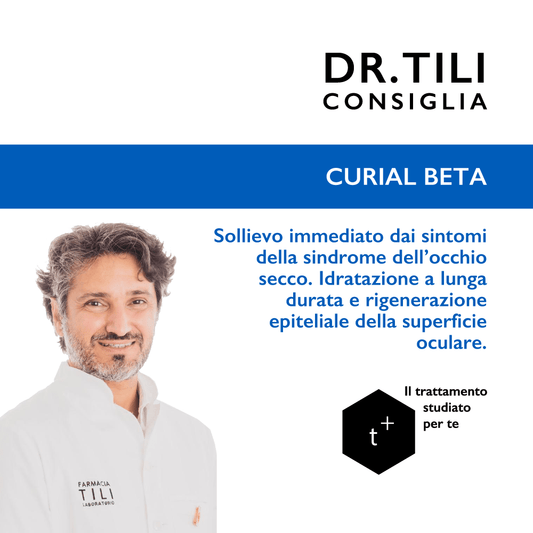
Curial βeta Dry eye supplement 30 capsules Dr.Tili
Vendor:TilpharmaRegular price €22,50Regular priceUnit price per€22,50Sale price €22,50 -
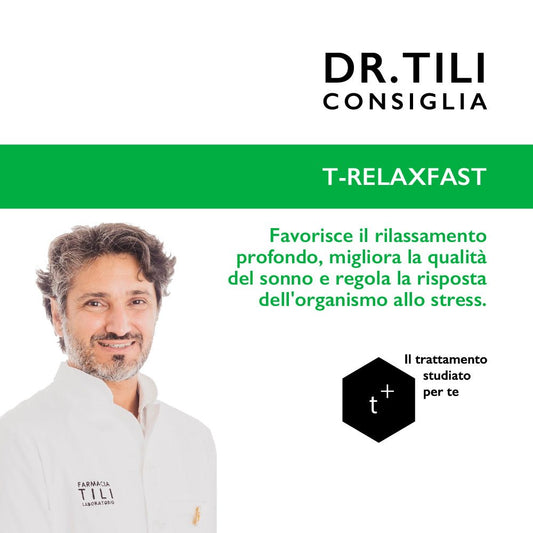
T - Relaxfast Sleep Supplement 60 Capsules Dr.Tili
Vendor:TilpharmaRegular price €24,50Regular priceUnit price per€24,50Sale price €24,50 -
Face Serum C5 Vitamin C 30ml Dr.Tili Skinlab
Vendor:TilabRegular price €62,50Regular priceUnit price per€62,50Sale price €62,50 -
Dr.Tili Skinlab E15 Vitamin E Face Serum 30ml
Vendor:TilabRegular price €32,50Regular priceUnit price per€32,50Sale price €32,50 -
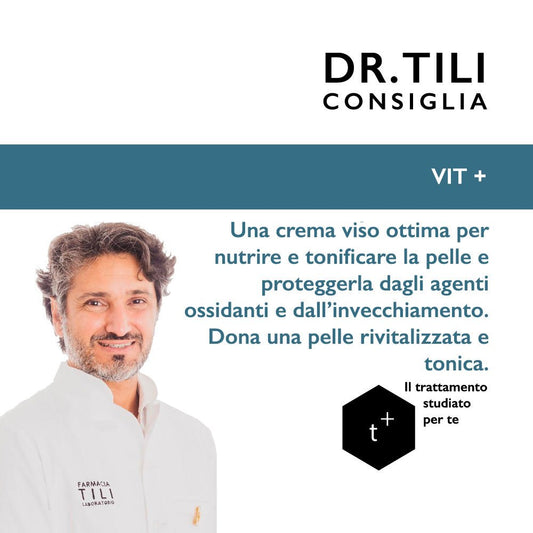
Vit+ Face Vitamin Cream 50ml Dr.Tili Skinlab
Vendor:TilabRegular price €34,00Regular priceUnit price per€34,00Sale price €34,00 -
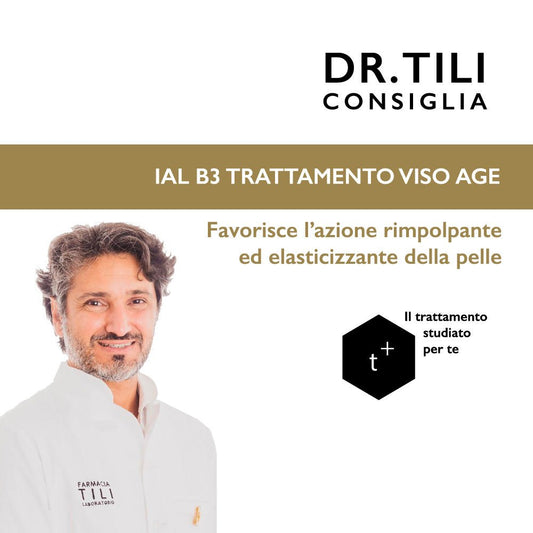
Anti-aging Facial Treatment Hyaluronic Acid IAL B3 30ml Dr.Tili Skinlab
Vendor:TilabRegular price €46,00Regular priceUnit price per€46,00Sale price €46,00 -
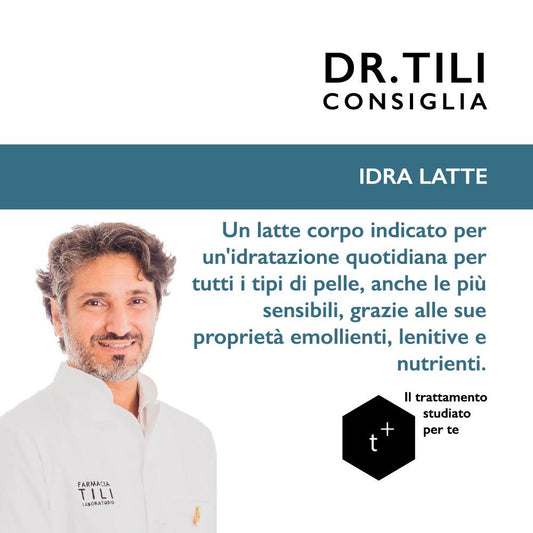
Body Milk Hydra Milk 200Ml. Dr.Tili Skinlab
Vendor:TilabRegular price €16,90Regular priceUnit price per€16,90Sale price €16,90 -
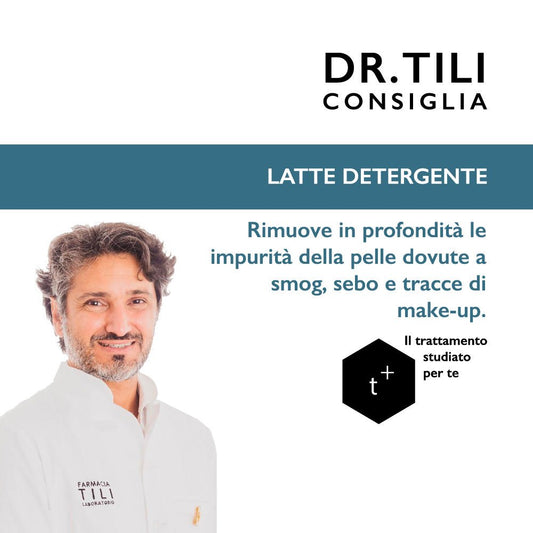
Facial Cleansing Milk 150ml Dr.Tili Skinlab
Vendor:TilabRegular price €18,90Regular priceUnit price per€18,90Sale price €18,90 -
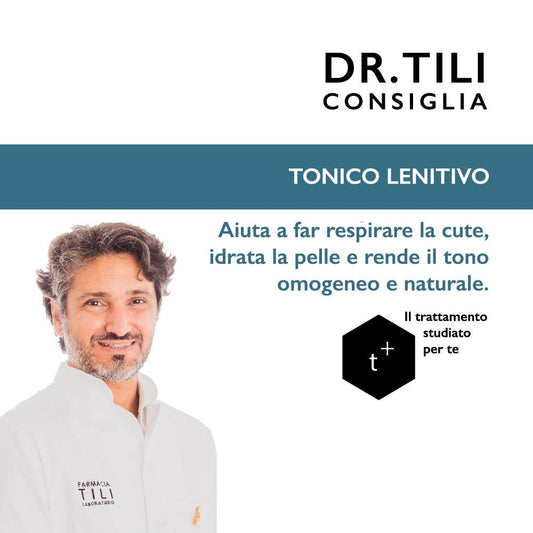
Soothing Facial Toner 125ml Dr.Tili Skinlab
Vendor:TilabRegular price €14,50Regular priceUnit price per€14,50Sale price €14,50 -
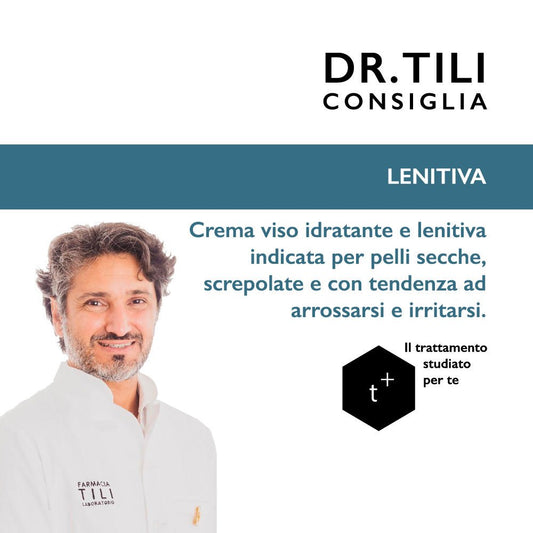
Soothing Face Cream 50ml Dr.Tili Skinlab
Vendor:TilabRegular price €19,50Regular priceUnit price per€19,50Sale price €19,50









-

ASSISTANCE - TELEPHONE ORDERS
-

SHIPPING
Shipping to Italy 24/48H
Delivery also on Saturday and Sunday
Free over €49.90
Shipping to Europe 24/72H
Free over €80 -

SAFETY
The security of your data is important to us!
We strictly comply with the European GDPR regarding
Privacy and processing of personal data
The payments you make on our site are 100% safe and guaranteed -

RETURNS
Fast returns via DIY portal and 14 days to change your mind.
Immediate and free replacements for incorrect or non-compliant products delivered.


