

Alfasigma
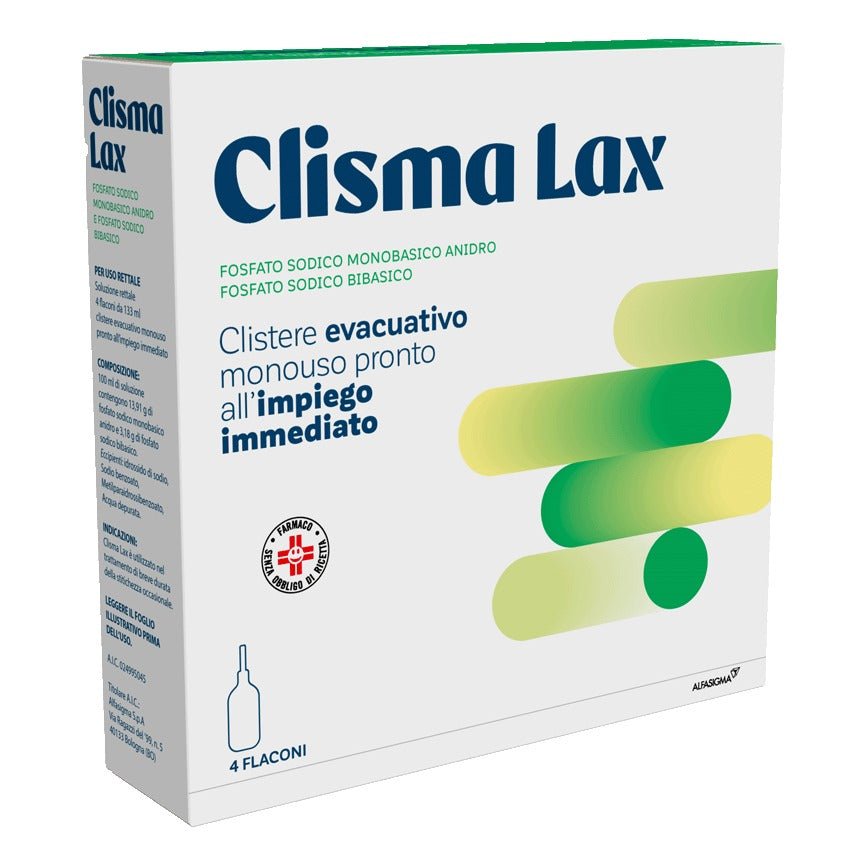
Lax enema 133 ml 4 bottles rectal solution
Lax enema 133 ml 4 bottles rectal solution

Couldn't load pickup availability

NET WEIGHT OF THE PRODUCT
NET WEIGHT OF THE PRODUCT
532ml
EAN
EAN
024995045
MINSAN
MINSAN
024995045
In ottemperanza all'articolo 118 “autorizzazione della pubblicità presso il pubblico” del decreto legislativo 24 aprile 2006, numero 219
INDICATIONS
Short-term treatment of occasional constipation.
ACTIVE INGREDIENTS
100 ml contain 13.91 g of anhydrous monobasic sodium phosphate (NaH2PO4); 3.18 g of dibasic sodium phosphate (Na2HPO4). Excipients with known effects: sodium benzoate (100mg per 100ml) and methylparahydroxybenzoate (50mg per 100ml). For the full list of excipients, see section 6.1.
EXCIPIENTS
Sodium hydroxide, sodium benzoate, methyl parahydroxybenzoate, purified water.
CONTRAINDICATIONS AND SIDE EFFECTS
-Hypersensitivity to the active substances or to any of the excipients listed in paragraph 6.1. - acute abdominal pain or of unknown origin - nausea or vomiting - intestinal obstruction or stenosis or anorectal stenosis - intestinal sub-occlusion - mechanical ileus - paralytic ileus - inflammatory intestinal disorders and other conditions that can increase the absorption of the medicine - anal perforation - congenital or acquired megacolon - Hirschsprung's disease - rectal bleeding of unknown origin - acute haemorrhoidal crisis with pain and bleeding - severe state of dehydration - children under the age of twelve. Phosphates are contraindicated in patients with cardiac disorders, severe renal insufficiency or in the presence of hyperphosphatemia. Other preparations with sodium phosphates, including oral solutions or sodium phosphate tablets, should not be administered simultaneously (see section 4.5).
DOSAGE
Dosage Adults and adolescents (12-18 years): the entire dose of the bottle. Method of administration Do not exceed the recommended doses. Laxatives should be used as infrequently as possible and for no longer than seven days. Use for longer periods of time requires a doctor's prescription after adequate evaluation of the individual case. Take preferably in the evening.
CONSERVATION
This medicinal product does not require any special storage conditions.
WARNINGS
Pediatric population: The 133 ml bottle should not be used in children under 12 years of age. Abuse of laxatives (frequent or prolonged use or with excessive doses) can cause persistent diarrhea with consequent loss of water, mineral salts (especially potassium) and other essential nutritional factors. In more severe cases, the onset of dehydration or hypokalemia is possible which can cause cardiac or neuromuscular dysfunction, especially in case of simultaneous treatment with cardiac glycosides, diuretics or corticosteroids. Patients should be encouraged to drink fluids to help prevent dehydration, particularly patients with conditions that may predispose to dehydration, or those taking medications that may decrease the glomerular filtration rate, such as diuretics, angiotensin-converting enzyme inhibitors (ACE inhibitors), angiotensin receptor blockers (sartans), or nonsteroidal anti-inflammatory drugs (NSAIDs). Since Clisma lax contains sodium phosphates, there is a risk of elevated serum sodium and phosphate levels and decreased calcium and potassium levels, and consequently hypernatraemia, hyperphosphataemia, hypocalcaemia and hypokalaemia, which may occur with clinical signs such as tetany and renal failure. Abuse of laxatives can cause dependence (and, therefore, possible need to progressively increase the dosage), chronic constipation and loss of normal intestinal functions (intestinal atony). Repeated use of laxatives can give rise to addiction or various types of damage. Prolonged use of a laxative to treat constipation is not recommended. The pharmacological treatment of constipation must be considered an adjuvant to the hygienic-dietary treatment (e.g. increase in vegetable fibers and liquids in the diet, physical activity and re-education of intestinal motility). The treatment of chronic or recurrent constipation always requires the intervention of a doctor for diagnosis, prescription of drugs and monitoring during the course of therapy. A careful evaluation by the doctor is essential when the need for the laxative derives from a sudden change in previous intestinal habits (frequency and characteristics of evacuations) that lasts for more than two weeks or when the use of the laxative fails to produce effects. Elderly people or those in poor health and patients with uncontrolled arterial hypertension, ascites, heart disease, changes in the rectal mucosa (ulcers, fissures) should consult their doctor before using the medicine. Patients should be advised to discontinue administration if resistance is encountered, as forcible administration of the enema may cause injury. In episodes of constipation, it is recommended first of all to correct eating habits by integrating the daily diet with an adequate intake of fiber and water. When using laxatives it is advisable to drink at least 6-8 glasses of water or other liquids a day to help soften the stool.
INTERACTIONS
The systemic absorption of sodium phosphate rectal solution is limited, however in some conditions it may be increased and predispose to possible interactions with other drugs. The simultaneous intake of drugs that can have effects on electrolyte balance (such as diuretics, cortisone, calcium channel blockers, lithium) can facilitate the onset of hyperphosphatemia, hypercalcemia and hypernatremia. Patients taking drugs that can prolong the QT interval may be at greater risk of developing this adverse reaction if treated concomitantly with sodium phosphate. Since hypernatremia is associated with low lithium levels, the concomitant use of Enema lax and lithium may cause a reduction in serum lithium levels, with a decrease in efficacy. Concomitant use of calcium supplements or calcium-containing antacids may increase the risk of ectopic calcification. Other preparations with sodium phosphates, including oral solutions or sodium phosphate tablets, should not be administered simultaneously (see section 4.3).
SIDE EFFECTS
Below are the side effects of sodium phosphate organized according to the MedDRA system organic classification. There is insufficient data to establish the frequency of the individual effects listed. Immune system disorders Hypersensitivity reactions (e.g. urticaria) Pathologies of the skin and subcutaneous tissue Blisters, itching, burning Gastrointestinal disorders Isolated crampy pain or abdominal colic and diarrhea, with loss of fluids and electrolytes, more frequent in cases of severe constipation, as well as rectal irritation. Nausea, vomiting. Metabolism and nutrition disorders Hyperphosphatemia, hypokalemia, hypernatremia, hypocalcemia, and tissue calcification may rarely occur. Reporting of suspected adverse reactions Reporting suspected adverse reactions that occur after authorization of the medicinal product is important, as it allows continuous monitoring of the benefit/risk balance of the medicinal product. Healthcare professionals are asked to report any suspected adverse reactions via the national reporting system at www.aifa.gov.it/content/segnalazioni-reazioni-avverse.
OVERDOSE
The effect most frequently observed following ingestion or rectal administration is gastrointestinal irritation (abdominal pain, nausea, vomiting, diarrhoea). Persistent diarrhea results in loss of water, mineral salts (especially potassium) and other essential nutritional factors. Fluid and electrolyte losses must be replaced. Electrolyte imbalances are characterized by the following symptoms: thirst, vomiting, weakness, edema, bone pain (osteomalacia) and hypoalbuminemia. In more severe cases, the onset of dehydration or hypokalemia is possible which can cause cardiac or neuromuscular dysfunction, especially in the case of simultaneous treatment with cardiac glycosides, diuretics or corticosteroids. Fluid and electrolyte losses must be replaced. Generally, conservative measures are sufficient; plenty of liquids must be given, especially fruit juices. See also what is reported in paragraph 4.4 regarding the abuse of laxatives. If a significant amount of phosphate is absorbed, hyperphosphatemia, hypocalcemia, and hypomagnesemia may occur. Alterations in fluid and electrolyte balance have been observed following oral, rectal and intravenous exposure. Severe hyperphosphatemia and hypocalcemia may cause tetany, convulsions, bradycardia, QT interval prolongation, arrhythmia, coma and cardiac arrest. Severe dehydration, hypernatremia, hypotension, metabolic acidosis, and tachycardia may also occur. The elderly, children and patients with renal insufficiency are at increased risk of toxic effects.
PREGNANCY AND BREASTFEEDING
There are no adequate and well-controlled studies on the use of the medicine during pregnancy or breastfeeding. Therefore the medicine must be used only if necessary, under the direct supervision of the doctor, after having evaluated the expected benefit for the mother in relation to the possible risk for the fetus or infant.
EFFECTS ON DRIVING ABILITY
The medicine does not alter the ability to drive or use machines. However, it is possible that side effects may occur during treatment, therefore it is good to know the reaction to the drug before driving vehicles or using machinery.
OUR PRODUCTS FOR THIS SEASON
-
Curial βeta Dry eye supplement 30 capsules Dr.Tili
Vendor:TilpharmaRegular price €22,50Regular priceUnit price per€22,50Sale price €22,50 -
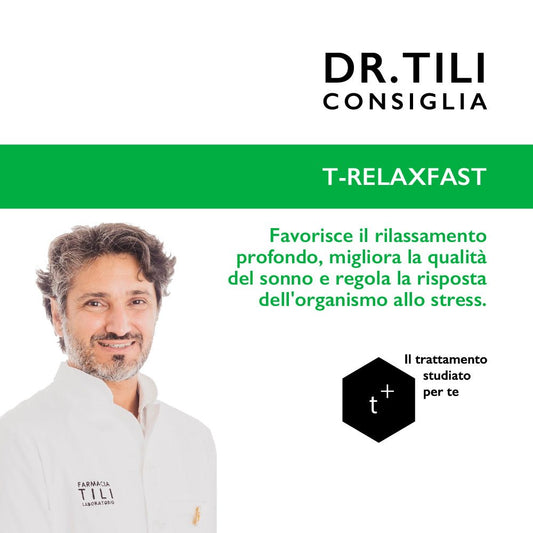
T - Relaxfast Sleep Supplement 60 Capsules Dr.Tili
Vendor:TilpharmaRegular price €24,50Regular priceUnit price per€24,50Sale price €24,50 -
Face Serum C5 Vitamin C 30ml Dr.Tili Skinlab
Vendor:TilabRegular price €62,50Regular priceUnit price per€62,50Sale price €62,50 -
Dr.Tili Skinlab E15 Vitamin E Face Serum 30ml
Vendor:TilabRegular price €32,50Regular priceUnit price per€32,50Sale price €32,50 -
Vit+ Face Vitamin Cream 50ml Dr.Tili Skinlab
Vendor:TilabRegular price €34,00Regular priceUnit price per€34,00Sale price €34,00 -
Anti-aging Facial Treatment Hyaluronic Acid IAL B3 30ml Dr.Tili Skinlab
Vendor:TilabRegular price €46,00Regular priceUnit price per€46,00Sale price €46,00 -
Body Milk Hydra Milk 200Ml. Dr.Tili Skinlab
Vendor:TilabRegular price €16,90Regular priceUnit price per€16,90Sale price €16,90 -
Facial Cleansing Milk 150ml Dr.Tili Skinlab
Vendor:TilabRegular price €18,90Regular priceUnit price per€18,90Sale price €18,90 -
Soothing Facial Toner 125ml Dr.Tili Skinlab
Vendor:TilabRegular price €14,50Regular priceUnit price per€14,50Sale price €14,50 -
Soothing Face Cream 50ml Dr.Tili Skinlab
Vendor:TilabRegular price €19,50Regular priceUnit price per€19,50Sale price €19,50
















-

ASSISTANCE - TELEPHONE ORDERS
-

SHIPPING
Shipping to Italy 24/48H
Delivery also on Saturday and Sunday
Free over €49.90
Shipping to Europe 24/72H
Free over €80 -

SAFETY
The security of your data is important to us!
We strictly comply with the European GDPR regarding
Privacy and processing of personal data
The payments you make on our site are 100% safe and guaranteed -

RETURNS
Fast returns via DIY portal and 14 days to change your mind.
Immediate and free replacements for incorrect or non-compliant products delivered.


