

Sandoz
Calcium Sandoz 500 mg 20 effervescent tablets
Calcium Sandoz 500 mg 20 effervescent tablets
Couldn't load pickup availability

NET WEIGHT OF THE PRODUCT
NET WEIGHT OF THE PRODUCT
20ct
EAN
EAN
005259015
MINSAN
MINSAN
005259015

In ottemperanza all'articolo 118 “autorizzazione della pubblicità presso il pubblico” del decreto legislativo 24 aprile 2006, numero 219
INDICATIONS
- Prevention and treatment of calcium deficiency. - Calcium supplementation as a supplement to specific therapy in the prevention and treatment of osteoporosis. - Rickets and osteomalacia, in addition to vitamin D3 therapy.
ACTIVE INGREDIENTS
Each 500 mg effervescent tablet contains: 1,132 mg of calcium lactate gluconate and 875 mg of calcium carbonate (equivalent to 500 mg or 12.5 mmol of calcium). Excipients with known effects: Each 500 mg effervescent tablet contains, 30 mg of aspartame (E 951), 68.45 mg of sodium (2.98 mmol), 30 mg of orange flavor powder (containing 630 micrograms of sorbitol (E 420), 180 nanograms of benzyl alcohol, 210 nanograms of sulfur dioxide (E 220) and 13.08 mg of glucose). Each 1,000 mg effervescent tablet contains: 2,263 mg of calcium lactate gluconate and 1,750 mg of calcium carbonate (equivalent to 1,000 mg or 25 mmol of calcium). Excipients with known effects: Each 1000 mg effervescent tablet contains) 30 mg of aspartame (E 951), 136.90 mg of sodium (5.95 nmol), 30 mg of orange flavoring powder (containing 630 micrograms of sorbitol (E 420), 180 nanograms of benzyl alcohol, 210 nanograms of sulfur dioxide (E220) and 13.08 mg of glucose). For the full list of excipients, see section 6.1.
EXCIPIENTS
Anhydrous citric acid (fine granules); Orange flavor powder (contains: benzyl alcohol, sorbitol (E 420), glucose and sulfur dioxide (E 220)); Aspartame (E951); Macrogol 6000; Sodium bicarbonate.
CONTRAINDICATIONS AND SIDE EFFECTS
- Hypersensitivity to the active substances or to any of the excipients listed in paragraph 6.1 of the effervescent tablet. - Pathologies and/or conditions involving hypercalcemia and/or hypercalciuria. - Nephrocalcinosis, nephrolithiasis.
DOSAGE
Adults: 500 - 1,500 mg per day. Children: 500 - 1,000 mg per day. The effervescent tablets must be dissolved in a glass of water (approximately 200 ml) and the resulting solution drunk immediately. Calcium Sandoz effervescent tablet can be taken with or without food.
CONSERVATION
Keep the tube tightly closed. Store in the original packaging.
WARNINGS
In patients with mild hypercalciuria (over 300 mg/24 hours or 7.5 mmol/24 hours), or with a history of urinary stones, monitoring of urinary calcium excretion is required. If necessary, the calcium dose should be reduced or therapy should be discontinued. An increase in fluid intake is recommended in patients predisposed to the formation of stones in the urinary tract. In patients with impaired renal function, calcium salts should be taken under medical supervision with monitoring of serum calcium and phosphate levels. During high-dose therapy and especially in case of concomitant treatment with vitamin D, there is a risk of hypercalcemia with consequent impairment of renal function. In these patients, serum calcium levels should be monitored and renal function should be monitored. There have been reports from the literature referring to a possible increase in aluminum absorption with citrate salts. Calcium Sandoz effervescent tablet (which contains 1662.00 mg (500 mg tablets) or 3323.0 mg (1000 mg tablets) of citric acid) should be used with caution in patients with severely impaired renal function, especially in those also taking preparations containing aluminium. This medicine contains aspartame, sodium, sorbitol, benzyl alcohol, sulfur dioxide and glucose. This medicine contains 630 micrograms of sorbitol (E 420) per tablet. This medicinal product contains 2.98 mmol (corresponding to 68.45 mg) sodium per effervescent tablet, equivalent to 3.4% of the WHO recommended maximum daily intake of 2 g sodium for an adult. This medicine contains 180 nanograms of benzyl alcohol in each tablet. Benzyl alcohol can cause allergic reactions. Intravenous administration of benzyl alcohol has been associated with serious adverse events and death in newborns (agonal breathing syndrome). The minimum quantity of benzyl alcohol for which toxicity occurs is not known. Increased risk due to accumulation in young children. Large volumes should be used with caution and only if necessary, especially in pregnant or breastfeeding patients and in subjects with hepatic or renal insufficiency due to the risk of accumulation and toxicity (metabolic acidosis). This medicine contains 210 nanograms of sulfur dioxide which may rarely cause serious hypersensitivity reactions and bronchospasm. This medicine contains 30 mg of aspartame in each effervescent tablet. Aspartame is a source of phenylalanine and may be harmful to people with phenylketonuria. This medicine contains glucose. Patients suffering from rare problems of glucose-galactose malabsorption should not take this medicine. It can also be harmful to your teeth. Calcium Sandoz 1000 mg contains aspartame, sodium, sorbitol, benzyl alcohol, sulfur dioxide and glucose. This medicine contains 630 micrograms of sorbitol (E 420) in each tablet. This medicinal product contains 5.95 mmol (corresponding to 136.90 mg) sodium per tablet equivalent to 6.9% of the WHO recommended maximum daily intake of 2 g sodium for an adult. This medicine contains 180 nanograms of benzyl alcohol in each tablet. Benzyl alcohol can cause allergic reactions. Intravenous administration of benzyl alcohol has been associated with serious adverse events and death in newborns (agonal breathing syndrome). The minimum quantity of benzyl alcohol for which toxicity occurs is not known. Increased risk due to accumulation in young children. Large volumes should be used with caution and only if necessary, especially in subjects with hepatic or renal insufficiency due to the risk of accumulation and toxicity (metabolic acidosis). This medicine contains 210 nanograms of sulfur dioxide which may rarely cause serious hypersensitivity reactions and bronchospasm. This medicine contains 30 mg of aspartame in each effervescent tablet. Aspartame is a source of phenylalanine and may be harmful to people with phenylketonuria. This medicine contains glucose. Patients suffering from rare problems of glucose-galactose malabsorption should not take this medicine. It can also be harmful to your teeth. Calcium Sandoz effervescent tablets should be kept out of the reach of children. Information for diabetics: One effervescent tablet contains 0.002 carbohydrate units and is therefore suitable for diabetics.
INTERACTIONS
Thiazide diuretics reduce urinary calcium excretion. Due to the increased risk of hypercalcemia, serum calcium should be monitored regularly during concomitant use of thiazide diuretics. Systemic corticosteroids reduce calcium absorption. During concomitant use, it may be necessary to increase the dose of Calcium Sandoz. Tetracycline preparations administered simultaneously with calcium preparations may not be well absorbed. For this reason, preparations containing tetracyclines should be administered at least 2 hours before or 4-6 hours after oral calcium intake. Hypercalcemia resulting from calcium treatment may increase the toxicity of cardiac glycosides. Patients should be monitored for electrocardiogram (ECG) and serum calcium levels. In case of concomitant oral treatment with bisphosphonates or sodium fluoride, this preparation must be administered at least 3 hours before taking Calcium Sandoz, as the gastrointestinal absorption of both bisphosphonates and sodium fluoride may be reduced. Oxalic acid (found in spinach and rhubarb) and phytic acid (found in whole grains) can inhibit calcium absorption through the formation of compounds insoluble with calcium ions. Patients should not take calcium-containing products within 2 hours of eating foods rich in oxalic and phytic acids.
SIDE EFFECTS
Adverse reactions are reported below, according to systemic organ classification and frequency. Frequency is defined as: uncommon (>1/1.000, < 1/100), rare (>1/10,000, < 1/1,000) or very rare (< 1/10,000), including isolated cases. Immune system disorders. Rare: hypersensitivity, such as rash, itching, urticaria. Very rare: Isolated cases of systemic allergic reactions have been reported (anaphylactic reactions, facial edema, angioneurotic edema). Metabolism and nutrition disorders. Uncommon: hypercalcemia, hypercalciuria. Gastrointestinal disorders. Rare: flatulence, constipation, diarrhea, nausea, vomiting, abdominal pain. Reporting of suspected adverse reactions Reporting suspected adverse reactions that occur after authorization of the medicine is important, as it allows continuous monitoring of the benefit/risk balance of the medicine. Healthcare professionals are asked to report any suspected adverse reaction to the national reporting system at: https://www.aifa.gov.it/content/segnalazioni-reazioni-avverse.
OVERDOSE
Overdose leads to hypercalciuria and hypercalcemia. Symptoms of hypercalcemia may include: nausea, vomiting, thirst, polydipsia, polyuria, dehydration, and constipation. Chronic overdose resulting in hypercalcaemia may cause vascular and organ calcification. The threshold for calcium intoxication is from supplements exceeding 2,000 mg per day, taken over many months. Treatment of overdose In case of intoxication, treatment must be stopped immediately and fluid deficiency must be corrected. In case of chronic overdose in which hypercalcemia is present, the initial therapeutic phase consists of hydration with saline solution. Therefore a loop diuretic (e.g. furosemide) can be used to further increase calcium excretion and to prevent volume overload, but thiazide diuretics should be avoided. In patients with kidney failure, hydration is ineffective and they must undergo dialysis. In case of persistent hypercalcemia, contributing factors, such as vitamin A or D, hypervitaminosis, primary hyperparathyroidism, malignancy, renal failure or immobilization, should be excluded.
PREGNANCY AND BREASTFEEDING
The adequate daily intake (including food and supplementation) for women with normal pregnancy and breastfeeding is 1,000-1,300 mg of calcium. During pregnancy, daily calcium intake should not exceed 1,500 mg. Significant quantities of calcium are secreted into breast milk during breastfeeding but do not cause adverse effects on the newborn. In case of calcium deficiency, Calcium Sandoz effervescent tablets can be used during pregnancy and breastfeeding.
EFFECTS ON DRIVING ABILITY
Calcium Sandoz does not affect the ability to drive and use machines.
OUR PRODUCTS FOR THIS SEASON
-
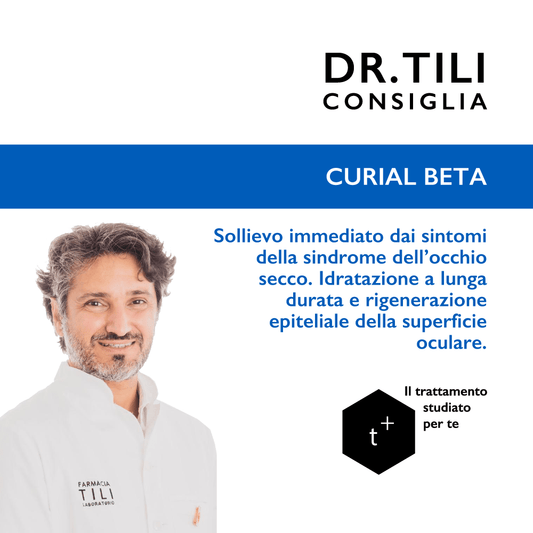
Curial βeta Dry eye supplement 30 capsules Dr.Tili
Vendor:TilpharmaRegular price €22,50Regular priceUnit price per€22,50Sale price €22,50 -
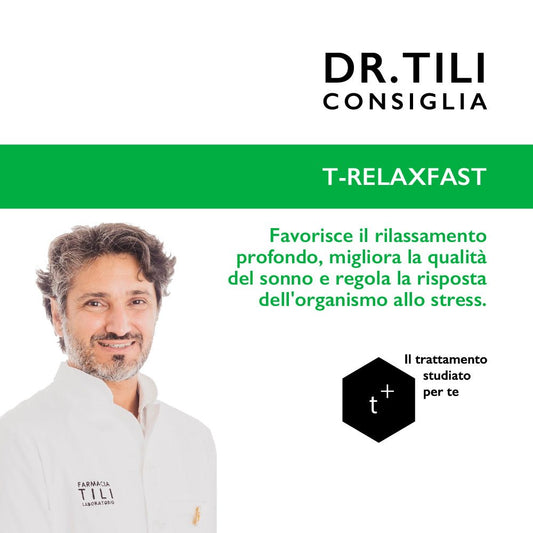
T - Relaxfast Sleep Supplement 60 Capsules Dr.Tili
Vendor:TilpharmaRegular price €24,50Regular priceUnit price per€24,50Sale price €24,50 -
Face Serum C5 Vitamin C 30ml Dr.Tili Skinlab
Vendor:TilabRegular price €62,50Regular priceUnit price per€62,50Sale price €62,50 -
Dr.Tili Skinlab E15 Vitamin E Face Serum 30ml
Vendor:TilabRegular price €32,50Regular priceUnit price per€32,50Sale price €32,50 -
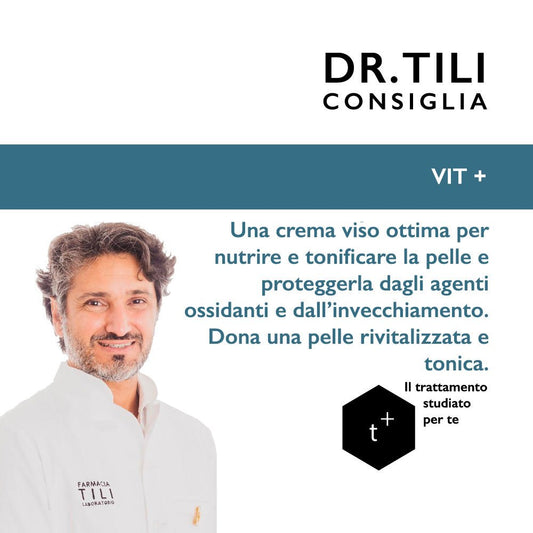
Vit+ Face Vitamin Cream 50ml Dr.Tili Skinlab
Vendor:TilabRegular price €34,00Regular priceUnit price per€34,00Sale price €34,00 -
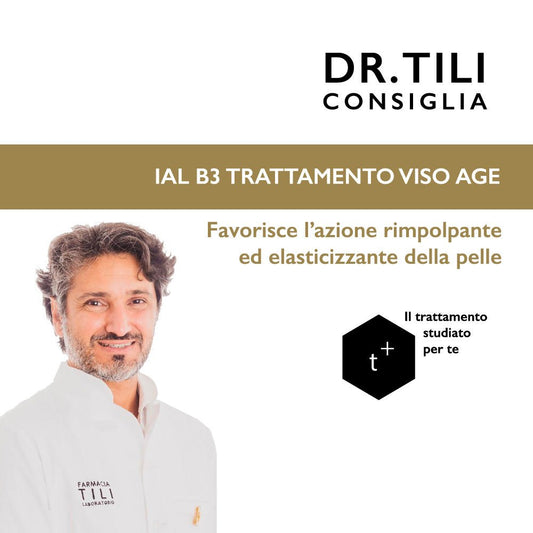
Anti-aging Facial Treatment Hyaluronic Acid IAL B3 30ml Dr.Tili Skinlab
Vendor:TilabRegular price €46,00Regular priceUnit price per€46,00Sale price €46,00 -
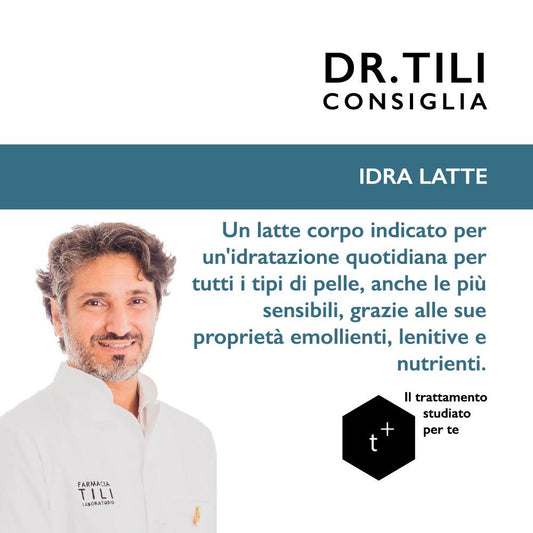
Body Milk Hydra Milk 200Ml. Dr.Tili Skinlab
Vendor:TilabRegular price €16,90Regular priceUnit price per€16,90Sale price €16,90 -
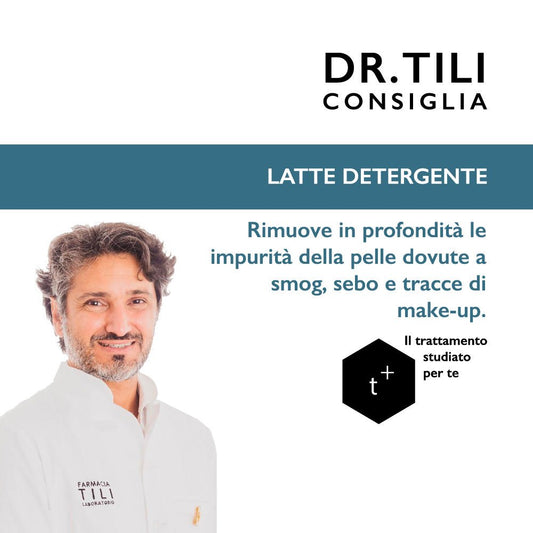
Facial Cleansing Milk 150ml Dr.Tili Skinlab
Vendor:TilabRegular price €18,90Regular priceUnit price per€18,90Sale price €18,90 -
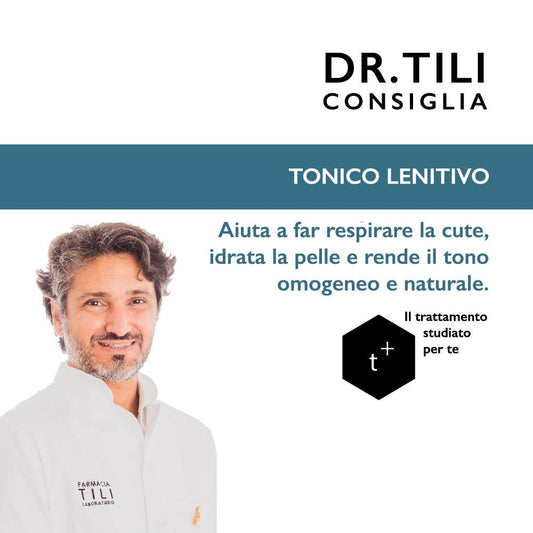
Soothing Facial Toner 125ml Dr.Tili Skinlab
Vendor:TilabRegular price €14,50Regular priceUnit price per€14,50Sale price €14,50 -
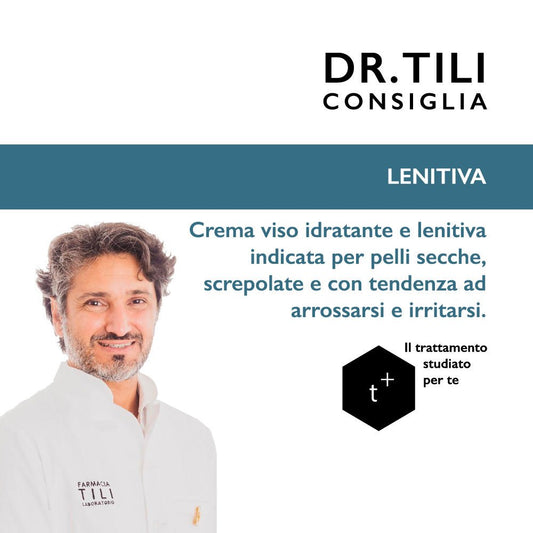
Soothing Face Cream 50ml Dr.Tili Skinlab
Vendor:TilabRegular price €19,50Regular priceUnit price per€19,50Sale price €19,50









-

ASSISTANCE - TELEPHONE ORDERS
-

SHIPPING
Shipping to Italy 24/48H
Delivery also on Saturday and Sunday
Free over €49.90
Shipping to Europe 24/72H
Free over €80 -

SAFETY
The security of your data is important to us!
We strictly comply with the European GDPR regarding
Privacy and processing of personal data
The payments you make on our site are 100% safe and guaranteed -

RETURNS
Fast returns via DIY portal and 14 days to change your mind.
Immediate and free replacements for incorrect or non-compliant products delivered.


