

Aeffe Farmaceutici
Boric acid AFOM 3% 500 ml skin solution
Boric acid AFOM 3% 500 ml skin solution
Couldn't load pickup availability

NET WEIGHT OF THE PRODUCT
NET WEIGHT OF THE PRODUCT
500ml
EAN
EAN
029964057
MINSAN
MINSAN
029964057

In ottemperanza all'articolo 118 “autorizzazione della pubblicità presso il pubblico” del decreto legislativo 24 aprile 2006, numero 219
INDICATIONS
Antiseptic for the disinfection of minor burns and irritated or chapped skin areas. The solution is also used in the form of local tampons with a decongestant action. Boric acid is indicated as an antibacterial for the treatment of acne.
ACTIVE INGREDIENTS
100 ml of solution contains: Active ingredient: boric acid 3 g. For the full list of excipients, see section 6.1.
EXCIPIENTS
Purified water
CONTRAINDICATIONS AND SIDE EFFECTS
Boric acid is contraindicated in case of: - hypersensitivity to the active ingredient or to any of the excipients; - extensive skin lesions; - children under 3 years of age.
DOSAGE
External use: apply as needed to the affected area. Adults: Boric acid can be applied directly once or twice daily to inflamed areas for chapped, irritated or dry skin, abrasions, mild sunburn, sunburn, windburn or insect bites. Children over 3 years: Boric acid can be applied directly once or twice daily to inflamed areas associated with chapped, irritated, or dry skin, diaper rash, mild sunburn, sunburn, windburn, or insect bites.
CONSERVATION
Store below 25°C. Keep the container tightly closed in order to protect the medicine from light
WARNINGS
Excessive and prolonged application on large areas or damaged skin may cause accumulation toxicity. Keep out of reach of children, as deaths have occurred following accidental ingestion. The medicine must not be used for ophthalmic use
INTERACTIONS
There are no known interactions between boric acid for external use and other medicines
SIDE EFFECTS
The absorption of boric acid through intact skin is less than 0.5%; however, it may increase if accidentally administered systemically or applied to wounds or lesions. The following are the side effects of boric acid that occurred in case of accumulation toxicity, after prolonged exposure and following systemic absorption. These effects are organized according to the MedDRA system organic classification. There is insufficient data to establish the frequency of the individual effects listed. Pathologies of the skin and subcutaneous tissue: Dermatitis, skin rashes, alopecia. Gastrointestinal disorders: Gastro-intestinal disorders: nausea, vomiting, diarrhoea. Metabolism and nutrition disorders: Anorexia. Endocrine disorders: Menstrual disorders. Pathologies of the blood and lymphatic system: Anemia. Musculoskeletal system and connective tissue disorders: Weakness. Psychiatric disorders: Confusion. Nervous system disorders: Convulsions.
OVERDOSE
The risk of acute intoxication via the skin appears to be a negligible event given its low transcutaneous absorption index. Boric acid can be absorbed in toxic quantities through the gastrointestinal tract, by inhalation or through skin lesions. Symptoms Following the use of large quantities of boric acid on wounds or sores, cases of poisoning and death have occurred, especially in children. The mechanism of toxic action is unknown and numerous organs and systems are affected, in particular the skin, kidney and digestive tract. The toxic effects also affect the CNS and the lung with lesions, mainly haemorrhagic, of obscure genesis. The main symptoms of boric acid poisoning are vomiting, diarrhea, visceral pain, skin erythema followed by desquamation, CNS stimulation followed by depression, restlessness, headache. Metabolic acidosis and serious salt and water imbalances are also frequent. Furthermore, boric acid in these situations can cause convulsions, changes in body temperature and kidney damage which can be evidenced by oliguria. Death, following circulatory collapse and untreated shock, can occur within 3 to 5 days. Cyanosis, delirium, seizures, and coma (HSDB) may also occur. Cases of serious intoxication manifested themselves with gastrointestinal disorders (73%), central nervous system disorders (67%) and skin lesions (76%). Symptoms of chronic poisoning include anorexia, confusion, debilitation, dermatitis, menstrual disorders, anemia, convulsions and alopecia (see section 4.8). Treatment No treatment is necessary if the dose taken is less than 50 mg/kg. For ingestion of higher doses, gastric lavage is performed with suspension of activated charcoal and saline purgative. If the absorbed quantity exceeds 100 mg/kg, even if the patient is still asymptomatic, forced diuresis must be instituted immediately, in order to accelerate elimination and protect the kidney from toxic effects; at the first signs of renal failure and water overdose, forced diuresis should be replaced with peritoneal dialysis or hemodialysis. The remaining therapy is symptomatic and resuscitative.
PREGNANCY AND BREASTFEEDING
Pregnancy: No clinical data on exposed pregnancies are available. Animal studies are insufficient to demonstrate effects on embryonic/foetal development (see section 5.3). The potential risk for humans is not known, however if the medicine is used in accordance with the instructions for use, absorption is poor and, therefore, the risk of systemic effects is minimal. Breastfeeding: No data are available on the use of the medicine during breastfeeding and it is not known whether this active ingredient passes into breast milk. However, since the absorption of the drug can be considered negligible, it is very unlikely that significant quantities reach the breast milk
EFFECTS ON DRIVING ABILITY
Boric acid does not affect the ability to drive or use machines.
OUR PRODUCTS FOR THIS SEASON
-
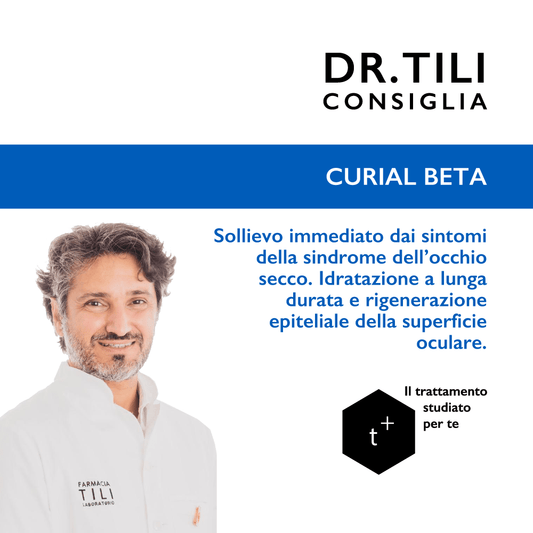
Curial βeta Dry eye supplement 30 capsules Dr.Tili
Vendor:TilpharmaRegular price €22,50Regular priceUnit price per€22,50Sale price €22,50 -
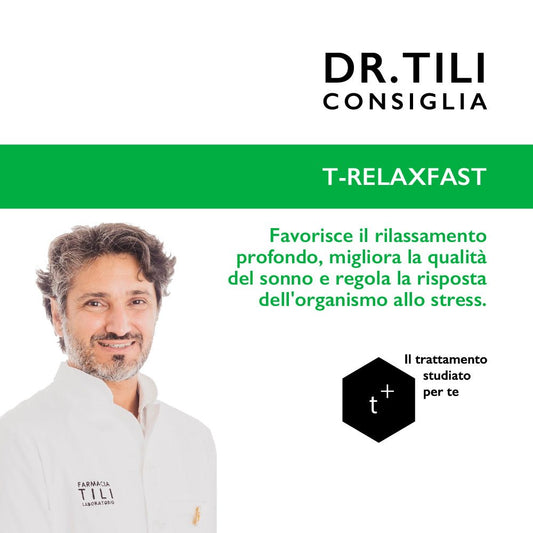
T - Relaxfast Sleep Supplement 60 Capsules Dr.Tili
Vendor:TilpharmaRegular price €24,50Regular priceUnit price per€24,50Sale price €24,50 -
Face Serum C5 Vitamin C 30ml Dr.Tili Skinlab
Vendor:TilabRegular price €62,50Regular priceUnit price per€62,50Sale price €62,50 -
Dr.Tili Skinlab E15 Vitamin E Face Serum 30ml
Vendor:TilabRegular price €32,50Regular priceUnit price per€32,50Sale price €32,50 -
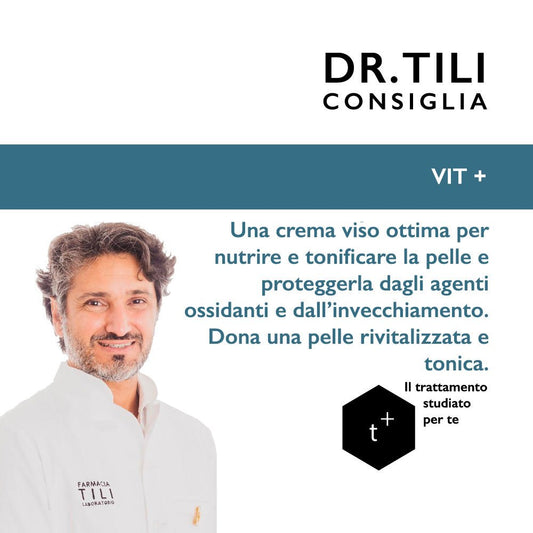
Vit+ Face Vitamin Cream 50ml Dr.Tili Skinlab
Vendor:TilabRegular price €34,00Regular priceUnit price per€34,00Sale price €34,00 -
Anti-aging Facial Treatment Hyaluronic Acid IAL B3 30ml Dr.Tili Skinlab
Vendor:TilabRegular price €46,00Regular priceUnit price per€46,00Sale price €46,00 -
Body Milk Hydra Milk 200Ml. Dr.Tili Skinlab
Vendor:TilabRegular price €16,90Regular priceUnit price per€16,90Sale price €16,90 -
Facial Cleansing Milk 150ml Dr.Tili Skinlab
Vendor:TilabRegular price €18,90Regular priceUnit price per€18,90Sale price €18,90 -
Soothing Facial Toner 125ml Dr.Tili Skinlab
Vendor:TilabRegular price €14,50Regular priceUnit price per€14,50Sale price €14,50 -
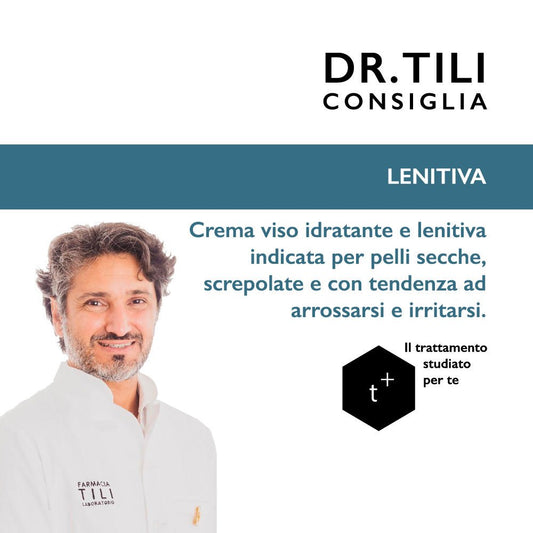
Soothing Face Cream 50ml Dr.Tili Skinlab
Vendor:TilabRegular price €19,50Regular priceUnit price per€19,50Sale price €19,50









-

ASSISTANCE - TELEPHONE ORDERS
-

SHIPPING
Shipping to Italy 24/48H
Delivery also on Saturday and Sunday
Free over €49.90
Shipping to Europe 24/72H
Free over €80 -

SAFETY
The security of your data is important to us!
We strictly comply with the European GDPR regarding
Privacy and processing of personal data
The payments you make on our site are 100% safe and guaranteed -

RETURNS
Fast returns via DIY portal and 14 days to change your mind.
Immediate and free replacements for incorrect or non-compliant products delivered.


