

Opella Healthcare
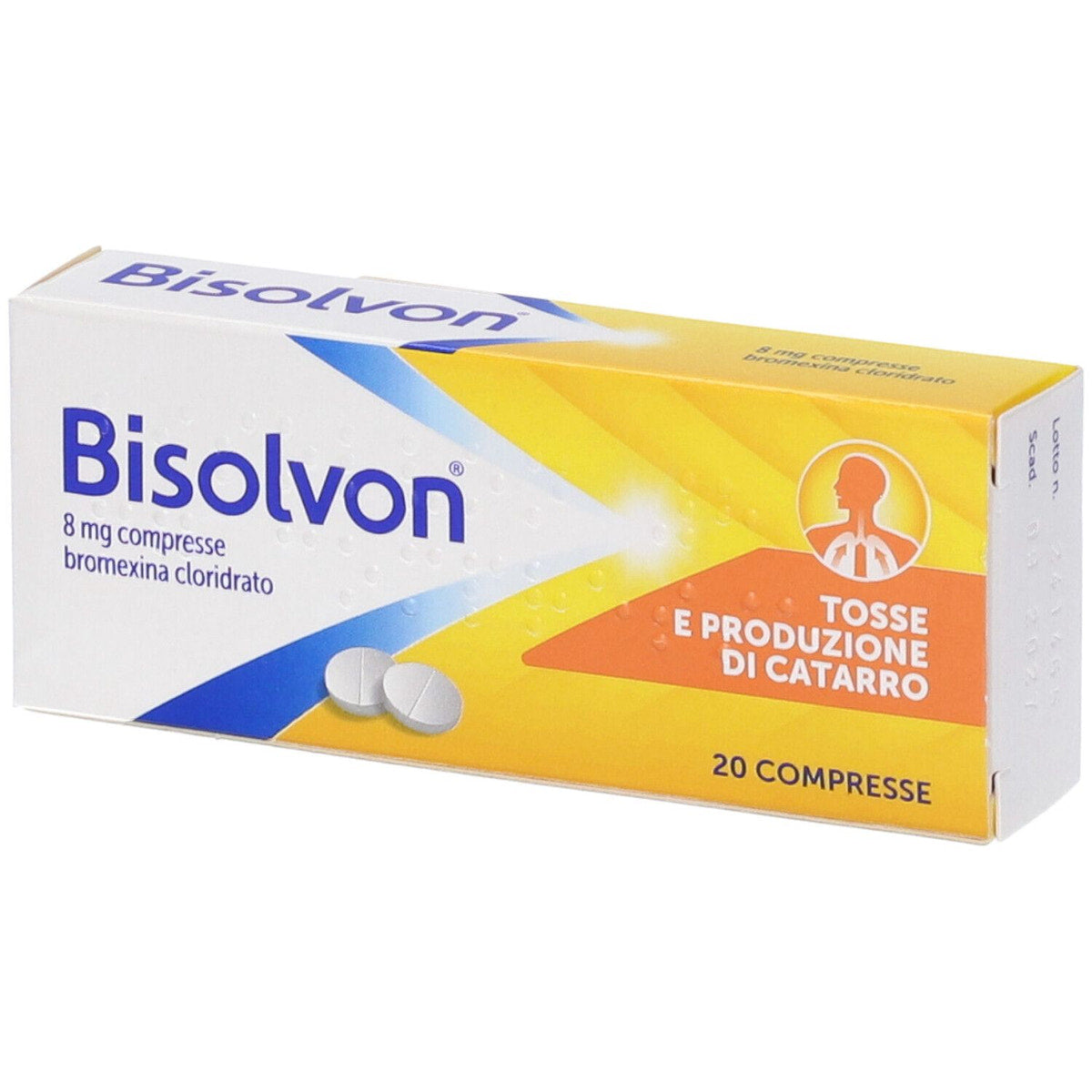
Bisolvon 8 mg 20 tablets
Bisolvon 8 mg 20 tablets
Couldn't load pickup availability

NET WEIGHT OF THE PRODUCT
NET WEIGHT OF THE PRODUCT
20ct
EAN
EAN
021004027
MINSAN
MINSAN
021004027
In ottemperanza all'articolo 118 “autorizzazione della pubblicità presso il pubblico” del decreto legislativo 24 aprile 2006, numero 219
INDICATIONS
Bisolvon is indicated in the treatment of secretion disorders in acute and chronic respiratory diseases.
ACTIVE INGREDIENTS
1 tablet contains: Active ingredient: bromhexine hydrochloride 8 mg. Excipient with known effects: lactose. For the full list of excipients, see section 6.1.
EXCIPIENTS
Lactose, corn starch, magnesium stearate.
CONTRAINDICATIONS AND SIDE EFFECTS
Hypersensitivity to the active substance or to any of the excipients. In case of hereditary conditions which may be incompatible with one of the excipients (see 4.4). There are no absolute contraindications, but its use is recommended in patients with gastroduodenal ulcers after consulting the doctor. Phenylketonuria (limited to the use of Bisolvon granule sachets). Contraindicated during breastfeeding.
DOSAGE
The following dosages are recommended unless otherwise prescribed by a doctor: Adults and children over 12 years: 2 tablets 3 times a day. Children (6 - 12 years): 1 tablet 3 times a day. Early childhood (2 - 6 years): ½ tablet 2 times a day. DO NOT EXCEED THE RECOMMENDED DOSES.
CONSERVATION
This medicinal product does not require any special storage conditions.
WARNINGS
Treatment with Bisolvon involves an increase in bronchial secretion (this promotes expectoration). Do not use for prolonged treatments. When treating acute respiratory conditions, consult your doctor if symptoms do not improve or worsen during therapy. Bisolvon tablets contain lactose, equal to 468 mg for the maximum recommended daily dose. Patients suffering from rare hereditary problems of galactose intolerance, lactase deficiency, glucose/galactose malabsorption syndrome should not take this medicine. Cases of serious skin reactions such as erythema multiforme, Stevens-Johnson syndrome (SJS)/toxic epidermal necrolysis (TEN) and acute generalized exanthematous pustulosis (AGEP) have been reported in association with the administration of bromhexine hydrochloride. If symptoms or signs of progressive skin rash (sometimes associated with blisters or mucosal lesions) are present, treatment with bromhexine hydrochloride should be stopped immediately and a doctor should be consulted. Most of these reactions could be explained by the severity of underlying diseases or other concomitant medications. Furthermore, in the initial phase of Stevens Johnson syndrome or toxic epidermal necrolysis (TEN), patients may initially experience non-specific symptoms similar to those of the flu, such as fever, chills, rhinitis, cough and sore throat. Because of these misleading symptoms, symptomatic treatment with cough and cold therapy may be undertaken.
INTERACTIONS
No confirmed interactions.
SIDE EFFECTS
Frequencies are defined according to the following convention: Very common: ≥ 1/10 Common: ≥ 1/100, < 1/10 Uncommon: ≥ 1/1,000, < 1/100 Rare: ≥ 1/10,000, < 1/1,000 Very rare: < 1/10,000 Not known: the frequency cannot be estimated from the available data. Immune system disorders. Rare: hypersensitivity reactions; Not known: anaphylactic reactions, including anaphylactic shock, angioedema and pruritus. Respiratory, thoracic and mediastinal disorders. Not known: bronchospasm. Gastrointestinal disorders. Uncommon: nausea, vomiting, diarrhea and upper abdominal pain. Pathologies of the skin and subcutaneous tissue. Rare: rash, urticaria; Not known: serious cutaneous adverse reactions (including erythema multiforme, Stevens-Johnson syndrome/toxic epidermal necrolysis and acute generalized exanthematous pustulosis). Reporting of suspected adverse reactions Reporting suspected adverse reactions that occur after authorization of the medicine is important, as it allows continuous monitoring of the benefit/risk balance of the medicine. Healthcare professionals are asked to report any suspected adverse reactions via the national reporting system at http://www.agenziafarmaco.gov.it/it/responsabili.
OVERDOSE
Until now, no specific symptoms of overdose have ever been reported in humans. In reported cases of accidental overdose and/or medication errors, the symptoms observed correspond to the known side effects of Bisolvon at recommended dosages, and symptomatic treatment may be necessary.
PREGNANCY AND BREASTFEEDING
No studies have been conducted to investigate the effects on human fertility. Based on preclinical experience there are no indications of possible effects on fertility following the use of bromhexine. There is limited data on the use of bromhexine in pregnant women. Animal studies do not indicate direct or indirect harmful effects with respect to reproductive toxicity. As a precautionary measure, it is preferable to avoid the use of Bisolvon during pregnancy. It is not known whether bromhexine and its metabolites pass into human milk. Available pharmacodynamic and toxicology data in animals have shown excretion of bromhexine and its metabolites in breast milk. A risk to breastfed infants cannot be excluded. Bisolvon should not be used during breastfeeding.
EFFECTS ON DRIVING ABILITY
No studies on the effects of bromhexine hydrochloride on the ability to drive and use machines have been performed.
OUR PRODUCTS FOR THIS SEASON
-
Curial βeta Dry eye supplement 30 capsules Dr.Tili
Vendor:TilpharmaRegular price €22,50Regular priceUnit price per€22,50Sale price €22,50 -
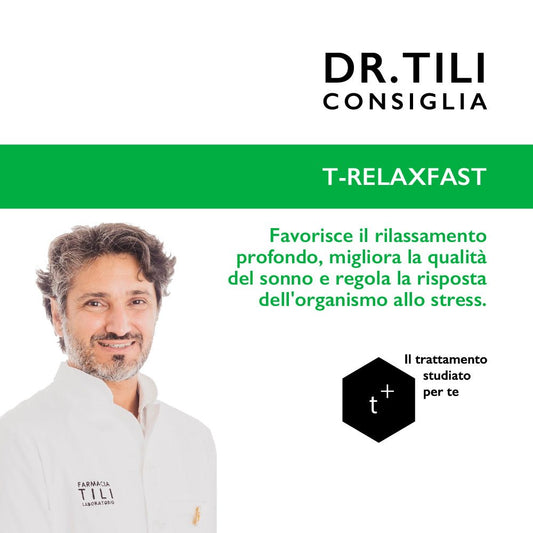
T - Relaxfast Sleep Supplement 60 Capsules Dr.Tili
Vendor:TilpharmaRegular price €24,50Regular priceUnit price per€24,50Sale price €24,50 -
Face Serum C5 Vitamin C 30ml Dr.Tili Skinlab
Vendor:TilabRegular price €62,50Regular priceUnit price per€62,50Sale price €62,50 -
Dr.Tili Skinlab E15 Vitamin E Face Serum 30ml
Vendor:TilabRegular price €32,50Regular priceUnit price per€32,50Sale price €32,50 -
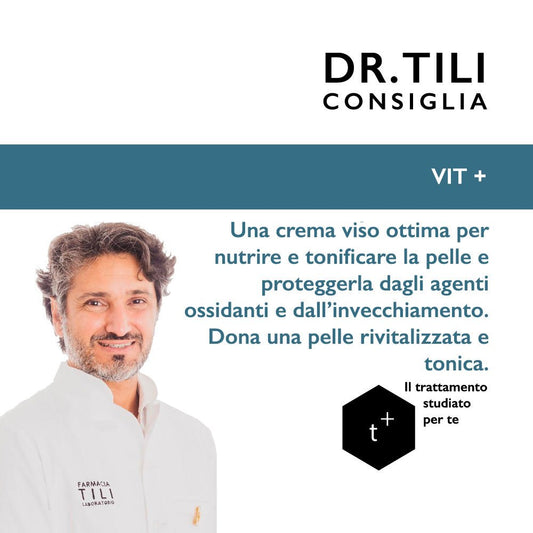
Vit+ Face Vitamin Cream 50ml Dr.Tili Skinlab
Vendor:TilabRegular price €34,00Regular priceUnit price per€34,00Sale price €34,00 -
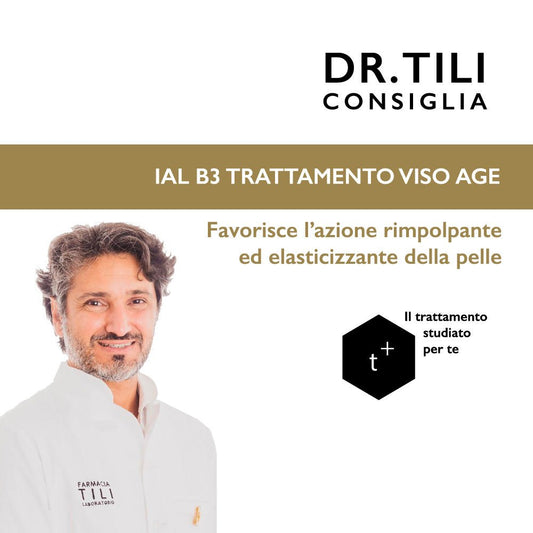
Anti-aging Facial Treatment Hyaluronic Acid IAL B3 30ml Dr.Tili Skinlab
Vendor:TilabRegular price €46,00Regular priceUnit price per€46,00Sale price €46,00 -
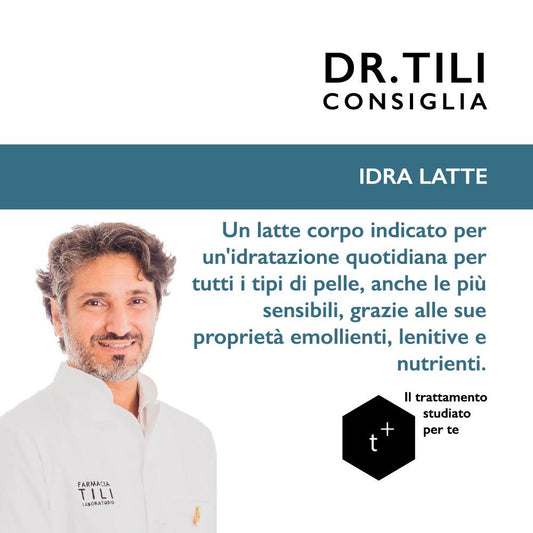
Body Milk Hydra Milk 200Ml. Dr.Tili Skinlab
Vendor:TilabRegular price €16,90Regular priceUnit price per€16,90Sale price €16,90 -
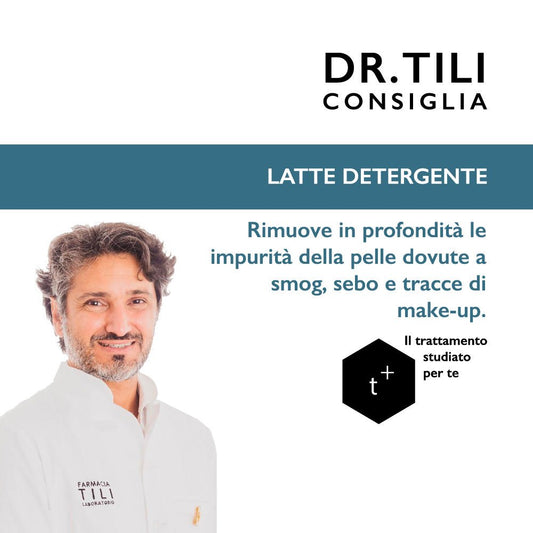
Facial Cleansing Milk 150ml Dr.Tili Skinlab
Vendor:TilabRegular price €18,90Regular priceUnit price per€18,90Sale price €18,90 -
Soothing Facial Toner 125ml Dr.Tili Skinlab
Vendor:TilabRegular price €14,50Regular priceUnit price per€14,50Sale price €14,50 -
Soothing Face Cream 50ml Dr.Tili Skinlab
Vendor:TilabRegular price €19,50Regular priceUnit price per€19,50Sale price €19,50












-

ASSISTANCE - TELEPHONE ORDERS
-

SHIPPING
Shipping to Italy 24/48H
Delivery also on Saturday and Sunday
Free over €49.90
Shipping to Europe 24/72H
Free over €80 -

SAFETY
The security of your data is important to us!
We strictly comply with the European GDPR regarding
Privacy and processing of personal data
The payments you make on our site are 100% safe and guaranteed -

RETURNS
Fast returns via DIY portal and 14 days to change your mind.
Immediate and free replacements for incorrect or non-compliant products delivered.


