

Bayer
Becozym 20 gastro-resistant tablets
Becozym 20 gastro-resistant tablets

Couldn't load pickup availability

NET WEIGHT OF THE PRODUCT
NET WEIGHT OF THE PRODUCT
20ct
EAN
EAN
005647033
MINSAN
MINSAN
005647033

In ottemperanza all'articolo 118 “autorizzazione della pubblicità presso il pubblico” del decreto legislativo 24 aprile 2006, numero 219
INDICATIONS
The administration of Becozym on a prophylactic basis is indicated in cases of increased need for B vitamins (for example pregnancy, breastfeeding), insufficient absorption (digestive disorders), nutritional imbalances (uniform diets), i.e. in all cases in which the body risks not taking in sufficient quantities of vitamin B. Glossitis, cheilitis, anorexia (for example during feverish illnesses) with weight loss, growth retardation of the child, asthenia, in case of prolonged antibiotic therapy, intestinal absorption disorders during gastrointestinal diseases. As an adjuvant in liver disease and neuritis, treatment of the after-effects of chronic alcoholism attributable to a vitamin deficiency.
ACTIVE INGREDIENTS
A gastro-resistant tablet contains: thiamine nitrate (Vit. B1) 15 mg, riboflavin (Vit. B2) 15 mg, nicotinamide 50 mg, pyridoxine hydrochloride (Vit. B6) 10 mg, calcium pantothenate 25 mg, cyanocobalamin 10 mg (Vit. B12 0.1%), biotin 150 mg. Excipients with known effects: 49.9 mg of lactose and 224.2 mg of sucrose For the full list of excipients, see section 6.1.
EXCIPIENTS
Lactose monohydrate, light magnesium oxide, povidone K90, talc, magnesium stearate, sucrose, methacrylic acid-ethyl acrylate copolymer (1:1), macrogol 6000, red iron oxide (E 172), black iron oxide (E 172), yellow iron oxide (E 172), cocoa flavouring, ethyl vanillin, rice starch, glycolated mountain wax.
CONTRAINDICATIONS AND SIDE EFFECTS
Hypersensitivity to the active substance or to any of the excipients listed in paragraph 6.1.
DOSAGE
Becozym is indicated in adults and children over 12 years of age. Dosage: For curative purposes: 2-3 gastro-resistant tablets per day, attack dose in case of symptoms of clear deficiency or insufficient absorption (for example following diarrhea, enteritis, steatorrhea, sprue). In antibacterial treatments: as a prophylactic, 1 gastro-resistant tablet per day. Becozym is not recommended in children under 12 years of age as there are no efficacy and safety data available for this age group. Method of administration: Oral use. Swallow the gastro-resistant tablets without chewing them, with a little liquid.
CONSERVATION
Do not store above 30°C
WARNINGS
The yellow color of the urine after administration of Becozym is due to vitamin B2 (riboflavin). Do not exceed the recommended doses. Acute and chronic overdose increases the risk of side effects. Attention should be paid to the intake of the same vitamins from all other sources including fortified foods, food supplements and concomitant medicinal products (see section 4.9). Patients receiving other mono- or multivitamin preparations, any other medicines, or who are on a limited diet or under medical supervision, should consult a doctor before taking this medicine. Becozym should be used to treat vitamin B12 deficiency only if this is of food origin and not in patients with atrophic gastritis, ileal or pancreatic disorders and gastrointestinal malabsorption of vitamin B12 or intrinsic factor deficiency. Patients with severe kidney failure should consult their doctor before taking this medicine because a dosage adjustment may be necessary. Particular attention should be paid to the daily dosage of Vitamin B6. Interference with clinical laboratory tests: Biotin may interfere with laboratory diagnostic tests based on the biotin/streptavidin interaction, producing falsely decreased or falsely increased results, depending on the test used. The risk of interference is greater in children and patients with renal insufficiency and increases with increasing dose. Possible biotin interference should be taken into account when interpreting laboratory test results, especially if a lack of consistency with the clinical presentation is observed (e.g., thyroid test results suggesting Graves' disease in asymptomatic patients taking biotin or false-negative troponin test results in patients with myocardial infarction taking biotin). In cases of suspected interference, alternative diagnostic tests that are not sensitive to interference with biotin should be used, if available. Laboratory personnel should be consulted when ordering laboratory tests in patients taking biotin. Vitamin B1 and Vitamin B6 may interfere with laboratory tests leading to false reading of results (see section 4.5). Inform your doctor if you are taking this medicine and need laboratory tests. Information on excipients: The medicine contains 49.9 mg of lactose. Patients suffering from rare hereditary problems of galactose intolerance, total lactase deficiency, or glucose-galactose malabsorption should not take this medicine. The medicine contains 224.2 mg of sucrose. Patients suffering from rare hereditary problems of fructose intolerance, glucose-galactose malabsorption, or sucrase isomaltase insufficiency should not take this medicine.
INTERACTIONS
Various potential interactions relating to the individual active ingredients of Becozym are reported in the literature, therefore patients receiving any other medicine or therapy should consult a doctor before taking this medicine. Interactions with other medicines for active ingredient contained in Becozym: - Vitamin B6 : Vitamin B6 enhances the metabolism of levodopa reducing its anti-parkinsonian effects. This interaction, however, does not occur when carbidopa is used together with levodopa. - Vitamin B12 : the chloramphenicol it can delay or interrupt the response of reticulocytes to vitamin B12 therefore it is necessary to monitor the blood count in case of concomitant intake. Interactions with laboratory tests for the active ingredient contained in Becozym: - Vitamin B1 and Vitamin B6 : Vitamin B1 and/or Vitamin B6 can give rise to false positives in the determination ofurobilinogen in the test with Ehrilch's reagent.
SIDE EFFECTS
The adverse reactions listed below were identified during the period following the approval of the medicine. Since these reactions derive from spontaneous reports it is not possible to estimate their frequency. Gastrointestinal disorders: Gastrointestinal and abdominal pain, constipation, vomiting, diarrhea, nausea. Immune system disorders: Allergic reaction, anaphylactic reaction, anaphylactic shock. Hypersensitivity reactions with corresponding laboratory and clinical manifestations include asthma syndrome, mild to moderate reactions affecting the skin, respiratory tract, gastrointestinal tract and/or cardiovascular system. Symptoms may include: rash, urticaria, facial edema, erythema, pruritus, wheezing, cardio-respiratory distress, and severe reactions including anaphylactic shock. If an allergic reaction occurs, discontinue treatment and consult a doctor. Nervous system disorders: Headache. Renal and urinary disorders: Chromaturia. Reporting of suspected adverse reactions. Reporting suspected adverse reactions that occur after authorization of the medicine is important, as it allows continuous monitoring of the benefit/risk balance of the medicine. Healthcare professionals are asked to report any suspected adverse reactions via the national reporting system at https://www.aifa.gov.it/content/segnalazioni-reazioni-avverse.
OVERDOSE
When used correctly, this product does not cause overdose. Attention should be paid to the concomitant intake of vitamins from all sources. Common manifestations of an overdose may include confusion and gastrointestinal disturbances such as constipation, diarrhea, nausea and vomiting. If these symptoms occur, stop treatment and consult a doctor. An acute or chronic overdose (for example up to 10 times the recommended dose) can cause specific toxicity phenomena associated with Vitamin B6. The specific clinical signs, symptoms, diagnostic findings and consequences that an overdose can have are very different and depend on individual susceptibility and the circumstances of the case. Daily intake of more than 40 mg of Vitamin B6 (pyridoxine) in children aged 4-8 years, or more than 60 mg in children aged 9-13 years, or more than 80 mg in adolescents aged 14-18 years, and more than 100 mg in adults increases the risk of sensory axonal neuropathy. Central level effects have also been described. Symptoms of neuropathy have been reported most commonly after chronic ingestion of daily doses of 200 to 6000 mg over several months to years. The neuropathy gradually improved in all cases after discontinuation of pyridoxine treatment.
PREGNANCY AND BREASTFEEDING
Fertility: There is no evidence to suggest that normal levels of vitamins contained in the medicinal product may have any adverse effect on reproduction in humans. Pregnancy and breastfeeding: Since there are insufficient controlled clinical studies evaluating the risk of therapy with the medicine during pregnancy and breastfeeding, Becozym should be administered during pregnancy and breastfeeding only when clinically indicated and recommended by the doctor. The recommended dose should not be exceeded as chronic overdose could be harmful to the fetus and newborn. Particular attention must be paid to the concomitant intake of vitamins from all other sources. The vitamins contained in the medicine are excreted in breast milk. This must be taken into account.
EFFECTS ON DRIVING ABILITY
Becozym does not affect the ability to drive or use machines.
OUR PRODUCTS FOR THIS SEASON
-
Curial βeta Dry eye supplement 30 capsules Dr.Tili
Vendor:TilpharmaRegular price €22,50Regular priceUnit price per€22,50Sale price €22,50 -
T - Relaxfast Sleep Supplement 60 Capsules Dr.Tili
Vendor:TilpharmaRegular price €24,50Regular priceUnit price per€24,50Sale price €24,50 -
Face Serum C5 Vitamin C 30ml Dr.Tili Skinlab
Vendor:TilabRegular price €62,50Regular priceUnit price per€62,50Sale price €62,50 -
Dr.Tili Skinlab E15 Vitamin E Face Serum 30ml
Vendor:TilabRegular price €32,50Regular priceUnit price per€32,50Sale price €32,50 -
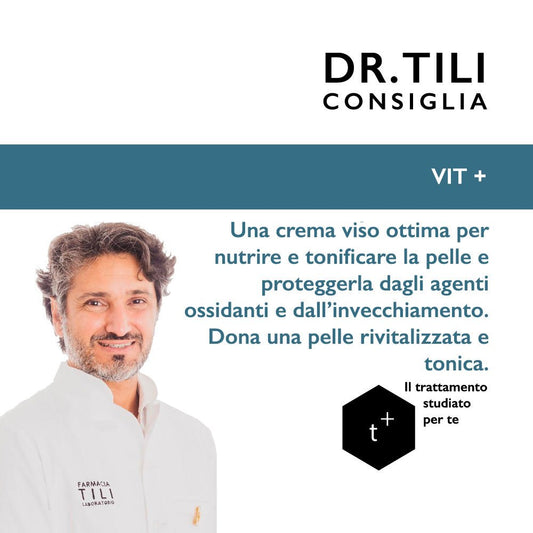
Vit+ Face Vitamin Cream 50ml Dr.Tili Skinlab
Vendor:TilabRegular price €34,00Regular priceUnit price per€34,00Sale price €34,00 -
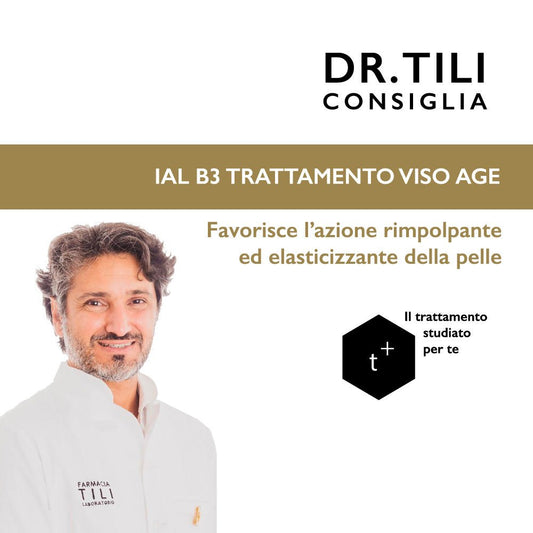
Anti-aging Facial Treatment Hyaluronic Acid IAL B3 30ml Dr.Tili Skinlab
Vendor:TilabRegular price €46,00Regular priceUnit price per€46,00Sale price €46,00 -
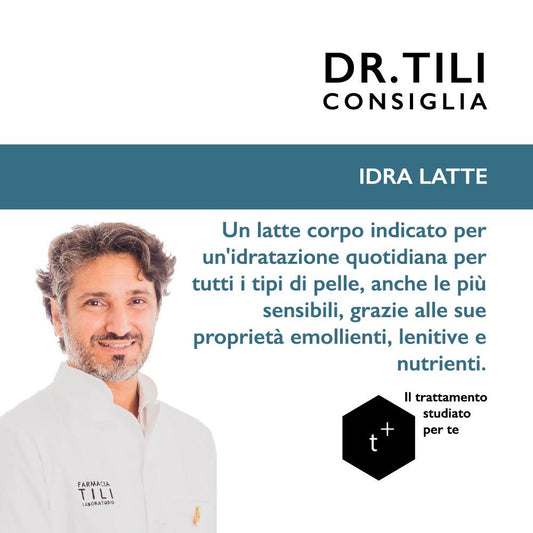
Body Milk Hydra Milk 200Ml. Dr.Tili Skinlab
Vendor:TilabRegular price €16,90Regular priceUnit price per€16,90Sale price €16,90 -
Facial Cleansing Milk 150ml Dr.Tili Skinlab
Vendor:TilabRegular price €18,90Regular priceUnit price per€18,90Sale price €18,90 -
Soothing Facial Toner 125ml Dr.Tili Skinlab
Vendor:TilabRegular price €14,50Regular priceUnit price per€14,50Sale price €14,50 -
Soothing Face Cream 50ml Dr.Tili Skinlab
Vendor:TilabRegular price €19,50Regular priceUnit price per€19,50Sale price €19,50














-

ASSISTANCE - TELEPHONE ORDERS
-

SHIPPING
Shipping to Italy 24/48H
Delivery also on Saturday and Sunday
Free over €49.90
Shipping to Europe 24/72H
Free over €80 -

SAFETY
The security of your data is important to us!
We strictly comply with the European GDPR regarding
Privacy and processing of personal data
The payments you make on our site are 100% safe and guaranteed -

RETURNS
Fast returns via DIY portal and 14 days to change your mind.
Immediate and free replacements for incorrect or non-compliant products delivered.


