

Dompé
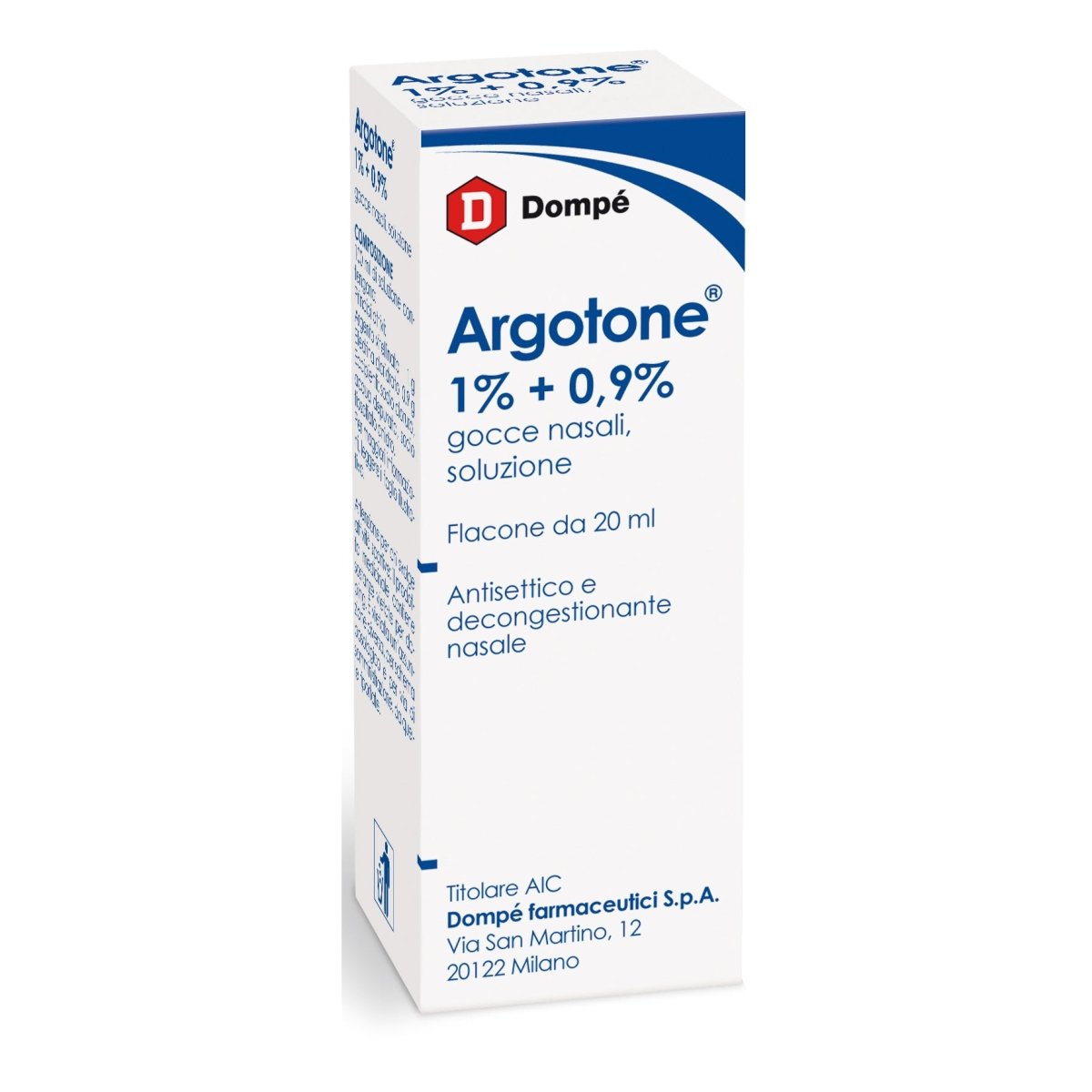
Argotone 1% + 0.9% 20 ml nasal drops solution
Argotone 1% + 0.9% 20 ml nasal drops solution
Couldn't load pickup availability

NET WEIGHT OF THE PRODUCT
NET WEIGHT OF THE PRODUCT
20ml
EAN
EAN
003950019
MINSAN
MINSAN
003950019
In ottemperanza all'articolo 118 “autorizzazione della pubblicità presso il pubblico” del decreto legislativo 24 aprile 2006, numero 219
INDICATIONS
Antiseptic and nasal decongestant.
ACTIVE INGREDIENTS
100 ml of solution contains: - Vitellinate silver 1 g - Ephedrine hydrochloride 0.9 g For the complete list of excipients, see paragraph 6.1.
EXCIPIENTS
- Sodium chloride - Anhydrous sodium thiosulphate - Purified water
CONTRAINDICATIONS AND SIDE EFFECTS
Hypersensitivity to the active ingredients, to sympathomimetic amines in general or to any of the excipients listed in paragraph 6.1, Heart disease and severe arterial hypertension, Glaucoma, Prostatic hypertrophy, Hyperthyroidism, Pheochromocytoma. Do not administer during or in the two weeks following therapy with monoamine oxidase inhibitors (MAOIs). The drug is contraindicated in children under 12 years of age.
DOSAGE
Adults and children over 12 years: 3 drops in each nostril 2-3 times a day. Treatment must not be continued for more than 7 days. Carefully follow the recommended doses. A higher dosage of the product, even if taken topically and for a short period of time, can give rise to serious systemic effects.
CONSERVATION
THIS MEDICINAL PRODUCT DOES NOT REQUIRE ANY SPECIAL STORAGE CONDITIONS For storage conditions after first opening see section 6.3
WARNINGS
In patients with cardiovascular diseases, and in hypertensive patients, the use of nasal decongestants must be subject to the doctor's judgment from time to time. Cardiovascular effects may be observed with the use of sympathetic mimetic drugs, such as Argotone. There is evidence, from post-marketing data and published literature, of rare cases of myocardial ischemia in association with the use of beta agonists. Patients taking Argotone should be advised to seek medical advice if they experience chest pain or other symptoms of worsening of a pre-existing heart condition. Attention should be paid to the evaluation of symptoms such as dyspnea and chest pain, as they can be of both respiratory and cardiac origin. The prolonged use of vasoconstrictors can alter the normal function of the mucosa of the nose and paranasal sinuses, also inducing addiction to the drug. Repeating applications for longer periods than recommended can, therefore, be harmful. Use with caution in diabetics and, due to the risk of urinary retention, in elderly subjects. The use of topical products, especially if prolonged, can give rise to sensitization phenomena; in this case it is necessary to interrupt treatment and, if necessary, institute appropriate therapy. In the absence of a complete therapeutic response within a few days, consult your doctor; in any case, the treatment must not be continued for more than a week. Carefully follow the recommended doses. The medicine, if accidentally ingested or if used for a long period in excessive doses, can cause toxic phenomena. It should be kept out of the reach of children. It should not be used orally. Avoid contact of the liquid with the eyes.
INTERACTIONS
Ephedrine reduces the plasma half-life of corticosteroids. Asthma patients being treated with these drugs should therefore avoid taking ephedrine-based products. Ephedrine contained in ARGOTONE can interact negatively with monoamine oxidase inhibitors (MAOIs). The administration of the product during or in the two weeks following antidepressant drug therapy is consequently contraindicated. Ephedrine may reduce the pharmacological effectiveness of antihypertensive drugs; associated with clonidine, it can cause an increase in norepinephrine levels and an increase in blood pressure with an increased risk of arrhythmias. Urinary excretion of ephedrine is pH dependent; acetazolamide, antacids, ammonium chloride and sodium bicarbonate are able to alkalinize the urine, and consequently slow down the elimination of ephedrine. The contemporary association of ephedrine with digoxin, phenylpropanolamine, cyclopropane and pseudoephedrine is associated with a greater risk of adverse cardiovascular events (increased risk of arrhythmias). Reserpine, causing norepinephrine depletion, may reduce the effectiveness of ephedrine. Theophylline may cause a greater incidence of central and gastrointestinal adverse effects, which occur following the administration of ephedrine. Thyroid hormones: Caution is required in the concomitant use of sympathetic mimetics and thyroid hormones. Volatile anaesthetics: Ephedrine should be avoided in patients undergoing anesthetic treatment with halogenated anaesthetics.
SIDE EFFECTS
The medicine can cause local sensitization or rebound mucous congestion phenomena. The following side effects have been reported with the use of systemic ephedrine and may occur following the use of ephedrine-based nasal drops. Undesirable effects are described according to system organ class according to MedDRA and on the basis of the frequency estimated from post-marketing experience. Frequencies are defined as follows: very common (≥1/10); common (≥1/100, <1/10); uncommon: (≥1/1,000, <1/100); rare (≥1/10,000, <1/1000); very rare (<1/10,000); not known (frequency cannot be estimated from the available data). Nervous system disorders Not known: Headache, restlessness, insomnia, tolerance Cardiac diseases Not known: Tachycardia, palpitations, myocardial ischemia Vascular pathologies Not known: Hypertension Respiratory, thoracic and mediastinal disorders Not known: Dyspnoea Renal and urinary disorders Not known: Nocturia in patients with prostate hyperplasia, urinary retention Pathologies of the skin and subcutaneous tissue Not known: Hyperhidrosis, rash Immune system disorders Not known: Hypersensitivity Reporting of suspected adverse reactions Reporting suspected adverse reactions that occur after authorization of the medicine is important, as it allows continuous monitoring of the benefit/risk balance of the medicine. Healthcare professionals are asked to report any suspected adverse reactions via the national reporting system at: http://www.agenziafarmaco.gov.it/content/come-segnalare-una-sospetti-reazione-avversa.
OVERDOSE
In case of overdose (e.g. accidental oral intake), central depression and sedation, i.e. episodes of excitement with agitation, hypertensive crisis and facial congestion, may appear in children.
PREGNANCY AND BREASTFEEDING
It is advisable not to use the drug during pregnancy or while breastfeeding. Pregnancy Ephedrine crosses the placental barrier and has been associated with increased fetal heart rate. Breastfeeding Ephedrine is present in breast milk. The effects on infants are unknown: it has been reported that ephedrine can cause irritability and disturbed sleep in infants when used during breastfeeding.
EFFECTS ON DRIVING ABILITY
Not known.
OUR PRODUCTS FOR THIS SEASON
-
Curial βeta Dry eye supplement 30 capsules Dr.Tili
Vendor:TilpharmaRegular price €22,50Regular priceUnit price per€22,50Sale price €22,50 -
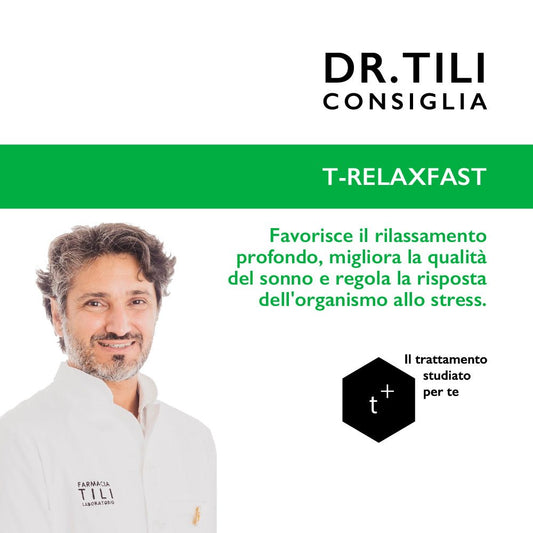
T - Relaxfast Sleep Supplement 60 Capsules Dr.Tili
Vendor:TilpharmaRegular price €24,50Regular priceUnit price per€24,50Sale price €24,50 -
Face Serum C5 Vitamin C 30ml Dr.Tili Skinlab
Vendor:TilabRegular price €62,50Regular priceUnit price per€62,50Sale price €62,50 -
Dr.Tili Skinlab E15 Vitamin E Face Serum 30ml
Vendor:TilabRegular price €32,50Regular priceUnit price per€32,50Sale price €32,50 -
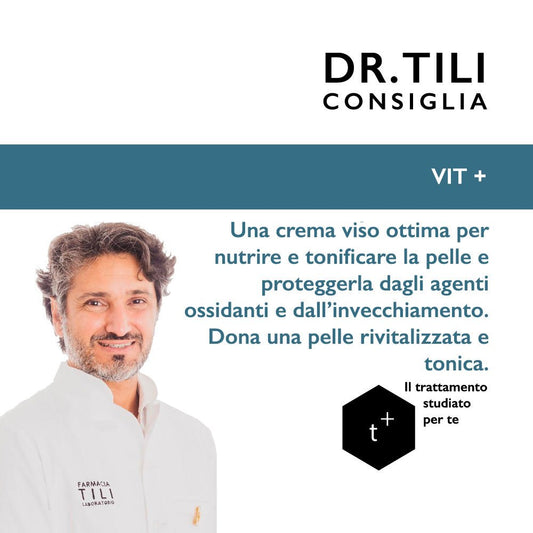
Vit+ Face Vitamin Cream 50ml Dr.Tili Skinlab
Vendor:TilabRegular price €34,00Regular priceUnit price per€34,00Sale price €34,00 -
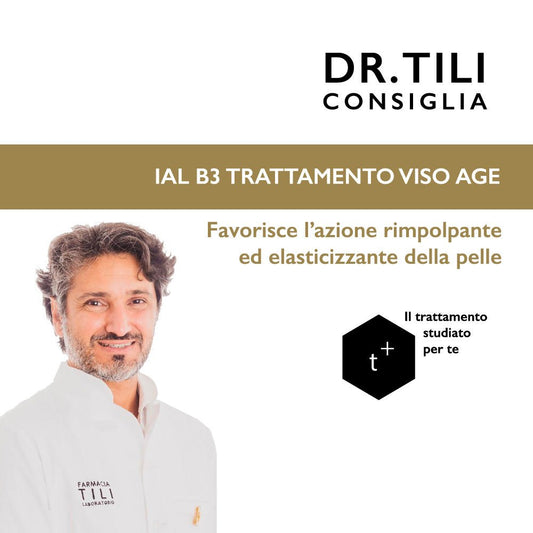
Anti-aging Facial Treatment Hyaluronic Acid IAL B3 30ml Dr.Tili Skinlab
Vendor:TilabRegular price €46,00Regular priceUnit price per€46,00Sale price €46,00 -
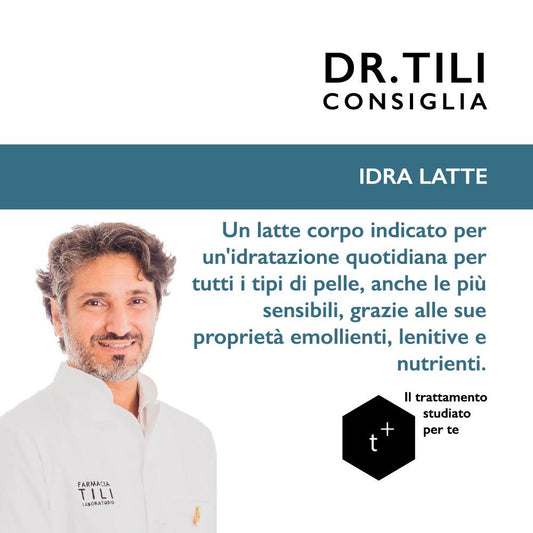
Body Milk Hydra Milk 200Ml. Dr.Tili Skinlab
Vendor:TilabRegular price €16,90Regular priceUnit price per€16,90Sale price €16,90 -
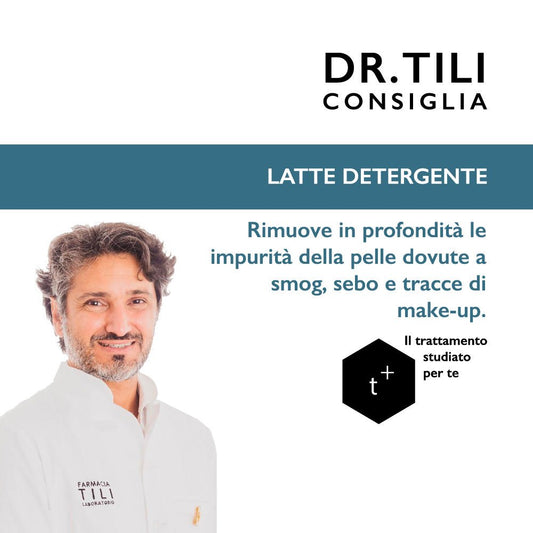
Facial Cleansing Milk 150ml Dr.Tili Skinlab
Vendor:TilabRegular price €18,90Regular priceUnit price per€18,90Sale price €18,90 -
Soothing Facial Toner 125ml Dr.Tili Skinlab
Vendor:TilabRegular price €14,50Regular priceUnit price per€14,50Sale price €14,50 -
Soothing Face Cream 50ml Dr.Tili Skinlab
Vendor:TilabRegular price €19,50Regular priceUnit price per€19,50Sale price €19,50












-

ASSISTANCE - TELEPHONE ORDERS
-

SHIPPING
Shipping to Italy 24/48H
Delivery also on Saturday and Sunday
Free over €49.90
Shipping to Europe 24/72H
Free over €80 -

SAFETY
The security of your data is important to us!
We strictly comply with the European GDPR regarding
Privacy and processing of personal data
The payments you make on our site are 100% safe and guaranteed -

RETURNS
Fast returns via DIY portal and 14 days to change your mind.
Immediate and free replacements for incorrect or non-compliant products delivered.


