

Angelini Acraf
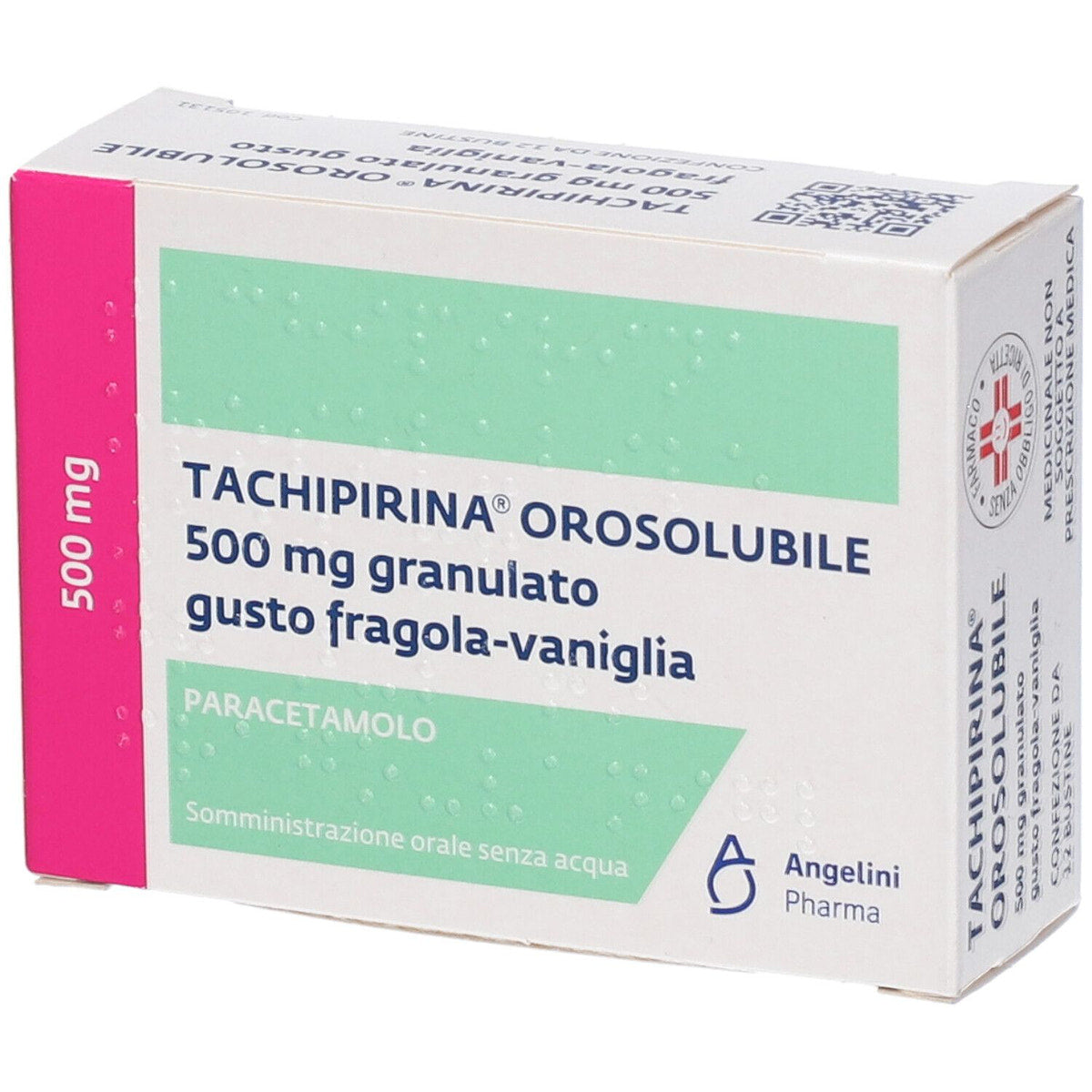
Tachipirina Orosolubile 12 Sachets 500 mg
Tachipirina Orosolubile 12 Sachets 500 mg
Couldn't load pickup availability

NET WEIGHT OF THE PRODUCT
NET WEIGHT OF THE PRODUCT
12ct
EAN
EAN
040313049
MINSAN
MINSAN
040313049
In compliance with article 118 "authorization of advertising to the public" of the legislative decree of 24 April 2006, number 219
INDICATIONS
OROSOLUBLE TACHIPIRINA is indicated for the symptomatic treatment of mild to moderate pain and fever.
CONTRAINDICATIONS
Hypersensitivity to the active substance or to any of the excipients listed in paragraph 6.1. • severe kidney failure • alcohol abuse
WARNINGS AND PRECAUTIONS FOR USE
To avoid the risk of overdose, it is necessary to check that any other drugs taken concurrently do not contain paracetamol. Paracetamol should be administered with caution to patients with mild to moderate hepatocellular insufficiency (including Gilbert's syndrome), severe hepatic insufficiency (Child-Pugh >9), acute hepatitis, in concomitant treatment with drugs that impair liver function, glucose-6-phosphate dehydrogenase deficiency, haemolytic anemia, chronic alcohol abuse, severe renal insufficiency (creatinine clearance < 10 ml/min. [see section 4.2]). If there is a high fever or signs of secondary infection, or if symptoms persist for more than 3 days, you should consult your doctor. In general, medicines containing paracetamol can only be taken for a few days and in low doses without consulting your doctor or dentist. In case of prolonged incorrect use of analgesics at high doses, headache episodes may occur which should not be treated with higher doses of the drug. In general, the habitual intake of analgesics, especially a combination of different analgesic substances, can cause permanent kidney damage with the risk of renal failure (analgesic nephropathy). Prolonged or frequent use is not recommended. Patients should be advised not to take other products containing paracetamol at the same time. Taking multiple daily doses in a single administration can seriously damage the liver. In this case, the patient does not lose consciousness, but a doctor should be consulted immediately. Prolonged use without medical supervision may be harmful. In children treated with 60 mg/kg per day of paracetamol, the association with another antipyretic is not justified except in cases of ineffectiveness. Suddenly stopping taking analgesics after a prolonged period of incorrect use, at high doses, can cause headache, fatigue, muscle pain, nervousness and autonomic symptoms. These withdrawal symptoms resolve within a few days. Until that time, further intake of painkillers should be avoided and should not be resumed without consulting your doctor. Caution should be exercised if paracetamol is taken in association with CYP3A4 inducers or the use of substances that induce hepatic enzymes such as rifampicin, cimetidine and antiepileptics such as glutethimide, phenobarbital and carbamazepine. Caution should be exercised when administering paracetamol to patients with renal insufficiency (creatinine clearance ≤ 30 ml/min., see section 4.2). Consumption of alcohol should be avoided during treatment with paracetamol. The risks of overdose are greater in patients with non-cirrhotic alcoholic liver disease. Caution should be exercised in case of chronic alcoholism. In patients with alcohol abuse the dose should be reduced (see section 4.2). In this case, the daily dose should not exceed 2 grams. OROSOLUBLE TACHIPIRINA contains: - sorbitol: This medicine contains 801.30 mg of sorbitol per sachet. Patients with hereditary fructose intolerance should not be given this medicine; The additive effect of co-administration of medicinal products containing sorbitol (or fructose) and daily dietary intake of sorbitol (or fructose) should be considered. The sorbitol content in oral medicinal products may modify the bioavailability of other co-administered oral medicinal products. - sucrose patients suffering from rare hereditary problems of fructose intolerance, glucose-galactose malabsorption or sucrase isomaltase insufficiency should not take this medicine; - propylene glycol: This medicine contains 1.315 mg of propylene glycol per sachet. Coadministration with any alcohol dehydrogenase substrate such as ethanol may induce serious adverse effects in neonates; - sodium: This medicine contains less than 1 mmol (23 mg) sodium per sachet, i.e. “essentially sodium-free”. In the presence of high fever or signs of secondary infection or persistence of symptoms beyond 3 days, a re-evaluation of the treatment should be carried out. Doses higher than recommended imply the risk of very serious liver injury. Treatment with the antidote should be administered as soon as possible (see section 4.9). Paracetamol should be used with caution in cases of dehydration and chronic malnutrition.
INTERACTIONS
The intake of probenecid inhibits the binding of paracetamol to glucuronic acid, resulting in a reduction in the clearance of paracetamol approximately twofold. In patients taking probenecid concomitantly, the dose of paracetamol should be reduced. The metabolism of paracetamol is increased in patients taking enzyme-inducing medicines, such as rifampin and some antiepileptics (carbamazepine, phenytoin, phenobarbital, primidone). Some isolated reports describe unexpected hepatotoxicity in patients taking enzyme-inducing drugs. Concomitant administration of paracetamol and AZT (zidovudine) increases the tendency to neutropenia. Therefore, co-administration of this drug together with AZT should only take place on the advice of your doctor. Concomitant intake of drugs that accelerate gastric emptying, such as metoclopramide, accelerates the absorption and onset of action of paracetamol. The concomitant use of drugs that slow gastric emptying can delay the absorption and onset of action of paracetamol. Cholestyramine reduces the absorption of paracetamol and, therefore, cannot be administered until one hour has passed after administration of paracetamol. Repeated intake of paracetamol for periods longer than one week increases the effect of anticoagulants, particularly warfarin. Therefore, long-term administration of paracetamol in patients treated with anticoagulants should only take place under medical supervision. Occasional intake of paracetamol has no significant effect on bleeding tendency. Effects on laboratory tests Paracetamol can interfere with uric acid determinations that use phosphotungstic acid and with blood glucose determinations that use the glucose-oxidase-peroxidase reaction. Probenecid causes an almost two-fold reduction in the clearance of paracetamol by inhibiting its conjugation with glucuronic acid. A reduction in paracetamol should be considered in case of concomitant treatment with probenecid. Paracetamol increases plasma levels of acetylsalicylic acid and chloramphenicol.
SIDE EFFECTS
The MedDRA system organ classification is used with the following frequencies: very common (≥ 1/10), common (≥ 1/100, < 1/10), uncommon (≥ 1/1,000, < 1/100), rare (≥ 1/10,000, < 1/1,000), very rare (<1/10,000).
SOC/FREQUENCY | Adverse reactions
Pathologies of the blood and lymphatic system
Rare | anemia, non-hemolytic anemias and bone marrow depression; thrombocytopenia
Vascular pathologies:
Rare | edema
Gastrointestinal disorders
Rare | exocrine pancreas conditions, acute and chronic pancreatitis, gastrointestinal bleeding, abdominal pain, diarrhea, nausea, vomiting
Hepatobiliary disorders
Rare | hepatic failure, hepatic necrosis, jaundice
Immune system disorders
Rare | allergic conditions, anaphylactic reaction, allergies to foods, food additives, drugs and other chemicals
Pathologies of the skin and subcutaneous tissue
Rare | urticaria, itching, rash, sweating, purpura, angioedema
Very rare | Very rare cases of serious skin reactions have been reported
Renal and urinary disorders
Rare | nephropathies, nephropathies and tubular disorders
Very rare cases of serious skin reactions have been reported. Nephrotoxic effects are infrequent and have not been reported in association with therapeutic doses, except after prolonged administration. Reporting of suspected adverse reactions. Reporting suspected adverse reactions that occur after authorization of the medicine is important, as it allows continuous monitoring of the benefit/risk balance of the medicine. Healthcare professionals are asked to report any suspected adverse reactions via the national reporting system at https://www.aifa.gov.it/content/segnalazioni-reazioni-avverse.
OUR PRODUCTS FOR THIS SEASON
-
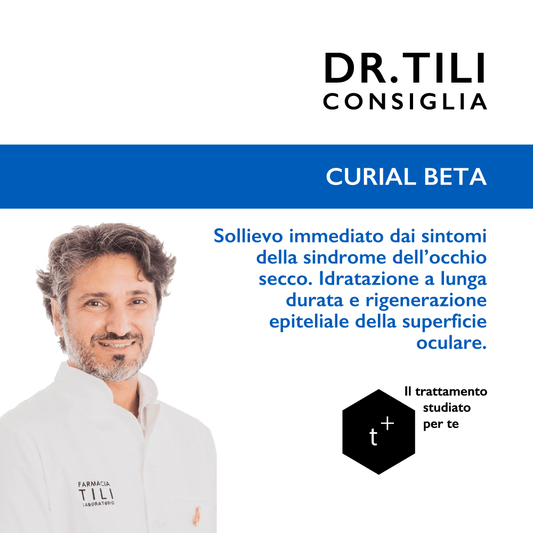
Curial βeta Dry eye supplement 30 capsules Dr.Tili
Vendor:TilpharmaRegular price €22,50Regular priceUnit price per€22,50Sale price €22,50 -
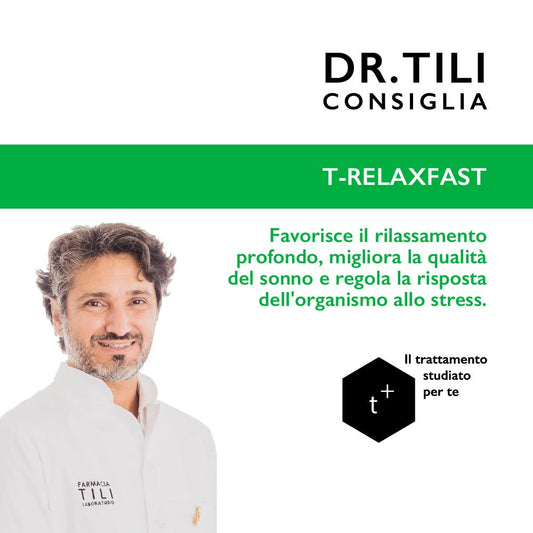
T - Relaxfast Sleep Supplement 60 Capsules Dr.Tili
Vendor:TilpharmaRegular price €24,50Regular priceUnit price per€24,50Sale price €24,50 -
Face Serum C5 Vitamin C 30ml Dr.Tili Skinlab
Vendor:TilabRegular price €62,50Regular priceUnit price per€62,50Sale price €62,50 -
Dr.Tili Skinlab E15 Vitamin E Face Serum 30ml
Vendor:TilabRegular price €32,50Regular priceUnit price per€32,50Sale price €32,50 -
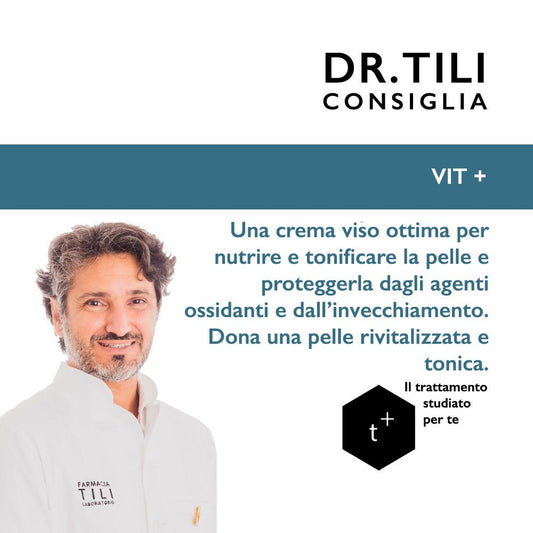
Vit+ Face Vitamin Cream 50ml Dr.Tili Skinlab
Vendor:TilabRegular price €34,00Regular priceUnit price per€34,00Sale price €34,00 -
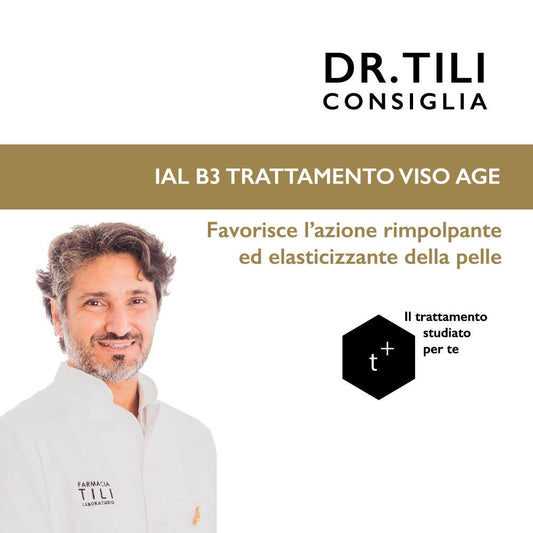
Anti-aging Facial Treatment Hyaluronic Acid IAL B3 30ml Dr.Tili Skinlab
Vendor:TilabRegular price €46,00Regular priceUnit price per€46,00Sale price €46,00 -
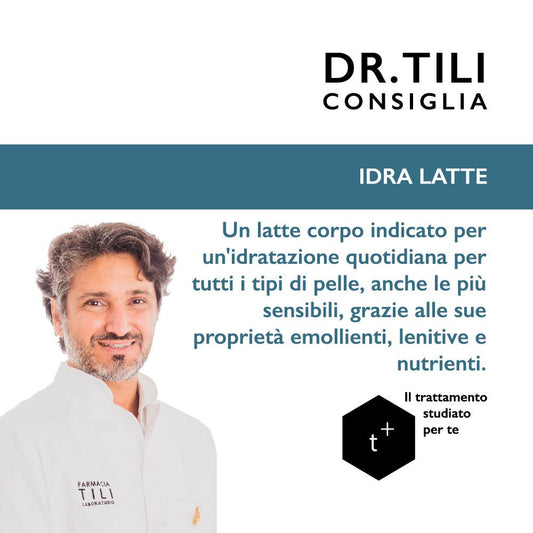
Body Milk Hydra Milk 200Ml. Dr.Tili Skinlab
Vendor:TilabRegular price €16,90Regular priceUnit price per€16,90Sale price €16,90 -
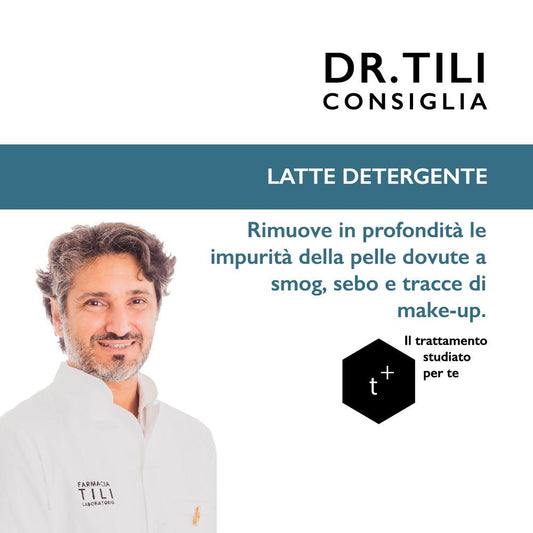
Facial Cleansing Milk 150ml Dr.Tili Skinlab
Vendor:TilabRegular price €18,90Regular priceUnit price per€18,90Sale price €18,90 -
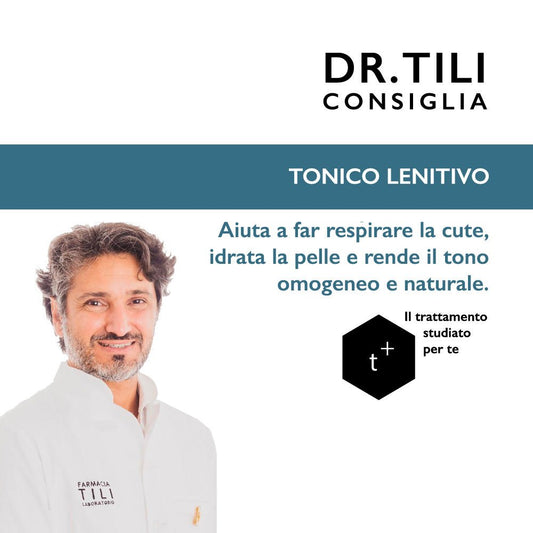
Soothing Facial Toner 125ml Dr.Tili Skinlab
Vendor:TilabRegular price €14,50Regular priceUnit price per€14,50Sale price €14,50 -
Soothing Face Cream 50ml Dr.Tili Skinlab
Vendor:TilabRegular price €19,50Regular priceUnit price per€19,50Sale price €19,50










-

ASSISTANCE - TELEPHONE ORDERS
-

SHIPPING
Shipping to Italy 24/48H
Delivery also on Saturday and Sunday
Free over €49.90
Shipping to Europe 24/72H
Free over €80 -

SAFETY
The security of your data is important to us!
We strictly comply with the European GDPR regarding
Privacy and processing of personal data
The payments you make on our site are 100% safe and guaranteed -

RETURNS
For returns, contact our customer service: you have 14 days to change your mind.
Immediate, free replacement of wrong or non-conforming products.


