

SANDOZ SpA
Paracetamol Sandoz 500mg 20 tablets
Paracetamol Sandoz 500mg 20 tablets
Paracetamol Sandoz 500mg is an analgesic and antipyretic indicated for the treatment of mild to moderate pain and fever . Useful in cases of headache , muscle and joint pain , dysmenorrhea , toothache and flu-like conditions. Suitable for adults and children > 9 years , it offers rapid action in reducing pain and body temperature, with a good tolerability profile when used at the recommended doses .
Couldn't load pickup availability

NET WEIGHT OF THE PRODUCT
NET WEIGHT OF THE PRODUCT
EAN
EAN
042360040
MINSAN
MINSAN
042360040
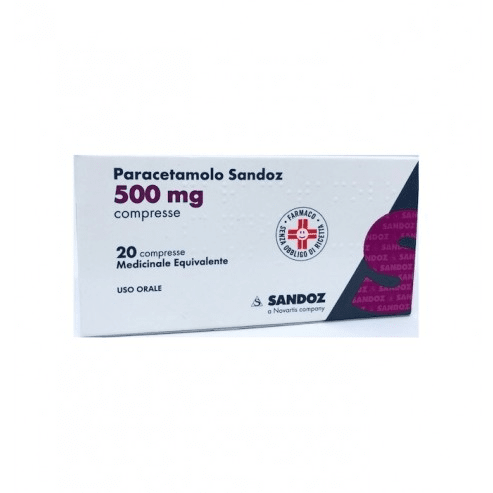
Paracetamol Sandoz 500mg is an analgesic and antipyretic drug indicated for the treatment of mild to moderate pain and fever. Thanks to its effectiveness, it is used to relieve symptoms such as headache, muscle and joint pain, menstrual pain, toothache and feverish states associated with flu and cold syndromes. It acts quickly by reducing pain and lowering body temperature in case of fever, resulting well tolerated by most patients. It is indicated for adults and children over 12 years of age, with a dosage that can be adjusted based on the intensity of the pain or fever.
ACTIVE INGREDIENTS
Active ingredients contained in Paracetamol Sandoz 500mg 20 tablets - What is the active ingredient of Paracetamol Sandoz 500mg 20 tablets?
Each tablet contains 500 mg paracetamol Excipients with known effect: Each tablet contains up to 1.87 mg sodium. Each tablet contains 1000 mg paracetamol Excipients with known effect: Each tablet contains up to 3.74 mg sodium For the full list of excipients, see section 6.1.
EXCIPIENTS
Composition of Paracetamol Sandoz 500mg 20 tablets - What does Paracetamol Sandoz 500mg 20 tablets contain?
Povidone K-30 (E1201) Pregelatinised starch (maize) Sodium starch glycolate (type A) Stearic acid (E570)
DIRECTIONS
Therapeutic indications Paracetamol Sandoz 500mg 20 tablets - Why is Paracetamol Sandoz 500mg 20 tablets used? What is it used for?
<Paracetamol Sandoz 500 mg tablets> Mild to moderate pain and fever. Paracetamol Sandoz is indicated for adults, adolescents and children over 9 years of age. <Paracetamol Sandoz 1000 mg tablets> Mild to moderate pain associated with osteoarthritis of the hip and knee. Paracetamol Sandoz is indicated for adults and adolescents over 15 years of age.
CONTRAINDICATIONS SIDE EFFECTS
Contraindications Paracetamol Sandoz 500mg 20 tablets - When should Paracetamol Sandoz 500mg 20 tablets not be used?
Hypersensitivity to the active substance or to any of the excipients listed in paragraph 6.1.
DOSAGE
Quantity and method of taking Paracetamol Sandoz 500mg 20 tablets - How to take Paracetamol Sandoz 500mg 20 tablets?
Posology The lowest dose should be used. Do not exceed the recommended dose due to the risk of serious liver damage (see sections 4.4 and 4.9) <Paracetamol Sandoz 500 mg tablets> Adults and adolescents aged 15 years and over (over 55 kg body weight) Start with 1 tablet (500 mg paracetamol), if necessary 2 tablets (1000 mg) at a time, up to a maximum of 6 tablets (3000 mg paracetamol) in 24 hours. Paediatric population Adolescents aged 12 to 15 years (40-55 kg body weight) 1 tablet at a time, maximum 4 to 6 tablets in 24 hours. Children between 9 and 12 years (30-40 kg body weight) 1 tablet at a time, maximum 3 to 4 tablets in 24 hours. Paracetamol Sandoz is not recommended for children under 9 years of age. Repeated administration is permitted, depending on the recurring symptoms. The minimum dosage interval should be 4 hours. Therefore, when the symptoms of pain or fever recur, administration cannot be repeated before 4 hours have elapsed. <Paracetamol Sandoz 1000 mg tablets> Adults and adolescents aged 15 years and over (over 55 kg body weight) Start with half a tablet (500 mg paracetamol) and, if necessary, take 1 tablet (1000 mg); the maximum daily dose is 4 tablets (4000 mg paracetamol). Repeated administration is permitted, depending on the recurring symptoms. When using a half tablet, the administration interval should be at least 4 hours. When using a whole tablet, the administration interval should be at least 6 hours. Therefore, when the pain symptoms recur, administration cannot be repeated before 4 hours (half tablet) or 6 hours (whole tablet) have elapsed. Paediatric population Paracetamol Sandoz is not recommended for children and adolescents under 15 years of age. Renal impairment In case of renal insufficiency, the dose should be reduced.
| Glomerular filtration rate | Dose in mg of paracetamol/minimum administration interval |
| 10 - 50 ml/min | 500 mg/6 hours |
| < 10 ml/min | 500 mg/8 hours |
Hepatic impairment In patients with impaired liver function or Gilbert's syndrome, the dose should be reduced or the interval between doses prolonged. The daily dose should not exceed 60 mg paracetamol/kg body weight/day (up to 2 g paracetamol/day) in the following cases: - adults weighing less than 50 kg - mild to moderate hepatic insufficiency - Gilbert's syndrome (familial non-haemolytic jaundice) - chronic alcoholism - dehydration - chronic malnutrition If pain persists for more than 5 days or if fever persists for more than 3 days, or if symptoms worsen, treatment should be stopped and a doctor should be consulted. Method of administration Oral use The tablets should be swallowed with a sufficient quantity of water, or dissolved in an adequate quantity of water, mix well and drink.
CONSERVATION
Storage Paracetamol Sandoz 500mg 20 tablets - How to store Paracetamol Sandoz 500mg 20 tablets?
This medicinal product does not require any special storage conditions.
WARNINGS
Warnings Paracetamol Sandoz 500mg 20 tablets - About Paracetamol Sandoz 500mg 20 tablets it is important to know that:
Prolonged or frequent use is not recommended. Prolonged use may be dangerous if not under medical supervision. For adolescents treated with a dose of paracetamol equal to 60 mg/kg body weight/day, concomitant use of other antipyretics is not permitted, except in cases where there is a lack of efficacy. In case of high fever, symptoms of a secondary infection or if the symptoms persist, a doctor should be consulted. Caution is advised when paracetamol is administered to patients with: - moderate to severe renal impairment - hepatic impairment (including Gilbert's syndrome) - acute hepatitis - glucose-6-phosphate dehydrogenase deficiency - haemolytic anaemia - alcohol abuse - chronic malnutrition - dehydration - concomitant use of medicinal products that affect liver function (see section 4.5) Caution is advised if paracetamol is administered concomitantly with flucloxacillin due to the increased risk of high anion gap metabolic acidosis (HAGMA), particularly in patients with severe renal impairment, sepsis, malnutrition and other sources of glutathione deficiency (e.g. chronic alcoholism), as well as in those using maximum daily doses of paracetamol. Careful monitoring, including measurement of urinary 5-oxoproline, is recommended. Several times a single dose higher than the maximum daily dose may cause severe liver damage. In such cases, no unconsciousness occurs; however, in the event of an overdose, a doctor should be consulted immediately, even if the patient feels well, due to the risk of severe, delayed and irreversible liver damage. Latent liver disease increases the risk of liver damage related to paracetamol. Patients who have had impaired liver or kidney function should consult a doctor before using this medicine. This medicine contains paracetamol. Patients should be advised not to take other paracetamol-containing medicines at the same time, including combinations of products, due to the risk of severe liver damage in the event of an overdose (see section 4.9). The risk of overdose increases in patients with non-cirrhotic alcohol-containing liver disease. In the case of chronic alcoholism, caution is advised. In these cases, the daily dose of paracetamol should not exceed 2 grams. Alcohol should not be consumed during treatment with paracetamol. Cases of hepatic impairment or liver failure have been reported in patients with glutathione depletion, such as in patients with: - severe malnutrition - anorexia - low body mass index - sepsis In patients with glutathione depletion, the use of paracetamol may increase the risk of metabolic acidosis (see section 4.9). Caution is advised in asthmatic patients sensitive to acetylsalicylic acid, as mild cases of bronchospasm have been reported as a cross-reaction after the use of paracetamol. After prolonged use (> 3 months) with any type of analgesic taken on alternate days or more frequently, headache may worsen or appear. Headaches that are caused by excessive use of analgesics (medication overuse headache) should not be treated by increasing the dose of analgesic. If this situation occurs or is suspected, the use of analgesics should be discontinued and medical advice should be sought. This medicinal product contains less than 1 mmol sodium (23 mg) per tablet, that is to say essentially 'sodium-free'.
INTERACTIONS
Interactions Paracetamol Sandoz 500mg 20 tablets - Which medicines or foods can modify the effect of Paracetamol Sandoz 500mg 20 tablets?
Paracetamol is metabolised in the liver, and therefore may interact with other active substances that follow the same metabolic pathways or that are able to inhibit or induce these pathways. The hepatotoxicity of paracetamol may be potentiated by chronic or excessive alcohol intake or by concomitant administration of medicinal products that affect the liver (see section 4.4). The use of hepatic enzyme inducers, such as barbiturates and tricyclic antidepressants, may lead to an increase in the severity of paracetamol overdose due to increased and accelerated formation of toxic metabolites. Caution should be exercised in case of simultaneous intake of enzyme inducers (see section 4.9). Salicylamide may extend the half-life of paracetamol. Isoniazid may inhibit the metabolism of paracetamol, which may potentiate the hepatic toxicity of paracetamol. Caution should be exercised when paracetamol is used concomitantly with flucloxacillin as concomitant use has been associated with high anion gap metabolic acidosis, especially in patients with risk factors (see section 4.4). Paracetamol may significantly increase the half-life of chloramphenicol. Chronic simultaneous use of paracetamol and zidovudine increases the frequency of neutropenia, probably due to a reduction in the metabolism of zidovudine and due to competitive prevention of conjugation. Therefore, paracetamol and zidovudine should only be administered concomitantly on medical advice. The anticoagulant effect of warfarin and other coumarins may be increased by prolonged regular use of paracetamol, with increased risk of bleeding. The occasional use of a dose of paracetamol has no significant effect. The rate of absorption of paracetamol may be increased by metoclopramide or domperidone and decreased by cholestyramine. Probenecid inhibits the conjugation of paracetamol with glucuronic acid and thus leads to a reduction in the clearance of paracetamol of approximately 50%. In patients taking probenecid concomitantly, the dose of paracetamol should be reduced. Concomitant use of paracetamol and lamotrigine may reduce the bioavailability of lamotrigine, probably by induction of metabolism in the liver. The efficacy of lamotrigine may be reduced. Interference with diagnostic tests The use of paracetamol may influence the determination of uric acid using phosphotungstic acid and the determination of blood glucose using glucose oxidase-peroxidase.
SIDE EFFECTS
Like all medicines, Paracetamol Sandoz 500mg 20 tablets can cause side effects - What are the side effects of Paracetamol Sandoz 500mg 20 tablets?
Few adverse reactions occur at therapeutic doses. Adverse drug reactions are listed below, classified by system organ class and frequency. Frequencies are defined as: very common (≥1/10), common (≥1/100, <1/10), uncommon (≥1/1000, <1/100), rare (≥1/10,000, <1/1000), very rare (<1/10,000), not known (cannot be estimated from the available data).
| Organ SystemClass | Rare | Very rare | Frequency not known |
| Pathologies of the haemolymphopoietic system | agranulocytosis (after prolonged use), thrombocytopenia, thrombocytopenic purpura, leukopenia, haemolytic anaemia | Pancytopenia | |
| Immune system disorders | Allergic reactions (excluding angioedema) | Hypersensitivity (including angioedema , difficulty breathing , sweating , nausea , hypotension , shock , anaphylaxis)* | |
| Metabolism and nutrition disorders | Hypoglycemia | ||
| Psychiatric disorders | Depression , confusion , hallucinations | ||
| Nervous system disorders | Tremor, headache | ||
| Eye pathologies | Vision problems | ||
| Heart disease | Edema | ||
| Respiratory, thoracic and mediastinal pathologies | Bronchospasm ** | ||
| Gastrointestinal disorders | Bleeding, Abdominal pain, Diarrhea, Nausea, vomiting | ||
| Hepatobiliary pathologies | Abnormal liver function, increased liver enzymes, liver failure, liver necrosis, jaundice | Hepatotoxicity | |
| Skin and subcutaneous tissue disorders | Rash, pruritus, erythema, urticaria, hyperhidrosis | Severe skin reactions, rash | Acute generalized exanthematous pustulosis (AGEP), toxic epidermal necrolysis (TEN), drug-induced dermatosis, Stevens Johnson syndrome |
| Kidney and urinary disorders | Sterile pyuria (cloudy urine), severe renal impairment, interstitial nephritis**, haematuria, anuria | ||
| Systemic disorders and conditions related to the administration site | Dizziness (excluding vertigo), malaise, pyrexia, sedation |
** Bronchospasm in patients sensitive to acetylsalicylic acid or other NSAIDs (asthma analgesic) Reporting of suspected adverse reactions Reporting suspected adverse reactions that occur after authorisation of the medicinal product is important, as it allows continued monitoring of the benefit/risk balance of the medicinal product. Healthcare professionals are asked to report any suspected adverse reactions via the national reporting system at https://www.aifa.gov.it/content/segnalazioni-reazioni-avverse.
OVERDOSE
Overdose Paracetamol Sandoz 500mg 20 tablets - What are the risks of Paracetamol Sandoz 500mg 20 tablets in case of overdose?
Paracetamol may cause toxicity, particularly in elderly patients, young children, patients with liver disease, chronic alcoholism, patients with chronic malnutrition, patients in a state of glutathione depletion (see section 4.4) and patients receiving enzyme inducers. Overdose of paracetamol may cause liver failure, which may require liver transplantation or lead to death. Acute pancreatitis has also been observed, mainly in association with hepatic impairment and liver toxicity (see also section 5.2). Symptoms Symptoms of paracetamol overdose are nausea, vomiting, anorexia, pallor and abdominal pain and usually occur within 24 hours of ingestion. Even if other symptoms are absent or improve, abdominal pain may indicate liver damage. A single ingestion of 140 mg/kg or more of paracetamol may cause moderate hepatic cytolysis. Ingestion of 200 mg/kg or more may result in complete and irreversible necrosis, resulting in hepatocellular failure, metabolic acidosis and encephalopathy, which may lead to coma and death. At the same time, increases in liver transaminase levels (AST, ALT), lactate dehydrogenase and bilirubin have been reported, which may occur 12 to 48 hours after ingestion. Clinical symptoms of liver damage usually appear after 2 days and reach a maximum after 4 to 6 days. Management
| - | Immediate hospitalization even if there are no symptoms of overdose. |
| - | Before treating an overdose, immediately take a blood sample to measure the plasma concentration of paracetamol. |
| - | In case of significant overdose, which can lead to severe intoxication, absorption reduction therapy can be applied: gastric lavage if possible within 1 hour of ingestion and administration of activated charcoal. |
| - | Treatment involves the antidote N-acetylcysteine (NAC) or methionine, given intravenously or orally (so do not give activated charcoal), if possible within 10 hours of ingestion. However, NAC may also improve the prognosis up to 36 hours after ingestion if paracetamol concentrations are still detectable. Further treatment is symptomatic. Liver function tests should be performed at the start of treatment and then repeated every 24 hours. In most cases, liver transaminase levels will return to normal within 1 to 2 weeks, with full recovery of liver function. However, in very rare cases, liver transplantation will be necessary. |
PREGNANCY AND BREASTFEEDING
If you are pregnant or breast-feeding, think you may be pregnant or are planning to have a baby, ask your doctor for advice before taking Paracetamol Sandoz 500mg 20 tablets.
Pregnancy A large amount of data on pregnant women indicate neither malformative nor feto/neonatal toxicity. Epidemiological studies on neurodevelopment in children exposed to paracetamol in utero show inconclusive results. If clinically needed, paracetamol can be used during pregnancy, however it should be used at the lowest effective dose for the shortest possible time and with the lowest possible frequency. Breastfeeding Paracetamol is excreted in small amounts in breast milk. No effects have been reported in breast-fed infants. Paracetamol can be used during breastfeeding, provided that the recommended doses are not exceeded.
DRIVING AND USE OF MACHINERY
Taking Paracetamol Sandoz 500mg 20 tablets before driving or using machines - Does Paracetamol Sandoz 500mg 20 tablets affect driving or using machines?
Paracetamol has no or negligible effect on the ability to drive and use machines.
OUR PRODUCTS FOR THIS SEASON
-
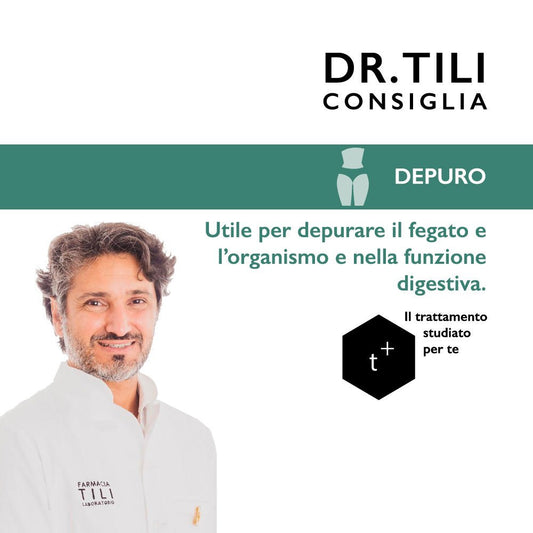
Liver cleanser Depuro 200ml Dr.Tili
Vendor:TILAB SrlRegular price €19,50Regular priceUnit price per€19,50Sale price €19,50 -
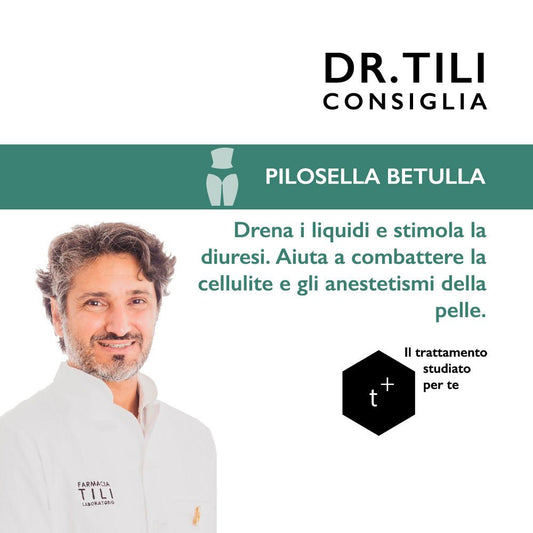
Pilosella Birch Natural Draining Concentrate 200ml Dr.Tili
Vendor:TILAB SrlRegular price €19,50Regular priceUnit price per€19,50Sale price €19,50 -
Green Coffee supplement 60 tablets Dr.Tili
Vendor:TILAB SrlRegular price €16,40Regular priceUnit price per€16,40Sale price €16,40 -
Turmeric and Piperine Strong 30 Capsules Dr.Tili
Vendor:TILAB SrlRegular price €24,00Regular priceUnit price per€24,00Sale price €24,00 -
Spirulina 180 Tablets Dr.Tili
Vendor:TILAB SrlRegular price €34,90Regular priceUnit price per€34,90Sale price €34,90 -
T - Immuno Mix Extracts Immune Defenses 60 Capsules Dr.Tili
Vendor:TILAB SrlRegular price €24,00Regular priceUnit price per€24,00Sale price €24,00 -
Dr. Tili Liposomal Vitamin D Supplement, Vegan, 2000 IU, 60 Tablets
Vendor:TILAB SrlRegular price €13,90Regular priceUnit price per€13,90Sale price €13,90 -
Vita D'oro Drops Vitamin D3 2000 IU 50ml Dr.Tili
Vendor:TILAB SrlRegular price €18,90Regular priceUnit price per€18,90Sale price €18,90Sold out -
Supplement Acerola Echinacea vitamin C immune defenses 60 tablets Dr.Tili
Vendor:TILAB SrlRegular price €13,10Regular priceUnit price per€13,10Sale price €13,10 -
Echinacea Papaya Acerola Immune Defense Syrup 200ml Dr.Tili
Vendor:TILAB SrlRegular price €13,10Regular priceUnit price per€13,10Sale price €13,10









-

ASSISTANCE - TELEPHONE ORDERS
-

SHIPPING
Shipping to Italy 24/48H
Delivery also on Saturday and Sunday
Free over €49.90
Shipping to Europe 24/72H
Free over €80 -

SAFETY
The security of your data is important to us!
We strictly comply with the European GDPR regarding
Privacy and processing of personal data
The payments you make on our site are 100% safe and guaranteed -

RETURNS
Fast returns via DIY portal and 14 days to change your mind.
Immediate and free replacements for incorrect or non-compliant products delivered.


