

Perrigo
NeoOptalidon 200mg + 125mg + 25mg 8 coated tablets
NeoOptalidon 200mg + 125mg + 25mg 8 coated tablets
NeoOptalidon is an analgesic containing paracetamol, propyphenazone, and caffeine , indicated for the treatment of mild to moderate pain such as headache, neuralgia, menstrual cramps, and toothache . The combined action of the active ingredients provides rapid and effective relief, while caffeine enhances the pain-relieving effect and counteracts drowsiness. Coated tablets for good gastric tolerability .
Couldn't load pickup availability

NET WEIGHT OF THE PRODUCT
NET WEIGHT OF THE PRODUCT
8ct
EAN
EAN
025319043
MINSAN
MINSAN
025319043

NeoOptalidon is a combined analgesic drug based on paracetamol, propyphenazone and caffeine , indicated for the treatment of mild or moderate pain , such as headache, neuralgia, menstrual pain and toothache . The combination of its active ingredients guarantees a rapid and effective action: paracetamol and propyphenazone act as painkillers and antipyretics, while caffeine enhances the analgesic effect and helps to combat drowsiness. The coated tablets facilitate intake and ensure excellent gastric tolerability.
ACTIVE INGREDIENTS
Active substances contained in NeoOptalidon 200mg + 125mg + 25mg 8 coated tablets - What is the active substance of NeoOptalidon 200mg + 125mg + 25mg 8 coated tablets?
One coated tablet contains Active ingredients: paracetamol 200 mg; propyphenazone 125 mg; caffeine 25 mg. Excipients with known effect: sucrose 60 mg; hydrogenated peanut oil 0.132 mg. For the full list of excipients, see section 6.1.
EXCIPIENTS
Composition of NeoOptalidon 200mg + 125mg + 25mg 8 coated tablets - What does NeoOptalidon 200mg + 125mg + 25mg 8 coated tablets contain?
Hydroxypropylcellulose; dimethylsilicone oil; crospovidone; hydrogenated vegetable oil; magnesium stearate; titanium dioxide; hydrogenated peanut oil; colloidal anhydrous silica; macrogol 6000; povidone; sucrose; stearic acid; talc; microcrystalline cellulose; cetyl alcohol; erythrosine (E 127); gum arabic.
DIRECTIONS
Therapeutic indications NeoOptalidon 200mg + 125mg + 25mg 8 coated tablets - Why is NeoOptalidon 200mg + 125mg + 25mg 8 coated tablets used? What is it used for?
Symptomatic treatment of acute painful conditions (headache; toothache; neuralgia; menstrual pain) and feverish conditions.
CONTRAINDICATIONS SIDE EFFECTS
Contraindications NeoOptalidon 200mg + 125mg + 25mg 8 coated tablets - When should NeoOptalidon 200mg + 125mg + 25mg 8 coated tablets not be used?
• Hypersensitivity to the active substances or other closely related chemical substances and/or to any of the excipients listed in paragraph 6.1; • haemopathies such as granulocytopenia and intermittent porphyria; • patients with manifest glucose-6-phosphate dehydrogenase insufficiency; • patients with severe haemolytic anaemia; • severe hepatocellular and renal insufficiency; • due to the presence of caffeine, the product should not be administered to children under 12 years of age; • pregnancy and breastfeeding (see paragraph 4.6). • allergies to peanuts or soya.
DOSAGE
Quantity and method of taking NeoOptalidon 200mg + 125mg + 25mg 8 coated tablets - How to take NeoOptalidon 200mg + 125mg + 25mg 8 coated tablets?
Dosage 1-2 coated tablets; up to 4 coated tablets in 24 hours. Special populations Elderly patients should adhere to the minimum dosages indicated above. Do not administer the product for more than 3 consecutive days. Do not exceed the recommended doses. Method of administration Take NEO-OPTALIDON with a large sip of water or other liquids. Oral analgesic preparations should be taken on a full stomach.
CONSERVATION
Storage NeoOptalidon 200mg + 125mg + 25mg 8 coated tablets - How should NeoOptalidon 200mg + 125mg + 25mg 8 coated tablets be stored?
This medicinal product does not require any special storage conditions.
WARNINGS
Warnings NeoOptalidon 200mg + 125mg + 25mg 8 coated tablets - About NeoOptalidon 200mg + 125mg + 25mg 8 coated tablets it is important to know that:
It is not advisable to use the product if the patient is being treated with anti-inflammatory drugs. High or prolonged doses of the product can cause high-risk liver disease and even serious kidney and blood alterations. Administer with caution to subjects with renal or hepatic insufficiency or haematopoietic dysfunction. During treatment with paracetamol, before taking any other drug, check that it does not contain the same active ingredient, since if paracetamol is taken in high doses, serious adverse reactions may occur. If fever, angina, skin or mucous membrane alterations appear during treatment, suspend therapy and consult your doctor. Invite the patient to contact the doctor before combining any other drug (see paragraph 4.5). In the rare cases of allergic reactions, administration of the product should be suspended. Particular caution is necessary in patients with asthma, chronic rhinitis or chronic urticaria. Isolated cases of asthma attacks and anaphylactic shock have been reported in association with the intake of drugs containing propylphenazone and paracetamol in susceptible subjects. Caution is advised if paracetamol is administered concomitantly with flucloxacillin due to the increased risk of high anion gap metabolic acidosis (HAGMA), particularly in patients with severe renal impairment, sepsis, malnutrition and other sources of glutathione deficiency (e.g. chronic alcoholism), as well as in those using maximum daily doses of paracetamol. Careful monitoring, including measurement of urinary 5-oxoproline, is recommended. Important information about some of the excipients NEO-OPTALIDON contains • sucrose: patients with rare hereditary problems of fructose intolerance, glucose-galactose malabsorption or sucrase-isomaltase insufficiency should not take this medicine; • hydrogenated peanut oil: do not use if you are allergic to peanuts or soy.
INTERACTIONS
Interactions NeoOptalidon 200mg + 125mg + 25mg 8 coated tablets - Which medicines or foods can modify the effect of NeoOptalidon 200mg + 125mg + 25mg 8 coated tablets?
The product may interact with alcohol, some hypoglycaemics (acetohexamide, chlorpropamide, tolbutamide), anticoagulants (warfarin), phenytoin. During therapy with oral anticoagulants, it is recommended to reduce the doses. Drugs that slow gastric emptying (e.g. propantheline) may reduce the absorption rate of paracetamol, delaying its therapeutic effect; on the contrary, drugs that increase the rate of gastric emptying (e.g. metoclopramide, domperidone) lead to an increase in the absorption rate. Concomitant administration of chloramphenicol may induce a prolongation of the half-life of paracetamol, with the risk of increasing its toxicity. Use with extreme caution and under close supervision during chronic treatment with drugs that can determine the induction of hepatic monooxygenases or in case of exposure to substances that can have this effect (for example rifampicin, cimetidine, antiepileptics such as glutethimide, phenobarbital, carbamazepine). The administration of paracetamol may interfere with the determination of uric acid (by the phosphotungstic acid method) and with that of glycaemia (by the glucose-oxidase-peroxidase method). The concomitant use of paracetamol and AZT (zidovudine) increases the tendency to a reduction in the leukocyte count (neutropenia). NEO-OPTALIDON, therefore, must not be taken in association with AZT (zidovudine) except on medical prescription. The concomitant administration of NSAIDs or opioids determines a mutual potentiation of the analgesic effect. Paracetamol increases the AUC of ethinylestradiol by 22%. Paracetamol may reduce the plasma concentration of lamotrigine. Caution should be exercised when paracetamol is used concomitantly with flucloxacillin as the concomitant use has been associated with high anion gap metabolic acidosis, especially in patients with risk factors (see section 4.4).
SIDE EFFECTS
Like all medicines, NeoOptalidon 200mg + 125mg + 25mg 8 coated tablets can cause side effects - What are the side effects of NeoOptalidon 200mg + 125mg + 25mg 8 coated tablets?
The following undesirable effects have been observed: Skin and subcutaneous tissue disorders Allergic skin rashes. Erythema multiforme, very rarely Stevens Johnson syndrome and epidermal necrolysis have been reported with the use of paracetamol. Hypersensitivity reactions such as angioedema, pruritus, erythema, urticaria, dyspnoea, asthma, laryngeal edema, anaphylactic shock have been reported. Blood and lymphatic system disorders Thrombocytopenia, leukopenia, anaemia, agranulocytosis. Hepatobiliary system disorders Hepatic function disorders and hepatitis. Renal and urinary tract disorders Acute renal failure, interstitial nephritis, haematuria, anuria. Hearing and vestibular system disorders Vertigo. Gastrointestinal system disorders Gastrointestinal disorders. Reporting of suspected adverse reactions. Reporting of suspected adverse reactions that occur after authorisation of the medicinal product is important. It allows continued monitoring of the benefit/risk balance of the medicinal product. Healthcare professionals are asked to report any suspected adverse reactions via the national reporting system at https://www.aifa.gov.it/content/segnalazioni-reazioni-avverse.
OVERDOSE
Overdose NeoOptalidon 200mg + 125mg + 25mg 8 coated tablets - What are the risks of NeoOptalidon 200mg + 125mg + 25mg 8 coated tablets in case of overdose?
Erroneous intake of quantities greater than those recommended can cause convulsions. In case of overdose, paracetamol can cause hepatic cytolysis that can evolve into massive and irreversible necrosis. Due to the presence of caffeine, always for high doses, hyperstimulation with excitement, insomnia, muscle tremor, nausea, vomiting, increased diuresis, tachycardia, extrasystole, scotoma can occur.
PREGNANCY AND BREASTFEEDING
If you are pregnant or breast-feeding, think you may be pregnant or are planning to have a baby, ask your doctor for advice before taking NeoOptalidon 200mg + 125mg + 25mg 8 coated tablets.
The use of NEO-OPTALIDON in case of pregnancy, even suspected, and particularly in the first 3 months and during breastfeeding is contraindicated. From the twentieth week of pregnancy onwards, the use of NSAIDs may cause oligohydramnios resulting from fetal renal dysfunction. This condition may occur shortly after the start of treatment and is generally reversible with treatment discontinuation. In addition, cases of constriction of the ductus arteriosus have been reported after treatment in the second trimester, most of which resolved after treatment discontinuation. During the third trimester of pregnancy, all prostaglandin synthesis inhibitors may expose the fetus to: • Cardiopulmonary toxicity (premature constriction/closure of the ductus arteriosus and pulmonary hypertension); • Renal dysfunction (see above); the mother and the neonate, at the end of pregnancy, to: • Possible prolongation of bleeding time, and anti-aggregating effect which may occur even at very low doses; • Inhibition of uterine contractions resulting in delayed or prolonged labor. Consequently NEO-OPTALIDON is contraindicated during pregnancy (see section 4.3).
DRIVING AND USE OF MACHINERY
Taking NeoOptalidon 200mg + 125mg + 25mg 8 coated tablets before driving or using machines - Does NeoOptalidon 200mg + 125mg + 25mg 8 coated tablets affect driving or using machines?
Due to the possible onset of dizziness, the product may impair the ability to drive vehicles or use machinery.
OUR PRODUCTS FOR THIS SEASON
-
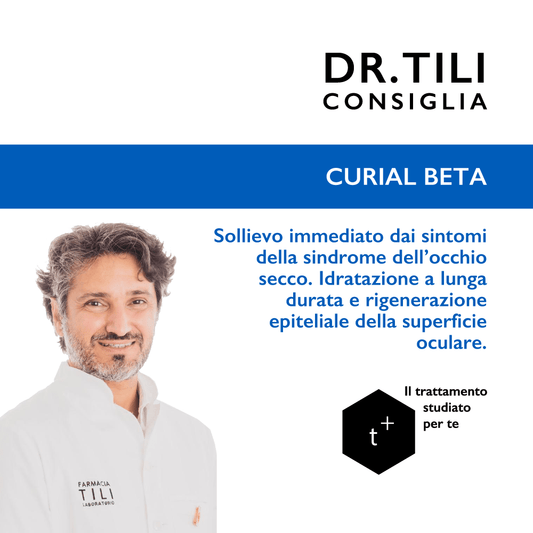
Curial βeta Dry eye supplement 30 capsules Dr.Tili
Vendor:TilpharmaRegular price €22,50Regular priceUnit price per€22,50Sale price €22,50 -
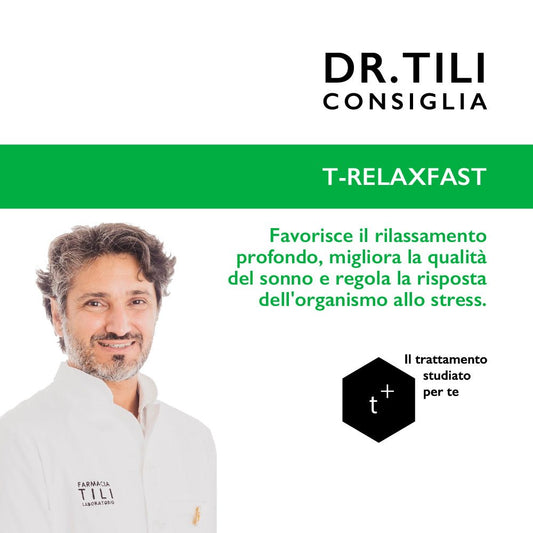
T - Relaxfast Sleep Supplement 60 Capsules Dr.Tili
Vendor:TilpharmaRegular price €24,50Regular priceUnit price per€24,50Sale price €24,50 -
Face Serum C5 Vitamin C 30ml Dr.Tili Skinlab
Vendor:TilabRegular price €62,50Regular priceUnit price per€62,50Sale price €62,50 -
Dr.Tili Skinlab E15 Vitamin E Face Serum 30ml
Vendor:TilabRegular price €32,50Regular priceUnit price per€32,50Sale price €32,50 -
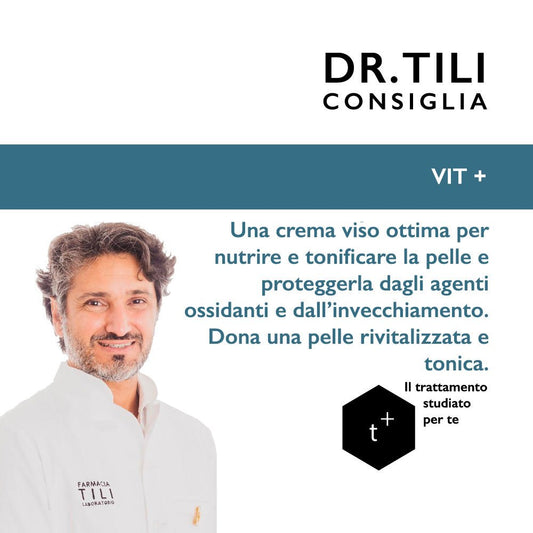
Vit+ Face Vitamin Cream 50ml Dr.Tili Skinlab
Vendor:TilabRegular price €34,00Regular priceUnit price per€34,00Sale price €34,00 -
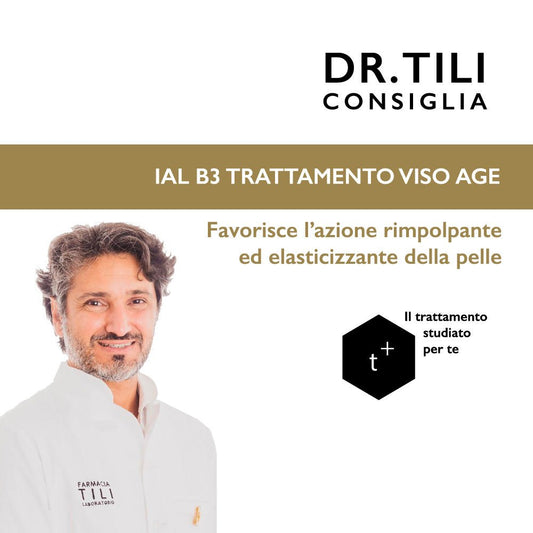
Anti-aging Facial Treatment Hyaluronic Acid IAL B3 30ml Dr.Tili Skinlab
Vendor:TilabRegular price €46,00Regular priceUnit price per€46,00Sale price €46,00 -
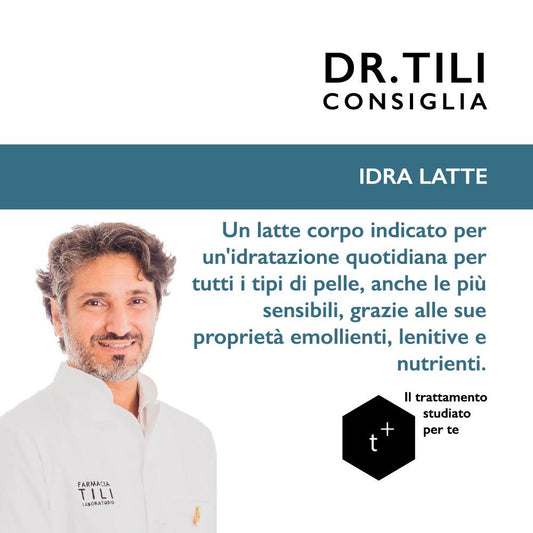
Body Milk Hydra Milk 200Ml. Dr.Tili Skinlab
Vendor:TilabRegular price €16,90Regular priceUnit price per€16,90Sale price €16,90 -
Facial Cleansing Milk 150ml Dr.Tili Skinlab
Vendor:TilabRegular price €18,90Regular priceUnit price per€18,90Sale price €18,90 -
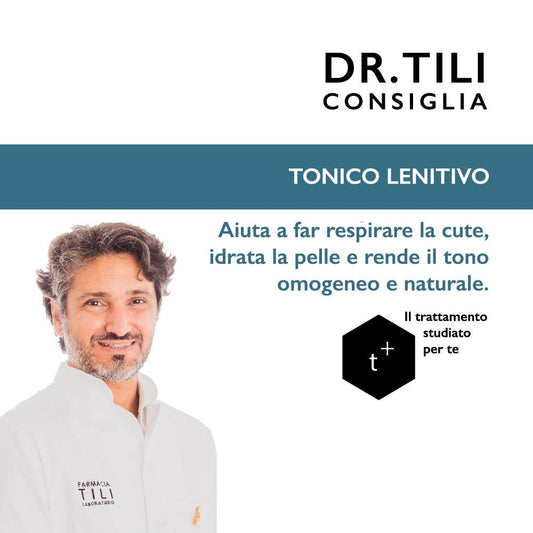
Soothing Facial Toner 125ml Dr.Tili Skinlab
Vendor:TilabRegular price €14,50Regular priceUnit price per€14,50Sale price €14,50 -
Soothing Face Cream 50ml Dr.Tili Skinlab
Vendor:TilabRegular price €19,50Regular priceUnit price per€19,50Sale price €19,50











-

ASSISTANCE - TELEPHONE ORDERS
-

SHIPPING
Shipping to Italy 24/48H
Delivery also on Saturday and Sunday
Free over €49.90
Shipping to Europe 24/72H
Free over €80 -

SAFETY
The security of your data is important to us!
We strictly comply with the European GDPR regarding
Privacy and processing of personal data
The payments you make on our site are 100% safe and guaranteed -

RETURNS
Fast returns via DIY portal and 14 days to change your mind.
Immediate and free replacements for incorrect or non-compliant products delivered.


