

Vemedia
Magnesia S.Pellegrino 45% effervescent powder lemon flavour 100g
Magnesia S.Pellegrino 45% effervescent powder lemon flavour 100g
Couldn't load pickup availability

NET WEIGHT OF THE PRODUCT
NET WEIGHT OF THE PRODUCT
100g
EAN
EAN
006570257
MINSAN
MINSAN
006570257

In compliance with article 118 "authorization of advertising to the public" of the legislative decree of 24 April 2006, number 219
INDICATIONS
Short-term treatment of occasional constipation. Antacid.
CONTRAINDICATIONS
Hypersensitivity to the active substance or to any of the excipients, listed in paragraph 6.1. Laxatives are contraindicated in subjects with acute abdominal pain or pain of unknown origin, nausea or vomiting, intestinal obstruction or stenosis, rectal bleeding of unknown origin, severe dehydration. Children under 6 years of age. Severe renal insufficiency (creatinine clearance less than 30 mL/min)
WARNINGS AND PRECAUTIONS FOR USE
Warnings The abuse of laxatives (frequent or prolonged use or with excessive doses) can cause persistent diarrhea with consequent loss of water, mineral salts (especially potassium) and other essential nutritional factors. In more severe cases, the onset of dehydration or hypokalemia is possible which can cause cardiac or neuromuscular dysfunction, especially in case of simultaneous treatment with cardiac glycosides, diuretics or corticosteroids. The abuse of laxatives, especially contact ones (stimulant laxatives), can cause dependence (need to progressively increase the dosage), chronic constipation and loss of normal intestinal functions (intestinal atony). The treatment of chronic or recurrent constipation always requires the formulation of a diagnosis, the prescription of drugs and monitoring during the course of therapy. When the need for the laxative derives from a sudden change in previous intestinal habits (frequency and characteristics of evacuations) that lasts for more than two weeks or when the use of the laxative fails to produce effects, a clinical reassessment is necessary. Administer with caution in the elderly and in subjects with impaired renal function. In young children, the use of magnesium hydroxide can lead to hypermagnesemia, particularly if they have kidney damage or dehydration. Magnesia S. Pellegrino contains sucrose Patients suffering from rare hereditary problems of fructose intolerance, glucose-galactose malabsorption or sucrase isomaltase insufficiency should not take this medicine. Magnesia S. Pellegrino 45% effervescent powder contains sodium salts. This medicine contains: • approximately 386 mg of sodium per 1 teaspoon (approximately 7 g of product) equivalent to 19.3% of the maximum daily intake recommended by WHO which corresponds to 2 g of sodium for an adult. • approximately 552 mg of sodium per 1 teaspoon (approximately 10 g of product) of substance taken equivalent to 27.6% of the maximum daily intake recommended by the WHO which corresponds to 2 g of sodium for an adult. • approximately 1.1 g of sodium per 1 tablespoon (approximately 20 g of product) equivalent to 55% of the maximum daily intake recommended by the WHO which corresponds to 2 g of sodium for an adult. To be taken into consideration in people with reduced renal function or who follow a low-sodium diet (low sodium diet).
INTERACTIONS
Laxatives can reduce the residence time in the intestine, and therefore the absorption, of other drugs administered simultaneously orally. Therefore, avoid taking laxatives and other medicines at the same time: after taking a medicine, leave an interval of at least 2 hours before taking the laxative. Magnesium hydroxide, like all antacids, should not be taken at the same time as antibiotics of the tetracycline class as it reduces their absorption. Milk or antacids can change the effect of the medicine; leave an interval of at least one hour before taking the laxative. The alkalinization of the urine following the administration of magnesium hydroxide can modify the excretion of some drugs; therefore, increased excretion of salicylates was observed. Association to avoid: - tetracyclines: formation of insoluble complexes with reduction in the absorption and activity of these antibiotics. Association not recommended: - quinidine: increase in quinidine plasma levels and risk of overdose due to decreased excretion. Associations requiring precautions for use: - indomethacin, phosphorus, dexamethasone, digitalis, iron salts, nitrofurantoin, lincomycin: decreased absorption in the digestive system.
SIDE EFFECTS
Undesirable effects are reported below with the following frequencies: very common (≥ 1/10), common (≥ 1/100, < 1/10), uncommon (≥ 1/1,000, < 1/100), rare (≥ 1/10,000, < 1/1,000), very rare (< 1/10,000), not known (the frequency cannot be estimated from the available data). Gastrointestinal disorders Not known: Abdominal pain, diarrhea, isolated cramping pain or abdominal colic, more frequent in cases of severe constipation. Metabolism and nutrition disorders Very rare: Hypermagnesemia. Observed after prolonged administration of magnesium hydroxide to patients with renal impairment. Reporting of suspected adverse reactions Reporting suspected adverse reactions that occur after authorization of the medicine is important, as it allows continuous monitoring of the benefit/risk balance of the medicine. Healthcare professionals are asked to report any suspected adverse reactions via the national reporting system at www.agenziafarmaco.gov.it/content/come-segnalare-una-sospetti-reazione-avversa
OUR PRODUCTS FOR THIS SEASON
-
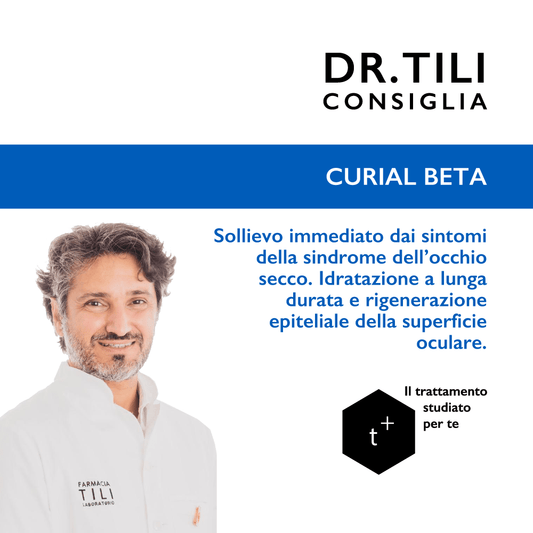
Curial βeta Dry eye supplement 30 capsules Dr.Tili
Vendor:TilpharmaRegular price €22,50Regular priceUnit price per€22,50Sale price €22,50 -
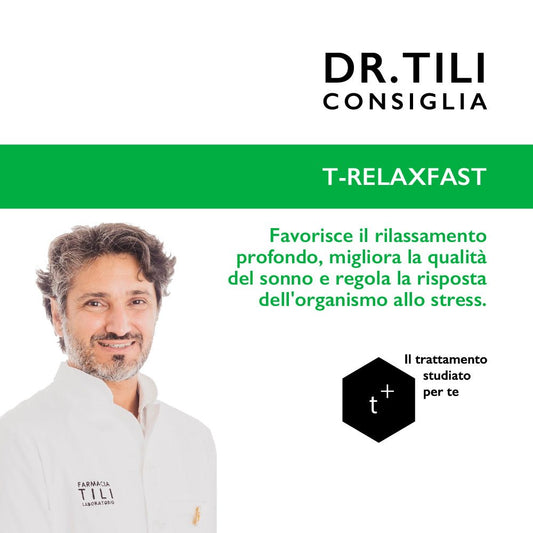
T - Relaxfast Sleep Supplement 60 Capsules Dr.Tili
Vendor:TilpharmaRegular price €24,50Regular priceUnit price per€24,50Sale price €24,50 -
Face Serum C5 Vitamin C 30ml Dr.Tili Skinlab
Vendor:TilabRegular price €62,50Regular priceUnit price per€62,50Sale price €62,50 -
Dr.Tili Skinlab E15 Vitamin E Face Serum 30ml
Vendor:TilabRegular price €32,50Regular priceUnit price per€32,50Sale price €32,50 -
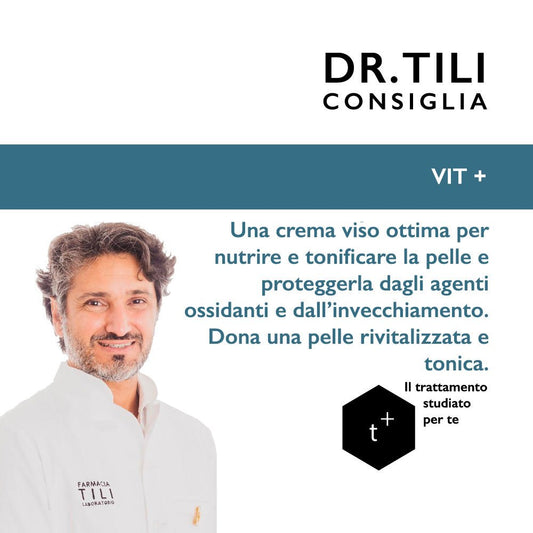
Vit+ Face Vitamin Cream 50ml Dr.Tili Skinlab
Vendor:TilabRegular price €34,00Regular priceUnit price per€34,00Sale price €34,00 -
Anti-aging Facial Treatment Hyaluronic Acid IAL B3 30ml Dr.Tili Skinlab
Vendor:TilabRegular price €46,00Regular priceUnit price per€46,00Sale price €46,00 -
Body Milk Hydra Milk 200Ml. Dr.Tili Skinlab
Vendor:TilabRegular price €16,90Regular priceUnit price per€16,90Sale price €16,90 -
Facial Cleansing Milk 150ml Dr.Tili Skinlab
Vendor:TilabRegular price €18,90Regular priceUnit price per€18,90Sale price €18,90 -
Soothing Facial Toner 125ml Dr.Tili Skinlab
Vendor:TilabRegular price €14,50Regular priceUnit price per€14,50Sale price €14,50 -
Soothing Face Cream 50ml Dr.Tili Skinlab
Vendor:TilabRegular price €19,50Regular priceUnit price per€19,50Sale price €19,50










-

ASSISTANCE - TELEPHONE ORDERS
-

SHIPPING
Shipping to Italy 24/48H
Delivery also on Saturday and Sunday
Free over €49.90
Shipping to Europe 24/72H
Free over €80 -

SAFETY
The security of your data is important to us!
We strictly comply with the European GDPR regarding
Privacy and processing of personal data
The payments you make on our site are 100% safe and guaranteed -

RETURNS
Fast returns via DIY portal and 14 days to change your mind.
Immediate and free replacements for incorrect or non-compliant products delivered.


