

Bayer
Gynocanesten Vaginal Cream 30 g 2%
Gynocanesten Vaginal Cream 30 g 2%

Couldn't load pickup availability

NET WEIGHT OF THE PRODUCT
NET WEIGHT OF THE PRODUCT
30g
EAN
EAN
025833068
MINSAN
MINSAN
025833068

In compliance with article 118 "authorization of advertising to the public" of the legislative decree of 24 April 2006, number 219
INDICATIONS
Treatment of localized symptoms such as itching, leucorrhea, redness and sensation of swelling of the vaginal mucosa and glans, burning when passing urine if these symptoms are the result of vulvovaginal infections and balanitis caused by candida previously diagnosed in adults and adolescents over 12 years of age.
CONTRAINDICATIONS
Hypersensitivity to the active substance or to any of the excipients listed in paragraph 6.1.
WARNINGS AND PRECAUTIONS FOR USE
In case of fever, lower abdominal pain, back pain, foul-smelling vaginal discharge, nausea, vaginal bleeding and/or shoulder pain, the clinical picture should be re-evaluated. Recurrent infections that recur within 2 months may be secondary to conditions such as diabetes or HIV infection that require in-depth clinical examinations. It is preferable to start and end treatment in the intermenstrual period. Tampons, vaginal douches, spermicides or other vaginal products should not be used during therapy with Gyno-Canesten. Recommend abstinence from vaginal intercourse because the infection could be transmitted to the partner. Furthermore, in order to avoid reinfection, particularly in the presence of Candida vulvitis or balanitis, recommend local treatment of the partner. During pregnancy, use vaginal tablets and insert them without the aid of the applicator. During treatment with Gyno-Canesten the effectiveness and safety of latex-based products such as condoms and diaphragms may be reduced. The use, especially if prolonged, of products for topical use can give rise to sensitization phenomena. In this case, it is necessary to stop treatment and adopt appropriate therapeutic measures. Avoid contact with eyes. Do not ingest. Important information about some excipients: Gyno-Canesten cream contains cetostearyl alcohol: may cause local skin reactions (e.g. contact dermatitis). Gyno-Canesten cream contains 20mg/g of benzyl alcohol - may cause allergic reactions; - may cause mild local irritation.
INTERACTIONS
Concomitant treatment with vaginal clotrimazole and oral tacrolimus (an immunosuppressant) may result in increased plasma levels of tacrolimus and similarly with sirolimus. Patients should therefore be carefully monitored for the onset of symptoms of tacrolimus or sirolimus overdose, if necessary by determining plasma drug levels.
SIDE EFFECTS
The adverse reactions reported below are indicated according to the MedDRA System Organ Class. Since they derive from spontaneous post-marketing reports, their frequency is indicated as not known (the frequency cannot be defined on the basis of the available data). Immune system disorders: anaphylactic reaction, angioedema, hypersensitivity Vascular pathologies: syncope, hypotension Respiratory, thoracic and mediastinal disorders: dyspnoea Gastrointestinal disorders: abdominal pain, nausea Skin and subcutaneous tissue disorders: skin rash, urticaria Reproductive system and breast disorders: exfoliation, vaginal discharge, vaginal bleeding, discomfort, erythema, burning, itching, pain. Systemic disorders and conditions relating to the administration site: irritation at the application site, edema, pain. Reporting of suspected adverse reactions. Reporting suspected adverse reactions that occur after authorization of the medicine is important, as it allows continuous monitoring of the benefit/risk balance of the medicine. Healthcare professionals are asked to report any suspected adverse reactions via the national reporting system at https://www.aifa.gov.it/content/segnalazioni-reazioni-avverse.
OUR PRODUCTS FOR THIS SEASON
-
Curial βeta Dry eye supplement 30 capsules Dr.Tili
Vendor:TilpharmaRegular price €22,50Regular priceUnit price per€22,50Sale price €22,50 -
T - Relaxfast Sleep Supplement 60 Capsules Dr.Tili
Vendor:TilpharmaRegular price €24,50Regular priceUnit price per€24,50Sale price €24,50 -
Face Serum C5 Vitamin C 30ml Dr.Tili Skinlab
Vendor:TilabRegular price €62,50Regular priceUnit price per€62,50Sale price €62,50 -
Dr.Tili Skinlab E15 Vitamin E Face Serum 30ml
Vendor:TilabRegular price €32,50Regular priceUnit price per€32,50Sale price €32,50 -
Vit+ Face Vitamin Cream 50ml Dr.Tili Skinlab
Vendor:TilabRegular price €34,00Regular priceUnit price per€34,00Sale price €34,00 -
Anti-aging Facial Treatment Hyaluronic Acid IAL B3 30ml Dr.Tili Skinlab
Vendor:TilabRegular price €46,00Regular priceUnit price per€46,00Sale price €46,00 -
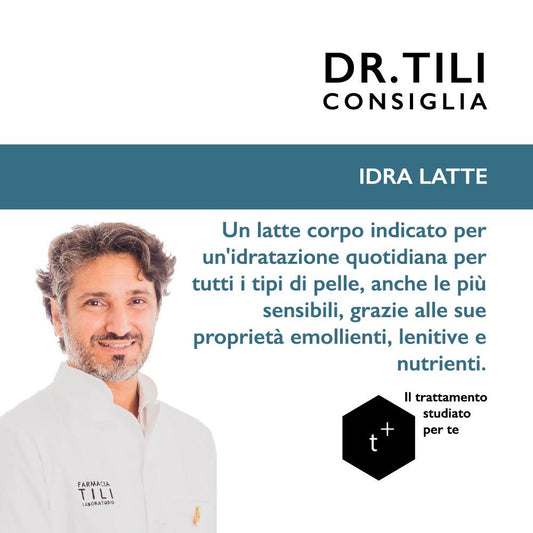
Body Milk Hydra Milk 200Ml. Dr.Tili Skinlab
Vendor:TilabRegular price €16,90Regular priceUnit price per€16,90Sale price €16,90 -
Facial Cleansing Milk 150ml Dr.Tili Skinlab
Vendor:TilabRegular price €18,90Regular priceUnit price per€18,90Sale price €18,90 -
Soothing Facial Toner 125ml Dr.Tili Skinlab
Vendor:TilabRegular price €14,50Regular priceUnit price per€14,50Sale price €14,50 -
Soothing Face Cream 50ml Dr.Tili Skinlab
Vendor:TilabRegular price €19,50Regular priceUnit price per€19,50Sale price €19,50
















-

ASSISTANCE - TELEPHONE ORDERS
-

SHIPPING
Shipping to Italy 24/48H
Delivery also on Saturday and Sunday
Free over €49.90
Shipping to Europe 24/72H
Free over €80 -

SAFETY
The security of your data is important to us!
We strictly comply with the European GDPR regarding
Privacy and processing of personal data
The payments you make on our site are 100% safe and guaranteed -

RETURNS
Fast returns via DIY portal and 14 days to change your mind.
Immediate and free replacements for incorrect or non-compliant products delivered.


