

Menarini
Enantyum 25 mg 10 sachets oral solution
Enantyum 25 mg 10 sachets oral solution

Enantyum 25 mg sachets oral solution is a dexketoprofen -based NSAID pain reliever indicated for mild to moderate acute pain such as headache , toothache , menstrual pain , and musculoskeletal pain . The single-dose sachets with ready-to-use oral solution and lemon flavor ensure rapid action and convenient administration, even on the go. For short-term use in adults .
Couldn't load pickup availability

NET WEIGHT OF THE PRODUCT
NET WEIGHT OF THE PRODUCT
EAN
EAN
033656416
MINSAN
MINSAN
033656416
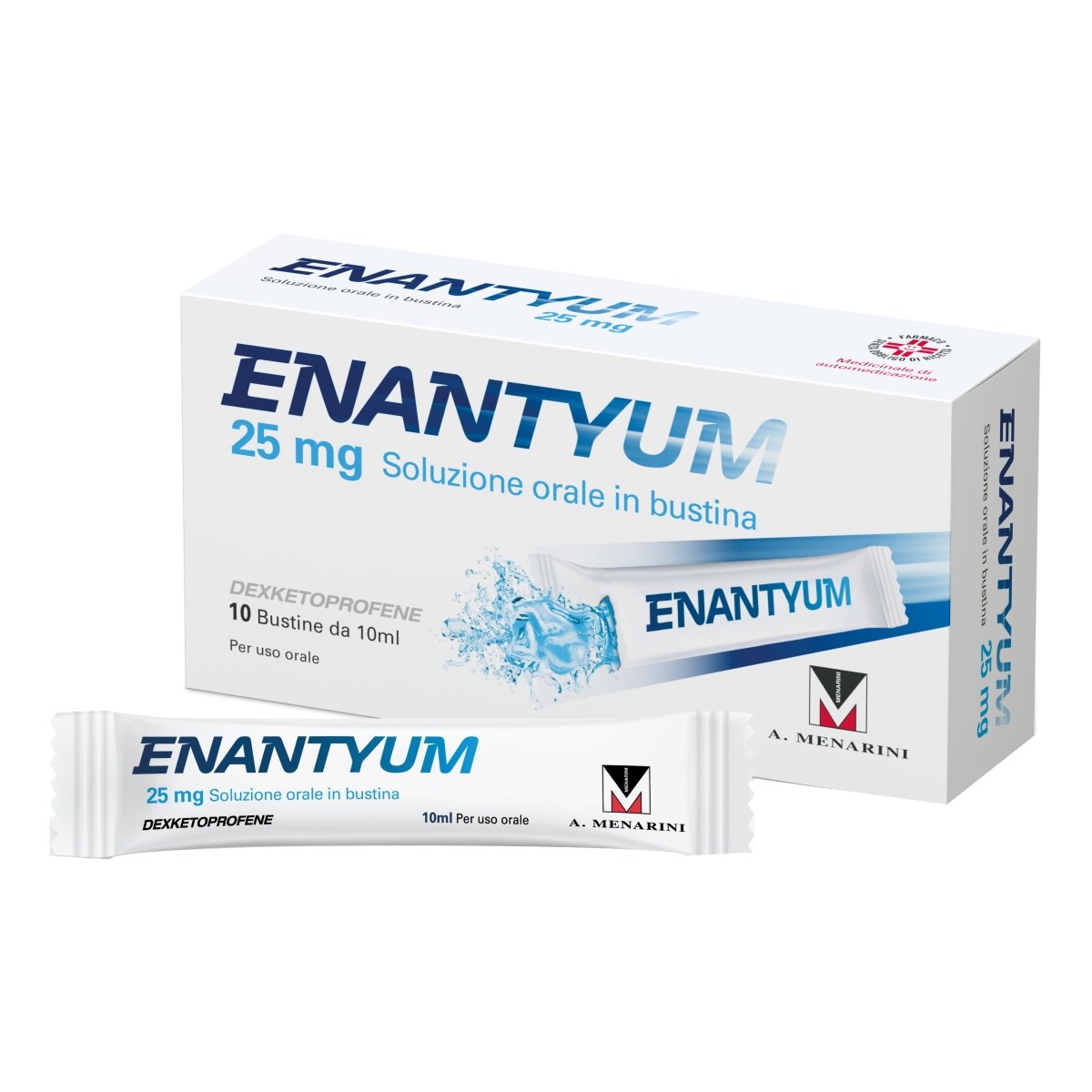
Enantyum 25 mg 10 sachets oral solution is a painkiller and anti-inflammatory belonging to the category of NSAIDs (nonsteroidal anti-inflammatory drugs) , formulated to provide rapid relief from acute pain of mild to moderate intensity. The active ingredient, Dexketoprofen , acts effectively as an analgesic and antipyretic , making it particularly suitable for the short-term symptomatic treatment of muscle pain, joint pain, musculoskeletal pain, headache, toothache and menstrual pain (dysmenorrhea) .
The package contains 10 single-dose sachets of 10 ml each, practical and easy to take thanks to the ready-to-use liquid oral solution , ideal for those looking for a granules for oral solution that acts quickly. Enantyum 25 mg is an over-the-counter medicine that can be taken directly from the sachet or diluted in water, ensuring a rapid and targeted action against pain.
Thanks to its formulation, Enantyum sachets oral solution is particularly suitable for those who need an effective and easy-to-take pain reliever , without the need to swallow tablets. The presence of lemon flavor makes taking it more pleasant, while the practical single-dose packaging ensures maximum convenience even when away from home. Choose Enantyum 25 mg sachets for a quick and safe treatment of acute pain , with the guarantee of a reliable and quality product.
ACTIVE INGREDIENTS
Active ingredients contained in Enantyum 25 mg 10 sachets oral solution - What is the active ingredient of Enantyum 25 mg 10 sachets oral solution?
Each sachet of oral solution contains: dexketoprofen 25 mg as dexketoprofen trometamol. Excipients with known effect: 2 g of sucrose and 20 mg of methyl parahydroxybenzoate (E 218). For the full list of excipients, see section 6.1.EXCIPIENTS
Composition of Enantyum 25 mg 10 sachets oral solution - What does Enantyum 25 mg 10 sachets oral solution contain?
Ammonium glycyrrhizinate, Neohesperidin dihydrochalcone, Methyl parahydroxybenzoate (E 218), Sodium saccharin, Sucrose, Macrogol 400, Lemon flavour, Povidone K-90, Disodium phosphate anhydrous, Sodium dihydrogen phosphate dihydrate, Purified water.DIRECTIONS
Therapeutic indications Enantyum 25 mg 10 sachets oral solution - Why is Enantyum 25 mg 10 sachets oral solution used? What is it used for?
Short-term symptomatic treatment of acute painful conditions of mild to moderate intensity, such as acute musculoskeletal pain, dysmenorrhea and dental pain. This medicinal product is indicated in adult patients.CONTRAINDICATIONS AND SIDE EFFECTS
Contraindications Enantyum 25 mg 10 sachets oral solution - When should Enantyum 25 mg 10 sachets oral solution not be used?
- patients with known hypersensitivity to the active substance, or to any other NSAID, or to any of the excipients listed in section 6.1; - patients who have developed asthma, bronchospasm, acute rhinitis, nasal polyps, urticaria or angioedema after exposure to substances with a similar mechanism of action (e.g. acetylsalicylic acid, or other NSAIDs); - patients with known photoallergic or phototoxic reactions during treatment with ketoprofen or fibrates; - patients with a history of gastrointestinal bleeding or perforation related to previous NSAID therapy; - patients with active peptic ulcer/gastrointestinal bleeding or any previous history of gastrointestinal bleeding, ulceration or perforation; - patients with chronic dyspepsia; - patients who have other active bleeding or coagulation disorders; - patients with Crohn's disease or ulcerative colitis; - patients with severe heart failure; - patients with moderate to severe renal insufficiency (creatinine clearance <59 ml/min); - patients with severe hepatic insufficiency (Child-Pugh score 10-15); - patients with haemorrhagic diathesis and other coagulation disorders; - patients with severe dehydration (caused by vomiting, diarrhoea or insufficient fluid intake); - during the third trimester of pregnancy and breast-feeding (see section 4.6).DOSAGE
Quantity and method of taking Enantyum 25 mg 10 sachets oral solution - How to take Enantyum 25 mg 10 sachets oral solution?
Posology The lowest effective dose should be used for the shortest duration necessary to relieve symptoms (see section 4.4). Adults: Depending on the nature and severity of the pain, the recommended dose is generally 25 mg every 8 hours. The total daily dose should not exceed 75 mg. This medicinal product is only indicated for short-term treatment and administration should be limited to the symptomatic period only. Elderly: In elderly patients, it is recommended to start therapy with the lowest therapeutic dose (50 mg total daily dose). The dosage may be increased to reach the recommended adult dose only after good tolerability has been established. Due to the risk profile (see section 4.4), the elderly should be monitored with particular care. Hepatic impairment Patients with mild to moderate hepatic impairment should start therapy at reduced doses (50 mg total daily dose) under close medical supervision. Dexketoprofen should not be used in patients with severe hepatic impairment. Renal impairment In patients with mild renal impairment (creatinine clearance 60 - 89 ml/min) the initial dosage should be reduced to 50 mg total daily dose (see section 4.4). Dexketoprofen should not be used in patients with moderate to severe renal impairment (creatinine clearance ≤59 ml/min) (see section 4.3). Paediatric population: Dexketoprofen has not been studied in children and adolescents. Therefore, safety and efficacy in children and adolescents have not been established and the product should not be used in children and adolescents. Method of administration Oral use. The oral solution should be taken directly from the sachet or after mixing the entire contents in a glass of water. Once the sachet is opened, the entire contents should be consumed. Concomitant administration of food delays the rate of absorption of the drug (see “Pharmacokinetic properties”), therefore in case of acute pain it is recommended to administer the drug at least 15 minutes before meals.CONSERVATION
Storage Enantyum 25 mg 10 sachets oral solution - How is Enantyum 25 mg 10 sachets oral solution stored?
This medicinal product does not require any special storage conditions.WARNINGS
Warnings Enantyum 25 mg 10 sachets oral solution - About Enantyum 25 mg 10 sachets oral solution it is important to know that:
Use with caution in patients with a history of allergic conditions. The concomitant use of dexketoprofen with other NSAIDs, including cyclooxygenase-2 selective inhibitors, should be avoided. Undesirable effects may be minimised by using the lowest effective dose for the shortest duration necessary to control symptoms (see section 4.2 and gastrointestinal and cardiovascular risks below). Gastrointestinal safety Life-threatening gastrointestinal bleeding, ulceration or perforation have been reported with all NSAIDs at any time during treatment, with or without warning symptoms or a previous history of serious gastrointestinal events. When gastrointestinal bleeding or ulceration occurs in patients receiving dexketoprofen, therapy should be stopped immediately. The risk of gastrointestinal bleeding, ulceration or perforation increases with increasing NSAID dosage in patients with a history of ulcer, particularly if complicated with haemorrhage or perforation (see section 4.3) and in the elderly. Use in the elderly: The elderly have a higher frequency of adverse reactions to NSAIDs, especially gastrointestinal bleeding and perforation which may be fatal (see section 4.2). These patients should start treatment with the lowest available dose. As with all NSAIDs, before starting treatment with dexketoprofen, previous history of oesophagitis, gastritis and/or peptic ulcers should be investigated and ensure that they have completely healed. Patients with gastrointestinal symptoms or a history of gastrointestinal disease should be carefully monitored for digestive disturbances, especially gastrointestinal bleeding. NSAIDs should be administered with caution to patients with a history of gastrointestinal disease (ulcerative colitis, Crohn's disease) as these conditions may be exacerbated (see section 4.8). Concomitant use of protective agents (e.g. misoprostol or proton pump inhibitors) should be considered for these patients and for patients receiving concomitant low dose aspirin or other drugs likely to increase gastrointestinal risk (see below and section 4.5). Patients with a history of gastrointestinal toxicity, particularly when elderly, should report any unusual abdominal symptoms (especially gastrointestinal bleeding), particularly in the initial stages of treatment. Caution is advised in patients receiving concomitant medications which could increase the risk of ulceration or bleeding, such as oral corticosteroids, anticoagulants such as warfarin, selective serotonin reuptake inhibitors and anti-platelet agents such as aspirin (see section 4.5). Renal safety Use with caution in patients with impaired renal function. In these patients, the use of NSAIDs may cause deterioration of renal function, fluid retention and oedema. Caution is also required, due to an increased risk of nephrotoxicity, in patients on diuretic therapy or at risk of developing hypovolaemia. During treatment, adequate fluid intake must be ensured to prevent dehydration and the risk of renal toxicity. Like all NSAIDs, the product may cause an increase in azotemia and creatininemia. As with other inhibitors of prostaglandin synthesis, adverse effects on the kidney may occur, which may lead to glomerular nephritis, interstitial nephritis, renal papillary necrosis, nephrotic syndrome and acute renal failure. Elderly patients are most at risk of renal failure (see section 4.2). Hepatic safety Caution is required in patients with impaired liver function. Like other NSAIDs, it may cause small, transient increases in some liver function parameters, and also significant increases in GOT and GPT. In the event of a significant increase in these parameters, therapy must be discontinued. Elderly patients are most at risk of impaired hepatic function (see section 4.2). Cardiovascular and cerebrovascular safety Appropriate monitoring is required for patients with a history of hypertension and/or mild to moderate heart failure. Particular caution should be exercised in patients with cardiac disease, especially with a history of heart failure as there is an increased risk of heart failure, as fluid retention and oedema have been reported in association with the use of NSAIDs. Clinical trial and epidemiological data suggest that use of some NSAIDs (particularly at high doses and for long-term therapy) may be associated with a small increased risk of arterial thrombotic events (for example myocardial infarction or stroke). There are insufficient data to exclude such a risk for dexketoprofen. Therefore, patients with uncontrolled hypertension, congestive heart failure, established ischaemic heart disease, peripheral arterial disease and/or cerebrovascular disease should only be treated with dexketoprofen after careful consideration. Similar care should be taken before initiating long-term treatment in patients with risk factors for cardiovascular disease (e.g. hypertension, hyperlipidaemia, diabetes mellitus, smoking). All non-selective NSAIDs are capable of inhibiting platelet aggregation and prolonging bleeding time by inhibiting prostaglandin synthesis. The use of dexketoprofen is therefore not recommended in patients receiving other therapy that interferes with haemostasis, such as warfarin or other coumarins or heparins (see section 4.5). Elderly patients are more likely to experience changes in cardiovascular function (see section 4.2). Skin reactions Serious skin reactions (some of them fatal), including exfoliative dermatitis, Stevens-Johnson syndrome, and toxic epidermal necrolysis, have been reported very rarely in association with the use of NSAIDs (see section 4.8). Patients appear to be at highest risk of the onset of reactions early in the course of therapy, in the majority of cases within the first month of treatment. At the first appearance of skin rash, mucosal lesions, or any other symptom of hypersensitivity, therapy with Enantyum should be discontinued. Masking of symptoms of underlying infections Dexketoprofen may mask the symptoms of infection, which may delay initiation of adequate treatment and therefore worsen the outcome of the infection. This has been observed in community-acquired bacterial pneumonia and in bacterial complications of varicella. When this medicinal product is administered for the relief of infection-related pain, monitoring for infection is advised. In non-hospital settings, the patient should seek medical advice if symptoms persist or worsen. Further information Particular caution is required in patients with: - congenital abnormalities of porphyrin metabolism (e.g. acute intermittent porphyria); - dehydration; - immediately after major surgery. If the physician considers long-term therapy with dexketoprofen necessary, liver and kidney function and blood counts should be monitored regularly. Severe acute hypersensitivity reactions (e.g. anaphylactic shock) have been observed in very rare cases. Treatment should be discontinued at the first appearance of severe hypersensitivity reactions after taking dexketoprofen. Depending on the symptoms, initiate the necessary medical procedures immediately, with qualified medical personnel. Patients with asthma associated with chronic rhinitis, chronic sinusitis and/or nasal polyposis have a higher risk of allergy to acetylsalicylic acid and/or NSAIDs than the rest of the population. Administration of this medicinal product may cause asthma attacks or bronchospasm especially in subjects allergic to acetylsalicylic acid or NSAIDs (see section 4.3). In exceptional cases, chickenpox may be associated with infectious complications of the skin and soft tissue. To date, a role of NSAIDs in the aggravation of these infections cannot be excluded, therefore it is advisable to avoid the use of dexketoprofen in patients with chickenpox. Dexketoprofen should be administered with caution to patients suffering from haematopoietic disorders, systemic lupus erythematosus or mixed connective tissue disease. Through concomitant intake of alcohol, the undesirable effects related to the active substance, in particular those affecting the gastrointestinal tract or the central nervous system, may increase with the use of NSAIDs. This medicinal product may cause allergic reactions (possibly delayed) as it contains methyl parahydroxybenzoate (E 218). This medicinal product contains sucrose. Patients with rare hereditary problems of fructose intolerance, glucose-galactose malabsorption or sucrase-isomaltase insufficiency should not take this medicine. To be taken into consideration in patients with diabetes mellitus. This medicinal product contains less than 1 mmol sodium (23 mg) per sachet, i.e. essentially “sodium-free”.INTERACTIONS
Interactions Enantyum 25 mg 10 sachets oral solution - Which medicines or foods can modify the effect of Enantyum 25 mg 10 sachets oral solution?
The following interactions are characteristic of nonsteroidal anti-inflammatory drugs (NSAIDs) in general: Combinations not recommended: - Other NSAIDs (including selective cyclooxygenase-2 inhibitors) and high doses of salicylates (≥3 g/day): the concomitant administration of multiple NSAIDs may increase the risk of gastrointestinal ulceration and bleeding due to a synergistic effect. - Anticoagulants: NSAIDs may enhance the effects of anticoagulants, such as warfarin (see section 4.4), due to the high plasma protein binding of dexketoprofen, the inhibition of platelet function and damage to the gastro-duodenal mucosa. If the association cannot be avoided, strict clinical observation and monitoring of laboratory parameters are necessary. - Heparins: increased risk of haemorrhage (due to inhibition of platelet function and damage to the gastrointestinal mucosa). If the association cannot be avoided, careful clinical observation and monitoring of laboratory parameters are necessary. - Corticosteroids: increased risk of gastrointestinal ulceration or bleeding (see section 4.4). - Lithium (described with many NSAIDs): NSAIDs increase blood levels of lithium with the risk of reaching toxic values (decreased renal excretion of lithium). Therefore, this parameter requires careful monitoring at the beginning, during adjustment and at the end of treatment with dexketoprofen. - Methotrexate if used at high doses (≥ 15 mg/week): increased haematological toxicity of methotrexate due to a decrease in its renal clearance, in general with NSAIDs. - Hydantoins and sulfonamides: the toxic effects of these substances may be potentiated. Combinations requiring caution: - Diuretics, ACE inhibitors, aminoglycoside antibiotics and angiotensin II receptor antagonists: dexketoprofen may reduce the effect of diuretics and antihypertensive drugs. In some patients with compromised renal function (for example, dehydrated patients or elderly patients with compromised renal function), the concomitant administration of agents that inhibit cyclooxygenase and ACE inhibitors, angiotensin II receptor antagonists or aminoglycoside antibiotics may cause further deterioration of renal function, which is usually reversible. When dexketoprofen and a diuretic are prescribed concomitantly, it is essential to ensure adequate hydration of the patient and to monitor renal function both at the beginning of treatment and periodically thereafter. The concomitant administration of Enantyum and potassium-sparing diuretics may cause hyperkalaemia. Blood potassium concentrations should be monitored (see section 4.4). - Methotrexate if used at low doses (< 15 mg/week): increased haematological toxicity of methotrexate due to a decrease in its renal clearance generally caused by anti-inflammatory drugs. Check blood counts weekly during the first weeks of combined therapy. Increase surveillance in elderly patients and in the presence of renal insufficiency even if mild. - Pentoxifylline: increased risk of haemorrhage. Carefully monitor and check bleeding time more frequently. - Zidovudine: increased risk of toxicity to the erythrocyte line due to action on reticulocytes, with possible onset of severe anaemia one week after starting treatment with NSAIDs. - Sulfonylureas: NSAIDs may increase the hypoglycemic effect of sulfonylureas by saturation of the binding sites of plasma proteins. Combinations to be carefully evaluated: - Beta-blockers: treatment with NSAIDs may decrease their antihypertensive effect due to inhibition of prostaglandin synthesis. - Ciclosporin and tacrolimus: NSAIDs may enhance their nephrotoxicity due to the effects mediated by renal prostaglandins. During combination therapy, monitor renal function. - Thrombolytics: increased risk of haemorrhage. - Anti-platelet agents and SSRIs (selective serotonin reuptake inhibitors): increased risk of gastrointestinal ulcer or bleeding (see section 4.4). - Probenecid: may increase plasma concentrations of dexketoprofen; this interaction may be due to an inhibitory mechanism at the level of renal tubular secretion and glucuronide conjugation and requires an adjustment of the dose of dexketoprofen. - Cardiac glycosides: NSAIDs may increase plasma concentrations of cardiac glycosides. - Mifepristone: There is a theoretical risk that prostaglandin synthetase inhibitors may alter the efficacy of mifepristone. Limited evidence suggests that concomitant administration of NSAIDs on the same day as prostaglandins does not adversely affect the effects of mifepristone or prostaglandins on cervical ripening or uterine contractility and does not reduce the clinical efficacy of medical termination of pregnancy. - Quinolones: Animal studies indicate that high doses of quinolone antibiotics in combination with NSAIDs may increase the risk of convulsions. - Tenofovir: Concomitant use with NSAIDs may increase blood urea nitrogen and plasma creatinine levels, therefore renal function should be monitored to control for a potential synergistic influence on renal function. - Deferasirox: Concomitant use with NSAIDs may increase the risk of gastrointestinal toxicity. Careful clinical monitoring is necessary when deferasirox is administered with these substances. -Pemetrexed: Concomitant use with NSAIDs may reduce the elimination of pemetrexed, therefore caution should be exercised when administering higher doses of NSAIDs; in patients with mild to moderate renal impairment (creatinine clearance between 45 and 79 ml/min), concomitant administration of pemetrexed with NSAIDs should be avoided for 2 days before and 2 days after administration of pemetrexed.SIDE EFFECTS
Like all medicines, Enantyum 25 mg 10 sachets oral solution can cause side effects - What are the side effects of Enantyum 25 mg 10 sachets oral solution?
Adverse events reported as possibly related to dexketoprofen in clinical studies (tablet formulation), as well as adverse reactions reported after marketing of Enantyum oral solution in sachet are included in the table below, grouped by system and listed in order of frequency: Since the plasma Cmax levels of dexketoprofen for the oral solution formulation are higher than those reported for the tablet formulation, a potential increase in the risk of (gastrointestinal) adverse events cannot be excluded .| CLASS/EQUIPMENT/ORGAN | Common (≥1/100 to <1/10) | Uncommon (≥1/1,000 to <1/100) | Rare (≥1/10,000 to <1/1,000) | Very rare (<1/10,000) |
| Pathologies of the haemolymphatic system | --- | --- | --- | Neutropenia, thrombocytopenia |
| Immune system disorders | --- | --- | Laryngeal edema | Anaphylactic reactions, including anaphylactic shock |
| Metabolism and nutrition disorders | --- | --- | Anorexia | --- |
| Psychiatric disorders | --- | Insomnia, anxiety | --- | --- |
| Nervous system disorders | --- | Headache, dizziness, drowsiness | Paresthesia , syncope | --- |
| Eye pathologies | --- | --- | --- | Blurred vision |
| Ear and labyrinth pathologies | --- | Dizziness | --- | Tinnitus |
| Heart disease | --- | Palpitations | --- | Tachycardia |
| Vascular pathologies | --- | Redness | Hypertension | Hypotension |
| Respiratory, thoracic and mediastinal pathologies | --- | --- | Bradypnea | Bronchospasm, dyspnea |
| Gastrointestinal disorders | Nausea and/or vomiting, abdominal pain, diarrhea, dyspepsia | Gastritis, constipation, dry mouth, flatulence | Peptic ulcer, peptic ulcer haemorrhage or perforation (see section 4.4) | Pancreatitis |
| Hepatobiliary pathologies | --- | --- | Hepatocellular damage | |
| Skin and subcutaneous tissue disorders | --- | Rash | Hives, acne, increased sweating | Stevens Johnson syndrome, toxic epidermal necrolysis (Lyell's syndrome), angioedema, facial oedema, photosensitivity reaction, pruritus |
| Musculoskeletal and connective tissue disorders | --- | --- | Back pain | --- |
| Kidney and urinary disorders | --- | --- | Acute renal failure, Polyuria | Nephritis or nephrotic syndrome |
| Reproductive system and breast disorders | --- | --- | Menstrual disorder, prostate pathology | --- |
| Systemic pathologies and disorders at the administration site | --- | Fatigue, pain, asthenia, chills, feeling of malaise | Peripheral edema | --- |
| Diagnostic tests | --- | --- | Abnormalities in liver function tests | --- |
OVERDOSE
Overdose Enantyum 25 mg 10 sachets oral solution - What are the risks of Enantyum 25 mg 10 sachets oral solution in case of overdose?
The symptoms of overdose are unknown. Similar medicinal products have caused gastrointestinal (vomiting, anorexia, abdominal pain) and neurological (drowsiness, dizziness, disorientation, headache) disorders. In case of accidental or excessive intake, immediately adopt an appropriate symptomatic therapy based on the clinical condition of the patients. Activated charcoal should be administered within one hour if more than 5 mg/kg has been ingested by an adult or a child. Dexketoprofen trometamol can be removed by dialysis.PREGNANCY AND BREASTFEEDING
If you are pregnant or breast-feeding, think you may be pregnant or are planning to have a baby, ask your doctor for advice before taking Enantyum 25 mg 10 sachets oral solution.
Dexketoprofen is contraindicated during the third trimester of pregnancy and during breast-feeding (see section 4.3). Pregnancy Inhibition of prostaglandin synthesis may adversely affect the pregnancy and/or the development of the embryo/foetus. Results of epidemiological studies suggest an increased risk of miscarriage and of cardiac malformation and gastroschisis after use of a prostaglandin synthesis inhibitor in early pregnancy. The absolute risk for cardiac malformations was increased from less than 1%, up to approximately 1.5%. The risk is believed to increase with dose and duration of therapy. In animals, administration of prostaglandin synthesis inhibitors has been shown to result in increased pre- and post-implantation loss and embryo-foetal mortality. In addition, an increased incidence of various malformations, including cardiovascular, has been reported in animals given prostaglandin synthesis inhibitors during the organogenetic period (see section 5.3). From the 20th week of pregnancy onwards, the use of dexketoprofen may cause oligohydramnios resulting from fetal renal dysfunction. This condition may be encountered soon after initiation of treatment and is usually reversible upon discontinuation of treatment. In addition, there have been reports of constriction of the ductus arteriosus following treatment in the second trimester, most of which resolved after discontinuation of treatment. Therefore, during the first and second trimester of pregnancy, dexketoprofen should not be given unless clearly necessary. If dexketoprofen is used by a woman attempting to conceive or during the first and second trimester of pregnancy, the dose and duration of treatment should be kept as low as possible. Following exposure to dexketoprofen for several days from the 20th week of gestation onwards, antenatal monitoring for oligohydramnios and constriction of the ductus arteriosus should be considered. Treatment with dexketoprofen should be discontinued if oligohydramnios or constriction of the ductus arteriosus is observed. During the third trimester of pregnancy, all prostaglandin synthesis inhibitors may expose the fetus to: - cardiopulmonary toxicity (premature constriction/closure of the ductus arteriosus and pulmonary hypertension), - renal dysfunction (see above); the mother and the neonate, at the end of pregnancy, to: - possible prolongation of bleeding time, an antiaggregant effect which may occur even at very low doses, - inhibition of uterine contractions resulting in delayed or prolonged labor. Breast-feeding It is not known whether dexketoprofen is excreted in human milk. Its use is contraindicated during breastfeeding (see section 4.3). Fertility As with other NSAIDs, the use of dexketoprofen may impair female fertility and its administration is not recommended in women attempting to conceive. In women with difficulties conceiving or who are undergoing infertility tests, consider stopping the administration of dexketoprofen.DRIVING AND USE OF MACHINERY
Taking Enantyum 25 mg 10 sachets oral solution before driving or using machines - Does Enantyum 25 mg 10 sachets oral solution affect driving or using machines?
This medicine may cause side effects such as dizziness, visual disturbances or drowsiness. In such cases, the ability to react, drive a vehicle or operate machinery may be impaired.OUR PRODUCTS FOR THIS SEASON
-
Curial βeta Dry eye supplement 30 capsules Dr.Tili
Vendor:TilpharmaRegular price €22,50Regular priceUnit price per€22,50Sale price €22,50 -
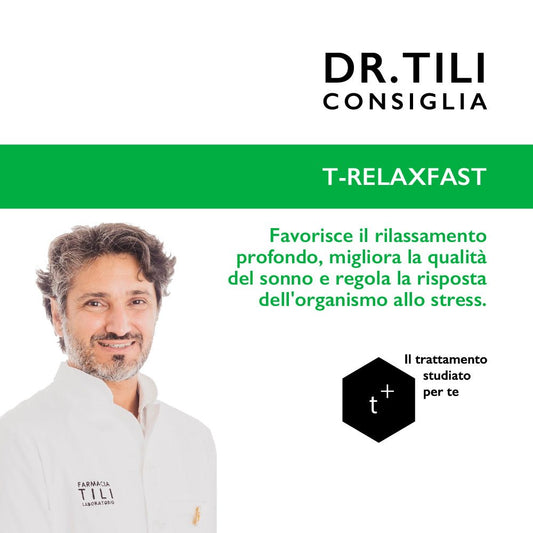
T - Relaxfast Sleep Supplement 60 Capsules Dr.Tili
Vendor:TilpharmaRegular price €24,50Regular priceUnit price per€24,50Sale price €24,50 -
Face Serum C5 Vitamin C 30ml Dr.Tili Skinlab
Vendor:TilabRegular price €62,50Regular priceUnit price per€62,50Sale price €62,50 -
Dr.Tili Skinlab E15 Vitamin E Face Serum 30ml
Vendor:TilabRegular price €32,50Regular priceUnit price per€32,50Sale price €32,50 -
Vit+ Face Vitamin Cream 50ml Dr.Tili Skinlab
Vendor:TilabRegular price €34,00Regular priceUnit price per€34,00Sale price €34,00 -
Anti-aging Facial Treatment Hyaluronic Acid IAL B3 30ml Dr.Tili Skinlab
Vendor:TilabRegular price €46,00Regular priceUnit price per€46,00Sale price €46,00 -
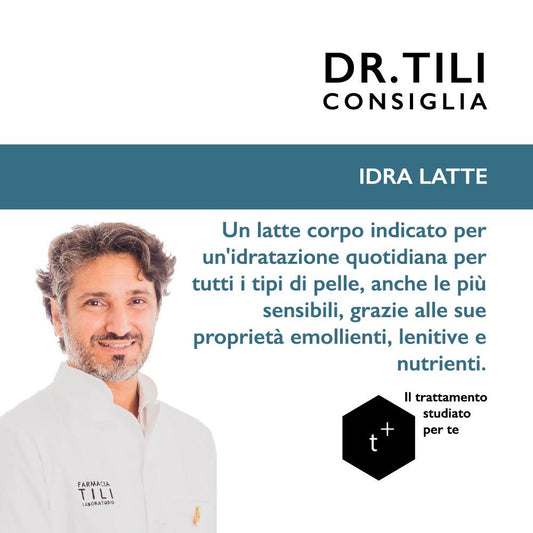
Body Milk Hydra Milk 200Ml. Dr.Tili Skinlab
Vendor:TilabRegular price €16,90Regular priceUnit price per€16,90Sale price €16,90 -
Facial Cleansing Milk 150ml Dr.Tili Skinlab
Vendor:TilabRegular price €18,90Regular priceUnit price per€18,90Sale price €18,90 -
Soothing Facial Toner 125ml Dr.Tili Skinlab
Vendor:TilabRegular price €14,50Regular priceUnit price per€14,50Sale price €14,50 -
Soothing Face Cream 50ml Dr.Tili Skinlab
Vendor:TilabRegular price €19,50Regular priceUnit price per€19,50Sale price €19,50















-

ASSISTANCE - TELEPHONE ORDERS
-

SHIPPING
Shipping to Italy 24/48H
Delivery also on Saturday and Sunday
Free over €49.90
Shipping to Europe 24/72H
Free over €80 -

SAFETY
The security of your data is important to us!
We strictly comply with the European GDPR regarding
Privacy and processing of personal data
The payments you make on our site are 100% safe and guaranteed -

RETURNS
Fast returns via DIY portal and 14 days to change your mind.
Immediate and free replacements for incorrect or non-compliant products delivered.


