

Alfasigma
Dicloreum local anti-inflammatory 3% skin foam 50g
Dicloreum local anti-inflammatory 3% skin foam 50g
Couldn't load pickup availability

NET WEIGHT OF THE PRODUCT
NET WEIGHT OF THE PRODUCT
50g
EAN
EAN
042685040
MINSAN
MINSAN
042685040

In compliance with article 118 "authorization of advertising to the public" of the legislative decree of 24 April 2006, number 219
INDICATIONS
Local treatment of painful and inflammatory states of a rheumatic or traumatic nature of the joints, muscles, tendons and ligaments.
CONTRAINDICATIONS
§ Hypersensitivity to diclofenac, to any of the excipients, to acetylsalicylic acid and other non-steroidal anti-inflammatory drugs, as well as to isopropanol. § Patients in whom asthma attacks, urticaria or acute rhinitis have occurred after taking acetylsalicylic acid or other non-steroidal anti-inflammatory drugs (NSAIDs) and isopropanol. § Third trimester of pregnancy (see section 4.6 Fertility, pregnancy and breastfeeding). § Children and adolescents under 14 years of age.
WARNINGS AND PRECAUTIONS FOR USE
The possibility of systemic adverse events with the application of topical diclofenac cannot be excluded if the preparation is used on large skin areas and for a prolonged period (see the summary of product characteristics of systemic forms of diclofenac). Topical Diclofenac should only be applied to intact, non-diseased skin and not to skin wounds or open lesions. It should not be allowed to come into contact with the eyes or mucous membranes and should not be ingested. In elderly patients and/or with gastric problems, the concomitant use of systemic anti-inflammatory drugs is not recommended. LOCAL ANTI-INFLAMMATORY DICLOREUM should be used with caution in patients who have had a hypersensitivity reaction to NSAIDs or analgesics in the past, e.g. asthma attacks, skin rashes or acute allergic rhinitis. Asthmatic patients, with chronic obstructive diseases of the bronchi, allergic rhinitis or inflammation of the nasal mucosa (nasal polyp) react with asthma attacks, local inflammation of the skin or mucosa (Quincke's edema) or urticaria to antirheumatic treatment carried out with NSAIDs more often than other patients. The use, especially if prolonged, of other products for topical use can give rise to sensitization phenomena. In this case it is necessary to interrupt treatment and institute appropriate therapy. Discontinue treatment if skin rash develops after application of the product. Topical diclofenac can be used with non-occlusive dressings, but should not be used with an occlusive dressing that does not allow air to pass through. DICLOREUM LOCAL ANTI-INFLAMMATORY contains potassium sorbate which can cause local skin reactions (e.g. contact dermatitis). This medicine contains 7.5 mg of benzyl alcohol per dose. Benzyl alcohol can cause allergic reactions. Benzyl alcohol may cause mild local irritation. This medicine contains a mint/eucalyptus fragrance which in turn contains geraniol, limonene and linalool which may cause allergic reactions. To reduce any photosensitization phenomena, it is advisable not to expose yourself excessively to the sun during use. Keep the medicine out of the sight and reach of children.
INTERACTIONS
Since the systemic absorption of diclofenac following topical application is very low, such interactions are very unlikely. However, in high-dose and prolonged treatments, keep in mind the possibility of competition between the absorbed diclofenac and other drugs with high binding to plasma proteins.
SIDE EFFECTS
Adverse reactions (Table 1) are listed by frequency, most frequent first, using the following convention: common (≥ 1/100, < 1/10); uncommon (≥ 1/1,000, < 1/100); rare (≥ 1/10,000, < 1/1,000); very rare (< 1/10,000); Not known: cannot be estimated from available data.
Immune system disorders
Very rare | Hypersensitivity (including urticaria), angioneurotic edema.
Infections and infestations
Very rare | Rash with pustules
Respiratory, thoracic and mediastinal disorders
Very rare | Asthma
Pathologies of the skin and subcutaneous tissue
Municipality | Rash, eczema, erythema, dermatitis (including contact dermatitis), pruritus.
Rare | Bullous dermatitis.
Very rare | Photosensitivity reaction
The use of the medicine in combination with other drugs containing diclofenac can give rise to phenomena of hypersensitivity to light, skin rash with the formation of vesicles, eczema, erythema and severe skin reactions (Stevens-Johnson syndrome, Lyell syndrome). Reporting of suspected adverse reactions Reporting suspected adverse reactions that occur after authorization of the medicinal product is important, as it allows continuous monitoring of the benefit/risk balance of the medicinal product. Healthcare professionals are asked to report any suspected adverse reactions via the national reporting system at https://www.aifa.gov.it/content/segnalazioni-reazioni-avverse.
OUR PRODUCTS FOR THIS SEASON
-
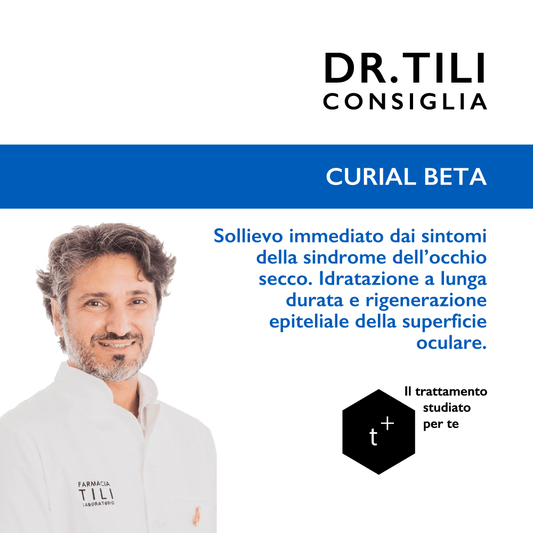
Curial βeta Dry eye supplement 30 capsules Dr.Tili
Vendor:TilpharmaRegular price €22,50Regular priceUnit price per€22,50Sale price €22,50 -
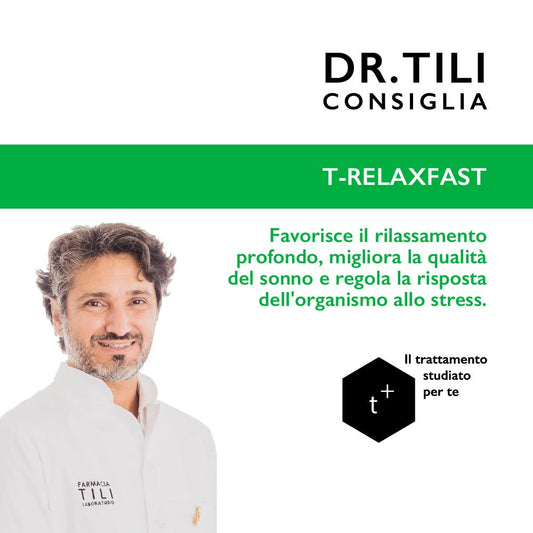
T - Relaxfast Sleep Supplement 60 Capsules Dr.Tili
Vendor:TilpharmaRegular price €24,50Regular priceUnit price per€24,50Sale price €24,50 -
Face Serum C5 Vitamin C 30ml Dr.Tili Skinlab
Vendor:TilabRegular price €62,50Regular priceUnit price per€62,50Sale price €62,50 -
Dr.Tili Skinlab E15 Vitamin E Face Serum 30ml
Vendor:TilabRegular price €32,50Regular priceUnit price per€32,50Sale price €32,50 -
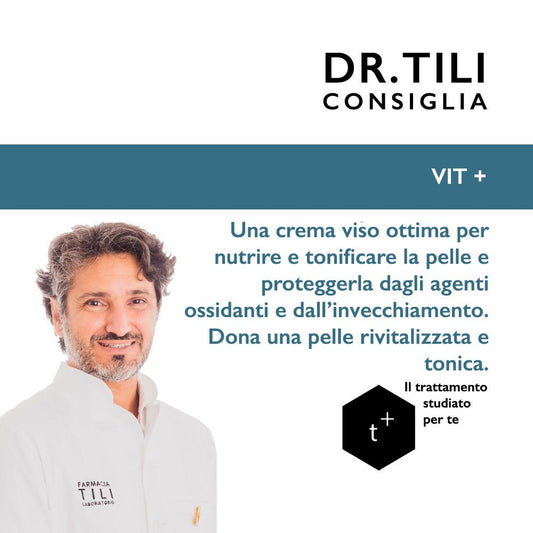
Vit+ Face Vitamin Cream 50ml Dr.Tili Skinlab
Vendor:TilabRegular price €34,00Regular priceUnit price per€34,00Sale price €34,00 -
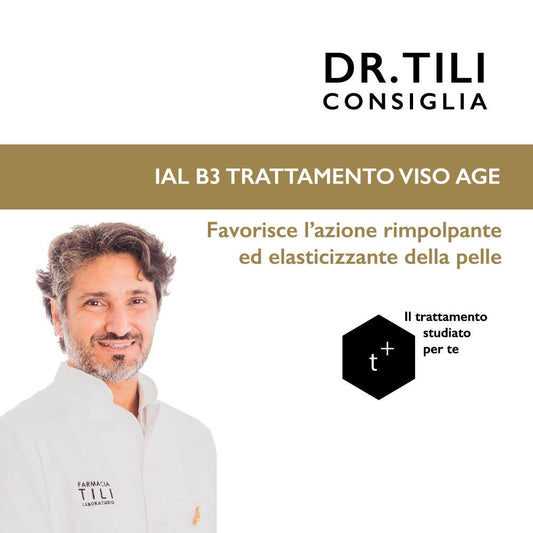
Anti-aging Facial Treatment Hyaluronic Acid IAL B3 30ml Dr.Tili Skinlab
Vendor:TilabRegular price €46,00Regular priceUnit price per€46,00Sale price €46,00 -
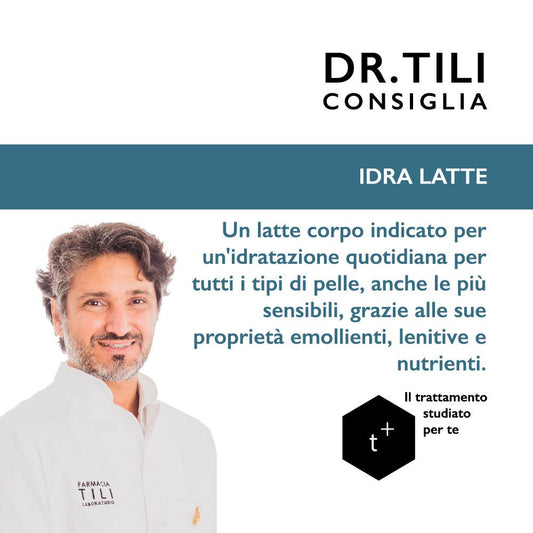
Body Milk Hydra Milk 200Ml. Dr.Tili Skinlab
Vendor:TilabRegular price €16,90Regular priceUnit price per€16,90Sale price €16,90 -
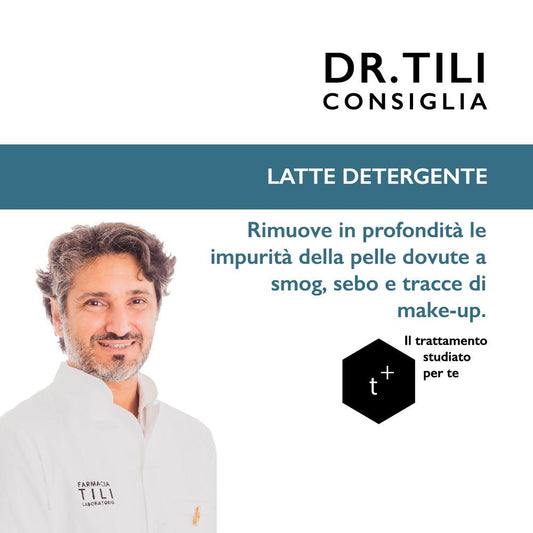
Facial Cleansing Milk 150ml Dr.Tili Skinlab
Vendor:TilabRegular price €18,90Regular priceUnit price per€18,90Sale price €18,90 -
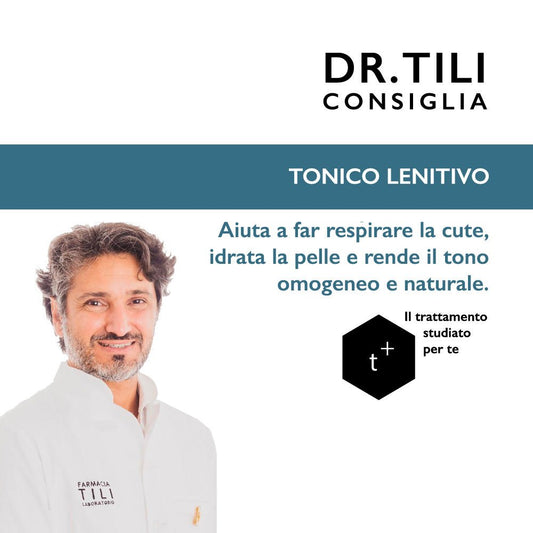
Soothing Facial Toner 125ml Dr.Tili Skinlab
Vendor:TilabRegular price €14,50Regular priceUnit price per€14,50Sale price €14,50 -
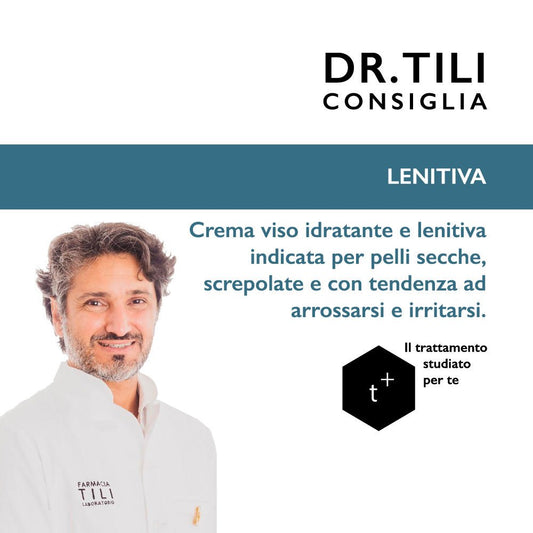
Soothing Face Cream 50ml Dr.Tili Skinlab
Vendor:TilabRegular price €19,50Regular priceUnit price per€19,50Sale price €19,50









-

ASSISTANCE - TELEPHONE ORDERS
-

SHIPPING
Shipping to Italy 24/48H
Delivery also on Saturday and Sunday
Free over €49.90
Shipping to Europe 24/72H
Free over €80 -

SAFETY
The security of your data is important to us!
We strictly comply with the European GDPR regarding
Privacy and processing of personal data
The payments you make on our site are 100% safe and guaranteed -

RETURNS
Fast returns via DIY portal and 14 days to change your mind.
Immediate and free replacements for incorrect or non-compliant products delivered.


