

Alfasigma
Cocarnitin B12 500 mg + 2 mg 10 vials powder + solvent for oral suspension
Cocarnitin B12 500 mg + 2 mg 10 vials powder + solvent for oral suspension

Couldn't load pickup availability

NET WEIGHT OF THE PRODUCT
NET WEIGHT OF THE PRODUCT
10ct
EAN
EAN
021852013
MINSAN
MINSAN
021852013
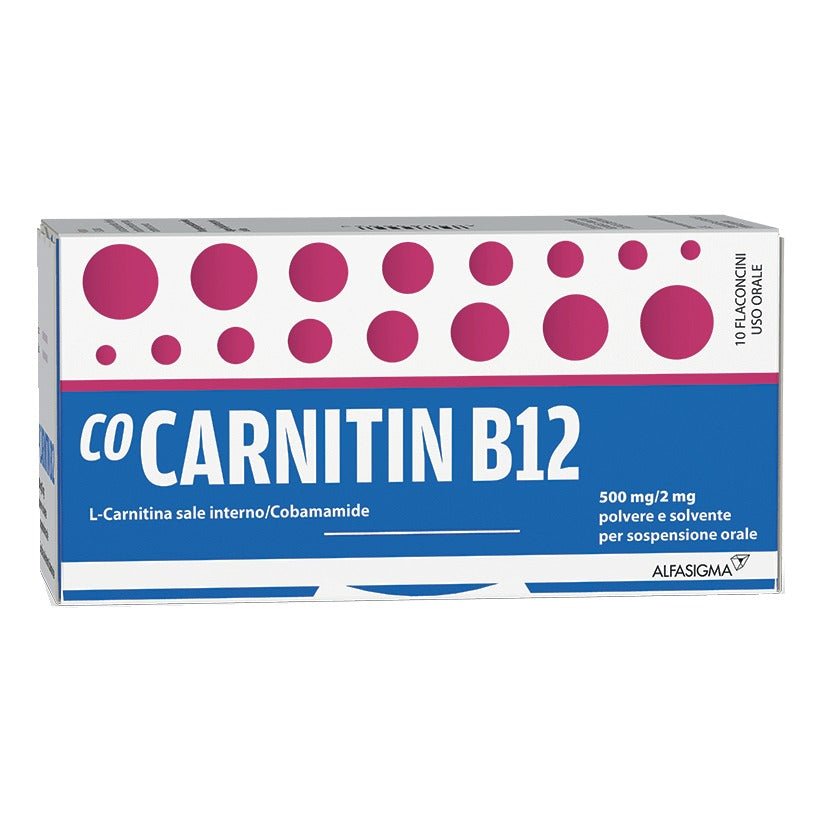
In compliance with article 118 "authorization of advertising to the public" of the legislative decree of 24 April 2006, number 219
INDICATIONS
Pediatrics: All states of malnutrition in children, infants and premature babies, growth delays, weight insufficiency, dystrophies, anorexia, weight loss from any cause, states of post-infectious debilitation. Internal medicine: Pathological weight loss of any etiology, thinness without apparent cause, loss of appetite, asthenia, convalescence, as an anti-catabolic in prolonged cortisone therapies and in thyrotoxicosis, in hypoproteinemias of liver disease and nephrosis.
CONTRAINDICATIONS
Hypersensitivity to the active substance or to any of the excipients listed in paragraph 6.1.
WARNINGS AND PRECAUTIONS FOR USE
Chronic oral administration of high doses of L-Carnitine in patients with severe renal insufficiency can induce an accumulation of potentially toxic metabolites: trimethylamine (TMA) and trimethylamine-N oxide (TMAO). Very rare cases of increased INR (International Normalized Ratio) have been reported in patients undergoing concomitant therapy with L-Carnitine and coumarin drugs. The INR or other appropriate coagulation tests - must be checked weekly until the values stabilize and subsequently monthly in patients taking anticoagulants together with L-Carnitine. Cases of seizures have been reported in patients, with or without a history of seizure activity, who have received L-Carnitine orally or intravenously. In patients with underlying predisposing conditions, treatment with L-Carnitine may trigger seizures. CoCarnitin B12 contains 4.075 g of sorbitol per vial. Sorbitol can cause gastrointestinal disorders e have a mild laxative effect. The additive effect of co-administration of medicinal products containing sorbitol (or fructose) and daily dietary intake of sorbitol (or fructose) should be considered. The sorbitol content in oral medicinal products may modify the bioavailability of other co-administered oral medicinal products. Patients with hereditary fructose intolerance should not be given this medicine. CoCarnitin B12 contains 1.5 g of sucrose per vial. Sucrose can be harmful to your teeth. Patients suffering from rare problems of fructose intolerance, glucose-galactose malabsorption, or sucrase isomaltase insufficiency should not take this medicine. CoCarnitin B12 contains 0.048 g sodium benzoate per vial. The increase in bilirubin following its detachment from albumin can increase neonatal jaundice which can progress to kernicterus (deposits of unconjugated bilirubin in the brain tissue). This medicinal product contains less than 1 mmol (23 mg) sodium per dose, i.e. essentially 'sodium-free'. Given the particular lability and photosensitivity of Cobamamide, any solution of the product in liquids or its mixing in other foods must take place immediately before the moment of administration. The drug is not habit-forming or addictive. Products containing Cobamamide should not be administered to anemic subjects unless on the basis of investigations aimed at establishing the exact nature of the anemia.
INTERACTIONS
Oral anticoagulants: Very rare cases of increased INR (International Normalized Ratio) have been reported in patients undergoing concomitant therapy with L-Carnitine and coumarin drugs (see section 4.4). The INR or other appropriate coagulation tests should be monitored weekly until the values stabilize and subsequently monthly, in patients taking L-Carnitine together with coumarin drugs (see section 4.4). Other interactions: Concomitant administration of L-Carnitine with drugs that induce hypocarnitinemia due to increased renal carnitine loss (valproic acid, prodrugs containing pivalic acid, cephalosporins, cisplatin, carboplatin and ifosfamide) may reduce the availability of L-Carnitine. There are no known interactions of Vitamin B12 with other drugs.
SIDE EFFECTS
Adverse reactions from all sources (clinical studies, published clinical data for individual active substances and post-marketing data for CoCarnitin B12) are listed below by MedDRA system organ class. Within each class, adverse reactions are classified according to frequency. Within each frequency grouping, adverse reactions are classified in order of decreasing seriousness. Furthermore, the corresponding frequency category for each adverse reaction is based on the following convention (CIOMS III): very common (≥1/10), common (≥1/100, <1/10), uncommon (≥1/1,000, <1/100), rare (≥1/10,000, <1/1,000) very rare (<1/10,000), not known (frequency cannot be estimated on the based on available data). Pathologies of the nervous system. Uncommon: Headache. Gastrointestinal disorders. Uncommon: Abdominal distension, Gastrointestinal pain, Vomiting; Common: Abdominal pain, Diarrhoea, Nausea. Cases of seizures have been reported in patients, with or without a history of seizure activity, who have received oral or intravenous L-Carnitine (see section 4.4).Reporting of suspected adverse reactions. Reporting suspected adverse reactions that occur after authorization of the medicine is important, as it allows continuous monitoring of the benefit/risk balance of the medicine. Healthcare professionals are asked to report any suspected adverse reactions via the national reporting system at https://www.aifa.gov.it/content/segnalazioni-reazioni-avverse.
OUR PRODUCTS FOR THIS SEASON
-
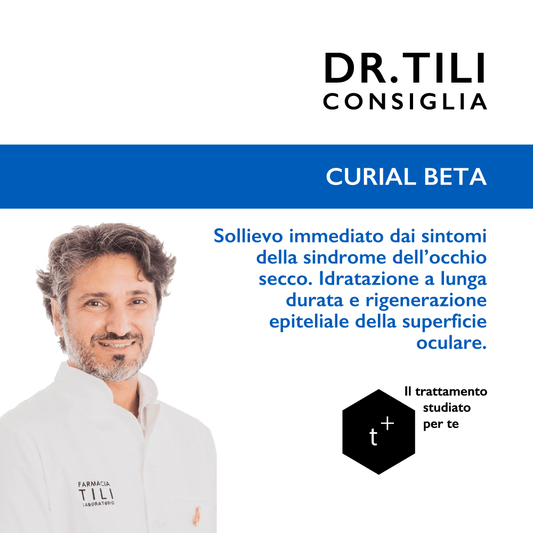
Curial βeta Dry eye supplement 30 capsules Dr.Tili
Vendor:TilpharmaRegular price €22,50Regular priceUnit price per€22,50Sale price €22,50 -
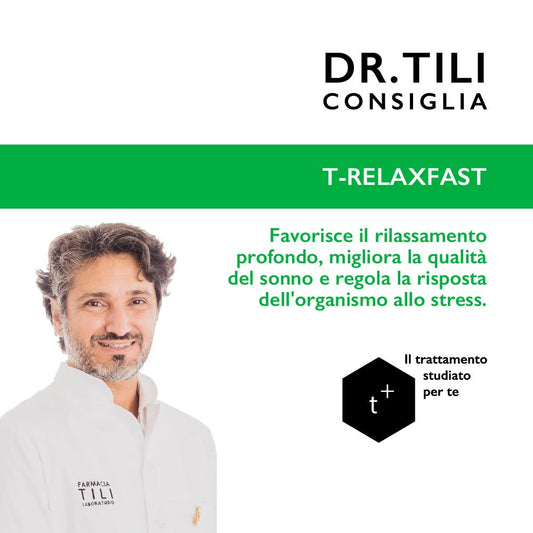
T - Relaxfast Sleep Supplement 60 Capsules Dr.Tili
Vendor:TilpharmaRegular price €24,50Regular priceUnit price per€24,50Sale price €24,50 -
Face Serum C5 Vitamin C 30ml Dr.Tili Skinlab
Vendor:TilabRegular price €62,50Regular priceUnit price per€62,50Sale price €62,50 -
Dr.Tili Skinlab E15 Vitamin E Face Serum 30ml
Vendor:TilabRegular price €32,50Regular priceUnit price per€32,50Sale price €32,50 -
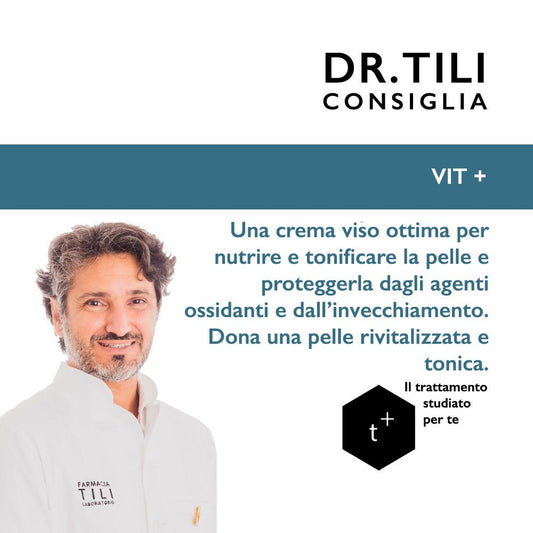
Vit+ Face Vitamin Cream 50ml Dr.Tili Skinlab
Vendor:TilabRegular price €34,00Regular priceUnit price per€34,00Sale price €34,00 -
Anti-aging Facial Treatment Hyaluronic Acid IAL B3 30ml Dr.Tili Skinlab
Vendor:TilabRegular price €46,00Regular priceUnit price per€46,00Sale price €46,00 -
Body Milk Hydra Milk 200Ml. Dr.Tili Skinlab
Vendor:TilabRegular price €16,90Regular priceUnit price per€16,90Sale price €16,90 -
Facial Cleansing Milk 150ml Dr.Tili Skinlab
Vendor:TilabRegular price €18,90Regular priceUnit price per€18,90Sale price €18,90 -
Soothing Facial Toner 125ml Dr.Tili Skinlab
Vendor:TilabRegular price €14,50Regular priceUnit price per€14,50Sale price €14,50 -
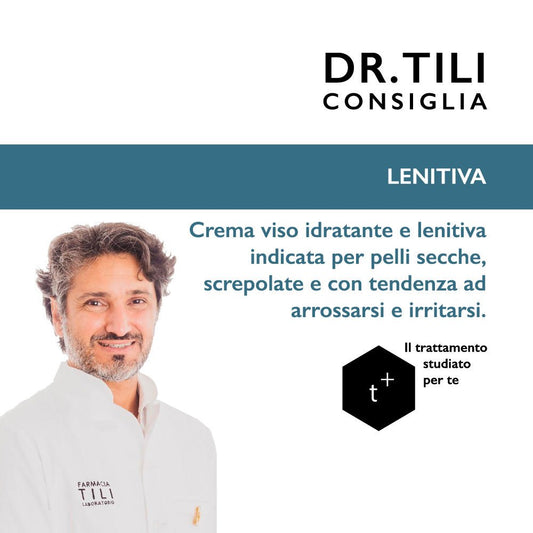
Soothing Face Cream 50ml Dr.Tili Skinlab
Vendor:TilabRegular price €19,50Regular priceUnit price per€19,50Sale price €19,50









-

ASSISTANCE - TELEPHONE ORDERS
-

SHIPPING
Shipping to Italy 24/48H
Delivery also on Saturday and Sunday
Free over €49.90
Shipping to Europe 24/72H
Free over €80 -

SAFETY
The security of your data is important to us!
We strictly comply with the European GDPR regarding
Privacy and processing of personal data
The payments you make on our site are 100% safe and guaranteed -

RETURNS
Fast returns via DIY portal and 14 days to change your mind.
Immediate and free replacements for incorrect or non-compliant products delivered.


