

Alfasigma
Carnitene 1 g/10 ml 10 single dose oral solution
Carnitene 1 g/10 ml 10 single dose oral solution

Carnitene 1 g/10 ml oral solution is an L-carnitine -based medicine indicated for primary and secondary carnitine deficiencies . Available in convenient single-dose vials , it promotes fatty acid metabolism , energy production , and helps combat fatigue . The liquid formulation ensures rapid absorption and precise dosing. Read the package leaflet and ask your doctor for advice.
Couldn't load pickup availability

NET WEIGHT OF THE PRODUCT
NET WEIGHT OF THE PRODUCT
EAN
EAN
018610042
MINSAN
MINSAN
018610042
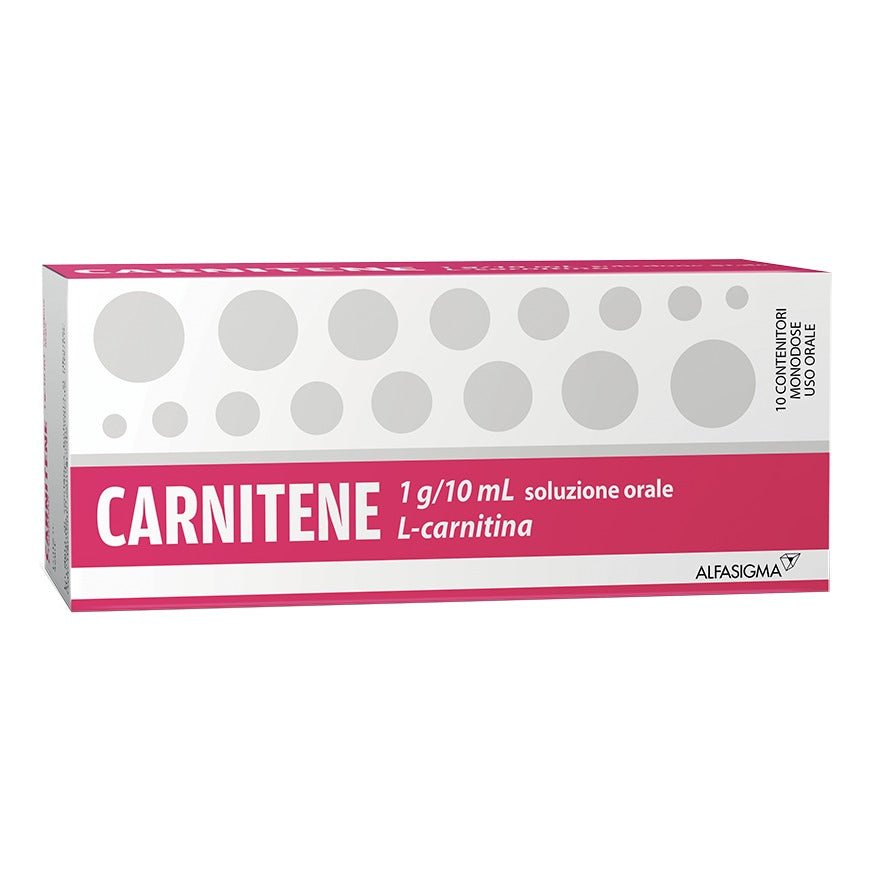
Carnitene 1 g/10 ml 10 single-dose oral solution is a medicine based on L-carnitine , an amino acid essential for the metabolism of fatty acids and the production of energy at cellular level. Each pack contains 10 single-dose vials of 10 ml, each with 1 g of L-carnitine in oral solution, ideal for simple and precise intake. The formulation in single-dose containers guarantees practicality, hygiene and accurate dosing, making the product particularly suitable for both home and clinical use.
Carnitene oral solution is indicated for the treatment of primary and secondary carnitine deficiencies , conditions in which the body is unable to produce or use carnitine correctly, compromising the ability to transform fats into energy. Thanks to its action, Carnitene supports metabolic support , helps combat fatigue and promotes an increase in physical performance , proving useful even in situations of increased energy needs or in the case of pathologies that reduce carnitine levels.
The presence of L-carnitine in liquid form ensures rapid absorption and immediate availability of the active ingredient, helping to improve general well-being and support the body in times of greatest need. Carnitene 1 g/10 ml oral solution is particularly suitable for those who need an effective supplement for energy management and for maintaining a correct metabolic balance.
ACTIVE INGREDIENTS
Active ingredients contained in Carnitene 1 g/10 ml 10 single-dose oral solution - What is the active ingredient in Carnitene 1 g/10 ml 10 single-dose oral solution?
CARNITENE 1 g/5 ml solution for injection for intravenous use One vial contains: Active ingredient: L-carnitine internal salt 1.00 g CARNITENE 2 g/5 ml solution for injection for intravenous use One vial contains: Active ingredient: L-carnitine internal salt 2.00 g CARNITENE 1 g/10 ml oral solution One single-dose container contains: Active ingredient: L-carnitine internal salt 1.00 g CARNITENE 2 g/10 ml oral solution One single-dose container contains: Active ingredient: L-carnitine internal salt 2.00 g CARNITENE 1.5 g/ 5 ml oral solution 100 ml of solution contain: Active ingredient: L-carnitine internal salt 30 g Excipients with known effects: sucrose, sorbitol (E420), sodium methyl parahydroxybenzoate (E219), propyl parahydroxybenzoate sodium (E217). CARNITENE 1 g chewable tablets One chewable tablet contains: Active ingredient: L-carnitine internal salt 1.00 g Excipient with known effect: sucrose. CARNITENE 1 g/100 ml solution for infusion with sodium chloride One bag contains: active component: L-carnitine internal salt 1.00 g. Excipient with known effect: sodium chloride. CARNITENE 2.5 g/250 ml solution for infusion with sodium chloride One bag contains: active component: L-carnitine internal salt 2.50 g. Excipient with known effect: sodium chloride. CARNITENE 1 g/100 ml solution for infusion with glucose One bag contains: active component: L-carnitine internal salt 1.00 g. Excipient with known effect: glucose CARNITENE 2.5 g/250 ml solution for infusion with glucose One bag contains: active component: L-carnitine internal salt 2.50 g. Excipient with known effect: glucose For the full list of excipients, see section 6.1.EXCIPIENTS
Composition of Carnitene 1 g/10 ml 10 single-dose oral solution - What does Carnitene 1 g/10 ml 10 single-dose oral solution contain?
Solution for injection for intravenous use, water for injections. 1 g/10 ml oral solution : d-l malic acid, sodium benzoate, sodium saccharin, purified water. 2 g/10 ml oral solution : d-l malic acid, sodium benzoate, sodium saccharin, pineapple flavouring powder, purified water. 1.5 g/5 ml oral solution : sucrose, sorbitol 70 percent (non-crystallizing), sodium methyl parahydroxybenzoate, sodium propyl parahydroxybenzoate, cherry flavouring, black cherry flavouring, purified water. Chewable tablets : mint flavouring powder, liquorice flavouring powder, sucrose, magnesium stearate. Solution for infusion with sodium chloride , sodium chloride, diluted hydrochloric acid, water for injections. Solution for infusion with glucose, glucose monohydrate, water for injections.DIRECTIONS
Therapeutic indications Carnitene 1 g/10 ml 10 single-dose oral solution - Why is Carnitene 1 g/10 ml 10 single-dose oral solution used? What is it used for?
Primary and secondary carnitine deficiencies.CONTRAINDICATIONS AND SIDE EFFECTS
Contraindications Carnitene 1 g/10 ml 10 single-dose oral solution - When should Carnitene 1 g/10 ml 10 single-dose oral solution not be used?
Hypersensitivity to the active substance or to any of the excipients listed in section 6.1. The infusion solution with sodium chloride is contraindicated in patients with hypernatremia and in hydrosaline plethoras. The infusion solution with glucose is contraindicated in diabetic patients .DOSAGE
Quantity and method of taking Carnitene 1 g/10 ml 10 single-dose oral solution - How do you take Carnitene 1 g/10 ml 10 single-dose oral solution?
Oral solution – chewable tablets : Primary deficiencies and deficiencies secondary to genetic diseases The daily oral dose depends on age and weight; from 0 to 2 years 150 mg per kg of body weight are recommended, from 2 to 6 years 100 mg per kg, from 6 to 12 years 75 mg per kg; over 12 years and in adults 2 – 4 grams depending on the severity of the pathology and the doctor's judgment. Deficiencies secondary to haemodialysis 2 – 4 grams per day. Oral solutions should only be taken after dilution, the one in single-dose containers must be diluted in a glass of water. Injectable solution for intravenous use – Solution for infusion Deficiencies secondary to haemodialysis 2 grams at the end of the dialysis session administered slowly intravenously. The 2.5 g dosage may be indicated in patients with dialysis age greater than 1 year. 5 ml vials Intravenous administration should be performed slowly (2–3 minutes). 100 ml and 250 ml bags Infusion should be administered at a rate of 3 ml per minute, equivalent to approximately 30 minutes for 100 ml bags and 1 hour and 20 minutes for 250 ml bags. Special populations Patients with renal insufficiency Patients with severely impaired renal function should not be treated with chronic oral administration of high doses of levocarnitine because it may induce an accumulation of the potentially toxic metabolites trimethylamine (TMA) and trimethylamine–N–oxide (TMAO), see section 4.4. Elderly patients No special precautions and dosage adjustments of CARNITENE are necessary in elderly patients. The safety profile observed in clinical studies is similar in elderly and young adults. Diabetic patients The administration of L-carnitine in diabetic patients treated with insulin or oral hypoglycaemic agents, improving glucose utilization, could cause hypoglycaemia. Therefore, in these subjects, blood glucose levels must be monitored regularly in order to promptly adjust the hypoglycaemic therapy if necessary (see section 4.4).CONSERVATION
Storage Carnitene 1 g/10 ml 10 single-dose oral solution - How is Carnitene 1 g/10 ml 10 single-dose oral solution stored?
No special precautions for storage are required. CARNITENE solution for infusion with glucose: Do not store above 25° C.WARNINGS
Warnings Carnitene 1 g/10 ml 10 single-dose oral solution - About Carnitene 1 g/10 ml 10 single-dose oral solution it is important to know that:
The administration of L-carnitine in diabetic patients treated with insulin or oral hypoglycaemic agents, improving glucose utilization, could cause hypoglycaemia. Therefore, in these subjects, blood glucose levels must be monitored frequently in order to promptly adjust the hypoglycaemic therapy. Intravenous administration must be performed slowly (2–3 minutes). CARNITENE solution for infusion must be used with great caution in patients with congestive heart failure, severe renal insufficiency and in clinical conditions in which there is edema with salt retention, in patients treated with corticosteroids or corticotropins. Continuous administration without the addition of potassium can cause hypokalemia. Monitor fluid balance and electrolytes. In patients with a history of seizure activity, the administration of L-carnitine may increase the incidence and/or severity of seizures. In patients with predisposing conditions, treatment with L-carnitine may trigger seizures. The safety and efficacy of oral levocarnitine have not been demonstrated in patients with renal insufficiency. Chronic oral administration of high doses of levocarnitine in patients with severe renal impairment or end-stage renal disease (ESRD) and dialysis may lead to accumulation of the potentially toxic metabolites trimethylamine (TMA) and trimethylamine-N-oxide (TMAO), as these metabolites are normally excreted in the urine. This phenomenon does not occur with intravenous administration (see section 5.2). As L-carnitine is a physiological product, it does not present any risk of habituation or dependence. Very rare cases of increased INR (International Normalized Ratio) have been reported in patients receiving concomitant therapy with coumarin drugs (see sections 4.8 and 4.5). INR – or other appropriate coagulation tests – should be checked weekly until values stabilize and then monthly in patients taking anticoagulants together with CARNITENE. CARNITENE 1.5 g/5 ml oral solution and CARNITENE 1 g chewable tablets contain sucrose: patients with rare hereditary problems of fructose intolerance, glucose-galactose malabsorption or sucrase-isomaltase insufficiency should not take this medicine. It may be harmful to the teeth. Furthermore, this should be taken into account in diabetic patients and those on low-calorie diets. CARNITENE 1.5 g/5 ml oral solution contains sorbitol. Patients with rare hereditary problems of fructose intolerance should not take this medicine. CARNITENE 1.5 g/5 ml oral solution contains para-hydroxybenzoates (methyl para-hydroxybenzoate and propyl para-hydroxybenzoate) as preservatives: these may cause allergic reactions (possibly delayed). CARNITENE 1 g/100 ml solution for infusion contains 15.2 mmol (or 350 mg) sodium per 100 ml bag and CARNITENE 2.5 g/250 ml solution for infusion contains 38 mmol (or 875 mg) sodium per 250 ml bag. To be taken into consideration by patients with reduced kidney function or on a controlled sodium diet. CARNITENE 1 g/100 ml solution for infusion with glucose contains 5.5 g glucose per dose (100 ml bag) and CARNITENE 2.5 g/250 ml solution for infusion with glucose contains 13.75 g glucose per dose (250 ml bag): patients with rare hereditary problems of glucose-galactose malabsorption should not take this medicine. To be taken into consideration in patients with diabetes mellitus.INTERACTIONS
Interactions Carnitene 1 g/10 ml 10 single-dose oral solution - Which medicines or foods can modify the effect of Carnitene 1 g/10 ml 10 single-dose oral solution?
An interaction between L-carnitine and coumarin drugs cannot be ruled out. Very rare cases of increased INR (International Normalized Ratio) have been reported in patients receiving concomitant therapy with coumarin drugs (see sections 4.8 and 4.4). The INR – or other appropriate coagulation tests – should be monitored weekly until the values stabilize and then monthly in patients taking anticoagulants together with CARNITENE (see section 4.4). Concomitant administration of CARNITENE with drugs that induce hypocarnitinemia due to increased renal carnitine loss (valproic acid, prodrugs containing pivalic acid, cephalosporins, cisplatin, carboplatin and ifosfamide) may reduce the availability of L-carnitine.SIDE EFFECTS
Like all medicines, Carnitene 1 g/10 ml 10 single-dose oral solution can cause side effects - What are the side effects of Carnitene 1 g/10 ml 10 single-dose oral solution?
Adverse reactions from any source (clinical studies, literature and post-marketing) are listed in the table below by MedDRA system organ class. Within each class, adverse reactions are classified by frequency. Within each frequency grouping, adverse reactions are classified in order of decreasing seriousness. In addition, the corresponding frequency category for each adverse reaction is based on the following convention (CIOMS III): very common (≥ 1/10), common (≥ 1/100, <1/10), uncommon (≥ 1/1,000, <1/100), rare (≥ 1/10,000, <1/1,000), very rare (<1/10,000), not known (cannot be estimated from the available data).| Nervous system disorders | |
| Uncommon: | Headache |
| Not known: | Convulsions*, Dizziness |
| Heart disease | |
| Not known: | Palpitations |
| Vascular pathologies | |
| Uncommon: | Hypertension, Hypotension |
| Respiratory, thoracic and mediastinal pathologies | |
| Not known: | Dyspnea |
| Gastrointestinal disorders | |
| Common: | Vomiting, Nausea, Diarrhea, Abdominal pain |
| Uncommon: | Dysgeusia, Dyspepsia, Dry mouth |
| Skin and subcutaneous tissue disorders | |
| Uncommon: | Abnormal skin odor ** |
| Not known: | Itching, Skin rash |
| Musculoskeletal and connective tissue disorders | |
| Uncommon: | Muscle spasms |
| Not known: | Myasthenia***, Muscle tension |
| Systemic disorders and conditions related to the administration site | |
| Uncommon: | Chest pain, Feeling abnormal, Pyrexia, Injection site reaction**** |
| Diagnostic tests | |
| Uncommon: | Increased blood pressure |
| Very rare: | Increased INR***** |
OVERDOSE
Overdose Carnitene 1 g/10 ml 10 single-dose oral solution - What are the risks of Carnitene 1 g/10 ml 10 single-dose oral solution in case of overdose?
Overdose and long-term administration of L-carnitine have been associated with diarrhea. L-carnitine is readily removed from the blood by dialysis.PREGNANCY AND BREASTFEEDING
If you are pregnant or breast-feeding, think you may be pregnant or are planning to have a baby, ask your doctor for advice before taking Carnitene 1 g/10 ml 10 single-dose oral solution.
Fertility In clinical studies conducted in fertility, favorable effects were identified and no safety concerns were identified. Pregnancy Reproduction studies have been conducted in rats and rabbits. There was no evidence of a teratogenic effect in either species. In rabbits, but not in rats, there was a statistically insignificant increase in post-implantation losses at the highest dose tested (600 mg/kg per day) compared to the control group. The relevance of these findings in humans is unknown. No adequate clinical studies have been performed in pregnant women. CARNITENE should be administered during pregnancy if the benefit to the mother outweighs any potential risk to the fetus. Breastfeeding L-carnitine is a normal component of human milk. The use of L-carnitine supplementation in nursing mothers has not been studied. CARNITENE should be used by nursing mothers if the benefit to the mother outweighs any potential risk to the infant due to excessive exposure to carnitine.DRIVING AND USE OF MACHINERY
Taking Carnitene 1 g/10 ml 10 single-dose oral solution before driving or using machinery - Does Carnitene 1 g/10 ml 10 single-dose oral solution affect driving or using machinery?
CARNITENE does not alter the ability to drive vehicles or use machinery.OUR PRODUCTS FOR THIS SEASON
-
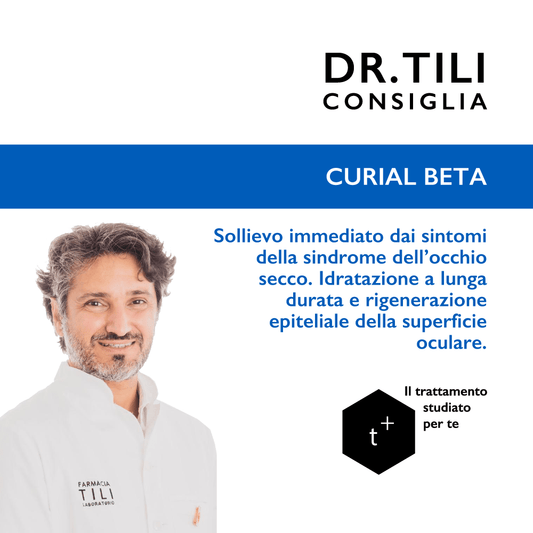
Curial βeta Dry eye supplement 30 capsules Dr.Tili
Vendor:TilpharmaRegular price €22,50Regular priceUnit price per€22,50Sale price €22,50 -
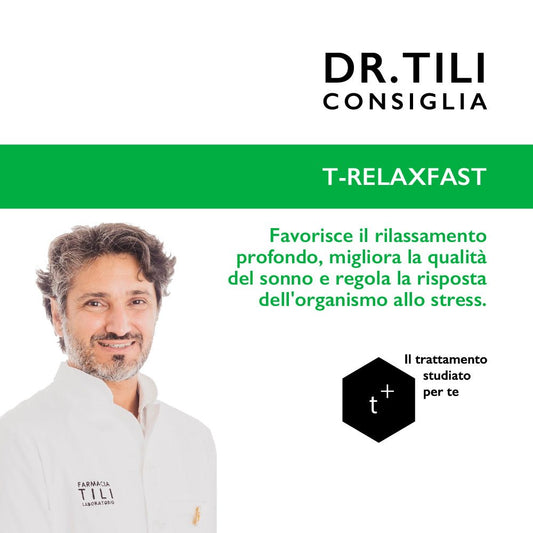
T - Relaxfast Sleep Supplement 60 Capsules Dr.Tili
Vendor:TilpharmaRegular price €24,50Regular priceUnit price per€24,50Sale price €24,50 -
Face Serum C5 Vitamin C 30ml Dr.Tili Skinlab
Vendor:TilabRegular price €62,50Regular priceUnit price per€62,50Sale price €62,50 -
Dr.Tili Skinlab E15 Vitamin E Face Serum 30ml
Vendor:TilabRegular price €32,50Regular priceUnit price per€32,50Sale price €32,50 -
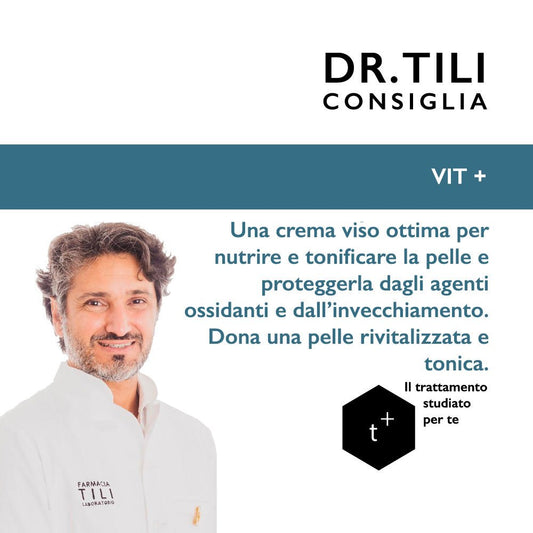
Vit+ Face Vitamin Cream 50ml Dr.Tili Skinlab
Vendor:TilabRegular price €34,00Regular priceUnit price per€34,00Sale price €34,00 -
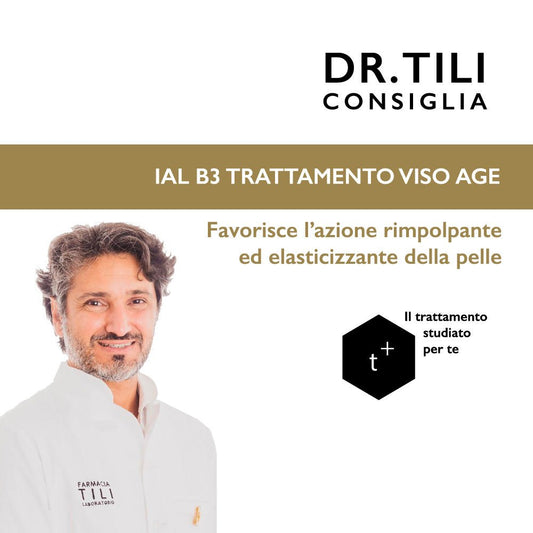
Anti-aging Facial Treatment Hyaluronic Acid IAL B3 30ml Dr.Tili Skinlab
Vendor:TilabRegular price €46,00Regular priceUnit price per€46,00Sale price €46,00 -
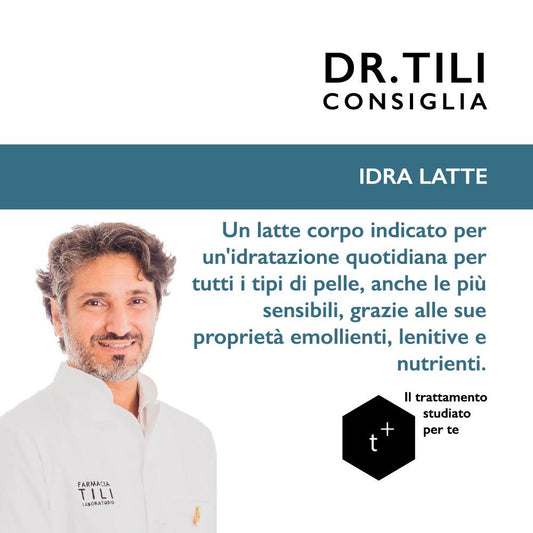
Body Milk Hydra Milk 200Ml. Dr.Tili Skinlab
Vendor:TilabRegular price €16,90Regular priceUnit price per€16,90Sale price €16,90 -
Facial Cleansing Milk 150ml Dr.Tili Skinlab
Vendor:TilabRegular price €18,90Regular priceUnit price per€18,90Sale price €18,90 -
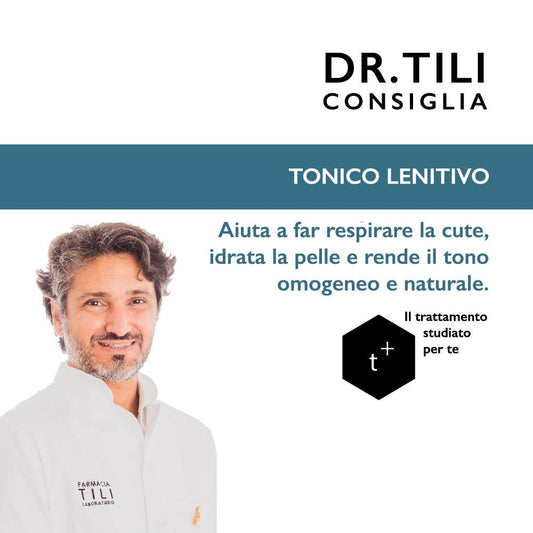
Soothing Facial Toner 125ml Dr.Tili Skinlab
Vendor:TilabRegular price €14,50Regular priceUnit price per€14,50Sale price €14,50 -
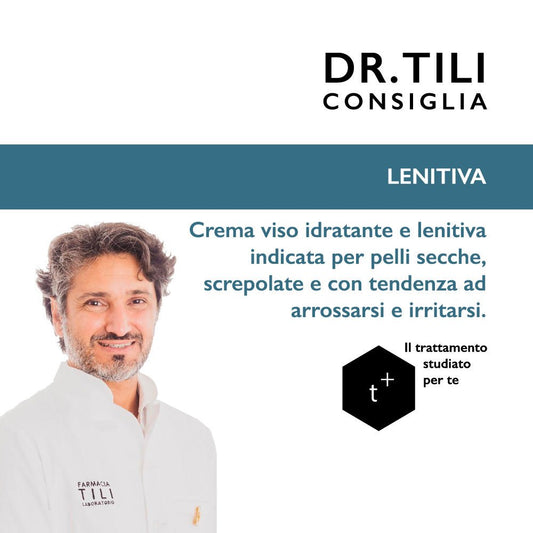
Soothing Face Cream 50ml Dr.Tili Skinlab
Vendor:TilabRegular price €19,50Regular priceUnit price per€19,50Sale price €19,50










-

ASSISTANCE - TELEPHONE ORDERS
-

SHIPPING
Shipping to Italy 24/48H
Delivery also on Saturday and Sunday
Free over €49.90
Shipping to Europe 24/72H
Free over €80 -

SAFETY
The security of your data is important to us!
We strictly comply with the European GDPR regarding
Privacy and processing of personal data
The payments you make on our site are 100% safe and guaranteed -

RETURNS
Fast returns via DIY portal and 14 days to change your mind.
Immediate and free replacements for incorrect or non-compliant products delivered.


