

Opella Healthcare
BuscofenPocket 400mg 10 sachets oral powder
BuscofenPocket 400mg 10 sachets oral powder

Couldn't load pickup availability

NET WEIGHT OF THE PRODUCT
NET WEIGHT OF THE PRODUCT
10ct
EAN
EAN
045386075
MINSAN
MINSAN
045386075

In compliance with article 118 "authorization of advertising to the public" of the legislative decree of 24 April 2006, number 219
INDICATIONS
BUSCOFENPOCKET is indicated for the short-term symptomatic treatment of mild-moderate intensity pain such as headache, toothache and dysmenorrhea. BUSCOFENPOCKET is also indicated for the short-term symptomatic treatment of fever. BUSCOFENPOCKET 400 mg is recommended for adults and adolescents with a body weight of 40 kg or more (aged 12 years and above).
CONTRAINDICATIONS
- Hypersensitivity to the active substance or to any of the excipients listed in paragraph 6.1. - Patients with a history of bronchospasm, asthma, rhinitis, urticaria or angioedema associated with the intake of acetylsalicylic acid or other non-steroidal anti-inflammatory medicinal products. - History of gastrointestinal bleeding or perforation related to previous NSAID therapy. - Presence or history of peptic ulcer/recurrent hemorrhage (two or more distinct episodes of demonstrated ulceration or bleeding). - Cerebrovascular haemorrhage or other active haemorrhage. - Patients with severe hepatic insufficiency, severe renal insufficiency (glomerular filtration rate less than 30 ml/min) or severe heart failure (NYHA class IV) (see section 4.4). - Severe dehydration (due to vomiting, diarrhea or insufficient fluid intake). - Disorders of haematopoiesis of unknown origin, e.g. thrombocytopenia. - During the last trimester of pregnancy (see section 4.6).
WARNINGS AND PRECAUTIONS FOR USE
Caution is required in patients: - with a history of hypertension and/or heart failure, since fluid retention and edema have been reported in association with NSAID therapy (see sections 4.3 and 4.8); - with renal impairment, as further deterioration of renal function may occur (see sections 4.3 and 4.8); - with liver dysfunction (see sections 4.3 and 4.8); - who have just undergone major surgery; - with congenital alteration of porphyrin metabolism (for example acute intermittent porphyria). Undesirable effects can be limited by using the minimum effective dose for the minimum duration necessary to control symptoms (see section 4.2 and subsequent sections relating to gastrointestinal and cardiovascular risks). Respiratory disorders Bronchospasm may occur in patients suffering from bronchial asthma or allergic disease or with a history of these disorders. Elderly Elderly people present an increased frequency of adverse reactions to NSAIDs, in particular gastrointestinal bleeding and perforation, which can be fatal (see section 4.8). Gastrointestinal safety Life-threatening gastrointestinal bleeding, ulceration and perforation have been reported with all NSAIDs at any time during treatment, with or without warning symptoms or a prior history of serious gastrointestinal events. The risk of gastrointestinal bleeding, ulceration or perforation is greater with increasing doses of NSAIDs, in patients with a history of ulcer, particularly if complicated by haemorrhage or perforation (see section 4.3), and in the elderly. These patients should start treatment with the lowest available dose. For these patients, as well as for patients requiring concomitant use of low doses of acetylsalicylic acid or other drugs that may increase gastrointestinal risk (see below and section 4.5), combined therapy with protective agents (e.g. misoprostol or proton pump inhibitors) should be considered. Patients with a history of gastrointestinal toxicity, particularly the elderly, should report any unusual abdominal symptoms (especially gastrointestinal bleeding), particularly during the initial stages of treatment. Caution is advised in patients receiving concomitant medications that may increase the risk of ulceration or bleeding, such as oral corticosteroids, anticoagulants such as warfarin, selective serotonin reuptake inhibitors or antiplatelet agents such as acetylsalicylic acid (see section 4.5). If gastrointestinal bleeding or ulceration occurs in patients taking ibuprofen, treatment should be discontinued (see section 4.3). NSAIDs should be administered with caution in patients with a history of gastrointestinal disease (ulcerative colitis, Crohn's disease), because these disorders may be exacerbated (see section 4.8). Severe skin reactions Very rarely, serious skin reactions, some of them fatal, have been reported in association with the use of NSAIDs, including exfoliative dermatitis, Stevens-Johnson syndrome and toxic epidermal necrolysis (see section 4.8). Patients appear to be at greater risk of developing these reactions at the beginning of therapy: in most cases the reactions arise within the first month of treatment. Acute generalized exanthematous pustulosis (PEAG) has been reported in connection with ibuprofen-containing medicinal products. Therapy with BUSCOFENPOCKET must be discontinued as soon as skin rashes, mucosal lesions or any other sign of hypersensitivity appear. Exceptionally, chickenpox can cause serious infectious complications affecting the skin and soft tissues. It is recommended to avoid the use of ibuprofen during chickenpox. Masking of symptoms of underlying infections BUSCOFENPOCKET may mask the symptoms of infection, which could delay the initiation of adequate treatment and therefore worsen the outcome of the infection. This has been observed in community-acquired bacterial pneumonia and bacterial complications of chickenpox. When BUSCOFENPOCKET is administered for the relief of fever or pain related to infection, monitoring of the infection is recommended. In non-hospital settings, the patient should seek medical attention if symptoms persist or worsen. Systemic lupus erythematosus and mixed connective tissue disease Caution is advised in patients with systemic lupus erythematosus (SLE) and mixed connective tissue disease, as they may be at increased risk of aseptic meningitis (see section 4.8). Cardiovascular and cerebrovascular effects Caution is necessary (also discuss it with your doctor or pharmacist) before starting treatment in patients with a history of hypertension and/or mild-moderate congestive heart failure, since fluid retention, hypertension and edema have been reported in association with NSAID therapy. Clinical studies suggest that the use of ibuprofen, especially in high doses (2400 mg/day), may be associated with a modest increase in the risk of arterial thrombotic events (e.g. myocardial infarction or stroke). Overall, epidemiological studies do not suggest that low doses of ibuprofen (e.g. ≤ 1200 mg/day) are associated with an increased risk of arterial thrombotic events. Patients with uncontrolled hypertension, congestive heart failure (NYHA II-III), established ischemic heart disease, peripheral arterial disease and/or cerebrovascular disease should be treated with ibuprofen only after careful evaluation and avoiding high doses (2400 mg/day). Furthermore, careful evaluation must be made before starting long-term treatments of patients with risk factors for cardiovascular events (e.g. hypertension, hyperlipidemia, diabetes mellitus, smoking), especially if high doses of ibuprofen (2400 mg/day) are necessary. Allergic reactions Very rarely, severe acute hypersensitivity reactions (e.g. anaphylactic shock) are observed. At the first signs of a hypersensitivity reaction following the intake/administration of BUSCOFENPOCKET, therapy should be suspended. The required medical measures must be implemented by specialized personnel, depending on the symptoms. Caution is necessary in patients who have had allergic or hypersensitivity reactions, since for such patients there may be an increased risk of hypersensitivity reactions following the intake of Ibuprofen. There is an increased risk of allergic reactions occurring in patients suffering from hay fever, nasal polyps or chronic obstructive respiratory disease. These reactions can present as asthma attacks (so-called analgesic asthma), Quincke's edema or urticaria. Renal effects In general, the habitual use of analgesics, in particular combinations of different analgesic active ingredients, can lead to permanent kidney damage with the risk of renal failure (analgesic nephropathy). This risk may increase with physical exertion associated with loss of salt and dehydration and therefore must be avoided. Caution is required in patients with hypertension and/or heart failure, as further deterioration of renal function may occur (see sections 4.3 and 4.8). Other notes Ibuprofen, the active ingredient in BUSCOFENPOCKET, can temporarily inhibit platelet function (platelet aggregation). Therefore, patients with coagulation disorders should be carefully monitored. In case of prolonged administration of BUSCOFENPOCKET, periodic checks of liver values, renal function and blood counts are necessary. The use of the medicinal product together with other NSAIDs, including selective cyclooxygenase-2 inhibitors, should be avoided, due to potential additive effects (see section 4.5). These effects may worsen with prolonged use of any type of painkiller for headache. If this situation occurs or is suspected, a doctor should be consulted and treatment should be discontinued. The diagnosis of medication-overuse headache (MOH) should be suspected in patients who experience frequent or daily headaches despite (or because of) regular use of headache medications. Alcohol consumption should be avoided, as it can increase the side effects of NSAIDs, particularly those affecting the gastrointestinal tract and central nervous system. Pediatric population There is a risk of renal impairment in dehydrated adolescents. Information on some excipients This medicine contains isomaltitol (E953): Patients with rare hereditary problems of fructose intolerance should not take this medicine. This medicinal product contains potassium, less than 1 mmol (39 mg) per sachet, i.e. essentially “potassium-free”.
INTERACTIONS
Monitoring of clinical and biological parameters should be considered for patients taking ibuprofen concomitantly with the medicinal products listed below. The use of ibuprofen in combination with the following medicines is not recommended: • Other NSAIDs, including selective cyclooxygenase-2 inhibitors: Use in combination with other NSAIDs, including COX-2 inhibitors, should be avoided due to potential additive effects (see section 4.4). Concomitant use of several NSAIDs may increase the risk of gastrointestinal ulcers and bleeding due to the synergistic effect. • Acetylsalicylic acid. Concomitant administration of ibuprofen and acetylsalicylic acid is generally not recommended, due to the potential for increased side effects. Experimental data suggest that ibuprofen can competitively inhibit the effect of acetylsalicylic acid at low doses on platelet aggregation, when the two drugs are administered simultaneously. Although there are uncertainties regarding the extrapolation of these data to the clinical situation, the possibility cannot be excluded that regular, long-term use of ibuprofen may reduce the cardioprotective effect of acetylsalicylic acid at low doses. No clinically relevant effects are considered probable in case of occasional use of ibuprofen (see section 5.1). Ibuprofen should be used with caution in combination with the following medicines: Diuretics, ACE inhibitors, beta-blocking drugs and angiotensin-II antagonists NSAIDs can reduce the effect of diuretics and other antihypertensive drugs. Diuretics may also increase the risk of NSAID-associated nephrotoxicity. In some patients with compromised renal function (e.g. dehydrated patients or elderly patients with compromised renal function), co-administration of an ACE inhibitor, a beta-blocking medicinal product or an angiotensin-II antagonist and agents that inhibit cyclooxygenase may lead to further deterioration of renal function, including possible acute renal failure, which is usually reversible. Therefore, this combination should be administered with caution, especially in the elderly. Patients should be adequately hydrated and consideration should be given to monitoring renal function after initiation of concomitant therapy and periodically thereafter. Concomitant administration of BUSCOFENPOCKET and potassium-sparing diuretics may cause hyperkalemia. Cardiac glycosides NSAIDs can exacerbate heart failure, reduce glomerular filtration and increase plasma levels of cardiac glycosides (e.g. digoxin). Lithium Co-administration of ibuprofen and lithium-containing medicinal products may cause an increase in serum lithium levels. Phenytoin NSAIDs may reduce the elimination of phenytoin. Methotrexate There is evidence of a possible increase in plasma levels of methotrexate. NSAIDs inhibit tubular secretion of methotrexate and may reduce its clearance. In case of treatment with methotrexate at high doses, the administration of ibuprofen (NSAID) should be avoided. The risk of interaction between NSAIDs and methotrexate must be taken into consideration even in case of treatment with methotrexate at low doses, especially in patients with renal impairment. If methotrexate and NSAIDs are combined, renal function should be monitored. Caution is advised if NSAIDs and methotrexate are administered within 24 hours, as plasma levels of methotrexate may increase, resulting in increased toxicity. Tacrolimus Increased risk of nephrotoxicity when the two medicines are administered simultaneously. Cyclosporine Increased risk of nephrotoxicity in case of concomitant use of NSAIDs. Mifepristone Due to the antiprostaglandin properties of NSAIDs, a decrease in the effectiveness of the medicine could theoretically result. Limited evidence suggests that co-administration of NSAIDs on the day of prostaglandin administration does not adversely influence the effects of mifepristone or prostaglandin on cervical maturation or uterine contractility and does not reduce the clinical efficacy of the medicinal product on pregnancy termination. Corticosteroids Increased risk of gastrointestinal ulceration or bleeding (see section 4.4). Anticoagulants NSAIDs may increase the effects of anticoagulants such as warfarin (see section 4.4). Antiplatelet agents and selective serotonin reuptake inhibitors (SSRIs) Increased risk of gastrointestinal bleeding (see section 4.4). Sulfonylureas NSAIDs can enhance the effect of sulphonylureas. Rare cases of hypoglycemia have been reported in patients treated with sulfonylureas while taking ibuprofen. During concomitant intake, a check of blood glucose values is recommended as a precaution. Zidovudine Increased risk of haematological toxicity when NSAIDs are administered simultaneously with zidovudine. There is evidence of a greater risk of haemarthrosis and haematoma in HIV-positive haemophiliacs when treated simultaneously with zidovudine and ibuprofen. Probenecid and sulfinpyrazone Medicines containing probenecid or sulfinpyrazone may delay the excretion of ibuprofen. The uricosuric action of these substances is diminished. Aminoglycosides NSAIDs can decrease the excretion of aminoglycosides. Quinolone antibiotics Data from animal studies indicate that NSAIDs may increase the risk of seizures associated with quinolone antibiotics. Patients taking NSAIDs and quinolones may be at increased risk of developing seizures. CYP2C9 inhibitors Concomitant administration of ibuprofen with CYP2C9 inhibitors may increase exposure to ibuprofen (CYP2C9 substrate). In a study with voriconazole and fluconazole (CYP2C9 inhibitors), an increased exposure to S-(+)-ibuprofen by approximately 80-100% was observed. Reduction of the ibuprofen dose should be considered when strong CYP2C9 inhibitors are coadministered, particularly when high doses of ibuprofen are administered with voriconazole or fluconazole. Cholestyramine Concomitant administration of ibuprofen and cholestyramine delays and reduces the absorption of ibuprofen (25%). The medicines must be administered a few hours apart from each other. Alcohol, bisphosphonates, pentoxifylline (oxypentifylline) Alcohol, bisphosphonates and pentoxifylline may increase gastrointestinal side effects and the risk of bleeding and ulceration. Plant extracts Ginkgo biloba may increase the risk of bleeding in association with NSAIDs.
SIDE EFFECTS
Gastrointestinal disorders: The most commonly observed adverse events are gastrointestinal in nature. Peptic ulcer, perforation, or gastrointestinal bleeding may occur, sometimes with fatal outcome, especially in the elderly. Following administration of ibuprofen, nausea, vomiting, diarrhoea, flatulence, constipation, dyspepsia, abdominal pain, melena, haematemesis, ulcerative stomatitis and exacerbation of colitis and Crohn's disease have been reported (see section 4.4). Less frequently, gastritis has been observed. Immune system disorders: Following treatment with ibuprofen, hypersensitivity reactions have been reported, which may consist of: (a) non-specific allergic reactions and anaphylaxis, (b) respiratory tract reactivity, including asthma, including severe asthma, bronchospasm or dyspnea, or (c) various skin disorders, including rashes of various types, pruritus, urticaria, purpura, angioedema and, very rarely, erythema multiforme, bullous dermatoses (including Stevens-Johnson syndrome and toxic epidermal necrolysis). Infections and infestations: A worsening of inflammation associated with varicella-zoster virus infection (e.g. development of necrotizing fasciitis) has been described in conjunction with the use of ibuprofen. This is probably associated with the mechanism of action of NSAIDs. Therefore, if the patient notices the appearance or worsening of signs of infection while taking ibuprofen, it is recommended to contact a doctor immediately. It should be investigated whether there is an indication for anti-infective/antibiotic therapy. Pathologies of the skin and subcutaneous tissue: In exceptional cases, serious skin infections and soft tissue complications may occur during chickenpox infection (see section 4.4). Cardiac and vascular pathologies: Edema, hypertension and heart failure have been reported in association with NSAID therapy. Clinical studies suggest that the use of ibuprofen, especially in high doses (2400 mg/day), may be associated with a modest increase in the risk of arterial thrombotic events such as myocardial infarction or stroke (see section 4.4). Adverse reactions possibly related to ibuprofen are listed below by frequency and by system organ class according to MedDRA. Frequency groups are classified according to the following categories: very common (≥ 1/10); common (≥ 1/100 - < 1/10); uncommon (≥ 1/1,000 - < 1/100); rare (≥ 1/10,000 - < 1/1,000); very rare (< 1/10,000) and not known (cannot be estimated from the available data):
Classification by systems and organs | Frequency | Undesirable effect
Infections and infestations | Uncommon | Rhinitis
Rare | Aseptic meningitis Symptoms of aseptic meningitis such as headache, nausea, vomiting, fever, stiff neck, or loss of consciousness. Patients with certain immune system disorders (systemic lupus erythematosus or mixed connective tissue disease) appear to be at increased risk.
Pathologies of the blood and lymphatic system | Very rare | Pancytopenia, anemia, leukopenia, thrombocytopenia, neutropenia, agranulocytosis, aplastic anemia, hemolytic anemia. The first symptoms are: fever, sore throat, superficial mouth ulcers, flu-like symptoms, severe fatigue, unexplained bleeding and bruising. In these cases, the patient should be advised to immediately stop using the medicine in order to avoid any self-medication with analgesics or antipyretics and to consult a doctor. Blood counts should be checked regularly during long-term therapy.
Immune system disorders | Uncommon | Hypersensitivity reactions with skin rashes and itching, as well as asthma attacks (possibly with drop in blood pressure). In this case the patient must immediately inform the doctor and no longer take BUSCOFENPOCKET.
Very rare | Severe hypersensitivity reactions Symptoms could be: swelling of the face, tongue and larynx with narrowing of the airways, dyspnoea, tachycardia, hypotension (anaphylaxis, angioedema or severe shock). If any of these symptoms occur, which may happen upon first use, immediate medical attention is needed.
Psychiatric disorders | Uncommon | Insomnia, anxiety
Rare | Depression, confusional state
Very rare | Psychotic reactions
Nervous system disorders | Municipality | Headache, dizziness
Uncommon | Paraesthesia, drowsiness, agitation, irritability
Rare | Optic neuritis
Eye diseases | Uncommon | Visual impairment In these cases the patient must inform the doctor and stop taking ibuprofen
Rare | Toxic optic neuropathy
Ear and labyrinth disorders | Uncommon | Hearing impairment, vertigo, tinnitus
Cardiac disorders | Very rare | Heart failure, myocardial infarction (see also section 4.4)
Vascular pathologies | Very rare | Arterial hypertension, vasculitis
Respiratory, thoracic and mediastinal disorders | Uncommon | Asthma, bronchospasm, dyspnea
Gastrointestinal disorders | Municipality | Heartburn, nausea, vomiting, diarrhoea, constipation, flatulence, dyspepsia, abdominal pain, melena, haematemesis, gastrointestinal haemorrhage
Uncommon | Gastritis, gastrointestinal ulcers, potentially with bleeding and perforation, ulcerative stomatitis, exacerbation of colitis and Crohn's disease. The use of BUSCOFENPOCKET should be discontinued if the patient has significant pain in the upper abdomen, vomits blood, has blood in the stool or black stool
Very rare | Esophagitis, diaphragm-like intestinal stenosis, pancreatitis
Hepatobiliary disorders | Uncommon | Hepatitis, jaundice, abnormal liver function
Very rare | Liver damage, especially with long-term treatment, liver failure
Skin and subcutaneous tissue disorders | Municipality | Skin rashes (various)
Uncommon | Urticaria, pruritus, purpura, angioedema, photosensitivity reactions
Very rare | Bullous reactions, including Stevens-Johnson syndrome and toxic epidermal necrolysis (Lyell's syndrome), erythema multiforme, alopecia
Not known | Acute generalized exanthematous pustulosis (PEAG). Drug reaction with eosinophilia and systemic symptoms (DRESS syndrome)
Renal and urinary disorders | Uncommon | Nephrotoxicity in various forms e.g. tubulointerstitial nephritis, nephrotic syndrome and renal failure
Rare | Kidney tissue damage (papillary necrosis), especially in long-term treatment, increased concentration of uric acid in the blood, increased concentration of urea in the blood
Very rare | Reduction in urine production and edema formation, particularly in patients with arterial hypertension or renal failure
Systemic disorders and conditions relating to the administration site | Municipality | Fatigue
Rare | Edema
Reporting of suspected adverse reactions Reporting suspected adverse reactions that occur after authorization of the medicine is important, as it allows continuous monitoring of the benefit/risk balance of the medicine. Healthcare professionals are asked to report any suspected adverse reactions via the national reporting system at: https://www.aifa.gov.it/content/segnalazioni-reazioni-avverse
OUR PRODUCTS FOR THIS SEASON
-
Curial βeta Dry eye supplement 30 capsules Dr.Tili
Vendor:TilpharmaRegular price €22,50Regular priceUnit price per€22,50Sale price €22,50 -
T - Relaxfast Sleep Supplement 60 Capsules Dr.Tili
Vendor:TilpharmaRegular price €24,50Regular priceUnit price per€24,50Sale price €24,50 -
Face Serum C5 Vitamin C 30ml Dr.Tili Skinlab
Vendor:TilabRegular price €62,50Regular priceUnit price per€62,50Sale price €62,50 -
Dr.Tili Skinlab E15 Vitamin E Face Serum 30ml
Vendor:TilabRegular price €32,50Regular priceUnit price per€32,50Sale price €32,50 -
Vit+ Face Vitamin Cream 50ml Dr.Tili Skinlab
Vendor:TilabRegular price €34,00Regular priceUnit price per€34,00Sale price €34,00 -
Anti-aging Facial Treatment Hyaluronic Acid IAL B3 30ml Dr.Tili Skinlab
Vendor:TilabRegular price €46,00Regular priceUnit price per€46,00Sale price €46,00 -
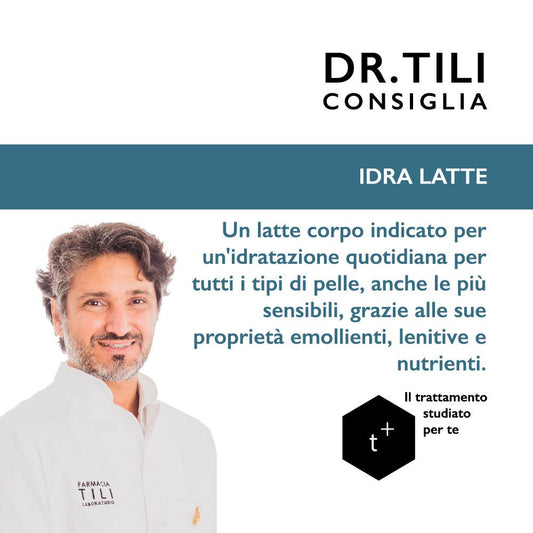
Body Milk Hydra Milk 200Ml. Dr.Tili Skinlab
Vendor:TilabRegular price €16,90Regular priceUnit price per€16,90Sale price €16,90 -
Facial Cleansing Milk 150ml Dr.Tili Skinlab
Vendor:TilabRegular price €18,90Regular priceUnit price per€18,90Sale price €18,90 -
Soothing Facial Toner 125ml Dr.Tili Skinlab
Vendor:TilabRegular price €14,50Regular priceUnit price per€14,50Sale price €14,50 -
Soothing Face Cream 50ml Dr.Tili Skinlab
Vendor:TilabRegular price €19,50Regular priceUnit price per€19,50Sale price €19,50
















-

ASSISTANCE - TELEPHONE ORDERS
-

SHIPPING
Shipping to Italy 24/48H
Delivery also on Saturday and Sunday
Free over €49.90
Shipping to Europe 24/72H
Free over €80 -

SAFETY
The security of your data is important to us!
We strictly comply with the European GDPR regarding
Privacy and processing of personal data
The payments you make on our site are 100% safe and guaranteed -

RETURNS
For returns, contact our customer service: you have 14 days to change your mind.
Immediate, free replacement of wrong or non-conforming products.


