

Bayer
Benexol 20 Gastro-resistant Tablets
Benexol 20 Gastro-resistant Tablets

Couldn't load pickup availability

NET WEIGHT OF THE PRODUCT
NET WEIGHT OF THE PRODUCT
20ct
EAN
EAN
020213144
MINSAN
MINSAN
020213144

In compliance with article 118 "authorization of advertising to the public" of the legislative decree of 24 April 2006, number 219
INDICATIONS
Vitamin B deficiency states1, B6 and B12 and their different clinical forms (deficiency polyneuritis, neuritis during treatment with isoniazid and other vitamin B6 antagonists). Adjuvant therapy in non-deficient neuritis and during radiotherapy.
CONTRAINDICATIONS
• Hypersensitivity to the active substances or to any of the excipients listed in paragraph 6.1. • Pregnancy and breastfeeding • Children under 12 years • Kidney or liver failure.
WARNINGS AND PRECAUTIONS FOR USE
Do not exceed the recommended dose and duration of treatment. The product should not be taken at higher doses or for longer periods than recommended, as overdose may be associated with serious neurotoxicity (see section 4.9). Particular caution must be used if the product is prescribed together with levodopa for the therapy of Parkinson's disease, as pyridoxine at high doses can antagonize its therapeutic effect (see section 4.5). Repeated administration of preparations containing vitamin B1 intramuscularly can in rare cases cause anaphylactic reactions. The clinical picture can in some respects simulate anaphylactic shock (see paragraph 4.8). In order to avoid these rare anaphylactic reactions, oral administration is always preferable, whenever possible. If this is not possible, the intramuscular injection must take place as slowly as possible and must be carried out by qualified and experienced personnel (see section 4.2). Important information about some excipients Benexol gastro-resistant tablets This medicinal product contains less than 1 mmol (23 mg) sodium per dose, i.e. essentially 'sodium-free'. Benexol low dosage powder and solvent for solution for injection for intramuscular use This medicine contains parahydroxy benzoates. It can cause allergic reactions (even delayed) and, exceptionally, bronchospasm. This medicinal product contains less than 1 mmol (23 mg) sodium per dose, i.e. essentially 'sodium-free'. Benexol high dosage powder and solvent for solution for injection for intramuscular use This medicine contains parahydroxy benzoates. It can cause allergic reactions (even delayed) and, exceptionally, bronchospasm. This medicinal product contains less than 1 mmol (23 mg) sodium per dose, i.e. essentially 'sodium-free'.
INTERACTIONS
Interactions with other medicines: Vitamin B1 (thiamine) The medicines listed below inhibit the activity of thiamine: • Thiosemicarbazone • 5-fluorouracil Vitamin B6 (pyridoxine) Several drugs interfere with pyridoxine and can reduce its plasma levels. Among these: • Cycloserine • Hydralazine • Isoniazid • Deoxypyridoxine • D-penicillamine • Oral contraceptives • Alcohol. Vitamin B6 can reduce the effectiveness of the following medicines: • Levodopa: pyridoxine enhances the metabolisation of levodopa into dopamine and therefore reduces its therapeutic antiparkinsonian effects at the doses usually used. This interaction, however, does not occur when carbidopa is used together with levodopa. • altretamine • Phenobarbital • Phenytoin • Amiodarone: co-administration may aggravate photosensitivity induced by amiodarone. Vitamin B12 (cyanocobalamin) Aminoglycosides, antihistamines (anti-H2), metformin and other related biguanides, oral contraceptives, aminosalicylic acid, and proton pump inhibitors may reduce the absorption of vitamin B12 from the gastrointestinal tract. Therefore, in patients taking these medicines, the requirement for vitamin B12 can be increased. Chloramphenicol can delay or interrupt the response of reticulocytes to vitamin B12. Therefore it is necessary to monitor the blood count in case of concomitant intake. Interactions with laboratory tests: Vitamin B1 (thiamine) • Thiamine can give rise to false positives in the determination of urobilinogen with the Ehrlich reagent. • High doses of thiamine may interfere with the spectrophotometric determination of serum theophylline. Vitamin B6 (pyridoxine) • Urobilinogen: Pyridoxine may cause a false positive in the Ehrlich reagent test.
SIDE EFFECTS
The adverse reactions listed below are derived from spontaneous reports. Since these reactions are reported on a voluntary basis, it is not possible to estimate their frequency Gastrointestinal disorders Diarrhoea, dyspepsia, nausea, vomiting, gastrointestinal and abdominal pain. Immune system disorders Allergic reaction and anaphylactic reaction. Hypersensitivity reactions with corresponding laboratory findings and clinical manifestations, which include asthma syndrome, mild to moderate intensity reactions affecting the skin and/or the respiratory tract, the gastrointestinal tract and/or the cardiovascular system. Symptoms may include facial edema (secondary mechanism), dyspnea, urticaria, angioedema, pruritus, and cardiorespiratory distress. If an allergic reaction occurs, stop treatment and consult a doctor. For solution for injection only: Serious reactions including anaphylactic shock with possible fatal outcome have been associated with parenteral use. Renal and urinary disorders Abnormal smelling urine Nervous system disorders Peripheral neuropathy and polyneuropathy, paraesthesia Pathologies of the skin and subcutaneous tissue Photosensitivity reaction, rash, erythema, pruritus, urticaria and bullous dermatitis. Reporting of suspected adverse reactions Reporting suspected adverse reactions that occur after authorization of the medicine is important, as it allows continuous monitoring of the benefit/risk balance of the medicine. Healthcare professionals are asked to report any suspected adverse reactions via the national reporting system at www.aifa.gov.it/content/segnalazioni-reazioni-avverse.
OUR PRODUCTS FOR THIS SEASON
-
Curial βeta Dry eye supplement 30 capsules Dr.Tili
Vendor:TilpharmaRegular price €22,50Regular priceUnit price per€22,50Sale price €22,50 -
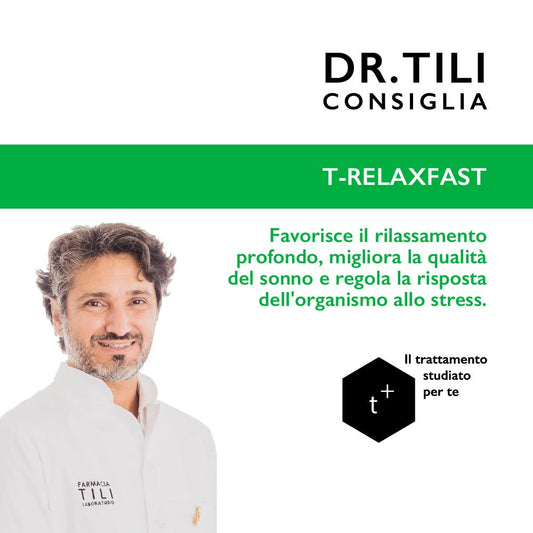
T - Relaxfast Sleep Supplement 60 Capsules Dr.Tili
Vendor:TilpharmaRegular price €24,50Regular priceUnit price per€24,50Sale price €24,50 -
Face Serum C5 Vitamin C 30ml Dr.Tili Skinlab
Vendor:TilabRegular price €62,50Regular priceUnit price per€62,50Sale price €62,50 -
Dr.Tili Skinlab E15 Vitamin E Face Serum 30ml
Vendor:TilabRegular price €32,50Regular priceUnit price per€32,50Sale price €32,50 -
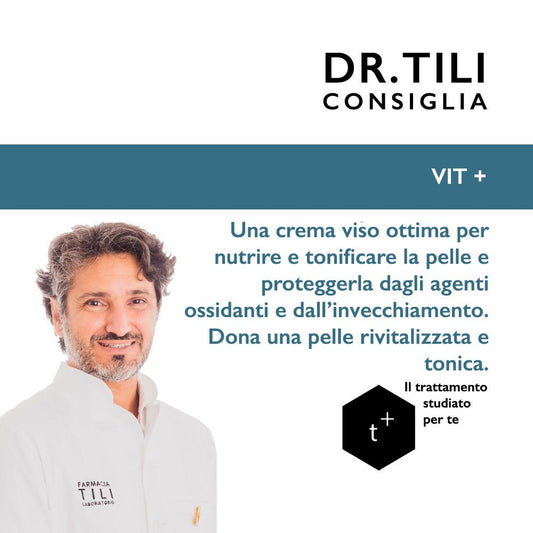
Vit+ Face Vitamin Cream 50ml Dr.Tili Skinlab
Vendor:TilabRegular price €34,00Regular priceUnit price per€34,00Sale price €34,00 -
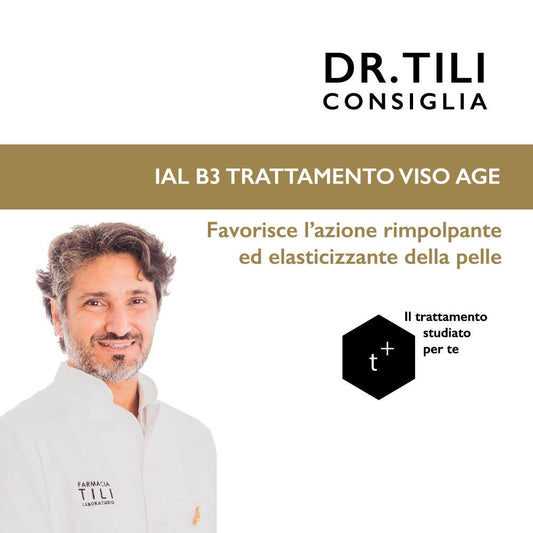
Anti-aging Facial Treatment Hyaluronic Acid IAL B3 30ml Dr.Tili Skinlab
Vendor:TilabRegular price €46,00Regular priceUnit price per€46,00Sale price €46,00 -
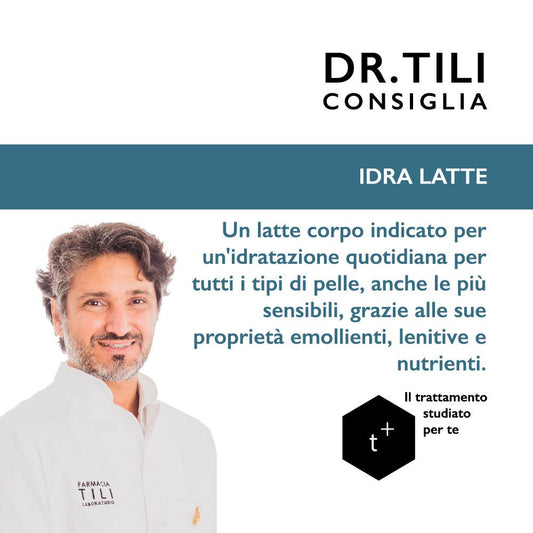
Body Milk Hydra Milk 200Ml. Dr.Tili Skinlab
Vendor:TilabRegular price €16,90Regular priceUnit price per€16,90Sale price €16,90 -
Facial Cleansing Milk 150ml Dr.Tili Skinlab
Vendor:TilabRegular price €18,90Regular priceUnit price per€18,90Sale price €18,90 -
Soothing Facial Toner 125ml Dr.Tili Skinlab
Vendor:TilabRegular price €14,50Regular priceUnit price per€14,50Sale price €14,50 -
Soothing Face Cream 50ml Dr.Tili Skinlab
Vendor:TilabRegular price €19,50Regular priceUnit price per€19,50Sale price €19,50













-

ASSISTANCE - TELEPHONE ORDERS
-

SHIPPING
Shipping to Italy 24/48H
Delivery also on Saturday and Sunday
Free over €49.90
Shipping to Europe 24/72H
Free over €80 -

SAFETY
The security of your data is important to us!
We strictly comply with the European GDPR regarding
Privacy and processing of personal data
The payments you make on our site are 100% safe and guaranteed -

RETURNS
Fast returns via DIY portal and 14 days to change your mind.
Immediate and free replacements for incorrect or non-compliant products delivered.


