

Teofarma
Benerva 300 mg 20 gastro-resistant tablets
Benerva 300 mg 20 gastro-resistant tablets
Benerva 300 mg is a thiamine hydrochloride (vitamin B1) -based drug in gastro-resistant tablets , indicated for the prophylaxis and treatment of vitamin B1 deficiency (beriberi, polyneuritis, alcoholic cardiomyopathy). The high 300 mg dosage promotes intensive treatment with optimal absorption at the intestinal level, supporting the nervous system and cardiac function .
Couldn't load pickup availability

NET WEIGHT OF THE PRODUCT
NET WEIGHT OF THE PRODUCT
EAN
EAN
004642031
MINSAN
MINSAN
004642031
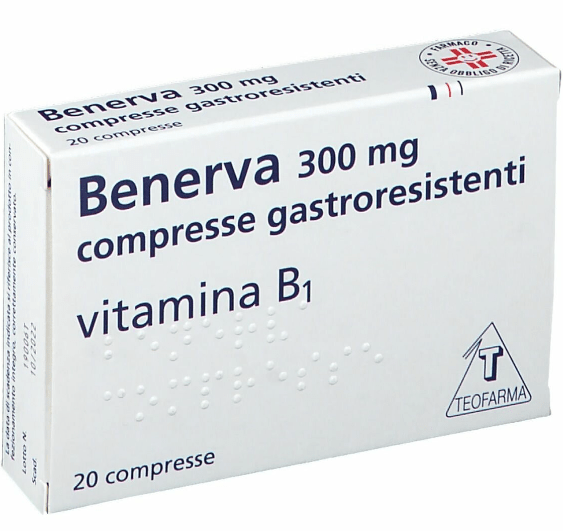
Benerva 300 mg 20 gastro-resistant tablets is a medicine based on thiamine hydrochloride , also known as vitamin B1 , formulated for the treatment and prevention of vitamin B1 deficiency . Each gastro-resistant tablet contains 300 mg of thiamine hydrochloride, ensuring a high and targeted intake in case of increased need or reduced absorption of this essential vitamin. The gastro-resistant formulation protects the active ingredient from the acidic environment of the stomach, promoting optimal absorption at intestinal level.
Benerva 300 mg is indicated in the prophylaxis and therapy of vitamin B1 deficiency , particularly in cases of beriberi and its various clinical forms, in deficiency polyneuritis (especially of alcoholic origin), in cardiomyopathy in alcoholics and as a support in the therapy of non-deficiency neuritis and polyneuritis at high doses. It is particularly useful in situations of increased demand for vitamin B1 or in the presence of reduced absorption , as can occur in cases of chronic alcoholism , mental disorders or conditions that compromise intestinal absorption.
Benerva 300 mg tablets are intended for oral use and are ideal for establishing an intensive treatment, thanks to the high dosage and the practicality of the 20-tablet pack. The product is also often sought after as a vitamin B1 supplement , although it is a prescription drug and indicated for specific clinical conditions. The presence of high-dose thiamine hydrochloride makes it an effective choice for the treatment of vitamin B1 deficiency and for prophylaxis in subjects at risk , contributing to the well-being of the nervous system and normal cardiac and muscular function.
Benerva 300 mg 20 gastro-resistant tablets represents a reliable and targeted solution for those who need a high intake of vitamin B1, guaranteeing efficacy, safety and optimal absorption thanks to its specific formulation.
ACTIVE INGREDIENTS
Active ingredients contained in Benerva 300 mg 20 gastro-resistant tablets - What is the active ingredient of Benerva 300 mg 20 gastro-resistant tablets?
Benerva 300 mg gastro-resistant tablets. One tablet contains: thiamine hydrochloride (vitamin B 1 ) 300 mg. Benerva 100 mg/1 ml solution for injection for intramuscular use. One 1 ml vial contains: thiamine hydrochloride (vitamin B 1 ) 100 mg. For the full list of excipients, see 6.1.EXCIPIENTS
Composition of Benerva 300 mg 20 gastro-resistant tablets - What does Benerva 300 mg 20 gastro-resistant tablets contain?
Benerva 300 mg gastro-resistant tablets: Talc, povidone K90, magnesium stearate, methacrylic acid - ethyl acrylate copolymer (1:1), macrogol 6000, carmellose sodium. Benerva 100 mg/1 ml solution for injection for intramuscular use: Phenol, glycerol, sodium phosphate monobasic dihydrate, sodium bicarbonate, water for injections.DIRECTIONS
Therapeutic indications Benerva 300 mg 20 gastro-resistant tablets - Why is Benerva 300 mg 20 gastro-resistant tablets used? What is it used for?
Prophylaxis and therapy of vitamin B 1 deficiency due to increased demand or reduced absorption (beriberi and its various clinical forms). Deficiency polyneuritis (alcoholic). Cardiac myopathies in alcoholics. At high doses, adjuvant therapy for non-deficiency neuritis and polyneuritis.CONTRAINDICATIONS AND SIDE EFFECTS
Contraindications Benerva 300 mg 20 gastro-resistant tablets - When should Benerva 300 mg 20 gastro-resistant tablets not be used?
Tablets Known hypersensitivity to the active substance or to any of the excipients. Vials Known or suspected hypersensitivity to the active substance or to any of the excipients.DOSAGE
Quantity and method of taking Benerva 300 mg 20 gastro-resistant tablets - How to take Benerva 300 mg 20 gastro-resistant tablets?
Oral administration. Mild and moderate cases: 100 mg every 24 hours. Severe cases: 600-1200 mg (2-4 Benerva 300 mg tablets) per day for 1-2 weeks, then 300 mg (1 Benerva 300 mg tablet) per day for several weeks. High-dose Benerva tablets (300 mg) allow for intensive treatment. Parenteral administration. Parenteral administration is reserved for cases with impaired intestinal absorption, as well as in the initial treatment of acute deficiencies, accompanied by polyneuritis, mental and cardiac disorders, particularly in chronic alcoholism: 50-200 mg im per day.CONSERVATION
Storage Benerva 300 mg 20 gastro-resistant tablets - How to store Benerva 300 mg 20 gastro-resistant tablets?
Tablets Store in the original packaging. Vials Store below 25°C, in the original packaging, protected from light.WARNINGS
Warnings Benerva 300 mg 20 gastro-resistant tablets - About Benerva 300 mg 20 gastro-resistant tablets it is important to know that:
Vitamin B 1 or derivative preparations, especially when administered parenterally, may cause disturbances in subjects who have had sensitization phenomena or morbid manifestations of allergies. The risk of hypersensitivity reactions is increased with repeated intramuscular administration. Oral administration is therefore preferable, where possible.INTERACTIONS
Interactions Benerva 300 mg 20 gastro-resistant tablets - Which medicines or foods can modify the effect of Benerva 300 mg 20 gastro-resistant tablets?
Thiosemicarbazone and 5-fluorouracil inhibit the activity of thiamine. Interference with laboratory tests: • Vitamin B 1 may give false positive results in the determination of urobilinogen with Ehrlich's reagent; • High doses of vitamin B 1 may interfere with the spectrophotometric determination of serum theophylline.SIDE EFFECTS
Like all medicines, Benerva 300 mg 20 gastro-resistant tablets can cause side effects - What are the side effects of Benerva 300 mg 20 gastro-resistant tablets?
The undesirable effects listed below are derived from spontaneous reports and therefore cannot be classified by frequency category. Tablets . Immune system disorders : In single cases, allergic and anaphylactic reactions have been reported, with symptoms such as itching, urticaria, angioedema, abdominal pain, difficulty breathing, tachycardia, palpitations and shock. Gastrointestinal disorders : Mild gastrointestinal disorders such as nausea, vomiting, diarrhoea and abdominal pain have been reported. Vials . General disorders and administration site conditions : Pain at the injection site. Immune system disorders : Allergic and anaphylactic reactions have been reported, usually after intravenous, intramuscular or subcutaneous injection, with symptoms such as itching, urticaria, angioedema, abdominal pain, difficulty breathing, tachycardia, palpitations and shock. These reactions are often preceded by sneezing or transient itching.OVERDOSE
Overdose Benerva 300 mg 20 gastro-resistant tablets - What are the risks of Benerva 300 mg 20 gastro-resistant tablets in case of overdose?
Tablets No cases of overdose have been reported. Vials Isolated clinical cases of toxic reactions to prolonged parenteral administration of thiamine probably represent hypersensitivity reactions.PREGNANCY AND BREASTFEEDING
If you are pregnant or breast-feeding, think you may be pregnant or are planning to have a baby, ask your doctor for advice before taking Benerva 300 mg 20 gastro-resistant tablets.
This product is not indicated for use during pregnancy or breastfeeding.DRIVING AND USE OF MACHINERY
Taking Benerva 300 mg 20 gastro-resistant tablets before driving or using machinery - Does Benerva 300 mg 20 gastro-resistant tablets affect driving or using machinery?
No adverse effects of the preparation on these activities are reported or expected. However, patients should be advised to observe their reactions to the drug before driving or operating machinery.OUR PRODUCTS FOR THIS SEASON
-
Curial βeta Dry eye supplement 30 capsules Dr.Tili
Vendor:TilpharmaRegular price €22,50Regular priceUnit price per€22,50Sale price €22,50 -
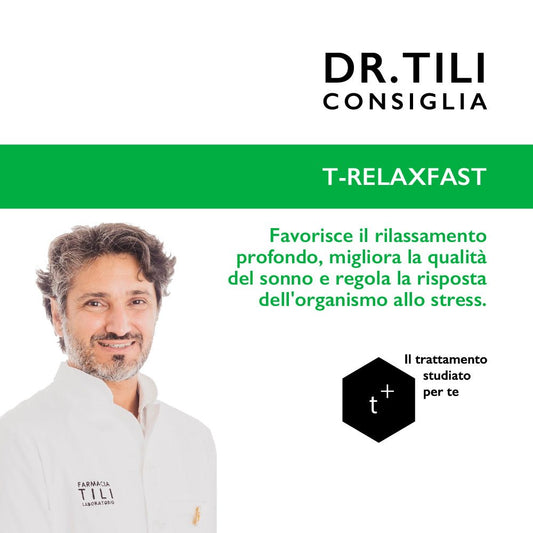
T - Relaxfast Sleep Supplement 60 Capsules Dr.Tili
Vendor:TilpharmaRegular price €24,50Regular priceUnit price per€24,50Sale price €24,50 -
Face Serum C5 Vitamin C 30ml Dr.Tili Skinlab
Vendor:TilabRegular price €62,50Regular priceUnit price per€62,50Sale price €62,50 -
Dr.Tili Skinlab E15 Vitamin E Face Serum 30ml
Vendor:TilabRegular price €32,50Regular priceUnit price per€32,50Sale price €32,50 -
Vit+ Face Vitamin Cream 50ml Dr.Tili Skinlab
Vendor:TilabRegular price €34,00Regular priceUnit price per€34,00Sale price €34,00 -
Anti-aging Facial Treatment Hyaluronic Acid IAL B3 30ml Dr.Tili Skinlab
Vendor:TilabRegular price €46,00Regular priceUnit price per€46,00Sale price €46,00 -
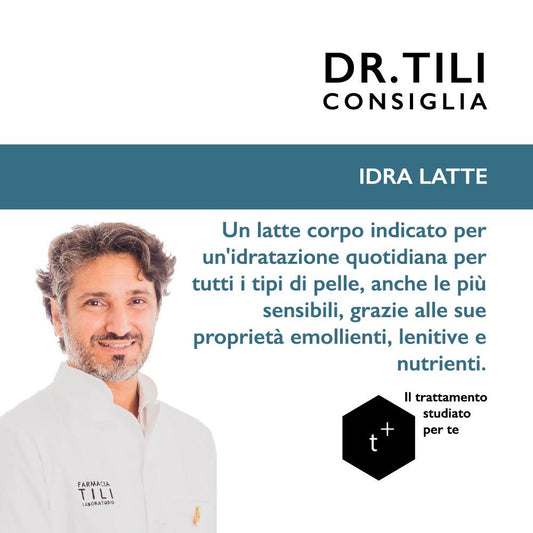
Body Milk Hydra Milk 200Ml. Dr.Tili Skinlab
Vendor:TilabRegular price €16,90Regular priceUnit price per€16,90Sale price €16,90 -
Facial Cleansing Milk 150ml Dr.Tili Skinlab
Vendor:TilabRegular price €18,90Regular priceUnit price per€18,90Sale price €18,90 -
Soothing Facial Toner 125ml Dr.Tili Skinlab
Vendor:TilabRegular price €14,50Regular priceUnit price per€14,50Sale price €14,50 -
Soothing Face Cream 50ml Dr.Tili Skinlab
Vendor:TilabRegular price €19,50Regular priceUnit price per€19,50Sale price €19,50















-

ASSISTANCE - TELEPHONE ORDERS
-

SHIPPING
Shipping to Italy 24/48H
Delivery also on Saturday and Sunday
Free over €49.90
Shipping to Europe 24/72H
Free over €80 -

SAFETY
The security of your data is important to us!
We strictly comply with the European GDPR regarding
Privacy and processing of personal data
The payments you make on our site are 100% safe and guaranteed -

RETURNS
Fast returns via DIY portal and 14 days to change your mind.
Immediate and free replacements for incorrect or non-compliant products delivered.


