

Marco Viti
Iodine Marco Viti 7 %/5 % 50 ml alcoholic skin solution
Iodine Marco Viti 7 %/5 % 50 ml alcoholic skin solution
Couldn't load pickup availability

NET WEIGHT OF THE PRODUCT
NET WEIGHT OF THE PRODUCT
50ml
EAN
EAN
030336034
MINSAN
MINSAN
030336034

In compliance with article 118 "authorization of advertising to the public" of the legislative decree of 24 April 2006, number 219
INDICATIONS
Disinfection of intact skin for occasional treatments.
CONTRAINDICATIONS
Hypersensitivity to the active substances or to any of the excipients. Generally contraindicated during pregnancy (see par. 4.6). Do not use in children under 6 months of age.
WARNINGS AND PRECAUTIONS FOR USE
For external use only. Do not ingest. Avoid contact with eyes. Prolonged application can cause irritation and caustification of the treated surface, therefore the medicine must not be used for prolonged treatments. The medicine must only be applied to intact and undamaged skin, as in addition to causing irritation, it delays the healing of wounds and abrasions. Use, especially if prolonged, can give rise to sensitization phenomena. In this case, stop treatment and adopt suitable therapeutic measures. To avoid excessive absorption of iodine, do not cover the treated skin area with occlusive bandages. In case of use for prolonged periods on large body surfaces, on mucous membranes or under occlusive dressings, particularly in children and patients with thyroid disorders, it is necessary to carry out thyroid function tests. Since iodine can alter the function of the thyroid, it is recommended to be used with caution in subjects with thyroid disease, in patients over 45 years of age or with goiter. In pediatric age use only in case of real need and under medical supervision. Stop treatment at least 10 days before carrying out a scan with labeled iodine. Following treatment, the results of thyroid function tests may be altered, especially in premature newborns.
INTERACTIONS
If it comes into contact with acetone, elemental iodine forms a pungent irritant compound. When evaluating interactions with other drugs, the possible systemic effects of iodine must be taken into consideration, although when administered locally in the recommended manner it is absorbed only in small quantities. The effects of iodine and iodide on the thyroid can be altered by other compounds including amiodarone and lithium.
SIDE EFFECTS
Below are the side effects of iodine, organized according to the MedDRA system organic classification. There is insufficient data to establish the frequency of the individual effects listed. Pathologies of the skin and subcutaneous tissue Burning or irritation, acneiform eruptions, iododerma, delayed healing of damaged tissues. Inhalation of iodine vapors is very irritating to the mucous membranes. Immune system disorders Hypersensitivity reactions including urticaria, angioedema, skin haemorrhages or purpura, fever, arthralgia, lymphadenopathy and eosinophilia. Iodine, when administered topically as recommended, is absorbed only in small quantities with minimal systemic effects. However, the adverse reactions due to systemic effects of the drug are listed below, which could occur in cases of anomalous absorption (abundant, prolonged use or with occlusion of the treated skin area). Endocrine disorders Effects on the thyroid can cause goiter and hypothyroidism, as well as hyperthyroidism (Basedow's disease). Goiter and hypothyroidism can also occur in newborns exposed to iodide during pregnancy. Iodine can interfere with thyroid function tests. Psychiatric disorders Depression, insomnia. Nervous system disorders Headache. Gastrointestinal disorders Nausea, vomiting, diarrhea. Reproductive system and breast disorders Impotence. Injury, poisoning and procedural complications Prolonged use can cause a series of adverse effects collectively called "iodism", some of which may be due to hypersensitivity. These adverse effects include metallic taste, increased salivation, burning, and sore mouth; acute rhinitis, coryza-like syndrome, swelling and inflammation of the throat, irritation and swelling of the eyes and increased tearing may also occur. Pulmonary edema, dyspnea, and bronchitis may develop.
OUR PRODUCTS FOR THIS SEASON
-
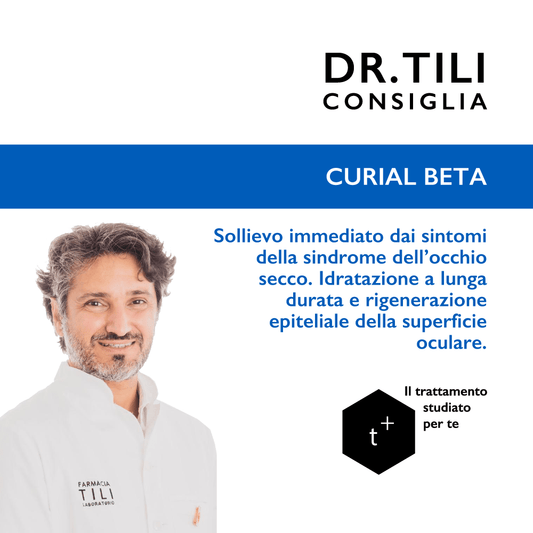
Curial βeta Dry eye supplement 30 capsules Dr.Tili
Vendor:TilpharmaRegular price €22,50Regular priceUnit price per€22,50Sale price €22,50 -
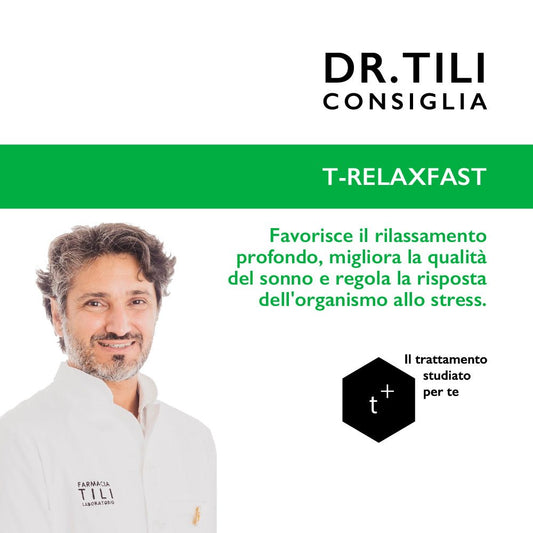
T - Relaxfast Sleep Supplement 60 Capsules Dr.Tili
Vendor:TilpharmaRegular price €24,50Regular priceUnit price per€24,50Sale price €24,50 -
Face Serum C5 Vitamin C 30ml Dr.Tili Skinlab
Vendor:TilabRegular price €62,50Regular priceUnit price per€62,50Sale price €62,50 -
Dr.Tili Skinlab E15 Vitamin E Face Serum 30ml
Vendor:TilabRegular price €32,50Regular priceUnit price per€32,50Sale price €32,50 -
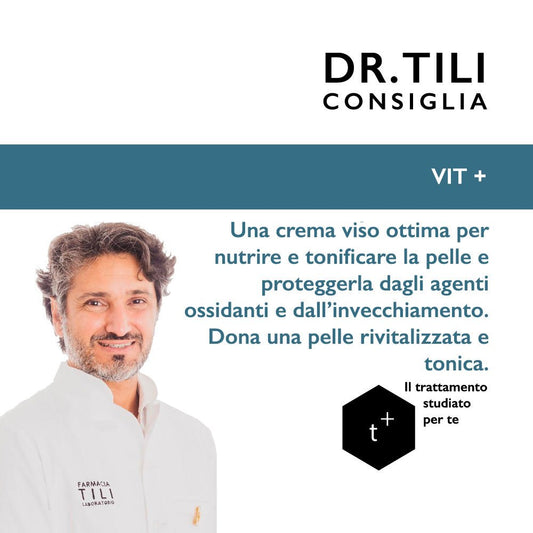
Vit+ Face Vitamin Cream 50ml Dr.Tili Skinlab
Vendor:TilabRegular price €34,00Regular priceUnit price per€34,00Sale price €34,00 -
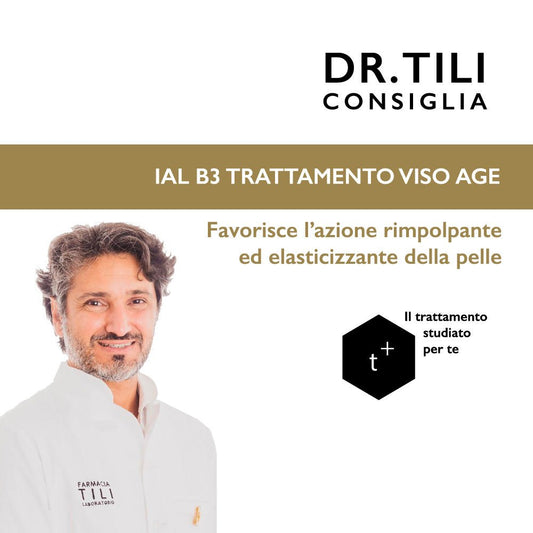
Anti-aging Facial Treatment Hyaluronic Acid IAL B3 30ml Dr.Tili Skinlab
Vendor:TilabRegular price €46,00Regular priceUnit price per€46,00Sale price €46,00 -
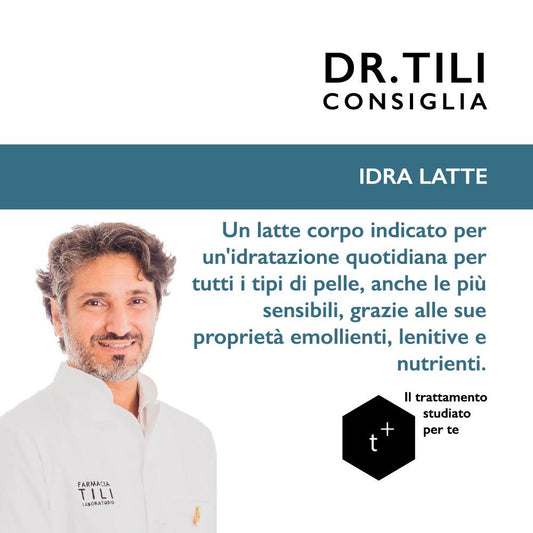
Body Milk Hydra Milk 200Ml. Dr.Tili Skinlab
Vendor:TilabRegular price €16,90Regular priceUnit price per€16,90Sale price €16,90 -
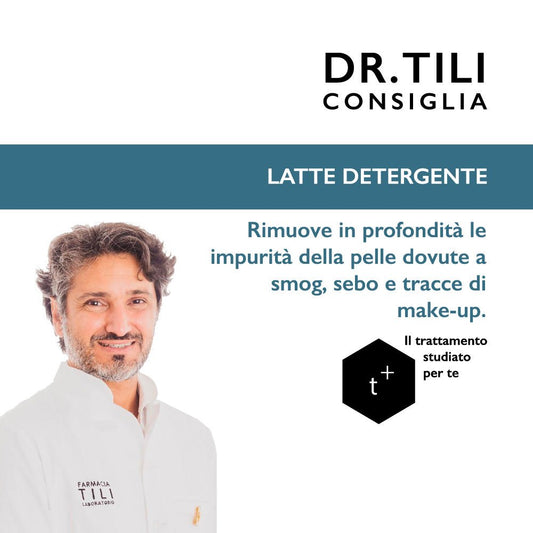
Facial Cleansing Milk 150ml Dr.Tili Skinlab
Vendor:TilabRegular price €18,90Regular priceUnit price per€18,90Sale price €18,90 -
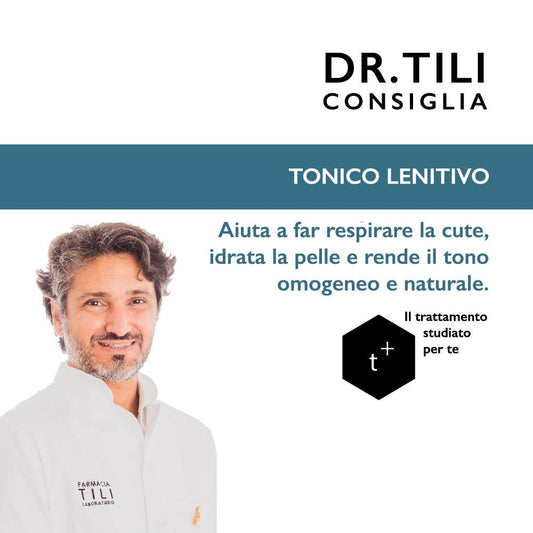
Soothing Facial Toner 125ml Dr.Tili Skinlab
Vendor:TilabRegular price €14,50Regular priceUnit price per€14,50Sale price €14,50 -
Soothing Face Cream 50ml Dr.Tili Skinlab
Vendor:TilabRegular price €19,50Regular priceUnit price per€19,50Sale price €19,50









-

ASSISTANCE - TELEPHONE ORDERS
-

SHIPPING
Shipping to Italy 24/48H
Delivery also on Saturday and Sunday
Free over €49.90
Shipping to Europe 24/72H
Free over €80 -

SAFETY
The security of your data is important to us!
We strictly comply with the European GDPR regarding
Privacy and processing of personal data
The payments you make on our site are 100% safe and guaranteed -

RETURNS
Fast returns via DIY portal and 14 days to change your mind.
Immediate and free replacements for incorrect or non-compliant products delivered.


