

Vemedia
Bialcol Med 0.1% cutaneous solution 300ml
Bialcol Med 0.1% cutaneous solution 300ml
Couldn't load pickup availability

NET WEIGHT OF THE PRODUCT
NET WEIGHT OF THE PRODUCT
300ml
EAN
EAN
032186013
MINSAN
MINSAN
032186013

In compliance with article 118 "authorization of advertising to the public" of the legislative decree of 24 April 2006, number 219
INDICATIONS
Antisepsis and disinfection of the skin in case of abrasions and superficial wounds of limited extension.
CONTRAINDICATIONS
Hypersensitivity to the active substance benzoxonium chloride or to any of the excipients listed in section 6.1 or to other quaternary ammonium compounds. Do not use on severely damaged skin. Do not use in the external acoustic meatus. Do not use for disinfection of mucous membranes. Do not use in body cavities or for enemas. Do not use for disinfection of soft contact lenses.
WARNINGS AND PRECAUTIONS FOR USE
For external use only; must not be ingested. Avoid contact with eyes, ears (ear canal), mucous membranes (such as mouth and nose) and deep wounds. In case of accidental contact, rinse well with plenty of water. Not to be used in body cavities or for enemas. If symptoms persist or the condition worsens (the wound is swollen, painful or accompanied by fever) or if a skin reaction occurs, discontinue use and consult your doctor. Do not use it frequently or for a long period of time without consulting your doctor. Do not apply to the breasts during breastfeeding.
INTERACTIONS
No interaction studies have been performed. However, the potential for interaction with medicinal products is considered low as benzoxonium chloride is poorly absorbed after topical application. Avoid the simultaneous use of other antiseptics or detergents.
SIDE EFFECTS
Security Profile Summary: In rare cases, skin irritation may occur which has no consequences and does not require a change in treatment. Prolonged and repeated application of the product on the skin is not recommended as urticaria, angioedema and anaphylactic reactions may occur. Tabulated list of adverse reactions: Adverse reactions are listed below by system organ class and frequency. Frequencies are defined as: very common (≥1/10); common (≥1/100 to <1/10); uncommon (≥ 1/1,000 to < 1/100); rare (≥ 1/10,000 to < 1/1,000); very rare (< 1/10,000) or not known (frequency cannot be estimated from the available data). Within each frequency grouping, adverse reactions are presented in order of decreasing seriousness.
Classes Organ Systems / Frequency | Adverse reactions
Immune system disorders
Very rare | Adverse reactions: Anaphylactic reaction, angioedema, urticaria
Pathologies of the skin and subcutaneous tissue
Rare | Adverse reactions: Skin irritation
Not known | Adverse reactions: Contact dermatitis
Reporting of suspected adverse reactions. Reporting suspected adverse reactions that occur after authorization of the medicine is important, as it allows continuous monitoring of the benefit/risk balance of the medicine. Healthcare professionals are asked to report any suspected adverse reactions via the national reporting system at www.aifa.gov.it/content/segnalazionireazioni-avverse.
OUR PRODUCTS FOR THIS SEASON
-
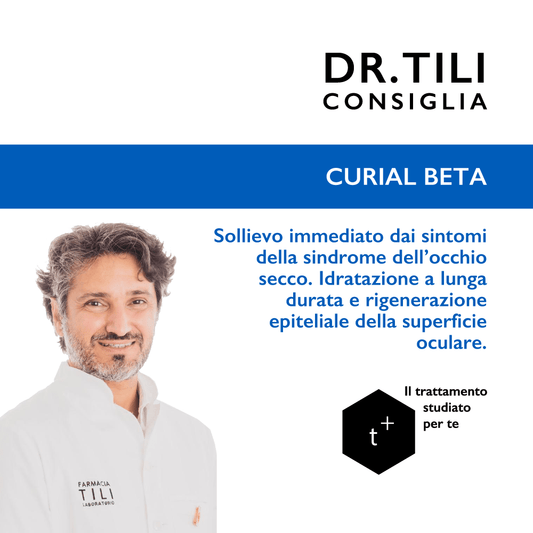
Curial βeta Dry eye supplement 30 capsules Dr.Tili
Vendor:TilpharmaRegular price €22,50Regular priceUnit price per€22,50Sale price €22,50 -
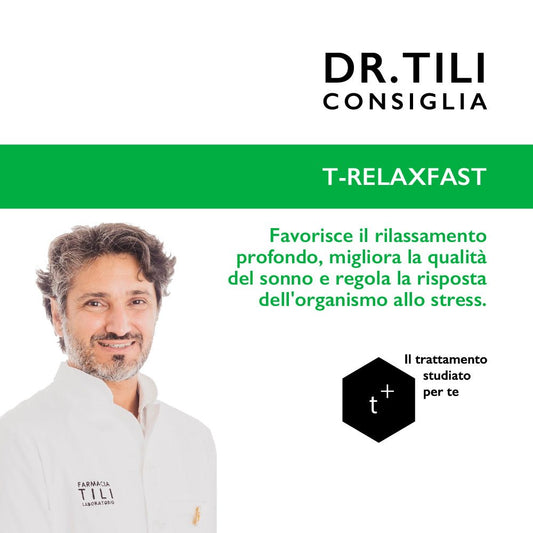
T - Relaxfast Sleep Supplement 60 Capsules Dr.Tili
Vendor:TilpharmaRegular price €24,50Regular priceUnit price per€24,50Sale price €24,50 -
Face Serum C5 Vitamin C 30ml Dr.Tili Skinlab
Vendor:TilabRegular price €62,50Regular priceUnit price per€62,50Sale price €62,50 -
Dr.Tili Skinlab E15 Vitamin E Face Serum 30ml
Vendor:TilabRegular price €32,50Regular priceUnit price per€32,50Sale price €32,50 -
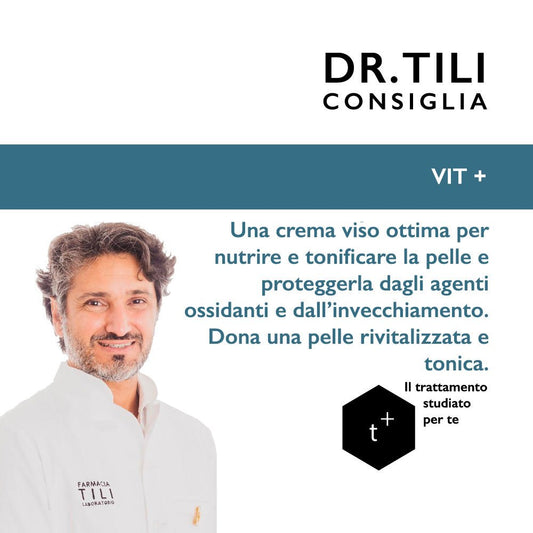
Vit+ Face Vitamin Cream 50ml Dr.Tili Skinlab
Vendor:TilabRegular price €34,00Regular priceUnit price per€34,00Sale price €34,00 -
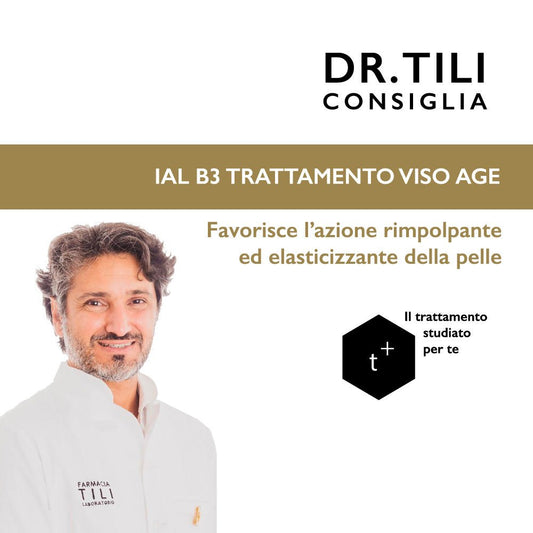
Anti-aging Facial Treatment Hyaluronic Acid IAL B3 30ml Dr.Tili Skinlab
Vendor:TilabRegular price €46,00Regular priceUnit price per€46,00Sale price €46,00 -
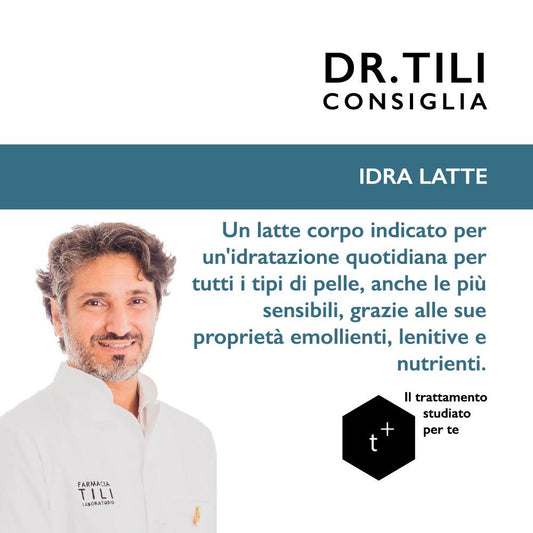
Body Milk Hydra Milk 200Ml. Dr.Tili Skinlab
Vendor:TilabRegular price €16,90Regular priceUnit price per€16,90Sale price €16,90 -
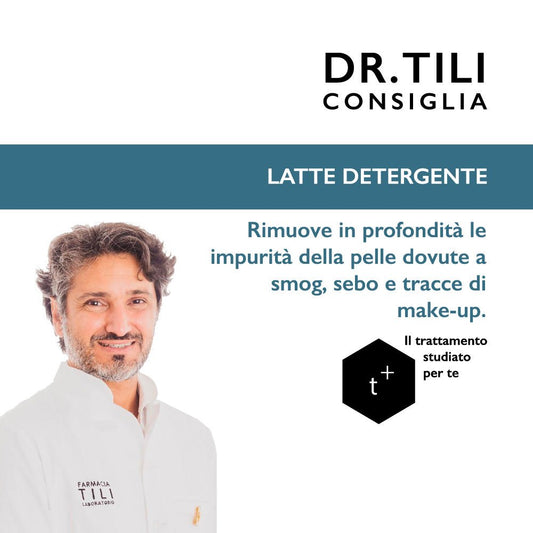
Facial Cleansing Milk 150ml Dr.Tili Skinlab
Vendor:TilabRegular price €18,90Regular priceUnit price per€18,90Sale price €18,90 -
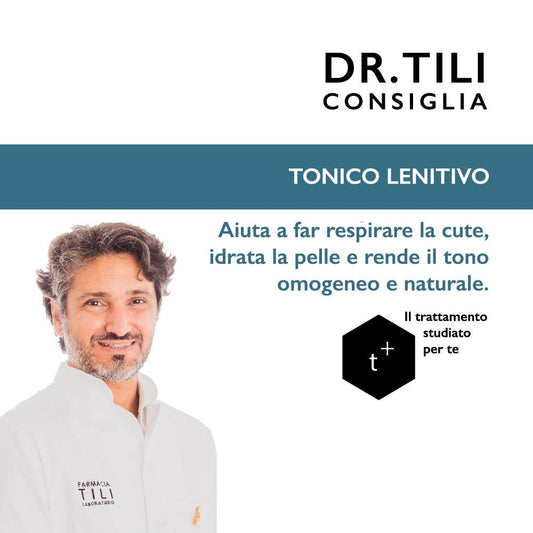
Soothing Facial Toner 125ml Dr.Tili Skinlab
Vendor:TilabRegular price €14,50Regular priceUnit price per€14,50Sale price €14,50 -
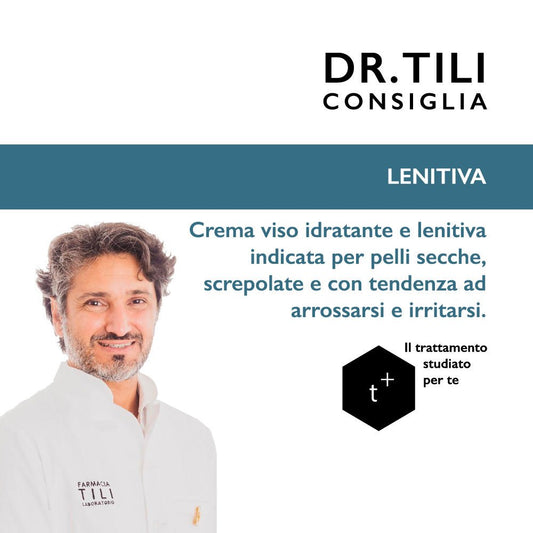
Soothing Face Cream 50ml Dr.Tili Skinlab
Vendor:TilabRegular price €19,50Regular priceUnit price per€19,50Sale price €19,50









-

ASSISTANCE - TELEPHONE ORDERS
-

SHIPPING
Shipping to Italy 24/48H
Delivery also on Saturday and Sunday
Free over €49.90
Shipping to Europe 24/72H
Free over €80 -

SAFETY
The security of your data is important to us!
We strictly comply with the European GDPR regarding
Privacy and processing of personal data
The payments you make on our site are 100% safe and guaranteed -

RETURNS
Fast returns via DIY portal and 14 days to change your mind.
Immediate and free replacements for incorrect or non-compliant products delivered.


