

Zentiva
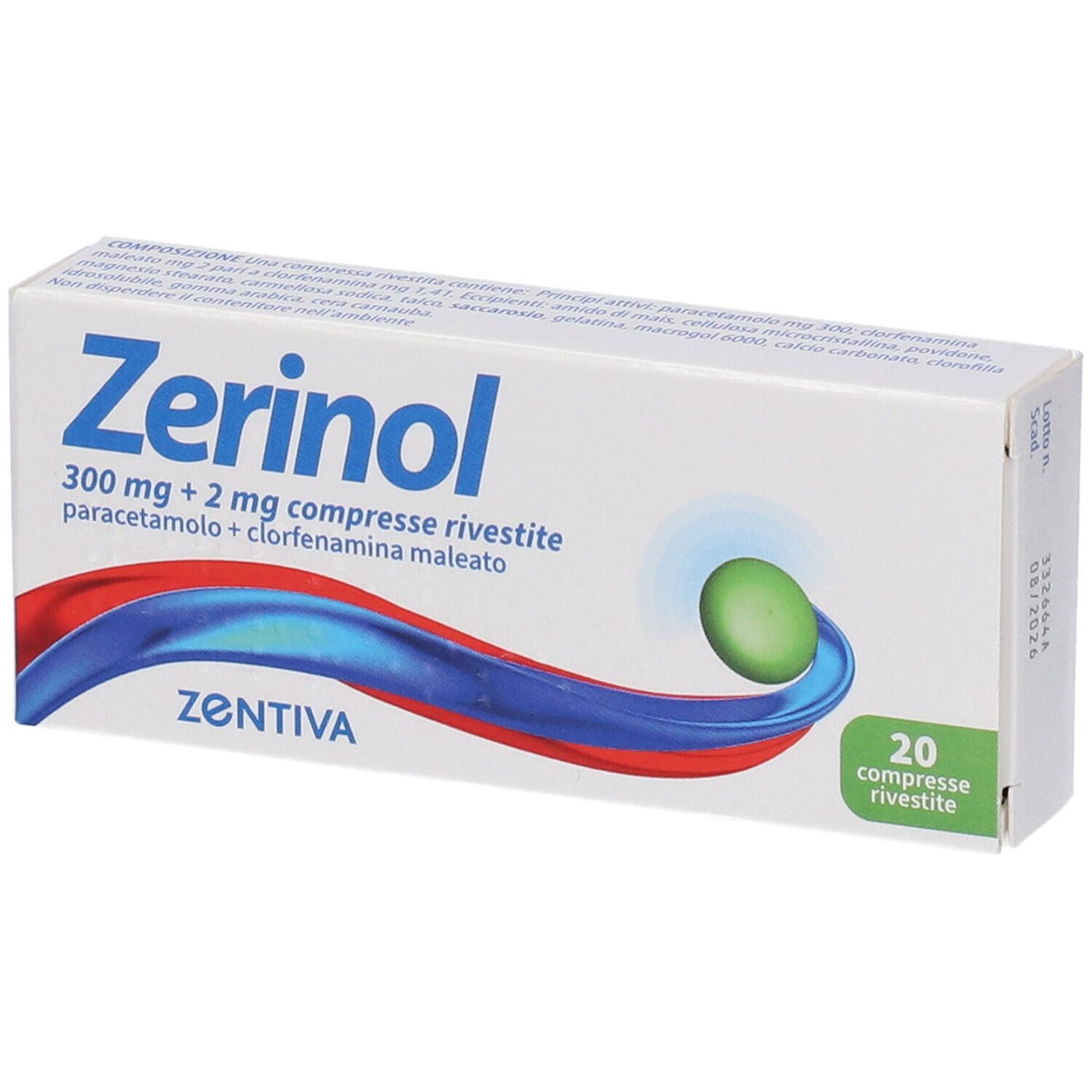
Zerinol 300mg + 2mg 20 coated tablets
Zerinol 300mg + 2mg 20 coated tablets
 Zerinol 300mg + 2mg 20 coated tablets is a medicine for the treatment of flu and cold symptoms in adults . It contains paracetamol with analgesic and antipyretic properties and chlorphenamine with antihistamine effects for runny nose and sneezing. Useful for fever, headache, muscle aches, and cold symptoms . Oral use, not recommended during pregnancy and breastfeeding.
Couldn't load pickup availability

NET WEIGHT OF THE PRODUCT
NET WEIGHT OF THE PRODUCT
20ct
EAN
EAN
035304043
MINSAN
MINSAN
035304043
INDICATIONS
Treatment of flu and cold symptoms in adults.
ACTIVE INGREDIENTS
One coated tablet contains: paracetamol 300 mg, chlorphenamine maleate 2 mg. Excipient with known effects: sucrose. For the full list of excipients, see section 6.1.
EXCIPIENTS
Corn starch; microcrystalline cellulose; povidone; magnesium stearate; carmellose sodium; talc; sucrose; jelly; macrogol 6000; calcium carbonate; water-soluble chlorophyll; gum arabic; carnauba wax.
CONTRAINDICATIONS AND SIDE EFFECTS
Zerinol is contraindicated in the following cases: - hypersensitivity to paracetamol or chlorphenamine, to other antihistamines of similar chemical structure or to any of the excipients listed in paragraph 6.1; - pregnancy and breastfeeding; - patients with manifest insufficiency of glucose-6-phosphate dehydrogenase and patients suffering from severe hemolytic anemia; - severe hepatocellular insufficiency (Child-Pugh C); - glaucoma, prostatic hypertrophy, bladder neck obstruction, pyloric and duodenal stenosis or other tracts of the gastrointestinal and urogenital system, due to anticholinergic effects; - patients being treated with monoamine oxidase inhibitors (MAOIs) or in the two weeks following such treatment (see section 4.5).
DOSAGE
Dosage Adults: 1 coated tablet, twice a day. Pediatric population: The safety and effectiveness of Zerinol in patients under 18 years of age have not been established. Method of administration Oral use. The tablet should be taken with water after meals. Duration of treatment Patients should be advised to contact their doctor if fever persists or symptoms do not improve after 3 days of treatment (see section 4.4).
CONSERVATION
This medicinal product does not require any special storage conditions.
WARNINGS
Do not administer for more than 3 consecutive days without consulting your doctor. If the fever persists for more than three days or if the symptoms do not improve and others appear within three days or are accompanied by high fever, rash, excessive amount of mucus and persistent cough, consult your doctor before continuing the administration. Paracetamol During treatment with Zerinol, check that no other medicine containing paracetamol is taken at the same time, since if paracetamol is taken in high doses, serious adverse reactions may occur. Invite the patient to contact the doctor before combining any other drug. See also paragraph 4.5. High or prolonged doses of the product can cause high-risk liver disease (see also section 4.9) and even serious alterations in the kidney and blood. In case of acute hypersensitivity reactions to paracetamol (e.g. anaphylactic shock), treatment with Zerinol should be discontinued and necessary medical measures should be implemented based on the signs and symptoms. Chlorphenamine maleate At common therapeutic doses, antihistamines present secondary reactions that vary greatly from subject to subject and from compound to compound. The most frequent side effect is sedation which can manifest itself with drowsiness; Those who may drive motor vehicles or carry out operations that require integrity of the level of supervision must be warned of this (see paragraph 4.7). Patients with renal or hepatic insufficiency Administer with caution in subjects with renal or hepatic insufficiency. Elderly people Particular attention should be paid when determining the dose in the elderly due to their greater sensitivity towards the drug. In elderly patients treated with antihistamines, effects such as dizziness, sedation, confusion and hypotension may be more likely to occur. Elderly patients are particularly sensitive to the anticholinergic side effects of antihistamines such as dry mouth and urinary retention (especially in men). Sucrose Patients suffering from rare hereditary problems of fructose intolerance, glucose-galactose malabsorption or insufficiency of the sucrose-isomaltase enzyme should not take this medicine.
INTERACTIONS
Paracetamol Use with extreme caution and under strict control during chronic treatment with drugs that can cause the induction of hepatic monooxygenases or in case of exposure to substances that can have this effect (for example rifampicin, cimetidine, antiepileptics such as glutetimide, phenobarbital, carbamazepine). Normally harmless doses of acetaminophen can cause liver damage if taken together with these drugs. The same applies to potentially hepatotoxic substances and in case of alcohol abuse. Habitual ingestion of anticonvulsant drugs or oral contraceptives can, through an enzymatic induction mechanism, accelerate the metabolism of paracetamol. The use of the product is not recommended if the patient is being treated with anti-inflammatories. Taking probenecid inhibits the binding of paracetamol to glucuronic acid, thereby reducing the clearance of paracetamol by a factor of approximately 2. Therefore, the dose of paracetamol should be reduced if administered in combination with probenecid. Cholestyramine reduces the absorption of acetaminophen if administered within 1 hour of acetaminophen administration. It is not yet possible to establish the clinical relevance of the interactions between paracetamol and oral anticoagulants. Therefore, prolonged use of paracetamol in patients being treated with oral anticoagulants is advisable only under medical supervision. Combining acetaminophen with chloramphenicol may prolong the half-life of chloramphenicol, increasing the risk of toxicity. The concomitant use of paracetamol and zidovudine increases the tendency of the latter to reduce the number of leukocytes (neutropenia). Therefore, you should only take Zerinol together with zidovudine under your doctor's supervision. Medicines that slow gastric emptying, such as propantheline, reduce the speed of absorption of paracetamol and delay the onset of its effect. However, medicines that accelerate gastric emptying, such as metoclopramide, lead to an increase in the speed of absorption. Interference with laboratory tests The administration of paracetamol can interfere with the determination of uric acid (using the phosphotungstic acid method) and with that of blood sugar (using the glucose-oxidase-peroxidase method). Chlorphenamine maleate Other substances with anticholinergic action should not be taken at the same time as Zerinol, as these can cause significant interactions. The product is contraindicated in patients being treated with monoamine oxidase inhibitors (MAOIs) or in the two weeks following such treatment (see section 4.3) as these may prolong and intensify the anticholinergic and central nervous system (CNS) depressant effects of chlorphenamine maleate. The product may interact with alcohol, tricyclic antidepressants, neuroleptics or other drugs with a depressant action on the central nervous system such as barbiturates, sedatives, tranquilizers, hypnotics. These products should not be taken during therapy with Zerinol as they can cause an increase in the sedative effect. The use of antihistamines can mask the first signs of ototoxicity of certain antibiotics. Chlorphenamine inhibits the metabolism of phenytoin and may cause phenytoin toxicity.
SIDE EFFECTS
Following the use of Zerinol, the following side effects may occur. The frequency of these side effects cannot be estimated from the available data. Pathologies of the blood and lymphatic system: - thrombocytopenia, leukopenia, anemia, agranulocytosis, pancytopenia. Immune system disorders: - hypersensitivity reactions such as angioedema, laryngeal edema, anaphylactic shock. Nervous system disorders: - drowsiness, asthenia, dizziness, headache, inability to concentrate. Eye pathologies: - blurred vision. Respiratory, thoracic and mediastinal disorders: - thickening of bronchial secretions. Gastrointestinal disorders: - dry mouth, nausea. Hepatobiliary disorders: - alterations in liver function and hepatitis. Pathologies of the skin and subcutaneous tissue: - skin reactions of various types and severity have been reported with the use of paracetamol including cases of urticaria, erythema multiforme, very rare cases of serious skin reactions such as Stevens-Johnson syndrome (SJS), toxic epidermal necrolysis (TEN) and acute generalized exanthematous pustulosis (AGEP). Photosensitization. Renal and urinary disorders: - renal alterations (acute renal failure, interstitial nephritis, hematuria, anuria), urinary retention. Reporting of suspected adverse reactions Reporting suspected adverse reactions that occur after authorization of the medicine is important, as it allows continuous monitoring of the benefit/risk balance of the medicine. Healthcare professionals are asked to report any suspected adverse reactions via the national reporting system at: www.agenziafarmaco.gov.it/it/responsabili.
OVERDOSE
Symptoms In case of overdose, marked depressive or stimulant effects on the central nervous system, drowsiness, lethargy, respiratory depression are generally observed. In case of overdose, paracetamol, contained in Zerinol, can cause hepatic cytolysis which could evolve towards massive necrosis. Therapy N-acetylcysteine, administered in the hours immediately following ingestion of paracetamol, is effective in limiting liver damage. It is recommended to use usual measures to remove unabsorbed material from the gastrointestinal tract; keep the patient under observation by practicing supportive therapy. Further measures will depend on the severity, nature and course of clinical symptoms and should follow standard intensive care protocols.
PREGNANCY AND BREASTFEEDING
Pregnancy and breastfeeding Zerinol is contraindicated during pregnancy and breastfeeding. Fertility No studies have been conducted with Zerinol to evaluate the effects on fertility in humans.
EFFECTS ON DRIVING ABILITY
Patients should be warned that Zerinol may cause drowsiness. Patients who may drive vehicles or who may be carrying out operations requiring an intact state of vigilance must be warned of this.
OUR PRODUCTS FOR THIS SEASON
-
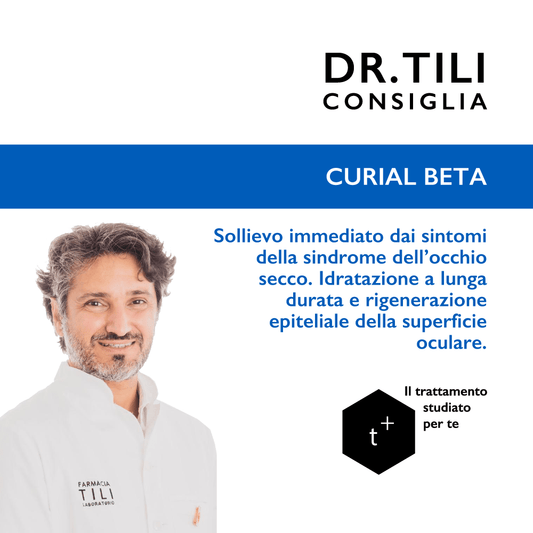
Curial βeta Dry eye supplement 30 capsules Dr.Tili
Vendor:TilpharmaRegular price €22,50Regular priceUnit price per€22,50Sale price €22,50 -
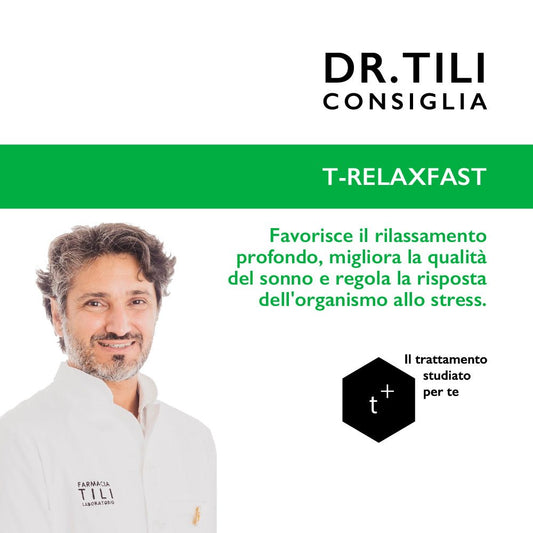
T - Relaxfast Sleep Supplement 60 Capsules Dr.Tili
Vendor:TilpharmaRegular price €24,50Regular priceUnit price per€24,50Sale price €24,50 -
Face Serum C5 Vitamin C 30ml Dr.Tili Skinlab
Vendor:TilabRegular price €62,50Regular priceUnit price per€62,50Sale price €62,50 -
Dr.Tili Skinlab E15 Vitamin E Face Serum 30ml
Vendor:TilabRegular price €32,50Regular priceUnit price per€32,50Sale price €32,50 -
Vit+ Face Vitamin Cream 50ml Dr.Tili Skinlab
Vendor:TilabRegular price €34,00Regular priceUnit price per€34,00Sale price €34,00 -
Anti-aging Facial Treatment Hyaluronic Acid IAL B3 30ml Dr.Tili Skinlab
Vendor:TilabRegular price €46,00Regular priceUnit price per€46,00Sale price €46,00 -
Body Milk Hydra Milk 200Ml. Dr.Tili Skinlab
Vendor:TilabRegular price €16,90Regular priceUnit price per€16,90Sale price €16,90 -
Facial Cleansing Milk 150ml Dr.Tili Skinlab
Vendor:TilabRegular price €18,90Regular priceUnit price per€18,90Sale price €18,90 -
Soothing Facial Toner 125ml Dr.Tili Skinlab
Vendor:TilabRegular price €14,50Regular priceUnit price per€14,50Sale price €14,50 -
Soothing Face Cream 50ml Dr.Tili Skinlab
Vendor:TilabRegular price €19,50Regular priceUnit price per€19,50Sale price €19,50











-

ASSISTANCE - TELEPHONE ORDERS
-

SHIPPING
Shipping to Italy 24/48H
Delivery also on Saturday and Sunday
Free over €49.90
Shipping to Europe 24/72H
Free over €80 -

SAFETY
The security of your data is important to us!
We strictly comply with the European GDPR regarding
Privacy and processing of personal data
The payments you make on our site are 100% safe and guaranteed -

RETURNS
Fast returns via DIY portal and 14 days to change your mind.
Immediate and free replacements for incorrect or non-compliant products delivered.


