

Haleon
Voltalgan 3% 50 g skin foam
Voltalgan 3% 50 g skin foam
Voltalgan 3% skin foam is a topical NSAID based on diclofenac sodium , indicated for the local treatment of muscle and joint pain , rheumatic or traumatic inflammatory conditions, tendonitis , sprains and strains . The foam formulation ensures rapid absorption , targeted pain relief , anti-inflammatory action and a pleasant sensation of freshness with a mint/eucalyptus fragrance.
Couldn't load pickup availability

NET WEIGHT OF THE PRODUCT
NET WEIGHT OF THE PRODUCT
EAN
EAN
037645013
MINSAN
MINSAN
037645013

Voltalgan 3% 50 g skin foam is a nonsteroidal anti-inflammatory drug (NSAID) based on diclofenac sodium , specifically formulated for topical application on joints, muscles, tendons and ligaments . Thanks to its 3% concentration and practical foam formulation, Voltalgan guarantees rapid absorption and targeted action directly on the affected area, offering effective relief from pain and inflammation. It is indicated for the local treatment of painful and inflammatory conditions of a rheumatic or traumatic nature, such as joint pain , muscle pain , sprains , muscle tears , tendonitis and ligament injuries .
Voltalgan 3% skin foam is particularly appreciated for its ease of application and for the sensation of freshness it gives to the skin, thanks also to the mint/eucalyptus fragrance . Its formulation allows the product to be gently massaged until completely absorbed, without greasing and without leaving residues. Voltalgan 3% skin foam is ideal for those looking for a quick and practical local treatment for rheumatic pain , traumatic pain and inflammatory conditions of various origins.
Thanks to the action of diclofenac sodium , Voltalgan acts directly on inflammation, reducing pain and promoting the recovery of mobility. The 50 g pack in a pressurized container is designed to ensure ease of use and uniform distribution of the product on the area to be treated. Voltalgan 3% skin foam is an effective and modern solution for the local treatment of muscle and joint pain , offering rapid and targeted relief for those who practice sports, for those who suffer from rheumatic pain or for those who need a topical pain reliever of proven effectiveness.
ACTIVE INGREDIENTS
Active ingredients contained in Voltalgan 3 % 50 g skin foam - What is the active ingredient of Voltalgan 3 % 50 g skin foam?
100 g of skin foam contains: Diclofenac 3 g For the full list of excipients, see section 6.1EXCIPIENTS
Composition of Voltalgan 3% 50g skin foam - What does Voltalgan 3% 50g skin foam contain?
Sodium hydroxide, Caprylocapril macrogolglycerides, Hydrogenated soy lecithin, Polysorbate 80, Benzyl alcohol, Potassium sorbate, Disodium phosphate dodecahydrate, All-rac-α-tocopheryl acetate, Mint/eucalyptus fragrance, Purified water. Each pressurized container (50 g) contains : 47.5 g of solution and 2.5 g of propellant (isobutane; n-butane; propane).DIRECTIONS
Therapeutic indications Voltalgan 3 % 50 g skin foam - Why is Voltalgan 3 % 50 g skin foam used? What is it used for?
Local treatment of painful and inflammatory conditions of rheumatic or traumatic nature of the joints, muscles, tendons and ligaments.CONTRAINDICATIONS AND SIDE EFFECTS
Contraindications Voltalgan 3% 50 g skin foam - When should Voltalgan 3% 50 g skin foam not be used?
Hypersensitivity to the active substance or to any of the excipients listed in section 6.1. Patients with a history of asthma, angioedema, urticaria or acute rhinitis after taking acetylsalicylic acid or other nonsteroidal anti-inflammatory drugs (NSAIDs). Damaged skin, regardless of the type of lesion: exudative dermatitis, eczema, infected lesion, burns or wounds (see section 4.4). Third trimester of pregnancy (see section 4.6). Children and adolescents under 14 years of age.DOSAGE
Quantity and method of taking Voltalgan 3% 50 g skin foam - How to take Voltalgan 3% 50 g skin foam?
Adults and adolescents aged 14 years and over : Apply VOLTALGAN skin foam 1-3 times a day. For each application, spray a circular mass of foam 3-5 centimetres in diameter (equal to approximately 0.75-1.5 grams in weight) onto the palm of the hand, depending on the size of the area to be treated, massaging gently until completely absorbed. In case of iontophoresis treatment, the product must be applied to the negative pole. VOLTALGAN skin foam can also be used in combination with ultrasound therapy. After application, ask the patient to wash their hands, otherwise they will also be treated with the skin foam. Warning: the product must only be used for short periods of treatment. If the product is necessary for more than 7 days to relieve pain or if the symptoms worsen, the doctor will have to reassess the situation (see section 4.4). Children under 14 years: insufficient data are available on efficacy and safety in children and adolescents under 14 years of age (see also section 4.3 Contraindications). Therefore, the use of Voltalgan cutaneous foam is contraindicated in children under 14 years of age. Elderly : the usual dosage for adults can be used. Directions for use: Shake before use. With the canister upside down, dispense the desired amount by pressing the appropriate dispenser. For cutaneous use only.CONSERVATION
Storage Voltalgan 3% 50 g skin foam - How to store Voltalgan 3% 50 g skin foam?
Store below 30°C. Pressurized container : VOLTALGAN contains flammable propellant. Protect from sunlight and do not expose to temperatures exceeding 50°C. Store away from all sources of ignition.WARNINGS
Warnings Voltalgan 3 % 50 g skin foam - About Voltalgan 3 % 50 g skin foam it is important to know that:
The possibility of systemic adverse events with the application of VOLTALGAN cannot be excluded if the preparation is used on large areas of skin and for a prolonged period. VOLTALGAN must be applied only to intact, unaffected skin, and not to skin wounds or open lesions. It must not be allowed to come into contact with the eyes or mucous membranes and must not be ingested. Treatment must be discontinued if a skin rash develops after application of the product. VOLTALGAN can be used with non-occlusive dressings, but must not be used with an occlusive dressing that does not allow air to pass through. In elderly patients and/or patients with gastric problems, the concomitant use of systemic anti-inflammatory drugs is not recommended. Asthmatic patients, with chronic obstructive bronchial diseases, allergic rhinitis or inflammation of the nasal mucosa (nasal polyp), react, with asthmatic attacks, local inflammation of the skin, mucosa (Quincke's edema) or urticaria, to antirheumatic treatment carried out with NSAIDs, more often than other patients. The administration of VOLTALGAN must be suspended in women who have fertility problems or who are undergoing fertility investigations. The use of VOLTALGAN, especially if prolonged, may give rise to local sensitization phenomena, which require the interruption of treatment and the adoption of adequate therapeutic measures. To reduce any photosensitivity phenomena, patients must be warned not to expose themselves to direct sunlight or to the light of sun lamps during use. In the event of allergic reactions or adverse reactions of greater importance, it is necessary to suspend treatment with VOLTALGAN and initiate adequate therapy. The use of the medicinal product in association with other medicinal products containing diclofenac may give rise to severe skin reactions (Stevens-Johnson syndrome, Lyell syndrome). VOLTALGAN contains 7.5 mg of benzyl alcohol per dose (equivalent to 1.5 grams in weight). Benzyl alcohol may cause allergic reactions and mild local irritation. VOLTALGAN contains a flavouring which in turn contains limonene. Limonene may cause allergic reactions.INTERACTIONS
Interactions Voltalgan 3 % 50 g skin foam - Which medicines or foods can modify the effect of Voltalgan 3 % 50 g skin foam?
Systemic absorption of diclofenac following topical application is very low. In high-dose and prolonged treatments, the possibility of competition between absorbed diclofenac and other drugs with high plasma protein binding should be taken into account.SIDE EFFECTS
Like all medicines, Voltalgan 3% 50g skin foam can cause side effects - What are the side effects of Voltalgan 3% 50g skin foam?
Adverse reactions (Table 1) are listed by frequency, the most frequent first, using the following convention: common (≥ 1/100, < 1/10), uncommon (≥ 1/1,000, < 1/100), rare (≥ 1/10,000, < 1/1,000), very rare (<1/10,000); not known: cannot be estimated from the available data. Table 1| Immune system disorders | |
| Very rare: | Hypersensitivity (including urticaria), angioneurotic edema |
| Infections and infestations | |
| Very rare: | Rash with pustules |
| Respiratory, thoracic and mediastinal pathologies | |
| Very rare: | Asthma |
| Skin and subcutaneous tissue disorders | |
| Common: | Rash, eczema, erythema, dermatitis (including contact dermatitis), pruritus |
| Rare: | Bullous dermatitis |
| Very rare: | Photosensitivity reaction |
| Not known: | Dry skin, burning sensation at application site |
OVERDOSE
Overdose Voltalgan 3% 50g skin foam - What are the risks of Voltalgan 3% 50g skin foam in case of overdose?
Cases of overdose with VOLTALGAN have been reported, but no systemic adverse effects that may be caused by overdose with oral NSAIDs (e.g. vomiting, diarrhoea, dizziness, tinnitus, gastrointestinal bleeding, convulsions) have been reported. However, adverse reactions similar to those observed after an overdose of diclofenac tablets may be expected if topical diclofenac is inadvertently ingested (1 pressurised container of 50 g of foam contains approximately 1.54 g of diclofenac sodium). In the event of accidental ingestion, resulting in significant systemic adverse effects, general therapeutic measures normally adopted to treat poisoning with non-steroidal anti-inflammatory drugs should be initiated. Further treatment modalities should take into account the recommendations of the poison control centre, where available.PREGNANCY AND BREASTFEEDING
If you are pregnant or breast-feeding, think you may be pregnant or are planning to have a baby, ask your doctor for advice before taking Voltalgan 3% 50 g skin foam.
Pregnancy The systemic concentration of diclofenac compared to oral formulations is lower after topical administration. Based on experience with treatment with systemically administered NSAIDs, the following is recommended: Inhibition of prostaglandin synthesis may adversely affect the pregnancy and/or the embryo/fetal development. Results of epidemiological studies suggest an increased risk of miscarriage and of cardiac malformation and gastroschisis after use of a prostaglandin synthesis inhibitor in early pregnancy. The absolute risk of cardiac malformations increased from less than 1%, up to approximately 1.5%. The risk was believed to increase with dose and duration of therapy. In animals, administration of prostaglandin synthesis inhibitors has been shown to result in increased pre- and post-implantation loss and embryo-fetal mortality. Furthermore, an increased incidence of various malformations, including cardiovascular, has been reported in animals given prostaglandin synthesis inhibitors during the organogenetic period. During the first and second trimester of pregnancy, diclofenac should not be given unless clearly necessary. If diclofenac is used by a woman attempting to conceive, or during the first and second trimester of pregnancy, the dose should be kept as low and duration of treatment as short as possible. During the third trimester of pregnancy, all prostaglandin synthesis inhibitors may expose the fetus to: • cardiopulmonary toxicity (with premature closure of the ductus arteriosus and pulmonary hypertension); • renal dysfunction, which may progress to renal failure with oligohydroamniosis; the mother and neonate, at the end of pregnancy, to: • possible prolongation of bleeding time, and anti-aggregating effect which may occur even at very low doses; • inhibition of uterine contractions resulting in delayed or prolonged labor. Consequently, diclofenac is contraindicated during the third trimester of pregnancy. Breastfeeding Like other NSAIDs, diclofenac passes into breast milk in small quantities. However, at therapeutic doses of VOLTALGAN no effects on the infant are anticipated. Due to the lack of controlled studies in breast-feeding women, the product should be used during breast-feeding only if the expected benefit to the mother outweighs the risk to the child. In this circumstance, VOLTALGAN should not be applied to the breasts of nursing mothers, nor elsewhere on large areas of skin or for a prolonged period of time (see section 4.4). Fertility No data are available on the effects of topical diclofenac on fertility.DRIVING AND USE OF MACHINERY
Taking Voltalgan 3% 50 g skin foam before driving or using machines - Does Voltalgan 3% 50 g skin foam affect driving and using machines?
VOLTALGAN does not alter or negligibly alters the ability to drive vehicles or use machines.OUR PRODUCTS FOR THIS SEASON
-
Curial βeta Dry eye supplement 30 capsules Dr.Tili
Vendor:TilpharmaRegular price €22,50Regular priceUnit price per€22,50Sale price €22,50 -
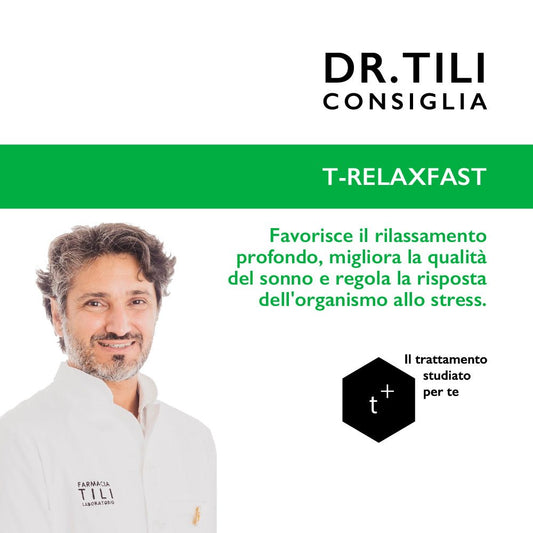
T - Relaxfast Sleep Supplement 60 Capsules Dr.Tili
Vendor:TilpharmaRegular price €24,50Regular priceUnit price per€24,50Sale price €24,50 -
Face Serum C5 Vitamin C 30ml Dr.Tili Skinlab
Vendor:TilabRegular price €62,50Regular priceUnit price per€62,50Sale price €62,50 -
Dr.Tili Skinlab E15 Vitamin E Face Serum 30ml
Vendor:TilabRegular price €32,50Regular priceUnit price per€32,50Sale price €32,50 -
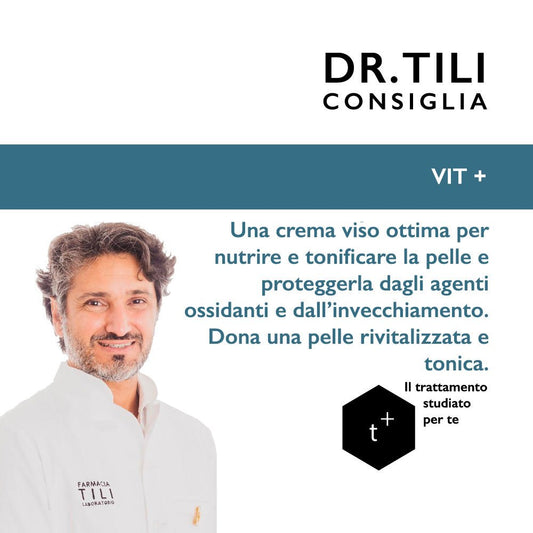
Vit+ Face Vitamin Cream 50ml Dr.Tili Skinlab
Vendor:TilabRegular price €34,00Regular priceUnit price per€34,00Sale price €34,00 -
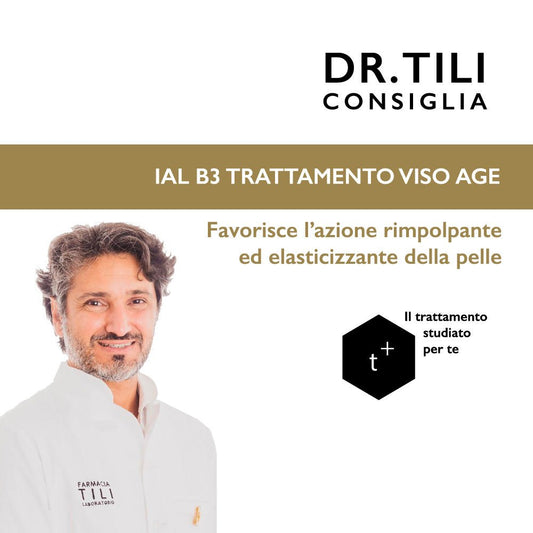
Anti-aging Facial Treatment Hyaluronic Acid IAL B3 30ml Dr.Tili Skinlab
Vendor:TilabRegular price €46,00Regular priceUnit price per€46,00Sale price €46,00 -
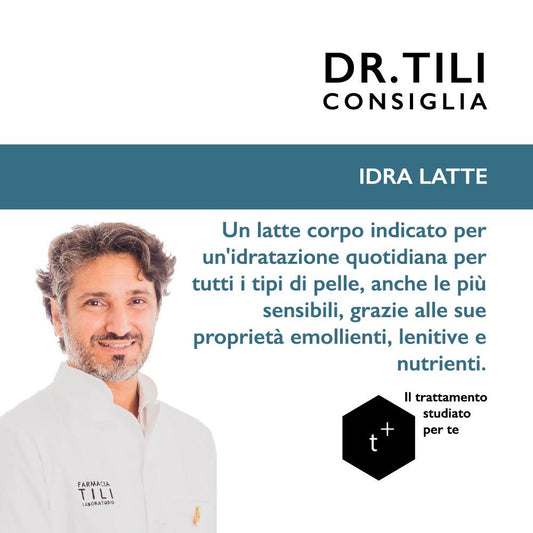
Body Milk Hydra Milk 200Ml. Dr.Tili Skinlab
Vendor:TilabRegular price €16,90Regular priceUnit price per€16,90Sale price €16,90 -
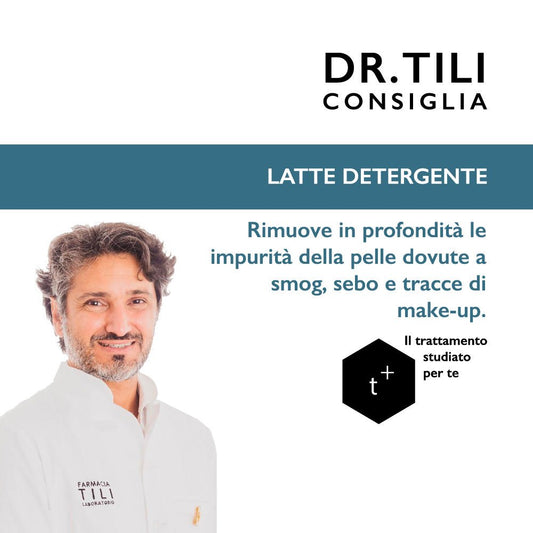
Facial Cleansing Milk 150ml Dr.Tili Skinlab
Vendor:TilabRegular price €18,90Regular priceUnit price per€18,90Sale price €18,90 -
Soothing Facial Toner 125ml Dr.Tili Skinlab
Vendor:TilabRegular price €14,50Regular priceUnit price per€14,50Sale price €14,50 -
Soothing Face Cream 50ml Dr.Tili Skinlab
Vendor:TilabRegular price €19,50Regular priceUnit price per€19,50Sale price €19,50












-

ASSISTANCE - TELEPHONE ORDERS
-

SHIPPING
Shipping to Italy 24/48H
Delivery also on Saturday and Sunday
Free over €49.90
Shipping to Europe 24/72H
Free over €80 -

SAFETY
The security of your data is important to us!
We strictly comply with the European GDPR regarding
Privacy and processing of personal data
The payments you make on our site are 100% safe and guaranteed -

RETURNS
Fast returns via DIY portal and 14 days to change your mind.
Immediate and free replacements for incorrect or non-compliant products delivered.


