

Procter & Gamble
Vicks Medinait 0, 5 + 0, 25 + 20 mg/ml 180 ml syrup
Vicks Medinait 0, 5 + 0, 25 + 20 mg/ml 180 ml syrup
Vicks Medinait syrup is a medicine for the symptomatic treatment of colds and flu in adults and children >12 years. Thanks to paracetamol , dextromethorphan and doxylamine it relieves fever , headache , muscle aches , dry cough , sore throat , runny nose and sneezing, promoting a good night's sleep . Take in the evening, following the instructions of your doctor or the package leaflet .
Couldn't load pickup availability

NET WEIGHT OF THE PRODUCT
NET WEIGHT OF THE PRODUCT
EAN
EAN
024449062
MINSAN
MINSAN
024449062

Vicks Medinait 0.5 + 0.25 + 20 mg/ml 180 ml syrup is a syrup specifically formulated for the symptomatic treatment of cold and flu disorders . Thanks to its combination of active ingredients - paracetamol (analgesic and antipyretic), dextromethorphan (cough sedative) and doxylamine (antihistamine) - this product offers a broad spectrum of action against the main symptoms of flu and cold, such as fever, sore throat, dry cough, headache, muscle aches, runny nose and sneezing .
The 180 ml syrup formulation is ideal for those looking for a nighttime remedy that promotes rest and symptom relief during the night . The product is equipped with a measuring cup for precise and safe administration. Vicks Medinait is particularly suitable for adults and adolescents over 12 years of age who want a complete treatment of flu symptoms in a single solution, facilitating recovery and improving the quality of sleep.
The presence of paracetamol helps reduce fever and relieve muscle pain and headache , while dextromethorphan acts on dry cough and doxylamine combats stuffy nose, runny nose and sneezing thanks to its antihistamine action. The formula is enriched with excipients that improve taste and tolerability, making it more pleasant to take even in case of annoying symptoms.
Vicks Medinait 0.5 + 0.25 + 20 mg/ml 180 ml syrup is a reliable and practical choice for those seeking effective symptomatic treatment against colds and flu . Thanks to its combined action, it represents a valuable ally for night-time relief from flu symptoms, promoting peaceful rest and faster recovery .
ACTIVE INGREDIENTS
Active ingredients contained in Vicks Medinait 0.5 + 0.25 + 20 mg/ml 180 ml syrup - What is the active ingredient of Vicks Medinait 0.5 + 0.25 + 20 mg/ml 180 ml syrup?
100 ml of syrup contains: Active ingredients : Dextromethorphan hydrobromide 0.05 g; Doxylamine succinate 0.025 g; Paracetamol 2 g. Excipients with known effect: sucrose, sodium, sodium benzoate, propylene glycol. For the full list of excipients, see section 6.1EXCIPIENTS
Composition of Vicks Medinait 0.5 + 0.25 + 20 mg/ml 180 ml syrup - What does Vicks Medinait 0.5 + 0.25 + 20 mg/ml 180 ml syrup contain?
Propylene glycol, sodium citrate, citric acid monohydrate, potassium sorbate, sodium benzoate, macrogol, sucrose, glycerol, anethole, quinoline yellow (E 104), brilliant blue FCF (E 133) and purified water.DIRECTIONS
Therapeutic indications Vicks Medinait 0.5 + 0.25 + 20 mg/ml 180 ml syrup - Why is Vicks Medinait 0.5 + 0.25 + 20 mg/ml 180 ml syrup used? What is it used for?
Treating cold and flu symptoms.CONTRAINDICATIONS AND SIDE EFFECTS
Contraindications Vicks Medinait 0.5 + 0.25 + 20 mg/ml 180 ml syrup - When should Vicks Medinait 0.5 + 0.25 + 20 mg/ml 180 ml syrup not be used?
- Hypersensitivity to the active substances or to any of the excipients listed in section 6.1. - Children and adolescents under 12 years of age. - Asthma, diabetes, glaucoma, prostatic hypertrophy, gastrointestinal and urogenital stenosis, epilepsy, severe liver disease or severe renal impairment. - Glucose-6-phosphate dehydrogenase deficiency and haemolytic anaemia (due to the paracetamol content). - History of gastrointestinal bleeding or perforation due to previous treatment with medicinal products with anti-inflammatory, antipyretic and analgesic activity or history of recurrent peptic haemorrhage/ulcer (two or more distinct episodes of proven ulceration or bleeding). - Severe cardiac insufficiency. Do not administer simultaneously or within two weeks of therapy with MAO inhibitor antidepressants.DOSAGE
Quantity and method of taking Vicks Medinait 0.5 + 0.25 + 20 mg/ml 180 ml syrup - How to take Vicks Medinait 0.5 + 0.25 + 20 mg/ml 180 ml syrup?
Dosage Adults and adolescents over 12 years: The recommended dose is 30 ml once a day. 30 ml contain 0.015 g of dextromethorphan hydrobromide, 0.0075 g of doxylamine succinate and 0.6 g of paracetamol. Do not exceed the recommended doses. Duration of treatment After 3 days of continuous use, in the absence of appreciable results, re-evaluate the clinical picture. Method of administration Vicks MediNait should be taken at bedtime for a night's rest and on a full stomach. Use the measuring cup included in the package.CONSERVATION
Storage Vicks Medinait 0.5 + 0.25 + 20 mg/ml 180 ml syrup - How to store Vicks Medinait 0.5 + 0.25 + 20 mg/ml 180 ml syrup?
Keep the bottle in the outer carton to protect from light. Any change in the color of the syrup does not alter the quality of the product.WARNINGS
Warnings Vicks Medinait 0.5 + 0.25 + 20 mg/ml 180 ml syrup - About Vicks Medinait 0.5 + 0.25 + 20 mg/ml 180 ml syrup it is important to know that:
Undesirable effects can be minimized with the shortest possible duration of treatment necessary to control symptoms. The elderly are more susceptible to the onset of undesirable effects. A chronic or persistent cough due to smoking, emphysema, asthma requires clinical evaluation. In case of irritating cough with a significant production of mucus, Vicks MediNait must be used with particular caution and after a careful risk-benefit assessment. High or prolonged doses of paracetamol, present in the product, can cause high-risk liver disease and alterations to the kidney and blood, even serious ones. Paracetamol should be used with caution in subjects with renal or hepatic insufficiency, including those with non-cirrhotic alcoholic liver disease. Damage from overdose is greater in subjects affected by alcoholic liver disease. Vicks MediNait must not be used with other products containing paracetamol or medicines with anti-inflammatory, anti-pyretic and analgesic activity. In rare cases of allergic reactions, administration should be suspended and appropriate treatment should be instituted. The use of antihistamines with ototoxic antibiotics may mask the first signs of ototoxicity, which may be perceived late, when the damage is irreversible. Vicks MediNait should be used with caution in patients with cardiovascular disease, hypertension and hyperthyroidism. Patients with uncontrolled hypertension, congestive heart failure, established ischemic heart disease, peripheral arterial disease and/or cerebrovascular disease should be treated with Vicks MediNait only after careful consideration, given the risk of fluid retention and edema. Alcohol intake during treatment should be avoided. Risks arising from concomitant use of sedative drugs such as benzodiazepines or related drugs Concomitant use of Vicks MediNait and sedative drugs such as benzodiazepines, or related drugs, may cause sedation, respiratory depression, coma and death. Due to these risks, concomitant prescribing of sedative medicinal products should be limited to patients for whom alternative treatment options are not possible. If the decision is made to prescribe Vicks MediNait with sedative medicinal products, the duration of treatment should be as short as possible. Patients should be monitored closely for signs and symptoms of respiratory depression and sedation. It is strongly recommended that patients and their caregivers (where applicable) are informed of these symptoms (see section 4.5). Dextromethorphan may be habit-forming. Patients may develop tolerance to the medicinal product, as well as mental and physical dependence, with prolonged use. Patients with a tendency to abuse or dependence should take Vicks MediNait for short periods and be carefully monitored. Cases of abuse and dependence of dextromethorphan have been reported. Caution is advised particularly in adolescents and young adults, as well as in patients with a history of drug or psychoactive substance abuse. Serotonin syndrome Serotonergic effects, including the development of a potentially life-threatening serotonin syndrome, have been reported with dextromethorphan with concomitant administration of serotonergic agents, such as selective serotonin reuptake inhibitors (SSRIs), drugs which impair metabolism of serotonin (including monoamine oxidase inhibitors [MAOIs]) and CYP2D6 inhibitors. Serotonin syndrome may include mental status changes, autonomic instability, neuromuscular abnormalities, and/or gastrointestinal symptoms. If serotonin syndrome is suspected, treatment with Vicks Medinait should be discontinued. Concomitant use of medicinal products with anti-inflammatory, antipyretic and analgesic activity, including selective COX-2 inhibitors, should be avoided. Dextromethorphan is metabolised by hepatic cytochrome P450 2D6 (see section 5.2). The activity of this enzyme is genetically determined. Approximately 10% of the population is a slow metaboliser of CYP2D6. Exaggerated and/or prolonged effects of dextromethorphan may occur in poor metabolisers and patients with concomitant use of CYP2D6 inhibitors. Caution is advised in patients who are poor metabolisers of CYP2D6 or who use CYP2D6 inhibitors (see section 4.5). Elderly: The elderly have an increased frequency of adverse reactions to medicinal products with anti-inflammatory, antipyretic and analgesic activity, especially gastrointestinal bleeding and perforation, which may be fatal. Gastrointestinal bleeding, ulceration and perforation: Gastrointestinal bleeding, ulceration and perforation, which can be fatal, have been reported with all medicinal products with anti-inflammatory, antipyretic and analgesic activity at anytime during treatment, with or without warning symptoms or a previous history of serious gastrointestinal events. In patients with a history of ulcer, particularly if complicated with haemorrhage or perforation (see section 4.3), the risk of gastrointestinal bleeding, ulceration or perforation is higher with increased doses of medicinal products with anti-inflammatory, antipyretic and analgesic activity. These patients should start treatment on the lowest dose available. Concomitant use of protective agents (e.g. misoprostol or proton pump inhibitors) should be considered for these patients and also for patients who are taking low dose acetylsalicylic acid or other drugs likely to increase the risk of gastrointestinal events (see below and section 4.5). Patients with a history of gastrointestinal toxicity, particularly when elderly, should also report any gastrointestinal symptoms (especially gastrointestinal bleeding) at the start of treatment. Caution should be advised in patients receiving concomitant medications which could increase the risk of ulceration or bleeding, such as oral corticosteroids, anticoagulants such as warfarin, selective serotonin reuptake inhibitors or anti-platelet agents such as acetylsalicylic acid (see section 4.5). If gastrointestinal bleeding or ulceration occurs in patients receiving Vicks MediNait, the treatment should be withdrawn. Medicinal products with anti-inflammatory, antipyretic and analgesic activity should be administered with caution to patients with a history of gastrointestinal disease (ulcerative colitis, Crohn's disease) as these conditions may be exacerbated (see section 4.8). Serious skin reactions, some of them fatal, including exfoliative dermatitis, Stevens-Johnson syndrome, and toxic epidermal necrolysis, have been reported very rarely in association with the use of medicinal products with anti-inflammatory, antipyretic and analgesic activity (see section 4.8). Patients appear to be at highest risk at the beginning of treatment. Vicks MediNait should be discontinued at the first appearance of skin rash, mucosal lesions, or any other sign of hypersensitivity. The patient should be advised to contact their doctor before combining any other medicinal product. Caution is advised if paracetamol is administered concomitantly with flucloxacillin due to the increased risk of high anion gap metabolic acidosis (HAGMA), particularly in patients with severe renal impairment, sepsis, malnutrition and other sources of glutathione deficiency (e.g. chronic alcoholism), as well as in those using maximum daily doses of paracetamol. Careful monitoring, including measurement of urinary 5-oxoproline, is recommended. Important information about some of the ingredients Vicks MediNait contains 8.25 g of sucrose per dose (equivalent to 30 ml). To be taken into account in patients with diabetes mellitus. Patients with rare hereditary problems of fructose intolerance, glucose-galactose malabsorption or sucrase-isomaltase insufficiency should not take this medicine. This medicinal product contains approximately 75 mg sodium per dose (equivalent to 30 ml) equivalent to approximately 3.8% of the WHO recommended maximum daily intake of 2 g sodium for an adult. Vicks MediNait contains 30 mg sodium benzoate per dose (equivalent to 30 ml). This medicinal product contains 3 g propylene glycol per dose (equivalent to 30 ml). Clinical monitoring is required for patients with hepatic or renal insufficiency due to various adverse events attributed to propylene glycol such as renal dysfunction (acute tubular necrosis), acute kidney injury and hepatic dysfunction. Although propylene glycol has not shown reproductive and developmental toxicity in animals or humans, it can reach the fetus and has been found in breast milk. As a consequence, the administration of propylene glycol to pregnant or breastfeeding patients should be considered on a case-by-case basis. Interference with serological tests Paracetamol administration may interfere with the determination of uric acid (by the phosphotungstic acid method) and glycaemia (by the glucose-oxidase-peroxidase method).INTERACTIONS
Interactions Vicks Medinait 0.5 + 0.25 + 20 mg/ml 180 ml syrup - Which medicines or foods can modify the effect of Vicks Medinait 0.5 + 0.25 + 20 mg/ml 180 ml syrup?
Concomitant administration with MAO inhibitor drugs is contraindicated (see section 4.3). Use with extreme caution and under close monitoring during chronic treatment with drugs that can determine the induction of hepatic monooxygenases or in case of exposure to substances that can have this effect (for example rifampicin, cimetidine, antiepileptics such as glutethimide, phenobarbital, carbamazepine and alcohol) due to an increased risk of hepatotoxicity from paracetamol. The rate of absorption of paracetamol may be increased by metoclopramide or domperidone and absorption may be reduced by cholestyramine. The anticoagulant effect of warfarin and other coumarin drugs may be enhanced by prolonged and regular use of paracetamol, increasing the risk of bleeding. Inducers of hepatic enzymes (e.g. alcohol and antiepileptics) may increase the hepatotoxicity of paracetamol, particularly after an overdose. CYP2D6 inhibitors There is a potential for interaction between dextromethorphan and medicinal products that inhibit the CYP2D6 isoenzyme such as SSRIs (e.g., fluoxetine, paroxetine). Dextromethorphan is metabolized by CYP2D6 and has extensive first-pass metabolism. Concomitant use of potent inhibitors of the CYP2D6 enzyme may increase dextromethorphan concentrations in the body to levels several times higher than normal. This increases the patient's risk of toxic effects of dextromethorphan (agitation, confusion, tremor, insomnia, diarrhea and respiratory depression) and the development of serotonin syndrome. Potent inhibitors of CYP2D6 are fluoxetine, paroxetine, quinidine and terbinafine. During concomitant use with quinidine, plasma concentrations of dextromethorphan are increased up to 20-fold, resulting in increased central nervous system adverse effects of the agent. Amiodarone, flecainide and propafenone, sertraline, bupropion, methadone, cinacalcet, haloperidol, perphenazine and thioridazine also have similar effects on the metabolism of dextromethorphan. If concomitant use of CYP2D6 inhibitors and dextromethorphan is necessary, the patient should be monitored and the dose of dextromethorphan may need to be reduced. Diuretics, ACE inhibitors and Angiotensin II antagonists: Medicinal products with anti-inflammatory, antipyretic and analgesic activity may reduce the effect of diuretics and other antihypertensive drugs. In subjects with impaired renal function (e.g. dehydrated patients or elderly patients) co-administration with an ACE inhibitor or an angiotensin II antagonist may lead to a further deterioration of renal function. Hydration before initiating concomitant therapy and close monitoring of renal function after initiation of treatment are recommended. Corticosteroids: Concomitant administration may increase the risk of gastrointestinal ulceration or bleeding (see section 4.4). Anticoagulants: Medicinal products with anti-inflammatory, antipyretic and analgesic activity may enhance the effect of anticoagulants, such as warfarin (see section 4.4). Anti-platelet agents and selective serotonin reuptake inhibitors (SSRIs): Co-administration may lead to an increased risk of gastrointestinal bleeding (see section 4.4). Sedative medicinal products such as benzodiazepines or related medicinal products Concomitant use of opioids and sedative medicinal products such as benzodiazepines or related medicinal products increases the risk of sedation, respiratory depression, coma and death because of additive CNS depressant effect. The dose and duration of concomitant use should be limited (see section 4.4). Caution should be exercised when paracetamol is used concomitantly with flucloxacillin as the concomitant intake has been associated with high anion gap metabolic acidosis, especially in patients with risk factors (see section 4.4).SIDE EFFECTS
Like all medicines, Vicks Medinait 0.5 + 0.25 + 20 mg/ml 180 ml syrup can cause side effects - What are the side effects of Vicks Medinait 0.5 + 0.25 + 20 mg/ml 180 ml syrup?
Undesirable effects are classified according to their frequency and listed in decreasing order of seriousness. The frequency of adverse reactions is defined using the following convention: Very common (≥1/10); common (≥1/100 to <1/10); uncommon (≥1/1,000 to <1/100); rare (≥1/10,000 to <1/1,000); very rare (<1/10,000), not known (cannot be estimated from the available data).| Classification by systems and organs | Frequency | Side effects |
| Pathologies of the haemolymphopoietic system | Very rare | thrombocytopenia, leukopenia, agranulocytosis, hemolytic anemia, neutropenia, pancytopenia, epistaxis, increased tendency for wound bleeding. |
| Immune system disorders | Rare | hypersensitivity, anaphylactic shock, anaphylaxis, angioedema, laryngeal edema, bronchospasm. |
| Nervous system disorders | Common | drowsiness, headache, blurred vision, psychomotor impairment. |
| Rare | dizziness, insomnia. | |
| Not known | psychomotor hyperactivity* | |
| Gastrointestinal pathologies | Common | dry mouth, constipation, gastric reflux. |
| Rare | nausea, vomiting, abdominal pain, diarrhea. | |
| Not known | exacerbation of colitis and Crohn's disease (see section 4.4), peptic ulcer, gastrointestinal perforation or haemorrhage** (see section 4.4), gastritis, melaena, haematemesis, ulcerative stomatitis, flatulence, dyspepsia. | |
| Hepatobiliary pathologies | Not known | hepatitis, increased aminotransferases, jaundice, hepatic necrosis. |
| Skin and subcutaneous tissue disorders | Rare | skin rash, urticaria, erythema, pruritus, fixed drug eruption |
| Very rare | erythema multiforme, Stevens-Johnson syndrome, toxic epidermal necrolysis | |
| Kidney and urinary disorders | Not known | acute renal failure, interstitial nephritis, hematuria, anuria, urinary retention, dysuria. |
OVERDOSE
Overdose Vicks Medinait 0.5 + 0.25 + 20 mg/ml 180 ml syrup - What are the risks of Vicks Medinait 0.5 + 0.25 + 20 mg/ml 180 ml syrup in case of overdose?
In case of overdose, paracetamol can cause hepatic cytolysis, which can evolve into massive and irreversible necrosis. Symptoms and signs Paracetamol: Symptoms of paracetamol overdose in the first 24 hours are pallor, nausea, vomiting, anorexia and abdominal pain. Liver damage may occur 12 to 48 hours after ingestion. Abnormalities in glucose metabolism and metabolic acidosis may occur. In case of severe poisoning, liver failure may progress to encephalopathy, coma and death. Acute renal failure with acute tubular necrosis may develop even in the absence of severe liver damage. Cardiac arrhythmias have been reported. Other symptoms may include CNS depression, cardiovascular effects and renal damage. Dextromethorphan or Doxylamine: Symptoms such as excitation, mental confusion, convulsions and respiratory depression may occur following overdose with doxylamine. Dextromethorphan overdose may be associated with nausea, vomiting, dystonia, agitation, confusion, drowsiness, stupor, nystagmus, cardiotoxicity (tachycardia, abnormal ECG including QTc prolongation), ataxia, toxic psychosis with visual hallucinations, hyperexcitability. In cases of massive overdose, the following symptoms may be observed: coma, respiratory depression, convulsions. Management: Immediate treatment is essential in the management of paracetamol overdose. Despite the lack of significant early symptoms, patients should urgently seek immediate medical attention and any patient who has ingested approximately 7.5 g or more of paracetamol in the preceding 4 hours should undergo gastric lavage. Administration of oral methionine or intravenous N-acetylcysteine may be necessary, which may have a beneficial effect for at least 48 hours after the overdose. General supportive measures should be available. Activated charcoal may be administered to asymptomatic patients who have ingested overdoses of dextromethorphan within the previous hour. For patients who have ingested dextromethorphan and are sedated or comatose, naloxone may be considered in the usual doses for the treatment of opioid overdose. Benzodiazepines may be used for convulsions and benzodiazepines and external cooling measures for hyperthermia due to serotonin syndrome.PREGNANCY AND BREASTFEEDING
If you are pregnant or breast-feeding, think you may be pregnant or are planning to have a baby, ask your doctor for advice before taking Vicks Medinait 0.5 + 0.25 + 20 mg/ml 180 ml syrup.
Data on the safety of using Vicks MediNait during pregnancy and breastfeeding are limited. Vicks MediNait during pregnancy and breastfeeding is not recommended. The use of should be considered only if the expected benefit for the mother outweighs the risk to the fetus or child. Pregnancy The extensive data on the use of paracetamol during pregnancy do not indicate malformative or fetal/neonatal toxicity. Epidemiological studies on neurodevelopment in children exposed to paracetamol in utero show inconclusive results. If clinically necessary, paracetamol can be used during pregnancy, however it should be used for the shortest possible time and as rarely as possible. Literature data do not show a proven increase in the frequency of malformations or other direct or indirect harmful effects on the fetus induced by dextromethorphan. Use during the advanced stage of pregnancy may expose the newborn to respiratory depression. Epidemiological studies do not indicate malformative toxicity induced by doxylamine. Given the anticholinergic and sedative activity of doxylamine, monitoring of the newborn is strongly recommended in case of use of Vicks MediNait close to delivery. Breastfeeding Although excreted in breast milk, the use of paracetamol is compatible with breastfeeding. The excretion of dextromethorphan and doxylamine in breast milk is not known.DRIVING AND USE OF MACHINERY
Taking Vicks Medinait 0.5 + 0.25 + 20 mg/ml 180 ml syrup before driving or using machines - Does Vicks Medinait 0.5 + 0.25 + 20 mg/ml 180 ml syrup affect driving or using machines?
Vicks MediNait may alter the ability to drive vehicles and use machinery. The product may cause drowsiness (especially in conjunction with the intake of alcohol or other medicines that can reduce reaction times), this must be taken into account by those who may drive vehicles or attend to operations requiring integrity of the degree of alertness, who must abstain from such tasks after taking the product.OUR PRODUCTS FOR THIS SEASON
-
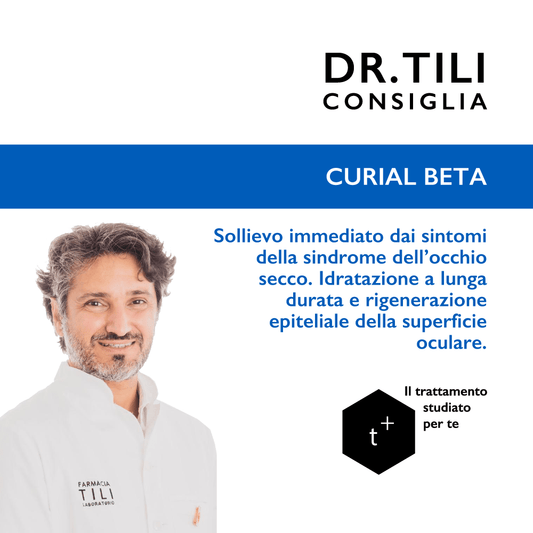
Curial βeta Dry eye supplement 30 capsules Dr.Tili
Vendor:TilpharmaRegular price €22,50Regular priceUnit price per€22,50Sale price €22,50 -
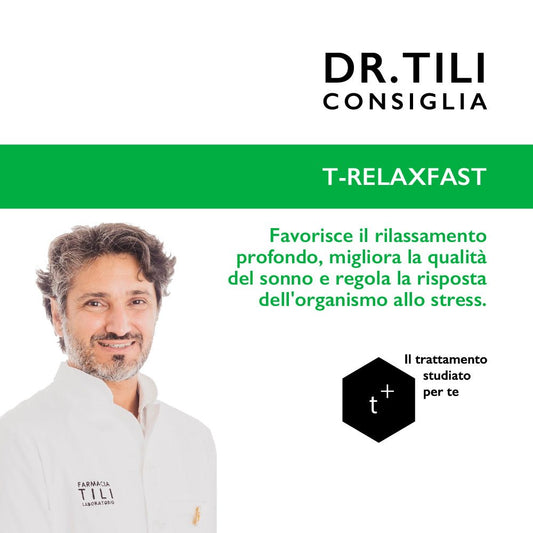
T - Relaxfast Sleep Supplement 60 Capsules Dr.Tili
Vendor:TilpharmaRegular price €24,50Regular priceUnit price per€24,50Sale price €24,50 -
Face Serum C5 Vitamin C 30ml Dr.Tili Skinlab
Vendor:TilabRegular price €62,50Regular priceUnit price per€62,50Sale price €62,50 -
Dr.Tili Skinlab E15 Vitamin E Face Serum 30ml
Vendor:TilabRegular price €32,50Regular priceUnit price per€32,50Sale price €32,50 -
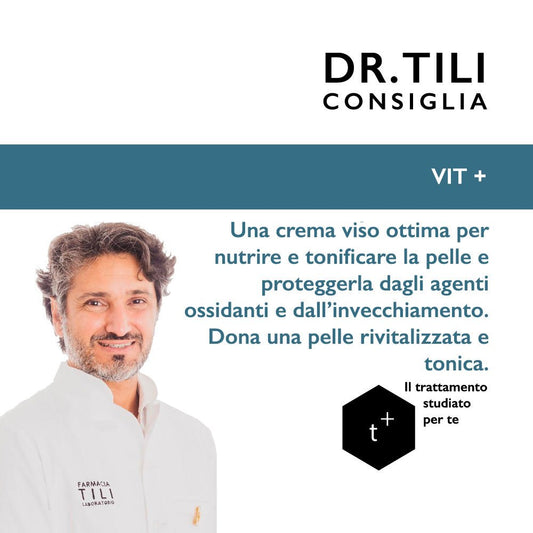
Vit+ Face Vitamin Cream 50ml Dr.Tili Skinlab
Vendor:TilabRegular price €34,00Regular priceUnit price per€34,00Sale price €34,00 -
Anti-aging Facial Treatment Hyaluronic Acid IAL B3 30ml Dr.Tili Skinlab
Vendor:TilabRegular price €46,00Regular priceUnit price per€46,00Sale price €46,00 -
Body Milk Hydra Milk 200Ml. Dr.Tili Skinlab
Vendor:TilabRegular price €16,90Regular priceUnit price per€16,90Sale price €16,90 -
Facial Cleansing Milk 150ml Dr.Tili Skinlab
Vendor:TilabRegular price €18,90Regular priceUnit price per€18,90Sale price €18,90 -
Soothing Facial Toner 125ml Dr.Tili Skinlab
Vendor:TilabRegular price €14,50Regular priceUnit price per€14,50Sale price €14,50 -
Soothing Face Cream 50ml Dr.Tili Skinlab
Vendor:TilabRegular price €19,50Regular priceUnit price per€19,50Sale price €19,50










-

ASSISTANCE - TELEPHONE ORDERS
-

SHIPPING
Shipping to Italy 24/48H
Delivery also on Saturday and Sunday
Free over €49.90
Shipping to Europe 24/72H
Free over €80 -

SAFETY
The security of your data is important to us!
We strictly comply with the European GDPR regarding
Privacy and processing of personal data
The payments you make on our site are 100% safe and guaranteed -

RETURNS
Fast returns via DIY portal and 14 days to change your mind.
Immediate and free replacements for incorrect or non-compliant products delivered.


