

Procter & Gamble
Vicks Flu Triple Action 500mg/200mg/10mg 10 sachets powder for oral solution
Vicks Flu Triple Action 500mg/200mg/10mg 10 sachets powder for oral solution
Vicks Flu Triple Action 500mg/200mg/10mg in sachets is indicated for the symptomatic treatment of colds and flu with fever , aches , nasal congestion and productive cough . The combination of paracetamol , guaifenesin and phenylephrine dissolved in hot water offers rapid relief , with a pleasant lemon flavour , for adults and children from 12 years .
Couldn't load pickup availability

NET WEIGHT OF THE PRODUCT
NET WEIGHT OF THE PRODUCT
10ct
EAN
EAN
039773027
MINSAN
MINSAN
039773027

INDICATIONS
Short-term symptomatic treatment of mild to moderate pain, fever, nasal congestion with expectorant effect in case of wet cough, associated with colds, chills and flu.
ACTIVE INGREDIENTS
One sachet contains: 500 mg of paracetamol 200 mg of guaifenesin 10 mg of phenylephrine hydrochloride Excipients: Sucrose 2000 mg Aspartame 6 mg Sodium 157 mg For the complete list of excipients, see section 6.1.
EXCIPIENTS
Sucrose Citric acid Tartaric acid Sodium cyclamate Sodium citrate Aspartame (E951) Acesulfame potassium (E950) Menthol powder Lemon flavor Lemon juice flavor Quinoline yellow (E104)
CONTRAINDICATIONS AND SIDE EFFECTS
Hypersensitivity to paracetamol, guaifenesin, phenylephrine hydrochloride or to any of the excipients. Severe hepatic or renal impairment Hypertension Hyperthyroidism Diabetes Heart disease. Angle-closure glaucoma Porphyria Use in patients who are taking tricyclic antidepressants Use in patients who are taking, or who have taken in the previous 2 weeks, monoamine oxidase inhibitors (MAOIs). Use in patients who are taking beta-blocking drugs. Use in patients who are taking other sympathomimetic drugs. Children under 12 years of age.
DOSAGE
Dissolve the contents of one sachet in a medium-sized cup and add hot, non-boiling water (approximately 250 ml). Allow to cool to a drinkable temperature. Adults and children from 12 years of age: one sachetRepeat every four hours according to the indications, without exceeding four doses (sachets) within 24 hours. Do not administer to children under 12 years of age without medical advice. Do not administer to patients with hepatic impairment or severe renal impairment (see section 4.3). Consult your doctor if symptoms persist for more than 3 days.
CONSERVATION
Do not store above 25°C.
WARNINGS
Prolonged use of the product is not recommended. Patients should be advised not to take other products containing paracetamol or containing the same active ingredients as this preparation. Patients should also be advised to avoid the concomitant use of alcohol, other decongestant products or cough or cold products. The doctor or pharmacist is required to verify that preparations containing sympathomimetics are not administered simultaneously through multiple routes, i.e. orally and topically (nasal, auricular and ocular preparations). This medicine should only be recommended in the presence of all symptoms (pain and/or fever, nasal congestion and bronchial cough). The risks related to overdose are greater in patients with non-cirrhotic alcoholic liver disease. Use with caution in patients taking digitalis, beta-adrenergic blockers, methyldopa or other antihypertensive agents (see section 4.5). Use with caution in patients with prostatic hypertrophy as they are potentially subject to urinary retention. Products containing sympathomimetics should be used with great care in patients taking phenothiazines. Use in patients with Raynaud's phenomenon. Consult your doctor before use in case of persistent or chronic cough such as that manifested by smoking, asthma, chronic bronchitis or emphysema. Contains sucrose. Patients suffering from rare hereditary problems of fructose intolerance, glucose-galactose malabsorption or sucrasisomaltase insufficiency should not take this medicine. Contains 157 mg sodium per dose. To be taken into consideration in people with reduced kidney function or who follow a low sodium diet. Contains aspartame (E951). This medicine contains a source of phenylalanine. It may be harmful to you if you suffer from phenylketonuria.
INTERACTIONS
The hepatotoxicity of paracetamol can be potentiated by excessive alcohol intake. The rate of absorption of paracetamol can be increased with metoclopramide or domperidone and the absorption reduced with cholestyramine. Substances that induce hepatic microsomal enzymes, such as alcohol, barbiturates, monoamine oxidase inhibitors and tricyclic antidepressants, may increase the hepatotoxicity of paracetamol, particularly following overdosage. Isoniazid reduces the elimination of paracetamol, with possible enhancement of its activity and/or toxicity, through the inhibition of its metabolism in the liver. Probenecid causes a halving of the elimination of paracetamol, inhibiting its binding with glucuronic acid. A reduction in paracetamol should be considered if probenecid is being taken. Regular use of paracetamol may reduce the metabolism of Zidovudine (increasing the risk of neutropenia). Interactions between sympathomimetic amines, such as phenylephrine, and monoamine oxidase inhibitors cause hypertensive effects. Phenylephrine may interact negatively with sympathomimetic agents and may reduce the effectiveness of beta-blocking drugs, methyldopa and other antihypertensive drugs (see section 4.4). The conditions in which these drugs are taken constitute contraindications to the use of the product. The anticoagulant effect of warfarin and other coumarin drugs can be enhanced by regular and prolonged intake of paracetamol, with an increased risk of bleeding; doses taken occasionally have no significant effects. Drug interactions have been reported between acetaminophen and several other drugs. Such interactions are considered unlikely to be clinically significant in temporary use and in accordance with the suggested dosing regimen. Salicylates/aspirin can prolong the elimination (t ½) of paracetamol. Paracetamol may decrease the bioequivalence of lamotrigine, with a possible decrease in its effect, due to a possible increase in its metabolism in the liver. It is possible that digitalis may sensitize the myocardium to sympathomimetic-like effects. Paracetamol can alter the uric acid phosphotungstate test and the blood sugar test.
SIDE EFFECTS
The incidence of side effects is usually classified as follows: Very common (>10) Common (>1/100 to <1/10) Uncommon (>1/1000 to <1/100) Rare (>1/10,000 to <1/1000) Very rare (<1/10,000) Not known (the incidence cannot be classified from the available data) Cardiac disorders: Phenylephrine may be rarely associated with tachycardia (≥1/10,000 to ≤1 in 1000). Blood and lymphatic system disorders: very rarely (<1 in 10,000) blood dyscrasias such as thrombocytopenia, agranulocytosis, hemolytic anemia, neutropenia, leukopenia and pancytopenia have been reported following the intake of paracetamol, although there may not be a causal relationship. Nervous system disorders: As with other sympathomimetic amines, insomnia, nervousness, tremor, anxiety, restlessness, confusion, irritability and headache may occur rarely (≥1/10,000 to ≤1 in 1000). It is also known that guaifenesin can rarely (≥1/10,000 to ≤1 in 1000) cause headache and dizziness. Gastrointestinal disorders: Anorexia, nausea and vomiting are common with sympathomimetics (≥1 in 100 to ≤1 in 10) and may occur with phenylephrine. Gastrointestinal disorders, nausea, vomiting, and diarrhea are the most common side effects associated with guaifenesin, but occur rarely (≥1/10,000 to ≤1 in 1000). The gastrointestinal effects of paracetamol are very rare but cases of acute pancreatitis have been reported following ingestion of higher than normal doses. Renal and urinary disorders: Interstitial nephritis has been reported randomly after prolonged use of high doses of paracetamol. Skin and subcutaneous tissue disorders: hypersensitivity, including skin rash, and urticaria may rarely occur following the intake of paracetamol (from ≥1/10,000 to ≤1 in 1000). Vascular disorders: following the intake of phenylephrine, increased blood pressure associated with headache, vomiting and palpitations may rarely occur (from ≥1/10,000 to ≤1 in 1000). Immune system disorders: Rare cases (≥1/10,000 to ≤1 in 1000) of allergic or hypersensitivity reactions have been reported following intake of both phenylephrine and paracetamol, including skin rashes, urticaria, anaphylaxis and bronchospasm. Hepatobiliary disorders: rarely (≥ 1/10,000 to ≤ 1/1000), abnormalities in liver function tests (increased liver transaminases).
OVERDOSE
PARACETAMOL There is a risk of poisoning particularly in elderly patients, young children, in patients with liver disease, in chronic alcoholics, in patients with chronic malnutrition. In these cases, an overdose can be fatal. In adults, a quantity of paracetamol equal to or greater than 10 g can cause liver damage. If the patient has one of the risk factors (see below), ingesting 5 g or more of paracetamol may cause liver damage. Risk factors If the patient: a) is on prolonged therapy with carbamazepine, phenobarbital, phenytoin, primidone, rifampicin, St. John's wort or other liver enzyme-inducing drugs, or b) regularly takes ethanol in excess of recommended amounts, or c) has a glutathione deficiency, e.g. in case of eating disorders, cystic fibrosis, HIV infection, inanition, cachexia. Symptoms The symptoms of paracetamol overdose that appear in the first 24 hours are paleness, nausea, vomiting, anorexia and abdominal pain. Liver damage may appear 12–48 hours after ingestion. Abnormalities of glucose metabolism and metabolic acidosis may occur. In cases of severe poisoning, liver failure may progress to encephalopathy, hemorrhage, hypoglycemia, brain edema, and death. Even in the absence of severe liver damage, acute renal failure with acute tubular necrosis may occur, which is highly likely if accompanied by low back pain, hematuria, and proteinuria. Cases of cardiac arrhythmia and pancreatitis have been reported. Treatment In case of paracetamol overdose it is essential to treat the patient immediately. Even in the absence of significant initial symptoms, the patient must be urgently transferred to hospital. Symptoms may be limited to nausea or vomiting and may not reflect the severity of the overdose or the risk of organ damage. Patient treatment must be carried out in compliance with current guidelines. If no more than an hour has passed since the overdose was taken, treatment with activated charcoal may be considered. The plasma concentration of paracetamol must be measured no earlier than 4 hours after ingestion (plasma concentrations measured at earlier times are not reliable). Within 24 hours of ingesting paracetamol the patient can be treated with N-acetylcysteine; however, the maximum protective effect is obtained within 8 hours of ingestion. After this time, the effectiveness of the antidote decreases drastically. If necessary, the patient should be administered N-acetylcysteine intravenously, in line with the established dosing schedule. If vomiting is not a problem and the patient is away from the hospital, taking oral methionine can be a valid alternative. Treatment of patients with severe hepatic dysfunction presenting within 24 hours of ingestion should be discussed with the poison control center or hepatology department. Phenylephrine hydrochloride Symptoms of phenylephrine overdose include irritability, headache, arterial hypertension, reflex bradycardia and arrhythmias. Hypertension must be treated with an alpha-blocker such as phentolamine IV. The reduction in blood pressure can increase, as a reflex mechanism, the heart rate but, if necessary, this can be facilitated by taking atropine. GUAIFENESIN Mild to moderate overdose may cause dizziness and gastrointestinal disturbances. Very high doses can produce excitation, confusion and respiratory depression. Urinary stones have been reported in patients consuming large quantities of guaifenesin-containing preparations. Treatment is symptomatic and includes gastric lavage and general supportive measures.
PREGNANCY AND BREASTFEEDING
Epidemiological studies on pregnant women have demonstrated the absence of negative effects due to the use of paracetamol in the recommended dosages; however, pregnant patients are required to follow their doctor's instructions regarding the use of the drug. Paracetamol is excreted in breast milk, although not in clinically significant quantities. The available published data do not report contraindications regarding breastfeeding. Data on the use of phenylephrine in pregnancy are limited. Vasoconstriction of the uterine vessels and reduction in uterine blood flow associated with the use of phenylephrine may cause fetal hypoxia. Until further information is available, taking phenylephrine during pregnancy should be avoided, except when your doctor deems it essential. There are no data available regarding the possible release of phenylephrine into breast milk nor are there any reports regarding the effects of phenylephrine on breast-fed infants. Until further data become available, taking phenylephrine during breastfeeding should be avoided, except when your doctor deems it essential. The safety of guaifenesin during pregnancy and breastfeeding has not yet been fully defined. During pregnancy, the product must be taken only when the doctor deems it essential.
EFFECTS ON DRIVING ABILITY
No studies on the effects on the ability to drive and use machines have been performed. When carrying out these activities, the possibility of adverse events, such as dizziness and confusion, must be considered.
OUR PRODUCTS FOR THIS SEASON
-
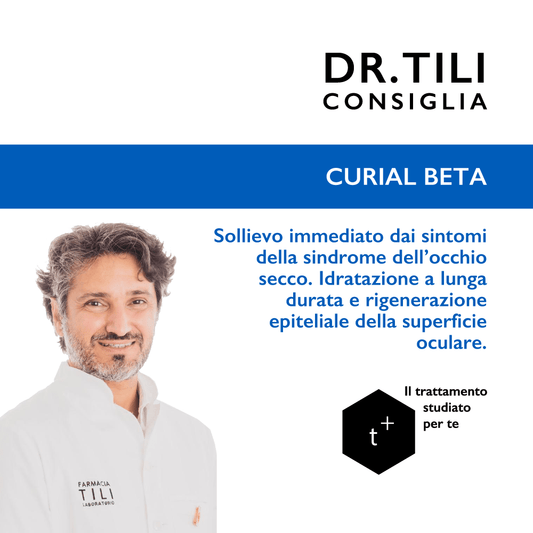
Curial βeta Dry eye supplement 30 capsules Dr.Tili
Vendor:TilpharmaRegular price €22,50Regular priceUnit price per€22,50Sale price €22,50 -
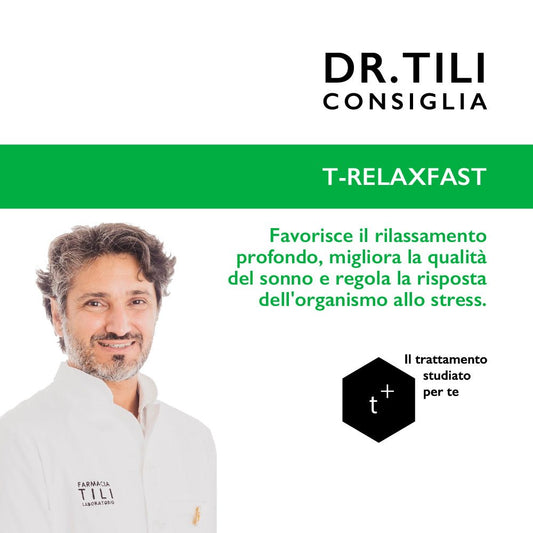
T - Relaxfast Sleep Supplement 60 Capsules Dr.Tili
Vendor:TilpharmaRegular price €24,50Regular priceUnit price per€24,50Sale price €24,50 -
Face Serum C5 Vitamin C 30ml Dr.Tili Skinlab
Vendor:TilabRegular price €62,50Regular priceUnit price per€62,50Sale price €62,50 -
Dr.Tili Skinlab E15 Vitamin E Face Serum 30ml
Vendor:TilabRegular price €32,50Regular priceUnit price per€32,50Sale price €32,50 -
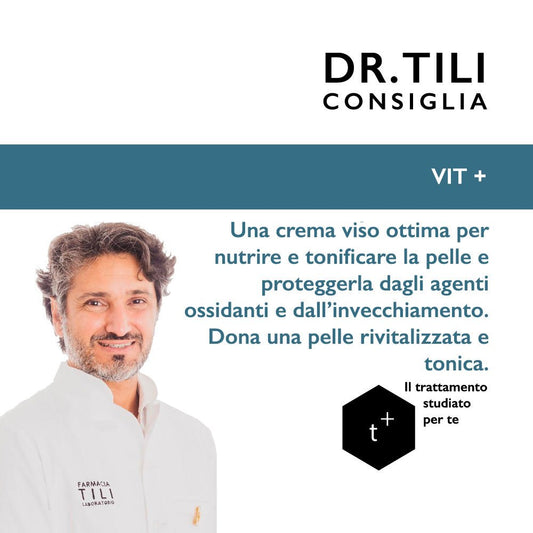
Vit+ Face Vitamin Cream 50ml Dr.Tili Skinlab
Vendor:TilabRegular price €34,00Regular priceUnit price per€34,00Sale price €34,00 -
Anti-aging Facial Treatment Hyaluronic Acid IAL B3 30ml Dr.Tili Skinlab
Vendor:TilabRegular price €46,00Regular priceUnit price per€46,00Sale price €46,00 -
Body Milk Hydra Milk 200Ml. Dr.Tili Skinlab
Vendor:TilabRegular price €16,90Regular priceUnit price per€16,90Sale price €16,90 -
Facial Cleansing Milk 150ml Dr.Tili Skinlab
Vendor:TilabRegular price €18,90Regular priceUnit price per€18,90Sale price €18,90 -
Soothing Facial Toner 125ml Dr.Tili Skinlab
Vendor:TilabRegular price €14,50Regular priceUnit price per€14,50Sale price €14,50 -
Soothing Face Cream 50ml Dr.Tili Skinlab
Vendor:TilabRegular price €19,50Regular priceUnit price per€19,50Sale price €19,50










-

ASSISTANCE - TELEPHONE ORDERS
-

SHIPPING
Shipping to Italy 24/48H
Delivery also on Saturday and Sunday
Free over €49.90
Shipping to Europe 24/72H
Free over €80 -

SAFETY
The security of your data is important to us!
We strictly comply with the European GDPR regarding
Privacy and processing of personal data
The payments you make on our site are 100% safe and guaranteed -

RETURNS
Fast returns via DIY portal and 14 days to change your mind.
Immediate and free replacements for incorrect or non-compliant products delivered.


