

Perrigo
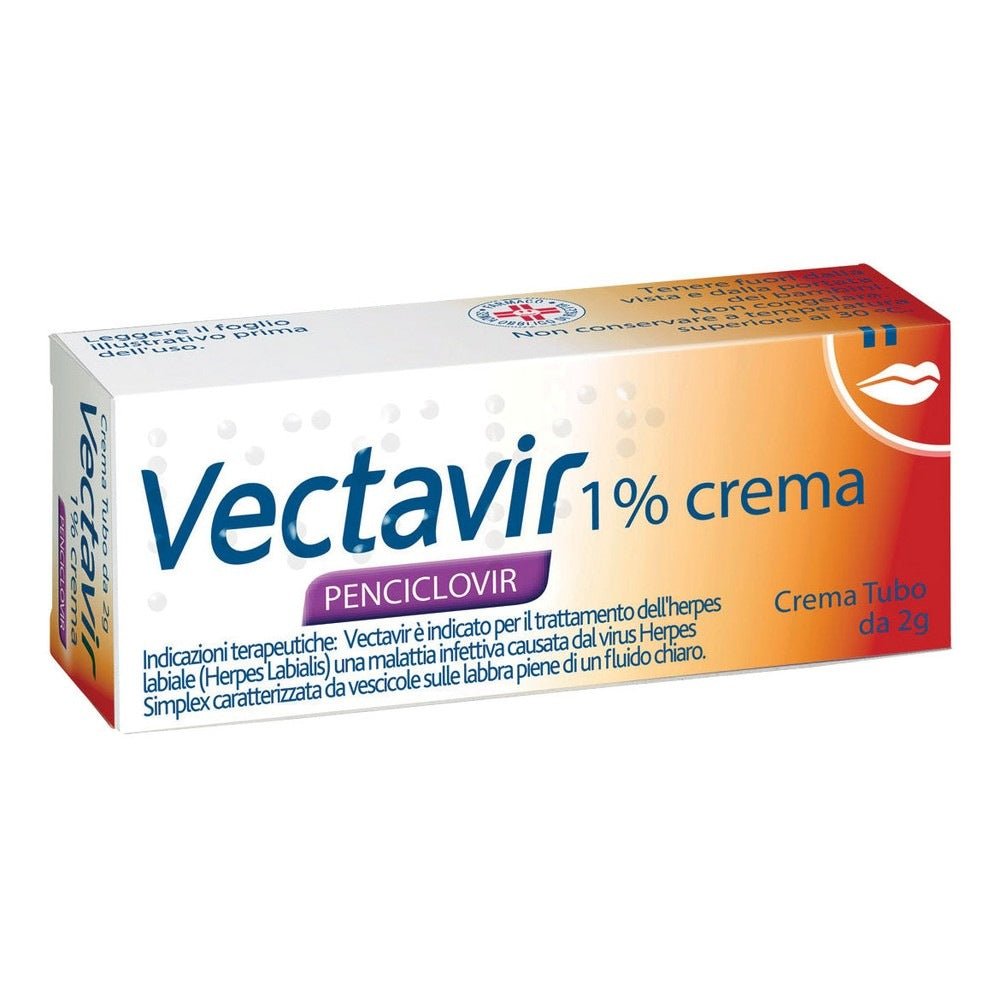
Vectavir 1% cream 2g
Vectavir 1% cream 2g
Vectavir 1% cream 2g is a topical antiviral treatment for cold sores . Thanks to penciclovir , it helps reduce pain, burning , and the duration of lesions when applied at the first symptoms. The cream, suitable for adults and children over 12, is used several times a day directly on the lips for rapid and targeted action against the virus.
Couldn't load pickup availability

NET WEIGHT OF THE PRODUCT
NET WEIGHT OF THE PRODUCT
2g
EAN
EAN
032155018
MINSAN
MINSAN
032155018
INDICATIONS
Vectavir is indicated for the treatment of herpes labialis.
ACTIVE INGREDIENTS
Each gram of cream contains 10 mg of penciclovir. Excipients with known effects: 77.2 mg of cetostearyl alcohol, 416.8 mg of propylene glycol. For the full list of excipients, see section 6.1.
EXCIPIENTS
Solid paraffin, Liquid paraffin, Cetostearyl alcohol, Propylene glycol, Cetomacrogol 1000, Purified water.
CONTRAINDICATIONS AND SIDE EFFECTS
Hypersensitivity to the active substance penciclovir, to famciclovir or to any of the excipients listed in section 6.1. Children under the age of 12.
DOSAGE
Adults (including the elderly) and children over 12 years of age: VECTAVIR should be applied at intervals of approximately 2 hours throughout the day. Treatment, to be continued for 4 days, should be started as soon as possible, at the first sign of infection. However, even in patients who start therapy later, VECTAVIR has proven effective in accelerating the healing of lesions, reducing the pain associated with them and shortening the time for viral spread. Application instructions: VECTAVIR must be applied, in an amount suitable for the size of the area to be treated, with a clean finger or with a disposable applicator which must be discarded after use [for packages containing applicators]. Pediatric population . Children (under 12 years of age): Vectavir is not recommended for use in children under 12 years of age due to a lack of data on safety and/or efficacy.
CONSERVATION
Do not store above 30°C. Do not freeze.
WARNINGS
The cream should only be applied to lesions on the lips and around the mouth. Application to mucous membranes (e.g. in the eyes, mouth or nose or on the genitals) is not recommended. Particular care should be taken to avoid application in or near the eyes. Severely immunocompromised patients (e.g. patients with AIDS or bone marrow transplant recipients) should be encouraged to consult a physician if oral therapy is indicated. Vectavir contains cetostearyl alcohol: it may cause local skin reactions (e.g. contact dermatitis). Vectavir contains 416 mg of propylene glycol in each gram of cream: may cause skin irritation.
INTERACTIONS
Experience in clinical trials has not identified interactions resulting from the concomitant administration of drugs for topical or systemic use and Vectavir cream.
SIDE EFFECTS
Vectavir cream was well tolerated during studies in humans. Experience from clinical trials has shown that there is no difference in the frequency or type of adverse reactions between Vectavir cream and placebo. The most common events are adverse events in the application area. Adverse reactions are listed below by system organ class, class and frequency. The frequencies are defined as follows: very common (>1/10); common (>1/100 to <1/10); uncommon (>1/1,000 to <1/100); rare (>1/10,000 to <1/1,000); very rare (<1/10.000), not known (frequency cannot be estimated from the available data). Within each frequency class, undesirable effects are presented in order of decreasing seriousness.
Systemic pathologies and conditions relating to the administration site.
Common: Application site reactions (including skin burning sensation, skin pain, hypoesthesia).
Post-marketing surveillance highlighted the following adverse events (all reactions were either localized or general). It is difficult to define a frequency for post-marketing adverse events and therefore events are listed with an unknown frequency.
Immune system disorders: Hypersensitivity, urticaria.
Skin and subcutaneous tissue disorders: Allergic dermatitis (including rash, pruritus, blisters and edema).
Reporting of suspected adverse reactions. Reporting suspected adverse reactions that occur after authorization of the medicine is important, as it allows continuous monitoring of the benefit/risk balance of the medicine. Healthcare professionals are asked to report any suspected adverse reactions via the national reporting system at: http://www.agenziafarmaco.gov.it/content/come-segnalare-una-sospetti-reazione-avversa.
OVERDOSE
Even after oral ingestion of the entire contents of a pack of VECTAVIR cream, no side effects should occur; penciclovir is poorly absorbed after oral administration. However, irritation of the oral cavity may occur. In case of accidental ingestion, no specific treatment is necessary.
PREGNANCY AND BREASTFEEDING
Pregnancy: When the cream is used in pregnant women, there is unlikely to be any cause for concern about adverse effects as systemic absorption of penciclovir following topical application of Vectavir cream was found to be minimal (see section 5.2). As the safety of penciclovir in pregnant women has not been established, Vectavir cream should be used, on the advice of a doctor, during pregnancy or by mothers who are breastfeeding, only if the potential benefits outweigh the potential risks associated with treatment. Breastfeeding: When the cream is used in women who are breastfeeding, there is unlikely to be any cause for concern about adverse effects as systemic absorption of penciclovir following topical application of Vectavir cream has been found to be minimal (see section 5.2). There is no information on the excretion of penciclovir in human milk.
EFFECTS ON DRIVING ABILITY
Vectavir does not affect the ability to drive or use machines.
OUR PRODUCTS FOR THIS SEASON
-
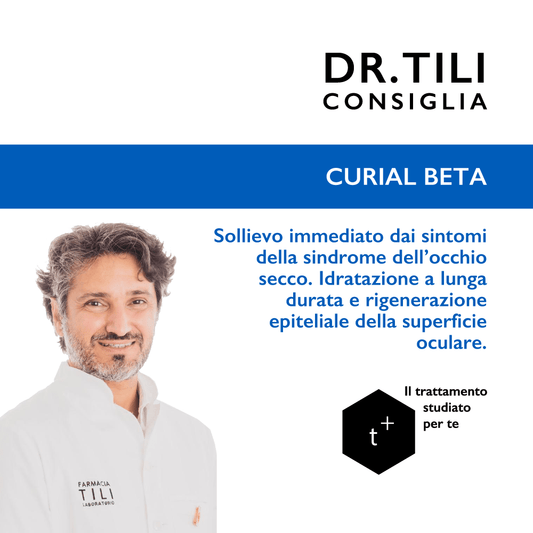
Curial βeta Dry eye supplement 30 capsules Dr.Tili
Vendor:TilpharmaRegular price €22,50Regular priceUnit price per€22,50Sale price €22,50 -
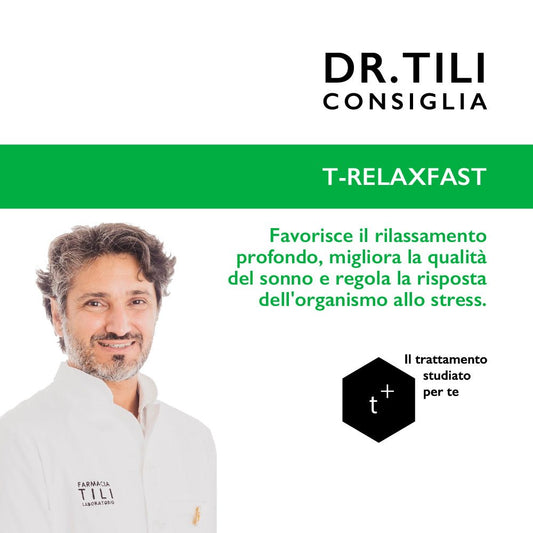
T - Relaxfast Sleep Supplement 60 Capsules Dr.Tili
Vendor:TilpharmaRegular price €24,50Regular priceUnit price per€24,50Sale price €24,50 -
Face Serum C5 Vitamin C 30ml Dr.Tili Skinlab
Vendor:TilabRegular price €62,50Regular priceUnit price per€62,50Sale price €62,50 -
Dr.Tili Skinlab E15 Vitamin E Face Serum 30ml
Vendor:TilabRegular price €32,50Regular priceUnit price per€32,50Sale price €32,50 -
Vit+ Face Vitamin Cream 50ml Dr.Tili Skinlab
Vendor:TilabRegular price €34,00Regular priceUnit price per€34,00Sale price €34,00 -
Anti-aging Facial Treatment Hyaluronic Acid IAL B3 30ml Dr.Tili Skinlab
Vendor:TilabRegular price €46,00Regular priceUnit price per€46,00Sale price €46,00 -
Body Milk Hydra Milk 200Ml. Dr.Tili Skinlab
Vendor:TilabRegular price €16,90Regular priceUnit price per€16,90Sale price €16,90 -
Facial Cleansing Milk 150ml Dr.Tili Skinlab
Vendor:TilabRegular price €18,90Regular priceUnit price per€18,90Sale price €18,90 -
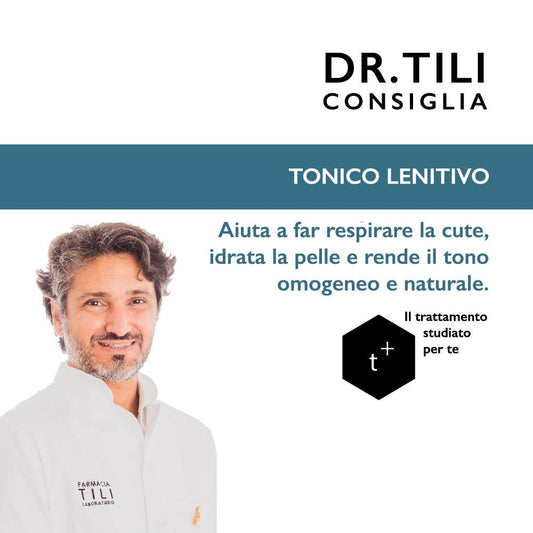
Soothing Facial Toner 125ml Dr.Tili Skinlab
Vendor:TilabRegular price €14,50Regular priceUnit price per€14,50Sale price €14,50 -
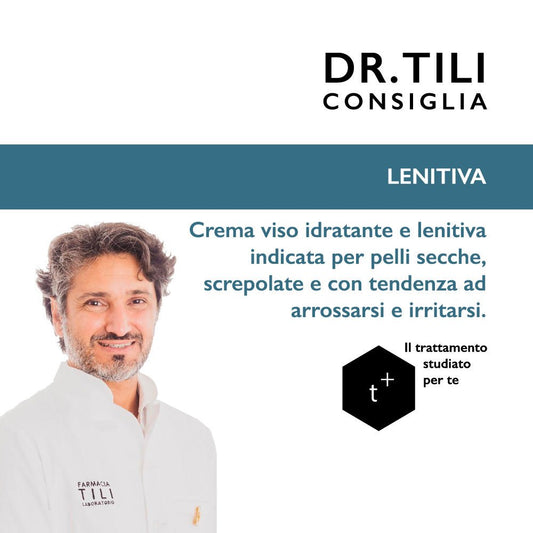
Soothing Face Cream 50ml Dr.Tili Skinlab
Vendor:TilabRegular price €19,50Regular priceUnit price per€19,50Sale price €19,50









-

ASSISTANCE - TELEPHONE ORDERS
-

SHIPPING
Shipping to Italy 24/48H
Delivery also on Saturday and Sunday
Free over €49.90
Shipping to Europe 24/72H
Free over €80 -

SAFETY
The security of your data is important to us!
We strictly comply with the European GDPR regarding
Privacy and processing of personal data
The payments you make on our site are 100% safe and guaranteed -

RETURNS
Fast returns via DIY portal and 14 days to change your mind.
Immediate and free replacements for incorrect or non-compliant products delivered.


