

Giuliani
Trosyd 28% cutaneous solution for nail use 12ml
Trosyd 28% cutaneous solution for nail use 12ml
Trosyd 28% Cutaneous solution for nail use: onychomycosis caused by dermatophytes and yeasts. Due to the concomitant antibacterial activity, it is particularly indicated in mixed nail infections.
Couldn't load pickup availability

NET WEIGHT OF THE PRODUCT
NET WEIGHT OF THE PRODUCT
12ml
EAN
EAN
025647114
MINSAN
MINSAN
025647114

INDICATIONS
TROSYD 1% Cream - 1% Skin powder - 1% Skin emulsion Dermatomycosis caused by dermatophytes, yeasts and other fungi sensitive to tioconazole. Skin infections caused by drug-sensitive Gram-positive bacteria. Due to the concomitant antifungal and antibacterial activity, it is particularly indicated in mixed skin infections. TROSYD 28% Cutaneous solution for nail use Onychomycosis caused by dermatophytes and yeasts. Due to the concomitant antibacterial activity, it is particularly indicated in mixed nail infections. TROSYD 1% Cutaneous solution Topical antifungal treatment of skin infections caused by fungi (dermatophytes and yeasts), even if associated with superinfections by Gram-positive bacteria sensitive to the medicine, as an adjunct to therapy with other specific topical preparations. The cutaneous solution allows greater ease of application in more extensive dermatomycosis and provides a medicated cleansing of glabrous or hairy skin. Furthermore, by allowing the treatment of a large skin surface, it makes it possible to eliminate the pathogen not only where morphological skin changes are detectable but also where the skin is apparently healthy.
ACTIVE INGREDIENTS
TROSYD 1% Cream 1 g of cream contains: Active ingredient: Tioconazole 10 mg Excipients with known effects: cetostearyl alcohol and benzyl alcohol. For the full list of excipients, see section 6.1. TROSYD 1% Cutaneous powder 100 g of powder contains: Active ingredient: Tioconazole 1 g TROSYD 1% Skin emulsion 100 g of emulsion contain: Active ingredient: Tioconazole 1 g Excipients with known effects: propylene glycol and benzyl alcohol. For the full list of excipients, see section 6.1. TROSYD 28% Cutaneous solution for nail use 100 g of solution contains: Active ingredient: Tioconazole 28 g TROSYD 1% Cutaneous solution Each 10 g sachet of solution contains: Active ingredient: Tioconazole 0.10 g For the full list of excipients, see section 6.1.
EXCIPIENTS
Trosyd 1% Cream: polysorbate 60, sorbitan monostearate, cetostearyl alcohol, 2-octyldodecanol, cetyl ester wax, benzyl alcohol, purified water. Trosyd 1% Skin Powder: talc, magnesium myristate, kaolin, precipitated silica. Trosyd 1% Skin emulsion: emulsifying wax, cetyl alcohol, cetyl stearyl alcohol, coconut oil, glyceryl stearate and palmitate, propylene glycol (E1520), benzyl alcohol, purified water. Trosyd 28% Cutaneous solution for nail use: undecylenic acid, ethyl acetate. Trosyd 1% Cutaneous solution: monoethanolamine lauryl sulfate, lecithin amide, polyglycoleum, undebenzophene, lactic acid, soothing lipoessential, purified water.
CONTRAINDICATIONS AND SIDE EFFECTS
Hypersensitivity to the active substance or to any of the other components of this medicinal product listed in section 6.1. Trosyd 28% Cutaneous solution for nail use is contraindicated in pregnancy (see section 4.6).
DOSAGE
Dosage TROSYD 1% Cream - 1% Powder - 1% Skin emulsion The medicine should be applied by means of a light massage twice a day, morning and evening, on the affected skin and on the immediately surrounding skin. The duration of treatment required to achieve healing varies from patient to patient and in relation to the infecting agent and the site of infection. A 7-day treatment is usually sufficient to achieve healing in most patients with Pityriasis versicolor, while up to 6 weeks of treatment may be necessary in case of severe forms of Tinea pedis (athlete's foot), especially regarding the chronic hyperkeratotic clinical variety. The duration of treatment required for dermatophytic infections in other locations (body, skin folds) for Candidiasis and Erythrasma is usually between 2 and 4 weeks. The cream is indicated for the localized treatment of skin surfaces affected by mycosis, preferably hairless (hairless). The powder is indicated for the treatment of athlete's foot, in which it is recommended to sprinkle the powder on the skin affected by the mycosis and on the surrounding surfaces in contact with the foot, as a prophylactic also inside socks and shoes. The emulsion is indicated for the treatment of skin surfaces affected by mycosis even covered by hair. Trosyd 28% Cutaneous solution for nail use The medicine should be applied to the infected nail and the periungual region twice a day, morning and evening, using the appropriate brush. The duration of treatment required to achieve healing varies from patient to patient, and is related to the infecting agent and the extent of the lesion. Typically, therapy can last on average up to 6 months, but can be extended up to a year. Trosyd 1% Cutaneous solution The medicine should be applied once a day. The use of TROSYD 1% cutaneous solution must be carried out together with concomitant specific topical antifungal treatment, applied after use of the solution. The duration of treatment required to achieve recovery varies depending on the infecting agent and the site of infection and is usually between two and four weeks. In the opinion of the doctor, treatment with the cutaneous solution can be continued even after the end of other specific topical therapies in order to reduce the risk of relapses. Pediatric population There are no data relating to the safety and efficacy of TROSYD in children and adolescents. Method of administration Trosyd 1% Cream - 1% Powder - 1% Skin emulsion - In areas of intertrigo TROSYD 1% Cream it should be applied in small quantities and well spread, to avoid maceration phenomena. - TROSYD 1% Cutaneous powder It comes in a container with which it can be directly applied in an even layer. - TROSYD 1% Skin emulsion it should be applied with the fingertips and a cotton pad. Trosyd 28% Cutaneous solution for nail use The solvent contained in Trosyd dries in 5 minutes leaving a thin transparent and oily film. Even if this film is accidentally removed this does not decrease the activity of the drug, and therefore it is not necessary to apply it again. It is advisable not to use an occlusive dressing. Trosyd 1% Cutaneous solution It should be applied like a liquid detergent, and must be rinsed with water waiting a few minutes. Use the quantity of solution necessary in relation to the skin surface to be treated, because upon contact with the skin it forms a foamy solution.
CONSERVATION
This medicinal product does not require any special storage conditions.
WARNINGS
The application of topical medicines, especially if prolonged, can give rise to sensitization phenomena. Important information on some excipients: TROSYD 1% Cream and 1% Skin Emulsion contain cetostearyl alcohol which can cause local skin reactions (e.g. contact dermatitis). TROSYD 1% Skin emulsion contains 175 mg propylene glycol in 2.5 g of emulsion equivalent to 70 mg/g. Propylene glycol may cause skin irritation. TROSYD 1% Cream and 1% Emulsion each contain 25 mg benzyl alcohol in 2.5 g of product equivalent to 10 mg/g. Benzyl alcohol may cause allergic reactions and may cause mild local irritation.
INTERACTIONS
No interactions or incompatibilities with other medicines are known so far.
SIDE EFFECTS
In very rare cases, mild and transient local irritation has been observed. However, in the presence of hypersensitivity reactions, treatment should be discontinued and appropriate therapy instituted. Reporting of suspected adverse reactions Reporting suspected adverse reactions that occur after authorization of the medicinal product is important, as it allows continuous monitoring of the benefit/risk balance of the medicinal product. Healthcare professionals are asked to report any suspected adverse reactions via the national reporting system at https://www.aifa.gov.it/content/segnalazioni-reazioni-avverse
OVERDOSE
No cases of overdose have been reported so far.
PREGNANCY AND BREASTFEEDING
There are no adequate and well-controlled studies on the use of the medicine during pregnancy or breastfeeding. Therefore the medicine must be used only if necessary, under the direct supervision of the doctor, after having evaluated the expected benefit for the mother in relation to the possible risk for the fetus or infant. Trosyd 28% cutaneous solution for nail use: although systemic absorption after topical administration is negligible, however, since the treatment of onychomycosis can last for many months, the use of Trosyd cutaneous solution for nail use during pregnancy is contraindicated.
EFFECTS ON DRIVING ABILITY
TROSYD has no or negligible influence on the ability to drive or use machinery.
OUR PRODUCTS FOR THIS SEASON
-
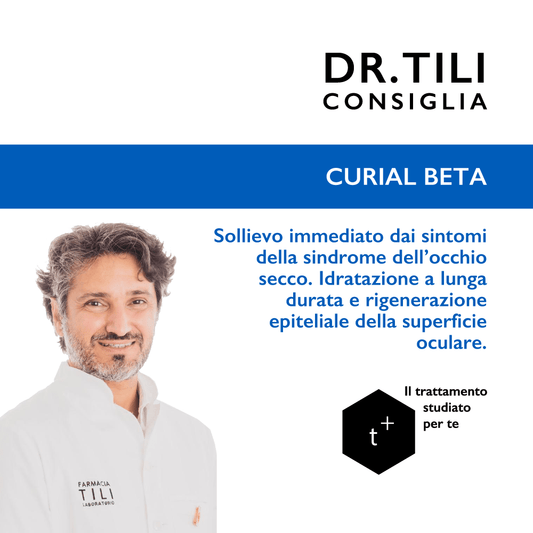
Curial βeta Dry eye supplement 30 capsules Dr.Tili
Vendor:TilpharmaRegular price €22,50Regular priceUnit price per€22,50Sale price €22,50 -
T - Relaxfast Sleep Supplement 60 Capsules Dr.Tili
Vendor:TilpharmaRegular price €24,50Regular priceUnit price per€24,50Sale price €24,50 -
Face Serum C5 Vitamin C 30ml Dr.Tili Skinlab
Vendor:TilabRegular price €62,50Regular priceUnit price per€62,50Sale price €62,50 -
Dr.Tili Skinlab E15 Vitamin E Face Serum 30ml
Vendor:TilabRegular price €32,50Regular priceUnit price per€32,50Sale price €32,50 -
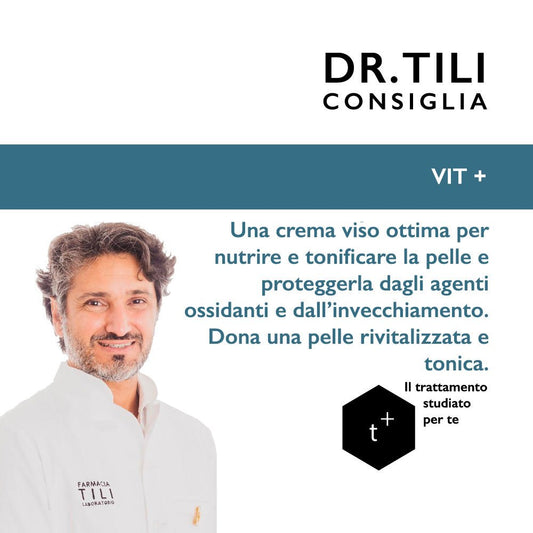
Vit+ Face Vitamin Cream 50ml Dr.Tili Skinlab
Vendor:TilabRegular price €34,00Regular priceUnit price per€34,00Sale price €34,00 -
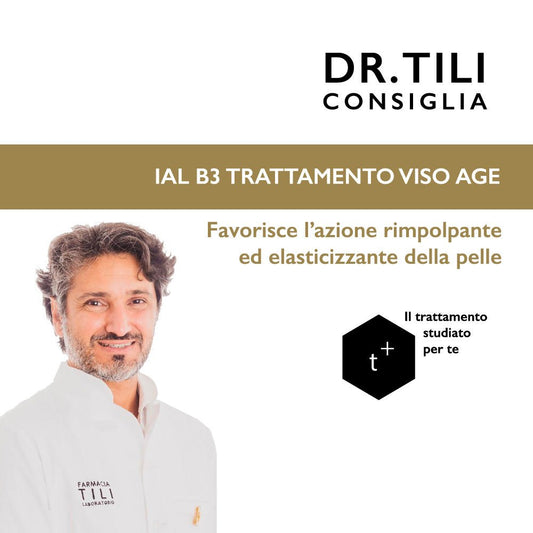
Anti-aging Facial Treatment Hyaluronic Acid IAL B3 30ml Dr.Tili Skinlab
Vendor:TilabRegular price €46,00Regular priceUnit price per€46,00Sale price €46,00 -
Body Milk Hydra Milk 200Ml. Dr.Tili Skinlab
Vendor:TilabRegular price €16,90Regular priceUnit price per€16,90Sale price €16,90 -
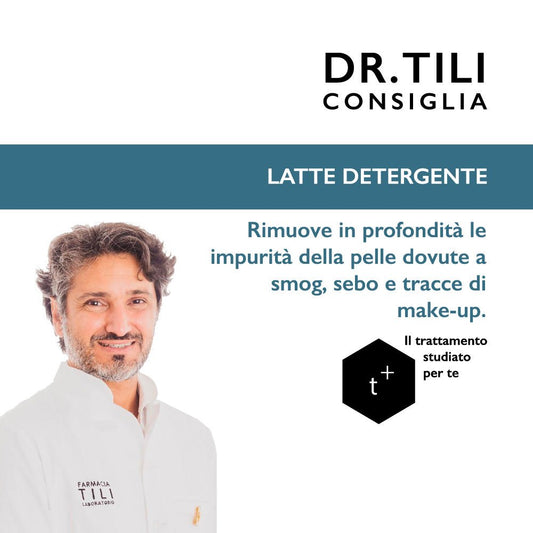
Facial Cleansing Milk 150ml Dr.Tili Skinlab
Vendor:TilabRegular price €18,90Regular priceUnit price per€18,90Sale price €18,90 -
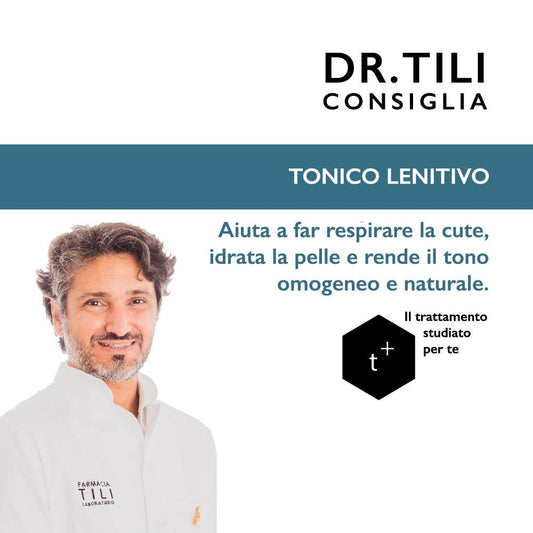
Soothing Facial Toner 125ml Dr.Tili Skinlab
Vendor:TilabRegular price €14,50Regular priceUnit price per€14,50Sale price €14,50 -
Soothing Face Cream 50ml Dr.Tili Skinlab
Vendor:TilabRegular price €19,50Regular priceUnit price per€19,50Sale price €19,50












-

ASSISTANCE - TELEPHONE ORDERS
-

SHIPPING
Shipping to Italy 24/48H
Delivery also on Saturday and Sunday
Free over €49.90
Shipping to Europe 24/72H
Free over €80 -

SAFETY
The security of your data is important to us!
We strictly comply with the European GDPR regarding
Privacy and processing of personal data
The payments you make on our site are 100% safe and guaranteed -

RETURNS
Fast returns via DIY portal and 14 days to change your mind.
Immediate and free replacements for incorrect or non-compliant products delivered.


