

Angelini
Tachipirina Painkiller 500 mg 20 Tablets
Tachipirina Painkiller 500 mg 20 Tablets
Tachipirina Antidolorifico 500 mg tablets is a paracetamol- based medication indicated for the treatment of fever and moderate pain . It is useful for flu , colds , headaches , neuralgia , and myalgia . Also suitable for children depending on weight and dosage. Read the package leaflet and do not exceed the recommended dose.
Couldn't load pickup availability

NET WEIGHT OF THE PRODUCT
NET WEIGHT OF THE PRODUCT
10g
EAN
EAN
012745093
MINSAN
MINSAN
012745093
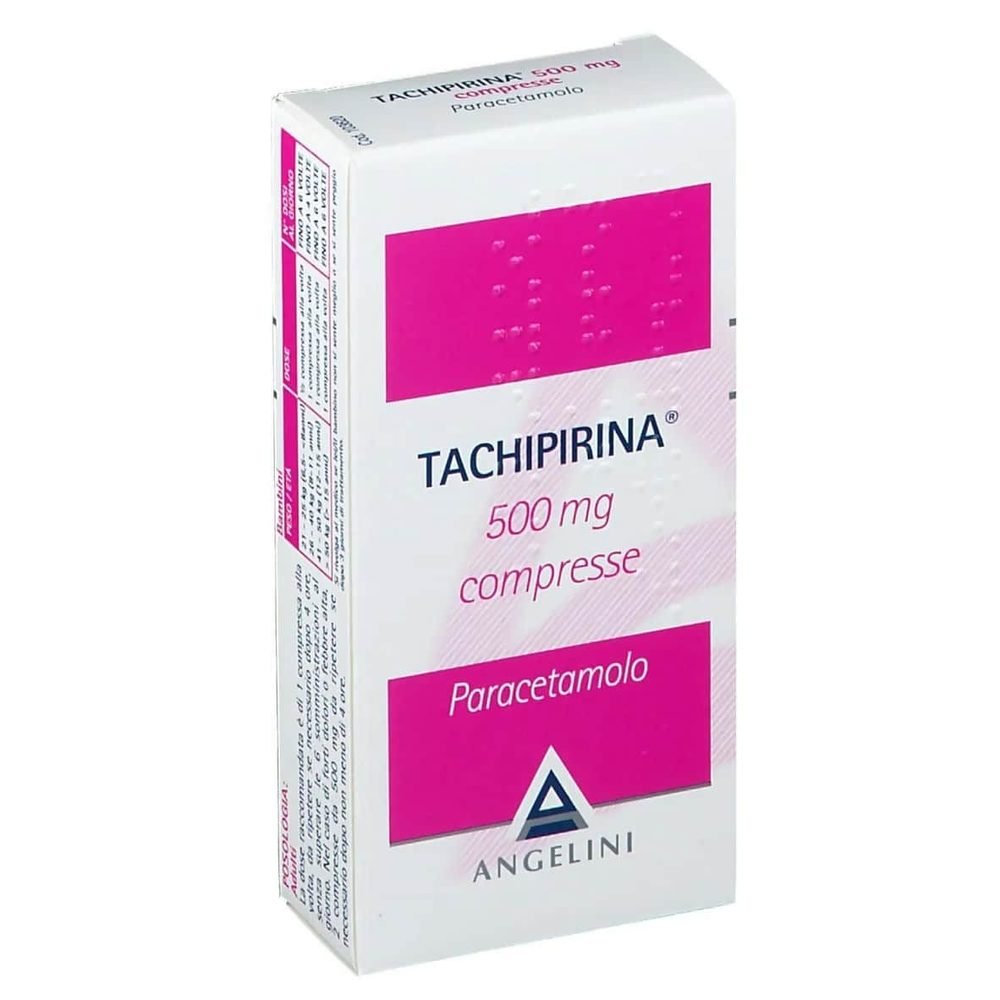
Tachipirina 500 mg is an over-the-counter drug based on paracetamol with pain-relieving, antipyretic and anti-inflammatory action. Tachipirina 20 Tablets is an antipyretic indicated in the symptomatic treatment of febrile conditions such as influenza, exanthematous diseases, acute respiratory tract diseasesor.
Paracetamol is an antipyretic suitable for treating fever in children, lower your temperature and monitor flu symptoms.
Paracetamol is a painkiller and analgesic useful in case of headaches, neuralgia, myalgia and other painful manifestations of medium severity and of various origins.
INDICATIONS
Why is Tachipirina Painkiller 500 mg 20 Tablets used? What is it for?
As an antipyretic: symptomatic treatment of febrile diseases such as influenza, exanthematous diseases, acute respiratory tract diseases, etc. As an analgesic: headaches, neuralgia, myalgia and other medium-level painful manifestations of various origins.
ACTIVE INGREDIENTS AND EXCIPIENTS
What is the composition of Tachipirina Painkiller 500 mg 20 Tablets?
Composition
Tachipirina 500 mg tablets. Each tablet contains: active ingredient: paracetamol 500 mg. Tachipirina 500 mg effervescent granules. Each sachet contains: active ingredient: paracetamol 500 mg. excipients with known effects: aspartame, maltitol, 12.3 mmol sodium per sachet Tachipirina 125 mg effervescent granules. Each sachet contains: active ingredient: paracetamol 125 mg. excipients with known effects: aspartame, maltitol, 3.07 mmol sodium per sachet Tachipirina Neonates 62.5 mg suppositories. Each suppository contains. active ingredient: paracetamol 62.5 mg Tachipirina Early Childhood 125 mg suppositories. Each suppository contains: active ingredient: paracetamol 125 mg. Tachipirina Children 250 mg suppositories. Each suppository contains: active ingredient: paracetamol 250 mg. Tachipirina Children 500 mg suppositories. Each suppository contains: active ingredient: paracetamol 500 mg. Tachipirina Adults 1000 mg suppositories. Each suppository contains: active ingredient: paracetamol 1000 mg. For the complete list of excipients, see par. 6.1.
Excipients
• Tablets: microcrystalline cellulose, povidone, pregelatinized starch, stearic acid, croscarmellose sodium. • Effervescent granules: maltitol, mannitol, sodium bicarbonate, anhydrous citric acid, citrus flavouring, aspartame, sodium docusate. • Suppositories: solid semi-synthetic glycerides.
DOSAGE
How to take Tachipirina Painkiller 500 mg 20 Tablets?
For children it is essential to respect the dosage defined according to their body weight, and therefore choose the suitable formulation. Approximate ages based on body weight are indicated for information. In adults, the maximum oral dosage is 3000 mg and rectally 4000 mg of paracetamol per day (see section 4.9). The doctor must evaluate the need for treatments for more than 3 consecutive days. The dosage schedule of Tachipirina in relation to body weight and route of administration is as follows: 500 mg tablets. • Children weighing between 21 and 25 kg (approximately between 6.5 and less than 8 years): ½ tablet at a time, to be repeated if necessary after 4 hours, without exceeding 6 administrations per day (3 tablets). • Children weighing between 26 and 40 kg (approximately between 8 and 11 years): 1 tablet at a time, to be repeated if necessary after 6 hours, without exceeding 4 doses per day. • Children weighing between 41 and 50 kg (approximately between 12 and 15 years): 1 tablet at a time, to be repeated if necessary after 4 hours, without exceeding 6 doses per day. • Children weighing more than 50 kg (approximately over 15 years): 1 tablet at a time, to be repeated if necessary after 4 hours, without exceeding 6 doses per day. • Adults: 1 tablet at a time, to be repeated if necessary after 4 hours, without exceeding 6 doses per day. In case of severe pain or high fever, 2 tablets of 500 mg to be repeated if necessary after no less than 4 hours. 500 mg effervescent granules in sachets. Dissolve the effervescent granules in a glass of water. • Children weighing between 26 and 40 kg (approximately between 8 and 11 years): 1 sachet at a time, to be repeated if necessary after 6 hours, without exceeding 4 doses per day. • Children weighing between 41 and 50 kg (approximately between 12 and 15 years): 1 sachet at a time, to be repeated if necessary after 4 hours, without exceeding 6 doses per day. • Children weighing more than 50 kg (approximately over 15 years): 1 sachet at a time, to be repeated if necessary after 4 hours, without exceeding 6 administrations per day. • Adults: 1 sachet at a time, to be repeated if necessary after 4 hours, without exceeding 6 administrations per day. In case of severe pain or high fever, 2 sachets of 500 mg to be repeated if necessary after no less than 4 hours. 125 mg effervescent granules in sachets. Dissolve the effervescent granules in a glass of water. • Children weighing between 7 and 10 kg (approximately between 6 and 19 months): 1 sachet at a time, to be repeated if necessary after 6 hours, without exceeding 4 doses per day. • Children weighing between 11 and 12 kg (approximately between 20 and 29 months): 1 sachet at a time, to be repeated if necessary after 4 hours, without exceeding 6 doses per day. • Children weighing between 13 and 20 kg (approximately between 30 months and less than 6.5 years): 2 sachets at a time (corresponding to 250 mg of paracetamol), to be repeated if necessary after 6 hours, without exceeding 4 administrations per day. • Children weighing between 21 and 25 kg (approximately between 6.5 and under 8 years): 2 sachets at a time (corresponding to 250 mg of paracetamol), to be repeated if necessary after 4 hours, without exceeding 6 administrations per day. 62.5 mg suppositories for newborns. • Children weighing between 3.2 and 5 kg (approximately between birth and 2 months): 1 suppository at a time, to be repeated if necessary after 6 hours, without exceeding 4 doses per day. Early Childhood Suppositories 125 mg. • Children weighing between 6 and 7 kg (approximately between 3 and 5 months): 1 suppository at a time, to be repeated if necessary after 6 hours, without exceeding 4 doses per day. • Children weighing between 7 and 10 kg (approximately between 6 and 19 months): 1 suppository at a time, to be repeated if necessary after 4 - 6 hours, without exceeding 5 administrations per day. • Children weighing between 11 and 12 kg (approximately between 20 and 29 months): 1 suppository at a time, to be repeated if necessary after 4 hours, without exceeding 6 doses per day. Suppositories Children 250 mg. • Children weighing between 11 and 12 kg (approximately between 20 and 29 months): 1 suppository at a time, to be repeated if necessary after 8 hours, without exceeding 3 doses per day. • Children weighing between 13 and 20 kg (approximately between 30 months and less than 6.5 years): 1 suppository at a time, to be repeated if necessary after 6 hours, without exceeding 4 doses per day. Suppositories Children 500 mg. • Children weighing between 21 and 25 kg (approximately between 6.5 and under 8 years): 1 suppository at a time, to be repeated if necessary after 8 hours, without exceeding 3 doses per day. • Children weighing between 26 and 40 kg (approximately between 8 and 11 years): 1 suppository at a time, to be repeated if necessary after 6 hours, without exceeding 4 doses per day. Suppositories Adults of 1000 mg. • Children weighing between 41 and 50 kg (approximately between 12 and 15 years): 1 suppository at a time, to be repeated if necessary after 8 hours, without exceeding 3 doses per day. • Children weighing more than 50 kg (approximately over 15 years): 1 suppository at a time, to be repeated if necessary after 6 hours, without exceeding 4 administrations per day. • Adults: 1 suppository at a time, to be repeated if necessary after 6 hours, without exceeding 4 doses per day. Renal failure. In case of severe renal insufficiency (creatinine clearance less than 10 ml/min), the interval between administrations must be at least 8 hours.
CONTRAINDICATIONS AND SIDE EFFECTS
When should Tachipirina Painkiller 500 mg 20 Tablets not be used and what side effects can it cause?
Contraindications
• Hypersensitivity to paracetamol or to any of the excipients (see the section "What is the composition of Tachipirina Painkiller 500 mg 20 Tablets?"). • Patients suffering from severe hemolytic anemia (this contraindication does not refer to the 500mg oral formulations). • Severe hepatocellular insufficiency (this contraindication does not refer to the 500mg oral formulations).
Side effects
Below are the side effects of paracetamol organized according to the MedDRA systemic and organic classification. There is insufficient data to establish the frequency of the individual effects listed. Pathologies of the blood and lymphatic system Thrombocytopenia, leukopenia, anemia, agranulocytosis Immune system disorders Hypersensitivity reactions (urticaria, laryngeal edema, angioedema, anaphylactic shock) Nervous system disorders Dizziness Gastrointestinal disorders Gastrointestinal reaction Hepatobiliary disorders Abnormal liver function, hepatitis Pathologies of the skin and subcutaneous tissue Erythema multiforme, Stevens Johnson Syndrome, Epidermal necrolysis, rash Renal and urinary disorders Acute renal failure, interstitial nephritis, haematuria, anuria Very rare cases of serious skin reactions have been reported. Reporting of suspected adverse reactions. Reporting suspected adverse reactions that occur after authorization of the medicine is important, as it allows continuous monitoring of the benefit/risk balance of the medicine. Healthcare professionals are asked to report any suspected adverse reactions via the national reporting system at https://www.aifa.gov.it/content/segnalazioni-reazioni-avverse.
INTERACTIONS
Which medicines or foods can modify the effect of Tachipirina Painkiller 500 mg 20 Tablets?
Oral absorption of paracetamol depends on the speed of gastric emptying. Therefore, concomitant administration of drugs that slow (e.g. anticholinergics, opioids) or increase (e.g. prokinetics) the rate of gastric emptying may result in a decrease or increase in the bioavailability of the product, respectively. Concomitant administration of cholestyramine reduces the absorption of paracetamol. The simultaneous intake of paracetamol and chloramphenicol can induce an increase in the half-life of chloramphenicol, with the risk of increasing its toxicity. The concomitant use of paracetamol (4 g per day for at least 4 days) with oral anticoagulants can induce slight variations in INR values. In these cases, more frequent monitoring of INR values should be conducted during concomitant use and after its discontinuation. Use with extreme caution and under strict control during chronic treatment with drugs that can cause the induction of hepatic monooxygenases or in case of exposure to substances that can have this effect (for example rifampicin, cimetidine, antiepileptics such as glutetimide, phenobarbital, carbamazepine). The same applies in cases of alcoholism and in patients treated with zidovudine. The administration of paracetamol can interfere with the determination of uric acid (using the phosphotungstic acid method) and with that of blood sugar (using the glucose-oxidase-peroxidase method).
PREGNANCY AND BREASTFEEDING
Can Tachipirina Painkiller 500 mg 20 Tablets be used during pregnancy and breastfeeding?
Pregnancy: A large amount of data on pregnant women indicates neither malformation nor fetal/neonatal toxicity. Epidemiological studies on neurodevelopment in children exposed to paracetamol in utero show inconclusive results. If clinically necessary, paracetamol can be used during pregnancy, however it should be used at the lowest effective dose for the shortest possible time and with the lowest possible frequency. Breastfeeding: It is recommended to administer the product only in cases of actual need and under the direct supervision of a doctor.
WARNINGS
What are the warnings of Tachipirina Painkiller 500 mg 20 Tablets?
Warnings and precautions
In rare cases of allergic reactions, administration must be suspended and appropriate treatment instituted. Use with caution in cases of chronic alcoholism, excessive alcohol intake (3 or more alcoholic drinks per day), anorexia, bulimia or cachexia, chronic malnutrition (low hepatic glutathione reserves), dehydration, hypovolemia. Paracetamol should be administered with caution to patients with mild to moderate hepatocellular insufficiency (including Gilbert's syndrome), severe hepatic insufficiency (Child-Pugh>9), acute hepatitis, in concomitant treatment with drugs that alter liver function, glucose-6-phosphate dehydrogenase deficiency, hemolytic anemia. High or prolonged doses of the product can cause even serious alterations to the kidney and blood, therefore administration to subjects with renal insufficiency must be carried out only if actually necessary and under direct medical supervision. In case of prolonged use it is advisable to monitor liver and kidney function and blood count. During treatment with paracetamol, before taking any other medicine, check that it does not contain the same active ingredient, since if paracetamol is taken in high doses, serious adverse reactions may occur. Invite the patient to contact the doctor before combining any other drug. See also par. 4.5. Important information about some excipients. Tachipirina 125 mg effervescent granules contains: - aspartame, is a source of phenylalanine. It can be harmful in case of phenylketonuria (deficiency of the enzyme phenylalanine hydroxylase) due to the risk linked to the accumulation of the amino acid phenylalanine. - maltitol: use with caution in patients suffering from rare hereditary problems of fructose intolerance. 70.6 mg of sodium per sachet equivalent to 3.53% of the maximum daily intake recommended by WHO which corresponds to 2 g of sodium for an adult: to be taken into consideration in people with reduced kidney function or who follow a low-sodium diet. Tachipirina 500 mg effervescent granules contains: - aspartame, is a source of phenylalanine. It can be harmful in case of phenylketonuria (deficiency of the enzyme phenylalanine hydroxylase) due to the risk linked to the accumulation of the amino acid phenylalanine. - maltitol: use with caution in patients suffering from rare hereditary problems of fructose intolerance. - 283 mg of sodium per sachet equivalent to 14.1% of the WHO recommended maximum daily intake which corresponds to 2 g of sodium for an adult. The maximum dose for this product is equivalent to 84.6% of the maximum daily sodium intake recommended by the WHO: to be taken into consideration in people with reduced kidney function or who follow a low-sodium diet.
Overdose
There is a risk of intoxication, especially in patients with liver disease, in cases of chronic alcoholism, in patients suffering from chronic malnutrition, and in patients receiving enzyme inducers. In these cases, overdose can be fatal. Symptoms In case of accidental intake of very high doses of paracetamol, acute intoxication manifests itself with anorexia, nausea and vomiting followed by a profound deterioration of the general conditions; these symptoms typically appear within the first 24 hours. In case of overdose, paracetamol can cause hepatic cytolysis which can progress to massive and irreversible necrosis, resulting in hepatocellular failure, metabolic acidosis and encephalopathy, which can lead to coma and death. Simultaneously, an increase in the levels of hepatic transaminases, lactic dehydrogenase, and bilirubin are observed, and a reduction in prothrombin levels, which can occur in the 12-48 hours following ingestion. Treatment The measures to be adopted consist of early gastric emptying and hospitalization for the appropriate treatment, through administration, as early as possible, of N-acetylcysteine as an antidote: the dosage is 150 mg/kg i.v. in glucose solution in 15 minutes, then 50 mg/kg in the following 4 hours and 100 mg/kg in the following 16 hours, for a total of 300 mg/kg in 20 hours.
Driving vehicles and using machinery
Tachipirina does not alter the ability to drive or use machines.
CONSERVATION
How is Tachipirina Painkiller 500 mg 20 Tablets stored?
Tablets and effervescent granules: no special precautions for storage. Suppositories: store at a temperature not exceeding 25°C.
FORMAT
What is the format of Tachipirina Painkiller 500 mg 20 Tablets?
20 Tablets
DRUG LEGAL TEXT
Content responsibility
This sheet contains information that is not intended to replace a doctor's diagnosis or advice, as only the doctor can draw up any prescription and give therapeutic indications. All contents must be understood and are of an exclusively informative nature and aimed exclusively at bringing to the attention of customers or potential customers in the pre-purchase phase of the products sold through this site. In case of pathologies, disorders or allergies it is always best to consult your doctor first.
Please note
The product names, ingredients and percentages indicated in the descriptions are purely indicative and may be subject to changes or updates by the manufacturing companies. Due to the impossibility of adapting to these updates in real time, the photos and technical information of the products included on Dottortili.com may differ from those shown on the label or otherwise disseminated by the manufacturing companies. The only identification element appears to be the ministerial code MINSAN. The online pharmacy Dottortili.com does not guarantee the truthfulness and timeliness of the information published and declines any responsibility for any errors, omissions or failure to update the same. Dottortili.com assumes no responsibility for damages of any nature that may arise from access to the information published.
Data source: Farmadati Italia
Website: www.farmadati.it
The Farmadati Italia database is used by almost all pharmacies, parapharmacies, herbalist shops, health shops, large-scale retail trade, computerized doctors, etc. thanks to the guarantee of historical reliability, seriousness and professionalism of the company on the national territory.
The Farmadati Italia S.r.l management system complies with the requirements of the UNI EN ISO 9001:2015 standards for quality management systems and UNI CEI ISO/IEC 27001:2017 for information security management systems.
OUR PRODUCTS FOR THIS SEASON
-
Curial βeta Dry eye supplement 30 capsules Dr.Tili
Vendor:TilpharmaRegular price €22,50Regular priceUnit price per€22,50Sale price €22,50 -
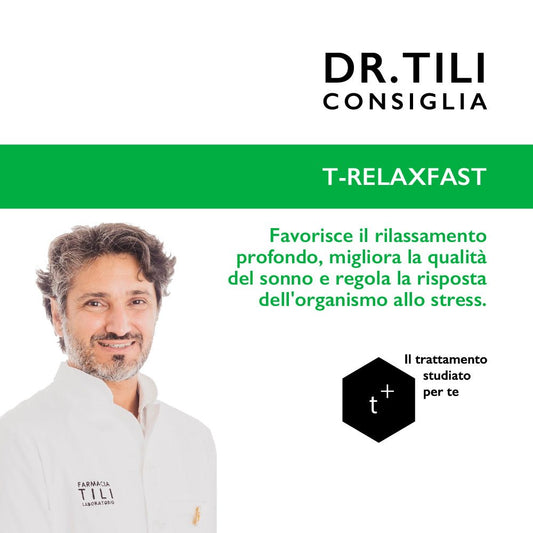
T - Relaxfast Sleep Supplement 60 Capsules Dr.Tili
Vendor:TilpharmaRegular price €24,50Regular priceUnit price per€24,50Sale price €24,50 -
Face Serum C5 Vitamin C 30ml Dr.Tili Skinlab
Vendor:TilabRegular price €62,50Regular priceUnit price per€62,50Sale price €62,50 -
Dr.Tili Skinlab E15 Vitamin E Face Serum 30ml
Vendor:TilabRegular price €32,50Regular priceUnit price per€32,50Sale price €32,50 -
Vit+ Face Vitamin Cream 50ml Dr.Tili Skinlab
Vendor:TilabRegular price €34,00Regular priceUnit price per€34,00Sale price €34,00 -
Anti-aging Facial Treatment Hyaluronic Acid IAL B3 30ml Dr.Tili Skinlab
Vendor:TilabRegular price €46,00Regular priceUnit price per€46,00Sale price €46,00 -
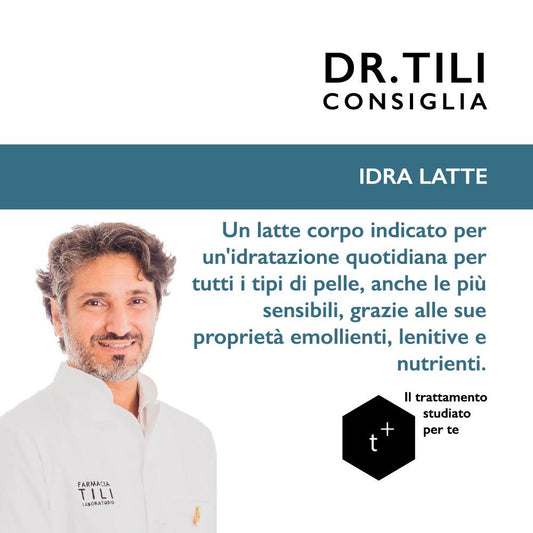
Body Milk Hydra Milk 200Ml. Dr.Tili Skinlab
Vendor:TilabRegular price €16,90Regular priceUnit price per€16,90Sale price €16,90 -
Facial Cleansing Milk 150ml Dr.Tili Skinlab
Vendor:TilabRegular price €18,90Regular priceUnit price per€18,90Sale price €18,90 -
Soothing Facial Toner 125ml Dr.Tili Skinlab
Vendor:TilabRegular price €14,50Regular priceUnit price per€14,50Sale price €14,50 -
Soothing Face Cream 50ml Dr.Tili Skinlab
Vendor:TilabRegular price €19,50Regular priceUnit price per€19,50Sale price €19,50















-

ASSISTANCE - TELEPHONE ORDERS
-

SHIPPING
Shipping to Italy 24/48H
Delivery also on Saturday and Sunday
Free over €49.90
Shipping to Europe 24/72H
Free over €80 -

SAFETY
The security of your data is important to us!
We strictly comply with the European GDPR regarding
Privacy and processing of personal data
The payments you make on our site are 100% safe and guaranteed -

RETURNS
Fast returns via DIY portal and 14 days to change your mind.
Immediate and free replacements for incorrect or non-compliant products delivered.


