

Angelini Acraf
Tachipirina orosoluble 250 mg 10 sachets granules
Tachipirina orosoluble 250 mg 10 sachets granules
Tachipirina orodispersible 250 mg granules in sachets is a paracetamol- based analgesic and antipyretic , indicated for the treatment of fever and mild-to-moderate pain (headache, sore throat, muscle aches and flu-like pain). The water-free orodispersible formulation is ideal for children and adults with difficulty swallowing, ensuring convenience , rapid action and good tolerability .
Couldn't load pickup availability

NET WEIGHT OF THE PRODUCT
NET WEIGHT OF THE PRODUCT
EAN
EAN
040313013
MINSAN
MINSAN
040313013

Tachipirina orosoluble 250 mg 10 sachets granules is an analgesic and antipyretic based on paracetamol , ideal for the symptomatic treatment of fever and mild to moderate pain in adults and children. The formulation in 250 mg orosoluble sachets allows for a practical and fast oral solution , perfect for those seeking rapid relief from symptoms such as headache, sore throat, toothache, muscle pain, menstrual pain and the typical discomforts of a cold .
Thanks to its easy intake without water , Tachipirina orosoluble is particularly suitable for pediatric use and for those who have difficulty swallowing tablets. The granules dissolve directly on the tongue, ensuring rapid assimilation of the active ingredient and timely action against fever and pain. Each sachet contains 250 mg of paracetamol, a dosage designed to offer efficacy and safety in both children and adults, according to the instructions of the doctor or pharmacist.
The 10-sachet pack is convenient to carry with you and allows you to manage the administration of the drug in a simple and precise way. Tachipirina orosolubile 250 mg represents a modern and reliable solution for the control of flu symptoms and pain of various origins, offering convenience, rapid action and tolerability even in the most sensitive subjects.
ACTIVE INGREDIENTS
Active ingredients contained in Tachipirina orosolubile 250 mg 10 sachets granules - What is the active ingredient of Tachipirina orosolubile 250 mg 10 sachets granules?
One sachet contains 250 mg of paracetamol. Excipients with known effect: One sachet contains: sorbitol (E420) 600.575 mg, sucrose 0.1 mg, propylene glycol 1.075 mg and sodium. For the full list of excipients, see section 6.1.EXCIPIENTS
Composition of Tachipirina orosolubile 250 mg 10 sachets granules - What does Tachipirina orosolubile 250 mg 10 sachets granules contain?
Sorbitol Talc Butyl methacrylate basic copolymer Light magnesium oxide Sodium carmellose Sucralose Magnesium stearate (Ph.Eur.) Hypromellose Stearic acid Sodium lauryl sulphate Titanium dioxide (E 171) Simethicone Strawberry flavour (contains maltodextrin, gum arabic (E414), natural and/or nature-identical flavouring substances, propylene glycol (E1520), triacetin (E1518), maltol (E636)) Vanilla flavour (contains maltodextrin, natural and/or nature-identical flavouring substances, propylene glycol (E1520), sucrose)DIRECTIONS
Therapeutic indications Tachipirina orosolubile 250 mg 10 sachets granules - Why is Tachipirina orosolubile 250 mg 10 sachets granules used? What is it used for?
TACHIPIRINA OROSOLUBILE is indicated for the symptomatic treatment of mild to moderate pain and fever.CONTRAINDICATIONS AND SIDE EFFECTS
Contraindications Tachipirina orosolubile 250 mg 10 sachets granules - When should Tachipirina orosolubile 250 mg 10 sachets granules not be used?
Hypersensitivity to the active substance or to any of the excipients listed in section 6.1. Patients with severe hepatic dysfunction (Child-Pugh > 9). • severe renal or hepatic insufficiency (Child-Pugh > 9) • acute hepatitis • concomitant treatment with medicinal products that affect liver function • glucose-6-phosphate dehydrogenase deficiency • haemolytic anaemia • alcohol abuse • severe haemolytic anaemiaDOSAGE
Quantity and method of taking Tachipirina orosolubile 250 mg 10 sachets granules - How do you take Tachipirina orosolubile 250 mg 10 sachets granules?
Doses depend on body weight and age. A single dose ranges from 10 to 15 mg/kg of body weight up to a maximum of 60 - 75 mg/kg for the total daily dose. The time interval between individual doses depends on the symptoms and the maximum daily dose. In any case, it must not be less than 4 hours. TACHIPIRINA OROSOLUBILE must not be used for more than three days without consulting your doctor. 250 mg sachets| Body weight (age) | Single dose [sachet] | Maximum daily dose [sachets] |
| 17 - 25 kg | 250 mg paracetamol (1 sachet) | 1000 mg paracetamol (4 sachets) |
| (4 - 8 years) |
| Glomerular filtration | Dose |
| 10 - 50 ml/min. | 500 mg every 6 hours |
| < 10 ml/min. | 500 mg every 8 hours |
CONSERVATION
Storage Tachipirina orosolubile 250 mg 10 sachets granules - How is Tachipirina orosolubile 250 mg 10 sachets granules stored?
Do not store above 30°C. Store in the original package in order to protect from light and moisture.WARNINGS
Warnings Tachipirina orosolubile 250 mg 10 sachets granules - About Tachipirina orosolubile 250 mg 10 sachets granules it is important to know that:
To avoid the risk of overdose, it is necessary to check that any other drugs taken at the same time do not contain paracetamol. Paracetamol should be administered with particular caution in the following cases: • hepatocellular insufficiency (Child-Pugh < 9) • chronic alcohol abuse • severe renal insufficiency (creatinine clearance < 10 ml/min. [see section 4.2]) • Gilbert's syndrome (familial non-haemolytic jaundice). In the presence of high fever or signs of secondary infection or if the symptoms persist for more than 3 days, a doctor should be consulted. In general, medicines containing paracetamol can only be taken for a few days and at low doses without consulting a doctor or dentist. In case of prolonged incorrect use of analgesics at high doses, headaches may occur which should not be treated with higher doses of the drug. In general, the habitual intake of analgesics, especially a combination of several analgesic substances, can cause permanent kidney damage with risk of renal failure (analgesic nephropathy). Prolonged or frequent use is not recommended. Patients should be warned not to take other products containing paracetamol at the same time. Taking multiple daily doses in a single administration can seriously damage the liver. In this case, the patient does not lose consciousness, however, a doctor should be consulted immediately. Prolonged use without medical supervision can be harmful. In children treated with 60 mg/kg per day of paracetamol, the combination with another antipyretic is not justified unless ineffective. Abrupt cessation of analgesic intake after a prolonged period of incorrect use, at high doses, can cause headache, fatigue, muscle pain, nervousness and autonomic symptoms. These withdrawal symptoms resolve within a few days. Until then, further intake of analgesics should be avoided and should not be resumed without consulting your doctor. Caution should be exercised when taking paracetamol in combination with inducers of cytochrome CYP3A4 or with substances that induce liver enzymes such as rifampicin, cimetidine and antiepileptics such as glutethimide, phenobarbital and carbamazepine. Caution should be exercised when administering paracetamol to patients with renal insufficiency (creatinine clearance ≤ 30 ml/min, see section 4.2) or hepatocellular insufficiency (mild to moderate). Alcohol consumption should be avoided during treatment with paracetamol. The risks of overdose are greater in patients with non-cirrhotic alcoholic liver disease. Caution should be exercised in cases of chronic alcoholism. The dose should be reduced in patients with alcohol abuse (see section 4.2). In this case, the daily dose should not exceed 2 grams. TACHIPIRINA OROSOLUBILE contains: - sorbitol : this medicine contains 600.575 mg of sorbitol per sachet. Patients with hereditary fructose intolerance should not be given this medicine; The additive effect of co-administration of medicinal products containing sorbitol (or fructose) and the daily intake of sorbitol (or fructose) with the diet should be considered. The sorbitol content in medicinal products for oral use may alter the bioavailability of other medicinal products for oral use co-administered. - sucrose : patients with rare hereditary problems of fructose intolerance, glucose-galactose malabsorption or sucrase-isomaltase insufficiency should not take this medicine; - propylene glycol: this medicine contains 1.075 mg of propylene glycol per sachet. Co-administration with any substrate of alcohol dehydrogenase such as ethanol may induce serious adverse effects in neonates; - sodium : this medicinal product contains less than 1 mmol sodium (23 mg) per sachet, i.e. “essentially sodium-free”. In the presence of high fever or signs of secondary infection or persistence of symptoms beyond 3 days, a review of the treatment should be performed. Doses higher than recommended carry the risk of very serious liver damage. Treatment with the antidote should be administered as soon as possible (see section 4.9). Paracetamol should be used with caution in cases of dehydration and chronic malnutrition.INTERACTIONS
Interactions Tachipirina orosolubile 250 mg 10 sachets granules - Which medicines or foods can modify the effect of Tachipirina orosolubile 250 mg 10 sachets granules?
Probenecid inhibits the binding of paracetamol to glucuronic acid, resulting in a reduction in the clearance of paracetamol approximately two-fold. In patients taking probenecid concomitantly, the dose of paracetamol should be reduced. The metabolism of paracetamol is increased in patients taking enzyme-inducing drugs, such as rifampicin and some antiepileptics (carbamazepine, phenytoin, phenobarbital, primidone). Some isolated reports describe unexpected hepatotoxicity in patients taking enzyme-inducing drugs. Concomitant administration of paracetamol and AZT (zidovudine) increases the tendency to neutropenia. Therefore, co-administration of this drug with AZT should only occur on medical advice. Concomitant administration of drugs that accelerate gastric emptying, such as metoclopramide, accelerates the absorption and onset of action of paracetamol. Concomitant administration of drugs that slow gastric emptying may delay the absorption and onset of action of paracetamol. Cholestyramine reduces the absorption of paracetamol and, therefore, should not be administered within one hour of paracetamol administration. Repeated administration of paracetamol for periods exceeding one week increases the effect of anticoagulants, particularly warfarin. Therefore, long-term administration of paracetamol in patients treated with anticoagulants should only occur under medical supervision. Occasional paracetamol intake has no significant effect on bleeding tendency. Effects on laboratory tests Paracetamol may interfere with determinations of uric acid using phosphotungstic acid and with those of blood glucose using the glucose-oxidase-peroxidase reaction. Probenecid causes an almost two-fold reduction in the clearance of paracetamol by inhibiting its conjugation with glucuronic acid. A reduction in paracetamol should be considered in case of concomitant treatment with probenecid. Paracetamol increases the plasma levels of acetylsalicylic acid and chloramphenicol.SIDE EFFECTS
Like all medicines, Tachipirina orosolubile 250 mg 10 sachets granules can cause side effects - What are the side effects of Tachipirina orosolubile 250 mg 10 sachets granules?
MedDRA system organ classification is used with the following frequencies: very common (≥ 1/10), common (≥ 1/100, < 1/10), uncommon (≥ 1/1,000,< 1/100), rare (≥ 1/10,000,< 1/1,000), very rare (<1/10,000).| SOC/FREQUENCY | Adverse reactions |
| Pathologies of the haemolymphopoietic system | |
| Rare | anemia, non-hemolytic anemias and bone marrow depression, thrombocytopenia |
| Vascular pathologies : | |
| Rare | edema |
| Gastrointestinal disorders | |
| Rare | exocrine pancreas conditions, acute and chronic pancreatitis, gastrointestinal bleeding, abdominal pain, diarrhea, nausea, vomiting |
| Hepatobiliary pathologies | |
| Rare | liver failure, liver necrosis, jaundice |
| Immune system disorders | |
| Rare | allergic conditions, anaphylactic reaction, allergies to foods, food additives, drugs and other chemicals |
| Skin and subcutaneous tissue disorders | |
| Rare | urticaria, pruritus, rash, sweating, purpura, angioedema |
| Very rare | Very rare cases of serious skin reactions have been reported. |
| Kidney and urinary disorders | |
| Rare | nephropathies, nephropathies and tubular disorders |
OVERDOSE
Overdose Tachipirina orosolubile 250 mg 10 sachets granules - What are the risks of Tachipirina orosolubile 250 mg 10 sachets granules in case of overdose?
There is a risk of poisoning, especially in the elderly, young children, patients with liver disease, chronic alcoholism and patients with chronic malnutrition. Overdose can be fatal in these cases. Symptoms generally appear within the first 24 hours and include: nausea, vomiting, anorexia, pallor and abdominal pain. Overdose, i.e. administration of 10 g of paracetamol or more in a single dose in adults or administration of 150 mg/kg of body weight in a single dose in children, causes necrosis of liver cells which may induce complete and irreversible necrosis, resulting in hepatocellular failure, metabolic acidosis and encephalopathy which may lead to coma and death. Simultaneously, increased levels of liver transaminases (AST, ALT), lactate dehydrogenase and bilirubin are observed, together with increased prothrombin levels that may appear 12 - 48 hours after administration. Emergency procedure: Immediate hospital admission Blood sampling to determine the initial plasma concentration of paracetamol Gastric lavage IV (or oral if possible) administration of the antidote N-acetylcysteine as soon as possible and within 10 hours of the overdose Implement symptomatic treatment.PREGNANCY AND BREASTFEEDING
If you are pregnant or breast-feeding, think you may be pregnant or are planning to have a baby, ask your doctor for advice before taking Tachipirina orosoluble 250 mg 10 sachets granules.
Pregnancy: A large amount of data on pregnant women indicate neither malformative nor fetal/neonatal toxicity. Epidemiological studies on neurodevelopment in children exposed to paracetamol in utero show inconclusive results. If clinically necessary, paracetamol can be used during pregnancy, however it should be used at the lowest effective dose for the shortest possible time and with the lowest possible frequency. Breastfeeding: After oral intake, paracetamol is excreted in breast milk in small quantities. No undesirable effects have been reported in breast-fed infants. Therapeutic doses of this medicine can be used during breastfeeding.DRIVING AND USE OF MACHINERY
Taking Tachipirina orosolubile 250 mg 10 sachets granules before driving or using machines - Does Tachipirina orosolubile 250 mg 10 sachets granules affect driving and using machines?
TACHIPIRINA OROSOLUBILE does not alter the ability to drive vehicles or use machinery. No studies on the ability to drive vehicles and use machinery have been performed.OUR PRODUCTS FOR THIS SEASON
-
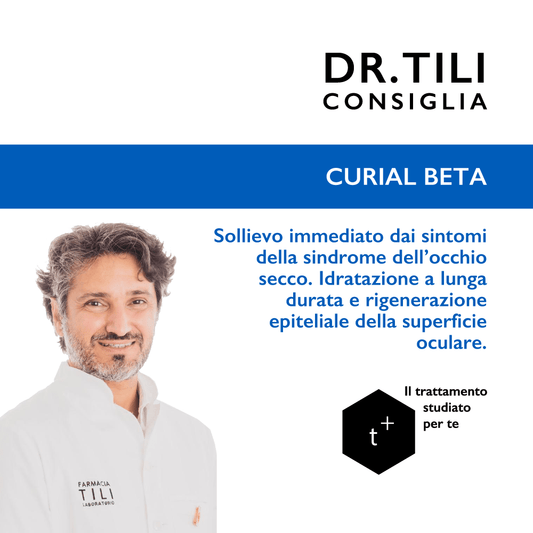
Curial βeta Dry eye supplement 30 capsules Dr.Tili
Vendor:TilpharmaRegular price €22,50Regular priceUnit price per€22,50Sale price €22,50 -
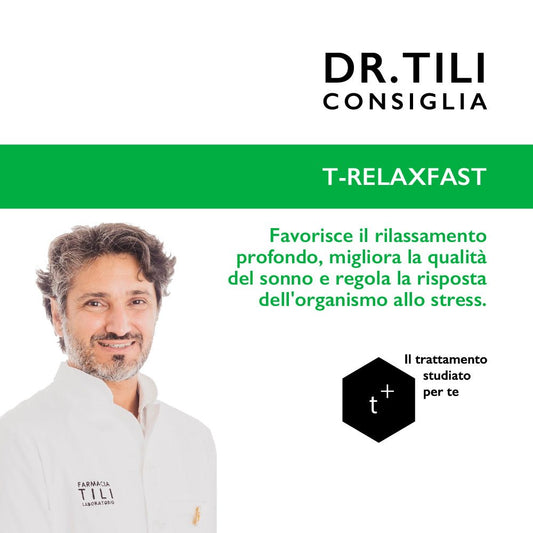
T - Relaxfast Sleep Supplement 60 Capsules Dr.Tili
Vendor:TilpharmaRegular price €24,50Regular priceUnit price per€24,50Sale price €24,50 -
Face Serum C5 Vitamin C 30ml Dr.Tili Skinlab
Vendor:TilabRegular price €62,50Regular priceUnit price per€62,50Sale price €62,50 -
Dr.Tili Skinlab E15 Vitamin E Face Serum 30ml
Vendor:TilabRegular price €32,50Regular priceUnit price per€32,50Sale price €32,50 -
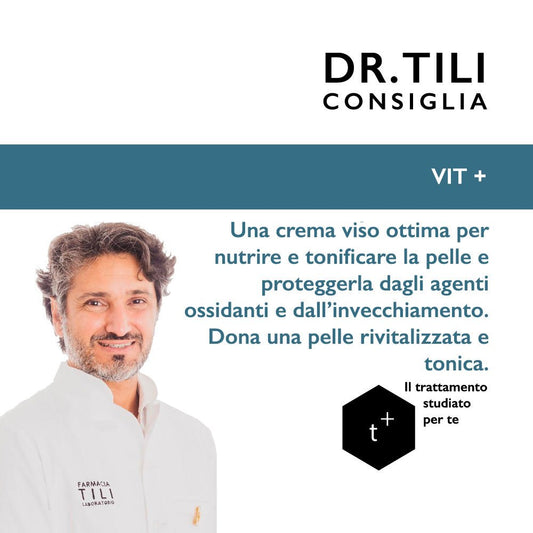
Vit+ Face Vitamin Cream 50ml Dr.Tili Skinlab
Vendor:TilabRegular price €34,00Regular priceUnit price per€34,00Sale price €34,00 -
Anti-aging Facial Treatment Hyaluronic Acid IAL B3 30ml Dr.Tili Skinlab
Vendor:TilabRegular price €46,00Regular priceUnit price per€46,00Sale price €46,00 -
Body Milk Hydra Milk 200Ml. Dr.Tili Skinlab
Vendor:TilabRegular price €16,90Regular priceUnit price per€16,90Sale price €16,90 -
Facial Cleansing Milk 150ml Dr.Tili Skinlab
Vendor:TilabRegular price €18,90Regular priceUnit price per€18,90Sale price €18,90 -
Soothing Facial Toner 125ml Dr.Tili Skinlab
Vendor:TilabRegular price €14,50Regular priceUnit price per€14,50Sale price €14,50 -
Soothing Face Cream 50ml Dr.Tili Skinlab
Vendor:TilabRegular price €19,50Regular priceUnit price per€19,50Sale price €19,50










-

ASSISTANCE - TELEPHONE ORDERS
-

SHIPPING
Shipping to Italy 24/48H
Delivery also on Saturday and Sunday
Free over €49.90
Shipping to Europe 24/72H
Free over €80 -

SAFETY
The security of your data is important to us!
We strictly comply with the European GDPR regarding
Privacy and processing of personal data
The payments you make on our site are 100% safe and guaranteed -

RETURNS
Fast returns via DIY portal and 14 days to change your mind.
Immediate and free replacements for incorrect or non-compliant products delivered.


