

Angelini Acraf
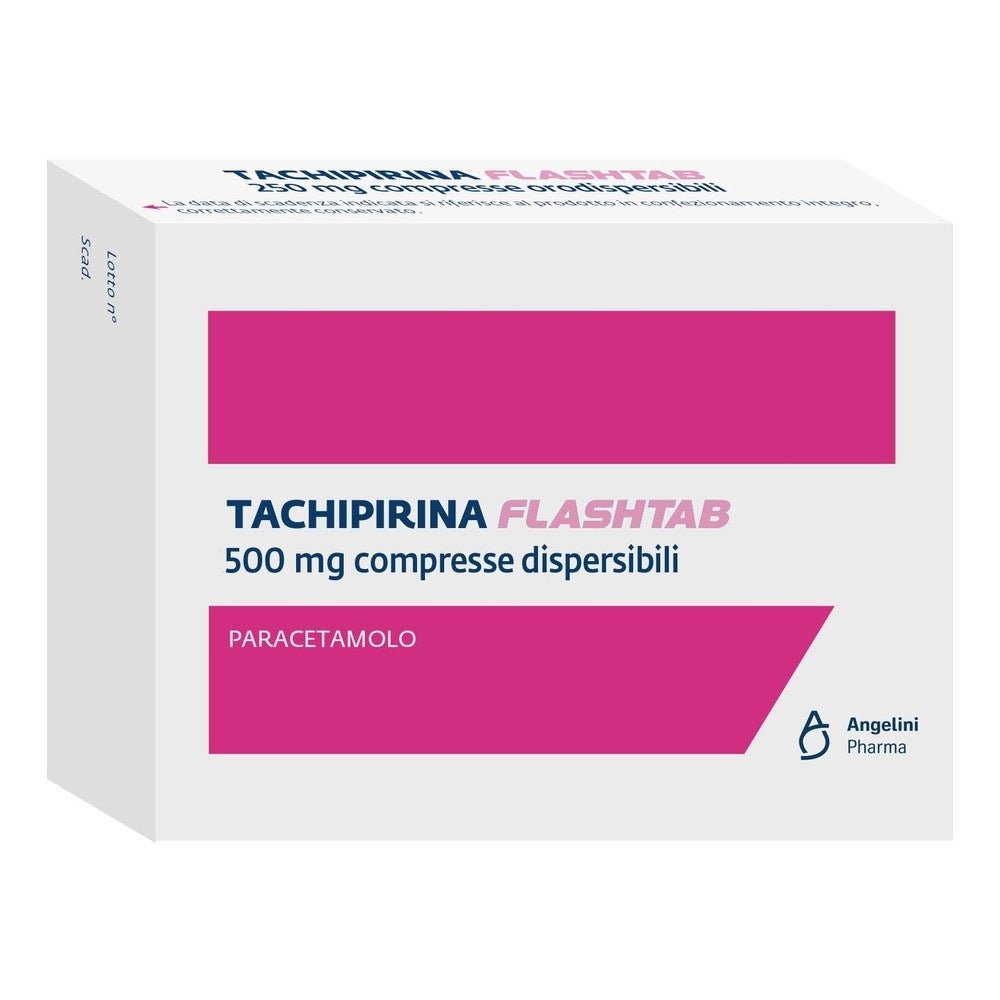
Tachipirina Flashtab 500mg 16 orodispersible tablets
Tachipirina Flashtab 500mg 16 orodispersible tablets
Tachipirina Flashtab 500mg 16 orodispersible tablets: symptomatic treatment of mild to moderate pain and/or fever.
Couldn't load pickup availability

NET WEIGHT OF THE PRODUCT
NET WEIGHT OF THE PRODUCT
16ct
EAN
EAN
034329058
MINSAN
MINSAN
034329058
INDICATIONS
Symptomatic treatment of mild to moderate pain and/or fever.
ACTIVE INGREDIENTS
Each orodispersible tablet contains paracetamol 500 mg (as coated paracetamol crystals). Excipients with known effects: each tablet also contains 40 mg of aspartame (E951). For the full list of excipients, see section 6.1.
EXCIPIENTS
Coated Paracetamol Crystals: Basic butylated methacrylate copolymer, 30% polyacrylate dispersion, silica, colloidal hydrophobic. Compressed: Mannitol (granules, powder), crospovidone, aspartame (E951), blackcurrant flavouring, magnesium stearate.
CONTRAINDICATIONS AND SIDE EFFECTS
- Hypersensitivity to the active substance or to any of the excipients listed in paragraph 6.1. - Phenylketonuria (due to the presence of aspartame). - Severe hepatocellular insufficiency.
DOSAGE
Dosage This medicine is FOR ADULTS ONLY. The maximum recommended dosage is 3000 mg of paracetamol per day, corresponding to 6 tablets daily. The usual dosage is 1 tablet of 500 mg, to be repeated if necessary after no less than four hours. In case of severe pain or high fever, 2 tablets of 500 mg to be repeated if necessary after no less than four hours. Do not exceed 6 500 mg tablets in 24 hours. Maximum recommended dosage: the total dose of paracetamol should not exceed 3 g per day for adults (see section 4.9 “Overdose”). Frequency of administration - In adults, administration should be performed at intervals of at least 4 hours. Renal failure In case of severe renal insufficiency, the interval between 2 administrations must be at least 1 8 hours. Method of administration . Oral route. The tablet should be sucked and not chewed. It can be dispersed in half a glass of water.
CONSERVATION
This medicinal product does not require any special storage conditions.
WARNINGS
Warnings Do not exceed the recommended dose. Prolonged use of the product, outside of medical supervision, may be harmful. This product should only be used if strictly necessary. Doses higher than recommended carry a risk of very serious liver damage. Treatment with an antidote should be carried out as soon as possible. See paragraph 4.9. To avoid the risk of overdose, patients should be advised to avoid the concomitant use of other medicines containing paracetamol. This medicinal product contains aspartame, a source of phenylalanine, equivalent to 0.2 mg per tablet and, therefore, is contraindicated in subjects suffering from phenylketonuria (see section 4.3). There are no non-clinical or clinical studies available on the use of aspartame in children under 12 weeks of age. Precautions for use Paracetamol should be used with caution in case of: - Adults weighing less than 50 kg - Mild to moderate hepatocellular insufficiency (note: paracetamol is contraindicated in cases of severe hepatocellular insufficiency) - Chronic alcoholism - Chronic malnutrition (low hepatic glutathione reserves) - Dehydration - Severe renal insufficiency (creatinine clearance ≤ 10 ml/min - see paragraph 4.2). In case of high fever, or signs of secondary infection, or persistence of symptoms beyond 3 days, a re-evaluation of the treatment should be carried out. During prolonged treatment with analgesic drugs, carried out with doses higher than those foreseen in the information leaflet, headache may occur which must not be treated with higher doses of the medicine. In general, the habitual use of analgesics, especially the combination of different analgesic drugs, can lead to permanent kidney damage with the risk of kidney failure (analgesic nephropathy). If this situation occurs or you suspect its onset, you should consult your doctor and stop treatment. The diagnosis of “analgesic overuse headache” should be considered in those patients who suffer from frequent or daily headaches despite (or because of) the regular use of headache medications. Caution is advised if acetaminophen is administered concurrently with flucloxacillin due to the increased risk of high anion gap metabolic acidosis (HAGMA), particularly in patients with severe renal impairment, sepsis, malnutrition, and other sources of glutathione deficiency (e.g., chronic alcoholism), as well as in those using maximum daily doses of acetaminophen. Close monitoring, including measurement of urinary 5-oxoproline, is recommended.
INTERACTIONS
• Probenecid causes at least a 2-fold reduction in paracetamol clearance through inhibition of its conjugation with glucuronic acid. In case of concomitant treatment with probenecid, a reduction in the dosage of paracetamol should be considered. • Salicylamide may prolong the elimination half-life of paracetamol. • Paracetamol should be used with caution in case of concomitant intake of enzyme inducers (such as carbamazepine, phenobarbital, phenytoin, primidone, rifampicin, St. John's Wort or St. John's Wort) or potentially hepatotoxic substances (see section 4.9). • Metoclopramide and domperidone: accelerate the absorption of paracetamol • Cholestyramine: reduces the absorption of paracetamol. • The concomitant use of paracetamol (4 g per day for at least 4 days) with oral anticoagulants can induce slight variations in INR values with a consequent increase in the risk of bleeding. In these cases, more frequent monitoring of INR values should be conducted during concomitant use and after its discontinuation. • Caution should be exercised when paracetamol is used concomitantly with flucloxacillin as concomitant use has been associated with high anion gap metabolic acidosis, especially in patients with risk factors (see section 4.4). Interactions with clinical trials: The administration of paracetamol can alter the measurement of uric acid in the blood, obtained with the phosphotungstic acid method, and the measurement of blood sugar obtained with the glucose oxidase-peroxidase method.
SIDE EFFECTS
Hepatobiliary disorders - Rare (≥1/10,000 to <1/1,000): - increased levels of liver transaminases.
Immune system disorders - Very rare (<1/10,000), not known (frequency cannot be estimated from the available data): - hypersensitivity reaction (from simple skin rash or urticaria, up to anaphylactic shock requiring discontinuation of treatment).
Blood and lymphatic system disorders - Very rare (<1/10,000), not known (frequency cannot be estimated from the available data): - thrombocytopenia, leukopenia, neutropenia (sporadic reports).
Skin and subcutaneous tissue disorders - Very rare (<1/10,000), not known (frequency cannot be estimated from the available data): Very rare cases of serious skin reactions have been reported.
Reporting of suspected adverse reactions Reporting suspected adverse reactions that occur after authorization of the medicinal product is important, as it allows continuous monitoring of the benefit/risk balance of the medicinal product. Healthcare professionals are asked to report any suspected adverse reactions via the national reporting system at http://www.aifa.gov.it/content/segnali-reazioni-avverse
OVERDOSE
There is a risk of liver injury (which includes fulminant hepatitis, hepatic failure, cholestatic hepatitis, hepatic cytolysis), particularly in elderly subjects, in young children, in patients with liver disease, in chronic alcoholism, in patients with chronic malnutrition and in patients receiving enzyme inducers. In these cases, overdose can be fatal. Symptoms generally appear in the first 24 hours and include: nausea, vomiting, anorexia, paleness and abdominal pain. Overdose, 7.5 g or more of paracetamol in a single administration in adults or 140 mg/kg of body weight in a single administration in children, causes necrosis of the hepatocytes which makes it probable the induction of a complete and irreversible necrosis, which leads to hepatocellular failure, metabolic acidosis and encephalopathy which can lead to coma and death. At the same time, an increase in the levels of hepatic transaminases (AST, ALT), lactate dehydrogenase and bilirubin is observed, together with an increase in prothrombin time which can appear 12 to 48 hours after administration. Clinical symptoms of liver damage usually appear after two days and reach a maximum after 4 to 6 days. Acute renal failure with acute tubular necrosis may develop even in the absence of severe liver damage. Other non-hepatic symptoms that have been reported following acetaminophen overdose include myocardial abnormalities and pancreatitis. Emergency behavior • immediate transfer to hospital even if there are no significant early symptoms • collection of a blood sample for an initial measurement of the plasma paracetamol concentration • gastric lavage • intravenous (or oral if possible) administration of the antidote N-acetylcysteine possibly before ten hours after ingestion. N-acetylcysteine can provide, however, a certain degree of protection even after 10 hours, and up to 48 hours, but in these cases a prolonged treatment is performed. • Symptomatic treatment must be carried out. • oral methionine can be used as an alternative to N-acetylcysteine as long as it is administered as soon as possible after the overdose and, in any case, within 10 hours of it.
PREGNANCY AND BREASTFEEDING
Pregnancy A large amount of data on pregnant women indicates neither malformation nor fetal/neonatal toxicity. Epidemiological studies on neurodevelopment in children exposed to paracetamol in utero show inconclusive results. If clinically necessary, paracetamol can be used during pregnancy, however it should be used at the lowest effective dose for the shortest possible time and with the lowest possible frequency. Breastfeeding After oral administration, paracetamol is excreted in breast milk in small quantities. No side effects have been reported on breast-fed infants. Therapeutic doses of this medicine can be taken during breastfeeding.
EFFECTS ON DRIVING ABILITY
Not applicable.
OUR PRODUCTS FOR THIS SEASON
-
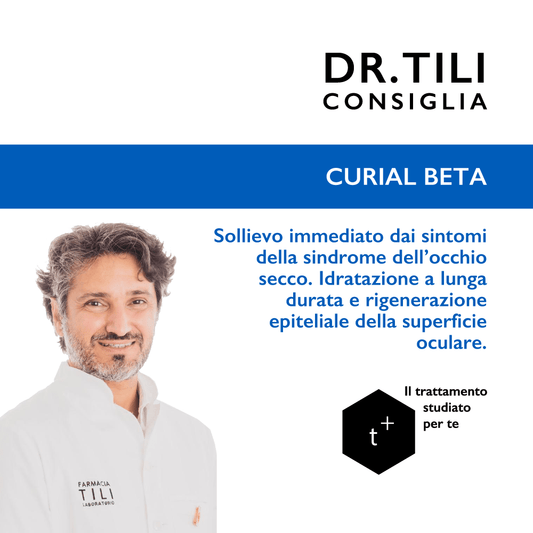
Curial βeta Dry eye supplement 30 capsules Dr.Tili
Vendor:TilpharmaRegular price €22,50Regular priceUnit price per€22,50Sale price €22,50 -
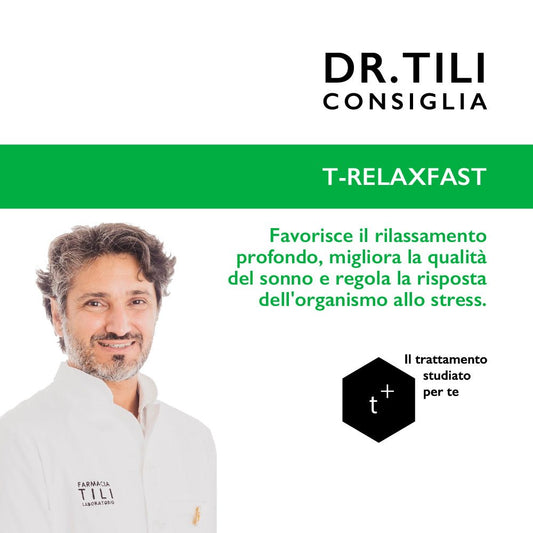
T - Relaxfast Sleep Supplement 60 Capsules Dr.Tili
Vendor:TilpharmaRegular price €24,50Regular priceUnit price per€24,50Sale price €24,50 -
Face Serum C5 Vitamin C 30ml Dr.Tili Skinlab
Vendor:TilabRegular price €62,50Regular priceUnit price per€62,50Sale price €62,50 -
Dr.Tili Skinlab E15 Vitamin E Face Serum 30ml
Vendor:TilabRegular price €32,50Regular priceUnit price per€32,50Sale price €32,50 -
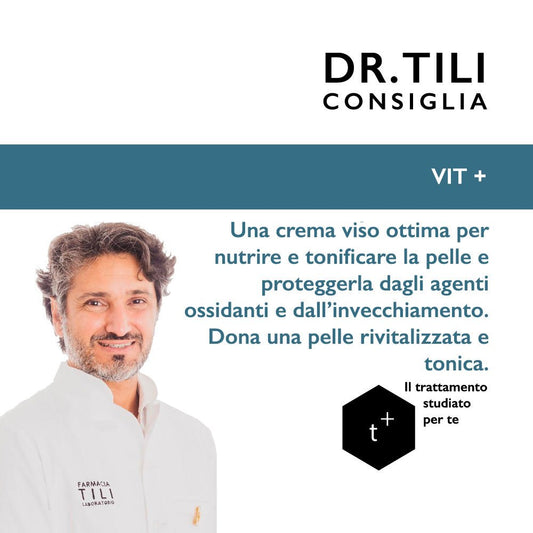
Vit+ Face Vitamin Cream 50ml Dr.Tili Skinlab
Vendor:TilabRegular price €34,00Regular priceUnit price per€34,00Sale price €34,00 -
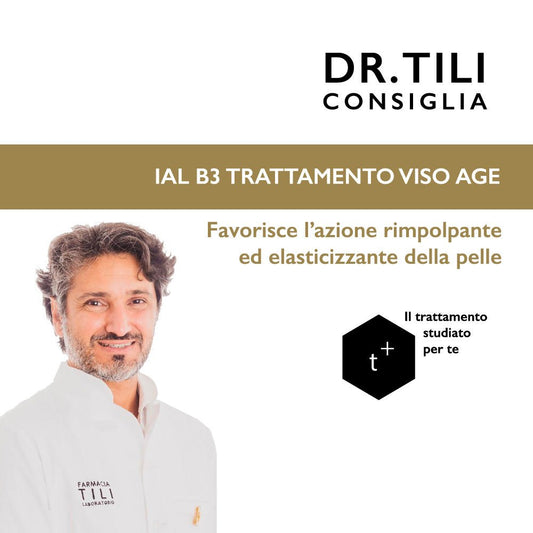
Anti-aging Facial Treatment Hyaluronic Acid IAL B3 30ml Dr.Tili Skinlab
Vendor:TilabRegular price €46,00Regular priceUnit price per€46,00Sale price €46,00 -
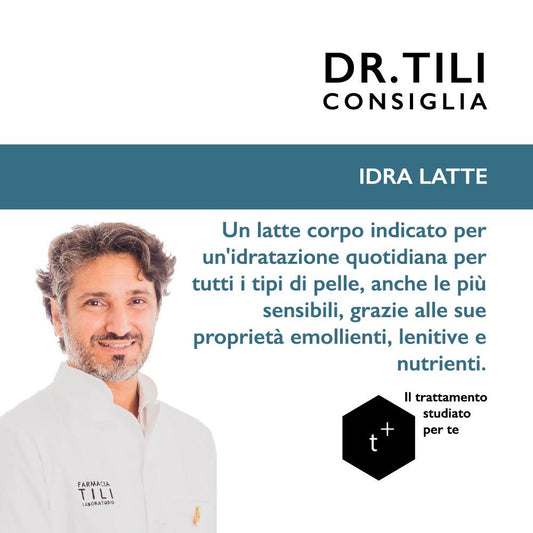
Body Milk Hydra Milk 200Ml. Dr.Tili Skinlab
Vendor:TilabRegular price €16,90Regular priceUnit price per€16,90Sale price €16,90 -
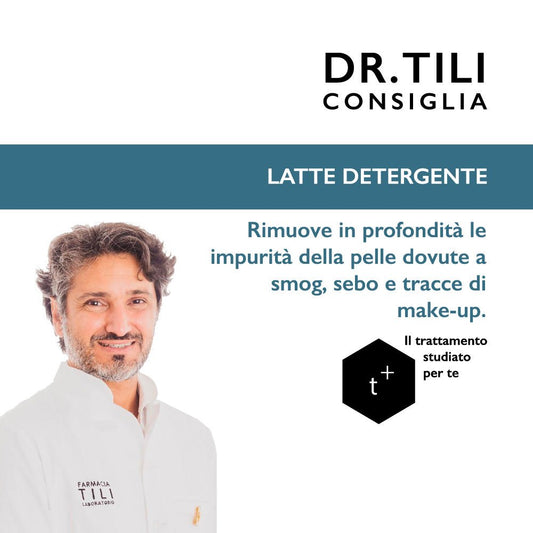
Facial Cleansing Milk 150ml Dr.Tili Skinlab
Vendor:TilabRegular price €18,90Regular priceUnit price per€18,90Sale price €18,90 -
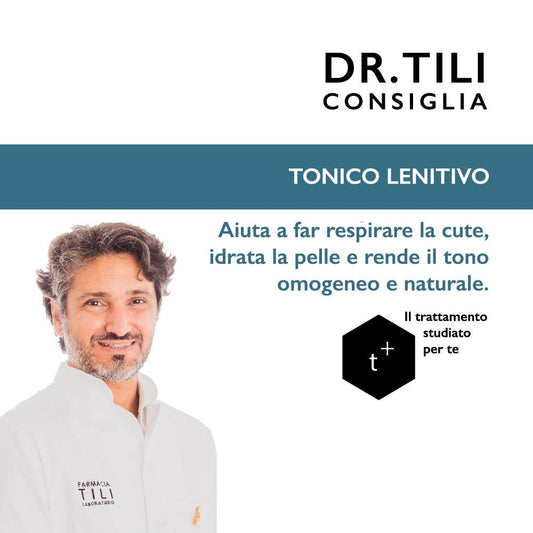
Soothing Facial Toner 125ml Dr.Tili Skinlab
Vendor:TilabRegular price €14,50Regular priceUnit price per€14,50Sale price €14,50 -
Soothing Face Cream 50ml Dr.Tili Skinlab
Vendor:TilabRegular price €19,50Regular priceUnit price per€19,50Sale price €19,50










-

ASSISTANCE - TELEPHONE ORDERS
-

SHIPPING
Shipping to Italy 24/48H
Delivery also on Saturday and Sunday
Free over €49.90
Shipping to Europe 24/72H
Free over €80 -

SAFETY
The security of your data is important to us!
We strictly comply with the European GDPR regarding
Privacy and processing of personal data
The payments you make on our site are 100% safe and guaranteed -

RETURNS
Fast returns via DIY portal and 14 days to change your mind.
Immediate and free replacements for incorrect or non-compliant products delivered.


