

TEOFARMA Srl
Rovigon 30 chewable coated tablets
Rovigon 30 chewable coated tablets
Rovigon 30 chewable coated tablets is an over-the-counter vitamin A and vitamin E -based medication , indicated for deficiencies caused by malabsorption or malnutrition . Useful for degenerative retinopathies and disorders of the epithelial and mesodermal tissues, it contributes to the well-being of the skin, mucous membranes, and vision , and protects against oxidative stress . Convenient chewable tablets, ideal for adults and the elderly.
Couldn't load pickup availability

NET WEIGHT OF THE PRODUCT
NET WEIGHT OF THE PRODUCT
EAN
EAN
012812018
MINSAN
MINSAN
012812018
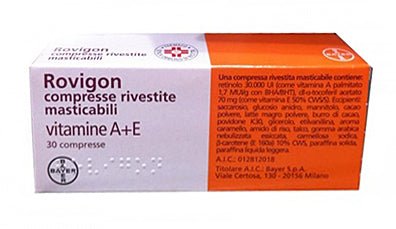
Rovigon 30 chewable coated tablets is a vitamin supplement specifically formulated to support the body in case of vitamin A and E deficiency . Each tablet contains retinol (vitamin A) and dl-α-tocopheryl acetate (vitamin E) , two fat-soluble vitamins essential for general well-being, tissue protection and the correct functioning of numerous physiological processes. Thanks to their synergistic action, these vitamins help counteract deficiency states due to malabsorption , malnutrition or increased need, offering valid nutritional support especially in middle-aged and elderly subjects.
Rovigon is indicated in functional disorders and degenerative manifestations of tissues of epithelial and mesodermal origin , such as degenerative retinopathies and inner ear disorders. The formulation in 30-piece chewable coated tablets makes the product practical and easy to take, promoting compliance even in patients with swallowing difficulties. The balanced combination of vitamin A and vitamin E helps maintain healthy skin, mucous membranes, and vision and protect cells from oxidative stress.
Rovigon is an over-the-counter drug that stands out for its effectiveness in treating vitamin deficiency symptoms and for its usefulness as a dietary supplement in all situations where an additional intake of vitamins A+E is necessary. Ideal for those looking for a reliable product for general well-being and the prevention of complications related to vitamin deficiency .
ACTIVE INGREDIENTS
Active ingredients contained in Rovigon 30 chewable coated tablets - What is the active ingredient of Rovigon 30 chewable coated tablets?
One chewable coated tablet contains: retinol 30,000 IU (as vitamin A palmitate 1.7 MIU/g with BHA/BHT), dl –α–tocopheryl acetate 70 mg (as vitamin E 50 CWS/S). For the full list of excipients, see section 6.1.EXCIPIENTS
Composition of Rovigon 30 chewable coated tablets - What does Rovigon 30 chewable coated tablets contain?
Sucrose, anhydrous glucose, mannitol, cocoa powder, skimmed milk powder, cocoa butter, povidone K30, glycerol, ethyl vanillin, caramel flavouring, rice starch, talc, dried sprayed gum arabic, sodium carmellose, β-carotene (E 160a) 10% CWS, solid paraffin, light liquid paraffin.DIRECTIONS
Therapeutic indications Rovigon 30 chewable coated tablets - Why is Rovigon 30 chewable coated tablets used? What is it used for?
Rovigon is indicated in all deficiency states due to malabsorption, especially lipid, or malnutrition and related symptomatic conditions. Furthermore, Rovigon, as a balanced association between vitamins A and E, is indicated in functional disorders and degenerative manifestations of tissues of epithelial and mesodermal origin (for example degenerative retinopathies, inner ear disorders, etc.), especially in middle-aged and elderly people.CONTRAINDICATIONS AND SIDE EFFECTS
Contraindications Rovigon 30 chewable coated tablets - When should Rovigon 30 chewable coated tablets not be used?
Hypersensitivity to the active substance or to any of the excipients. Hypervitaminosis A. Children under 12 years of age. Pregnant women or women who may become pregnant.DOSAGE
Quantity and method of taking Rovigon 30 chewable coated tablets - How to take Rovigon 30 chewable coated tablets?
For oral use. Unless otherwise prescribed by your doctor, the recommended dose is 1 tablet per day for up to 4 weeks. The therapeutic cycle can be repeated during the year, at the discretion of your doctor. The dosage should be adjusted based on serum levels of vitamin A and vitamin E. Rovigon is contraindicated in children under 12 years of age (see section 4.3).CONSERVATION
Storage Rovigon 30 chewable coated tablets - How to store Rovigon 30 chewable coated tablets?
This medicinal product does not require any special storage conditions.WARNINGS
Warnings Rovigon 30 chewable coated tablets - About Rovigon 30 chewable coated tablets it is important to know that:
In order to avoid the appearance of signs and symptoms of overdose, use the product under medical supervision and for the period of time deemed strictly necessary. Preparations containing vitamin E must be used with caution in diabetics and in subjects with heart failure since this vitamin can reduce the need for insulin and digitalis. In very prolonged therapies, especially if for several years, do not exceed the number and duration of therapeutic cycles recommended for each year, in order to avoid the risk of chronic overdose of vitamin A. Due to the presence of beta-carotene in the composition, prolonged use of the product may increase the risk of lung cancer in heavy smokers (twenty or more cigarettes per day). During pregnancy, a daily intake of vitamin A of up to 10,000 IU has been shown to be safe. However, doses greater than 15,000 IU/day have been associated with the possibility of malformations in humans. Therefore, during pregnancy, daily doses higher than 10,000 IU should be avoided, especially during the first trimester (see also section 4.6). Vitamin A should not be taken together with other drugs containing vitamin A, the synthetic isomers tretinoin and etretinate or beta-carotene, since these compounds, at high doses, are considered harmful to the foetus. In women of childbearing age, it is necessary to ensure that: • the patient is not pregnant when starting treatment (negative pregnancy test) • the patient understands the teratogenic risk • the patient agrees to use an effective method of contraception without interruption for the entire duration of treatment and for at least one month after cessation of treatment. Long-term treatment with vitamin A has been associated with cirrhosis, alterations in hepatic circulation, hepatic fibrosis and hepatotoxicity. Patients with pre-existing liver disease are at greater risk of developing or experiencing worsening of liver disease due to the reduced capacity to produce retinol-binding protein. Patients taking high doses of vitamin A (greater than 2,500 IU/kg per day) for a prolonged period without interruption should be monitored for signs of hypervitaminosis A. A maximum daily dose of 5,000 IU/kg should not be exceeded. Before prescribing treatment, the intake of vitamin A, isotrenitoin, etretinate and beta-carotene from the diet and any use of supplements and concomitant medications should be assessed. High doses of vitamin A have been associated with osteoporosis and osteosclerosis. This product contains sucrose and glucose. Patients with rare hereditary problems of fructose intolerance or galactose intolerance, the Lapp lactase deficiency, glucose-galactose malabsorption or sucrase-isomaltase insufficiency should not take this medicine.INTERACTIONS
Interactions Rovigon 30 chewable coated tablets - Which medicines or foods can modify the effect of Rovigon 30 chewable coated tablets?
Vitamin E may enhance the action of digitalis or insulin. Avoid concomitant use with other drugs or supplements containing retinoids and with antibiotics belonging to the tetracycline class.SIDE EFFECTS
Like all medicines, Rovigon 30 chewable coated tablets can cause side effects - What are the side effects of Rovigon 30 chewable coated tablets?
The adverse reactions listed below are derived from spontaneous reporting and therefore cannot be organised into frequency categories. Eye disorders Visual disturbances. Gastrointestinal disorders Gastrointestinal and abdominal pain, nausea, vomiting, diarrhoea. Hepatobiliary disorders Jaundice, hepatomegaly, hepatic steatosis. Cirrhosis, hepatic fibrosis and hepatotoxicity have been associated with long-term vitamin A therapy (see section 4.4). Immune system disorders Allergic reaction, allergic oedema, anaphylactic reaction, anaphylactic shock. Hypersensitivity reactions and their clinical and laboratory manifestations include mild to moderate reactions that may involve the skin, respiratory tract, gastrointestinal system and cardiovascular system. Investigations Abnormal liver function tests, increased aspartate and alanine aminotransferase, increased blood triglycerides. Metabolism and nutrition disorders Hypercalcaemia, lipid metabolism disorder. Musculoskeletal and connective tissue disorders Bone pain and osteoporosis; high intake of vitamin A through diet or supplements has been associated with an increase in osteoporosis and risk of hip fracture. Nervous system disorders Headache. Sudden onset headache may be a symptom of pseudotumor cerebri (see section 4.9). Skin and subcutaneous tissue disorders Pruritus, urticaria, rash, dry skin, exfoliative dermatitis. The following have been associated with chronic use of vitamin A: alopecia, dermatitis, eczema, erythema, skin discoloration, changes in hair texture, hypotrichosis, dry mucous membranes, fragile skin, cheilitis. Skin changes are often among the first signs of hypervitaminosis A. Reporting of suspected adverse reactions Reporting suspected adverse reactions that occur after authorisation of the medicinal product is important. It allows continued monitoring of the benefit/risk balance of the medicinal product. Healthcare professionals are asked to report any suspected adverse reactions via the national reporting system at www.agenziafarmaco.gov.it/it/responsabili.OVERDOSE
Overdose Rovigon 30 chewable coated tablets - What are the risks of Rovigon 30 chewable coated tablets in case of overdose?
Acute hypervitaminosis A : Ingestion of excessive doses of retinol may cause acute vitamin A intoxication. Factors that influence acute retinol toxicity reactions include age, nutritional status, type of preparation taken, and route of administration. However, the risk may be increased in cases of renal or hepatic disease, low body weight, protein malnutrition, hyperlipoproteinemia, alcohol consumption, or vitamin C deficiency. Acute retinol toxicity is characterized by severe headache, dizziness, hepatomegaly, vomiting, irritability, drowsiness, and papilledema. Generalized desquamation of the skin may occur after 24 hours. Skin reactions associated with retinol toxicity include cheilitis, facial dermatitis, exfoliative dermatitis, dry mucous membranes, changes in hair structure, thinning of the hair, alopecia areata, generalized alopecia, rash, pruritus, and fragile skin. Other manifestations of acute massive overdose include gastrointestinal symptoms (abdominal pain, nausea, vomiting) and pseudotumor cerebri (increased intracranial pressure with the following symptoms: headache, dizziness, numbness, papilledema, and, in neonates, transient bulging of the fontanelles), followed within a few days by generalized skin desquamation. Generally, signs and symptoms of vitamin A toxicity disappear rapidly upon cessation of intake. Chronic hypervitaminosis A : Prolonged intake of vitamin A at daily doses 10 to 20 times the maximum recommended daily dose may result in hypervitaminosis A. The actual toxic dose depends on age, individual doses, and duration of administration. In adults, hypervitaminosis A usually results from chronic intake of more than 30 mg of retinol per day; however, mild symptoms may occur even with chronic daily dietary intake of 10 mg of retinol. Symptoms of chronic vitamin A poisoning are varied and include headache, nausea and vomiting due to increased intracranial pressure, bone pain, signs and symptoms involving the mucous membranes and skin, hepatomegaly, hypercalcemia, and hematological changes. Dry and itchy skin, erythematous dermatitis, fissured lips, anorexia, edema, hemorrhage, irritability and asthenia may also occur. Other possible symptoms include night sweats, abdominal discomfort, growth retardation, premature closure of the epiphyses, dizziness, alopecia, skin desquamation, increased skin pigmentation, inflammation of the tongue, lips and gums. Hepatotoxic reactions are present in about half of the cases of chronic hypervitaminosis A. In addition to clinical signs such as hepatosplenomegaly, spider angioma, leukonychia, palmar erythema and jaundice, an increase in liver transaminases (aspartate and alanine aminotransferase) is observed. The increase in alkaline phosphatase may be very marked and cholestasis with hyperbilirubinemia may occur. A reversible syndrome of portal hypertension with ascites may occur. Histopathological features include hypertrophy and hyperplasia of stellate (Ito) cells with accumulations of perisinusoidal lipocytes associated with fibrosis. Hepatocyte atrophy and cirrhosis have been reported. Hepatitis and steatosis may also be observed. Risk may be increased by renal or hepatic disease, low body weight, protein malnutrition, hyperlipoproteinemia, alcohol consumption, or vitamin C deficiency. The only diagnostic laboratory finding is increased serum retinol levels, primarily in the form of retinyl esters. Retinol-binding protein (RBP) concentrations are normal, and excess retinol circulates bound to a lipoprotein. Signs and symptoms of vitamin A toxicity generally resolve rapidly after cessation of intake. Patients with impaired hepatic function and hepatomegaly usually have a favorable prognosis. However, if portal hypertension with ascites has developed, the syndrome may persist. Vitamin E overdose : Vitamin E is usually nontoxic. However, high doses (more than 300 units per day) have rarely caused nausea, diarrhea, intestinal cramps, asthenia, weakness, headache, blurred vision, rash, gonadal dysfunction, creatinuria, increased serum creatine kinase and creatine phosphokinase, increased serum cholesterol and triglycerides, increased urinary estrogens and androgens, and decreased serum thyroxine and triiodothyronine. These effects disappeared when treatment was stopped. A meta-analysis showed that, in patients with chronic disease, doses of 400 units per day or more for a year or more were associated with increased all-cause mortality. The results of this data analysis were unclear about the risks and benefits of lower doses of vitamin E. However, a dose-response analysis demonstrated a statistically significant relationship between vitamin E dosage and all-cause mortality, with an increased risk at dosages above 150 units. These findings are controversial and are still a topic of debate in the medical and scientific community. Very high vitamin E dosages (above 800 units per day for long periods) have also been associated with increased bleeding tendency in patients with vitamin K deficiency, alterations in hormonal metabolism (thyroid, pituitary and adrenal), alterations in immune response and impaired sexual function and may increase the risk of thromboembolism in predisposed patients.PREGNANCY AND BREASTFEEDING
If you are pregnant or breast-feeding, think you may be pregnant or are planning to have a baby, ask your doctor for advice before taking Rovigon 30 chewable coated tablets.
Pregnancy During pregnancy, a daily intake of vitamin A of up to 10,000 IU has been shown to be safe. However, doses above 15,000 IU/day have been associated with the possibility of malformations in humans. Therefore, during pregnancy, daily doses above 10,000 IU should be avoided, especially during the first trimester. Vitamin A should not be taken together with other drugs containing vitamin A, the synthetic isomers tretinoin and etretinate or beta-carotene, since these compounds, at high doses, are considered harmful to the fetus. In women of childbearing age, it is necessary to ensure that: • the patient is not pregnant when treatment is started (negative pregnancy test) • the patient understands the teratogenic risk • the patient agrees to use an effective method of contraception without interruption for the entire duration of treatment and for at least one month after its cessation. Breastfeeding There is no adequate information on the excretion of vitamin A and vitamin E in human and animal breast milk and therefore a risk to the infant cannot be excluded. A decision whether to discontinue breastfeeding or to discontinue therapy with retinol/tocopherol should be made taking into account the benefit of breastfeeding for the child and the benefit of retinol/tocopherol therapy for the mother.DRIVING AND USE OF MACHINERY
Taking Rovigon 30 chewable coated tablets before driving or using machines - Does Rovigon 30 chewable coated tablets affect driving or using machines?
The product may cause visual disturbances. If this occurs, do not drive or operate machinery.OUR PRODUCTS FOR THIS SEASON
-
T - Immuno Mix Extracts Immune Defenses 60 Capsules Dr.Tili
Vendor:TILAB SrlRegular price €19,20Regular priceUnit price per€24,00Sale price €19,20Sale -
Dr. Tili Liposomal Vitamin D Supplement, Vegan, 2000 IU, 60 Tablets
Vendor:TILAB SrlRegular price €11,12Regular priceUnit price per€13,90Sale price €11,12Sale -
Vita D'oro Drops Vitamin D3 2000 IU 50ml Dr.Tili
Vendor:TILAB SrlRegular price €15,12Regular priceUnit price per€18,90Sale price €15,12Sale -
Supplement Acerola Echinacea vitamin C immune defenses 60 tablets Dr.Tili
Vendor:TILAB SrlRegular price €10,48Regular priceUnit price per€13,10Sale price €10,48Sale -
Echinacea Papaya Acerola Immune Defense Syrup 200ml Dr.Tili
Vendor:TILAB SrlRegular price €10,48Regular priceUnit price per€13,10Sale price €10,48Sale -
Acerola Essential Vitamin C Drops Immune Defenses 50ml Dr.Tili
Vendor:TILAB SrlRegular price €12,72Regular priceUnit price per€15,90Sale price €12,72Sale -
Supplement Echinacea Essential Immune Defenses 50 ml Dr.Tili
Vendor:TILAB SrlRegular price €12,72Regular priceUnit price per€15,90Sale price €12,72Sale -
Ribes Nigrum Essential Drops 50 ml Dr.Tili
Vendor:TILAB SrlRegular price €12,72Regular priceUnit price per€15,90Sale price €12,72Sale -
Pure Colloidal Silver 20 ppm and Propolis Spray 30ml Dr.Tili
Vendor:TILAB SrlRegular price €10,48Regular priceUnit price per€13,10Sale price €10,48Sale -
Syrup Three Actions cough and sore throat 150ml Dr.Tili
Vendor:TILAB SrlRegular price €13,52Regular priceUnit price per€16,90Sale price €13,52Sale




-

ASSISTANCE - TELEPHONE ORDERS
-

SHIPPING
Shipping to Italy 24/48H
Delivery also on Saturday and Sunday
Free over €49.90
Shipping to Europe 24/72H
Free over €80 -

SAFETY
The security of your data is important to us!
We strictly comply with the European GDPR regarding
Privacy and processing of personal data
The payments you make on our site are 100% safe and guaranteed -

RETURNS
Fast returns via DIY portal and 14 days to change your mind.
Immediate and free replacements for incorrect or non-compliant products delivered.


