

Zambon
Rinofluimucil 1% + 0.5% nasal spray solution 10ml
Rinofluimucil 1% + 0.5% nasal spray solution 10ml

Rinofluimucil 1% + 0.5% nasal spray is a decongestant and mucolytic indicated for acute and chronic rhinitis , vasomotor rhinitis , and sinusitis . Thanks to acetylcysteine and tuaminoheptane , it thins thick mucus, clears a stuffy nose, and promotes easier breathing . The 10 ml nasal spray ensures targeted application and rapid action against congestion.
Couldn't load pickup availability

NET WEIGHT OF THE PRODUCT
NET WEIGHT OF THE PRODUCT
10ml
EAN
EAN
021993050
MINSAN
MINSAN
021993050

INDICATIONS
- Acute and subacute rhinitis, especially with mucopurulent and slowly resolving exudates. - Chronic and mucus-crusty rhinitis. - Vasomotor rhinitis. - Sinusitis.
ACTIVE INGREDIENTS
100 ml of solution contains: Active ingredients N-Acetylcysteine: 1,000 g; Tuaminoheptane sulphate: 0.500 g. Excipients with known effects: benzalkonium chloride Mint flavor containing d-limonene For the full list of excipients, see section 6.1
EXCIPIENTS
Benzalkonium chloride, Dithiothreitol, Sodium edetate, Dibasic sodium phosphate, Monobasic sodium phosphate, Sodium hydroxide, Alcohol, Hypromellose, Sorbitol 70%, Natural mint flavor (containing d-limonene), Purified water.
CONTRAINDICATIONS AND SIDE EFFECTS
- Hypersensitivity to the active substance or to any of the excipients. - Cardiovascular disease, including hypertension. - Previous cerebrovascular disease, including the presence of important risk factors (due to alpha-sympathomimetic activity). - Previous convulsions. - Narrow angle glaucoma. - Hyperthyroidism. - During and in the two weeks following therapy with monoamine oxidase inhibitors (MAOIs). - Children under the age of 12. - Pheochromocytoma. - During use of other sympathomimetic agents, including other nasal decongestants. - Hypophysectomy or surgical interventions with exposure of the dura mater.
DOSAGE
RINOFLUIMUCIL is used for applications in the nasal cavities, using the appropriate dosage dispenser (see paragraph 6.6). ADULTS: 2 sprays in each nostril 3-4 times a day. CHILDREN over 12 years: 1 spray in each nostril 3-4 times a day. Do not exceed the indicated doses. The bottle, when opened, can be used for a period not exceeding 20 days.
CONSERVATION
No details.
WARNINGS
Administer with caution in subjects suffering from occlusive vascular disease, asthma, diabetes and in therapy with beta-blocking drugs. Rinofluimucil should be administered with caution in pediatric age and is in any case contraindicated in children under 12 years of age. Prolonged use of preparations containing vasoconstrictors can alter the normal function of the mucosa of the nose and paranasal sinuses, also inducing addiction to the drug. Repeating applications for long periods can therefore be harmful. Use the product with caution due to the risk of urinary retention in the elderly and in those with prostatic hypertrophy. The use, especially if prolonged, of topical products can give rise to sensitization phenomena: in this case it is necessary to interrupt the treatment and, if necessary, institute a suitable therapy. However, in the absence of a complete therapeutic response within a few days, consult your doctor; in any case the treatment must not be continued for more than a week. The action of the preparation can be integrated, in the doctor's opinion, with an appropriate antibacterial covering. Patients should be advised to discontinue treatment if they develop arterial hypertension, tachycardia, palpitations, heart rhythm disturbances, nausea or any neurological signs and symptoms (such as headache or worsening of existing headache). Tuaminoheptane sulfate can cause a positive anti-doping test. The preparation is not for ophthalmic use. Important information about some excipients: This medicine contains 0.005 mg of benzalkonium chloride in each actuation. Prolonged use may cause edema of the nasal mucosa. The mint flavoring in this medicine contains d-limonene which may cause allergic reactions. In addition to allergic reactions in patients sensitive to the allergen, non-sensitive patients may become sensitive.
INTERACTIONS
Despite the poor systemic absorption of tuaminoheptane administered intranasally, the following potential interactions must be taken into consideration: - monoamine oxidase inhibitors (MAOIs), including reversible monoamine oxidase inhibitors (RIMA): increased risk of hypertensive crisis; - antihypertensives (including adrenergic neuron blockers and beta blockers): can block hypotensive effects; - cardiac glycosides: they can increase the risk of dysrhythmia; - ergot alkaloids: they can increase the risk of ergotism; - antiparkinsonian drugs: they can increase the risk of cardiovascular toxicity; - oxytocin: may increase the risk of hypertension.
SIDE EFFECTS
Security Profile Summary: Prolonged use can alter the normal functionality of the nasal and paranasal mucosa, causing nasal congestion and inducing addiction to the drug. Summary table of adverse reactions: Frequent administration of the preparation at higher doses can cause sympathomimetic side effects (such as increased excitability, heart palpitations, tremor, etc.). Sometimes dryness of the nose and throat, acne rashes may occur. These effects disappear completely when treatment is discontinued. The following side effects may be associated with the use of Rinofluimucil:
Immune system disorders - Adverse reactions Frequency not known°: Hypersensitivity
Psychiatric disorders - Adverse reactions Frequency not known°: anxiety*, hallucination*, delirium*.
Nervous system disorders - Adverse reactions Frequency not known°: headache*, restlessness*, agitation*, insomnia*, tremor*.
Cardiac disorders - Adverse reactions Frequency not known°: palpitations*, tachycardia*, arrhythmia*.
Vascular disorders - Adverse reactions Frequency not known°: Hypertension.
Respiratory, thoracic and mediastinal disorders - Adverse reactions Frequency not known°: dry nose and throat*, nasal discomfort*, nasal congestion*.
Gastrointestinal disorders - Adverse reactions Frequency not known°: Nausea.
Skin and subcutaneous tissue disorders - Adverse reactions Frequency not known°: Urticaria, rash.
Renal and urinary disorders - Adverse reactions Frequency not known°: Urinary retention.
Systemic pathologies and conditions relating to the site of administration - Adverse reactions Frequency not known°: irritability,* habituation to the drug*.
° not known (cannot be estimated from available data) * Particularly with prolonged and/or excessive use Pediatric population: The product is contraindicated in children under 12 years of age (see section 4.3). Reporting of suspected adverse reactions. Reporting suspected adverse reactions that occur after authorization of the medicine is important, as it allows continuous monitoring of the benefit/risk balance of the medicine. Healthcare professionals are asked to report any suspected adverse reactions via the national reporting system at https://www.aifa.gov.it/content/segnalazioni-reazioni-avverse.
OVERDOSE
In case of overdose in adults, arterial hypertension, photophobia, intense headache, chest tightness may appear. Pediatric population In case of overdose, hypothermia with marked sedation may appear in children. Treatment These events require the adoption of appropriate emergency measures.
PREGNANCY AND BREASTFEEDING
Pregnancy: Data relating to a limited number of pregnant women exposed to N-acetylcysteine have not indicated any negative effects on the pregnancy itself or on the health of the foetus/newborn. At present, no further relevant epidemiological data are available. Animal studies with N-acetylcysteine have demonstrated no direct or indirect harmful effects regarding reproductive toxicity. There are no data on exposed pregnant women or animal studies with tuaminoheptane or N-acetylcysteine + tuaminoheptane. The product is not recommended during pregnancy. Breastfeeding: There is no information available on the excretion of N-acetylcysteine and thyaminoheptane in breast milk. A risk to the infant cannot be excluded. The product should not be used by breastfeeding mothers. Fertility: There are no animal fertility studies available with N-acetylcysteine + thyaminoheptane. Furthermore, no data on humans is available.
EFFECTS ON DRIVING ABILITY
There are no assumptions or evidence that the drug can change attention skills and reaction times. However, patients should be informed that effects such as hallucinations have been reported.
OUR PRODUCTS FOR THIS SEASON
-
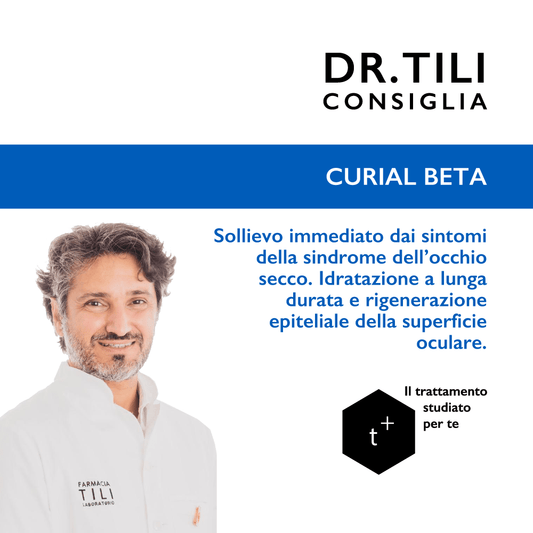
Curial βeta Dry eye supplement 30 capsules Dr.Tili
Vendor:TilpharmaRegular price €22,50Regular priceUnit price per€22,50Sale price €22,50 -
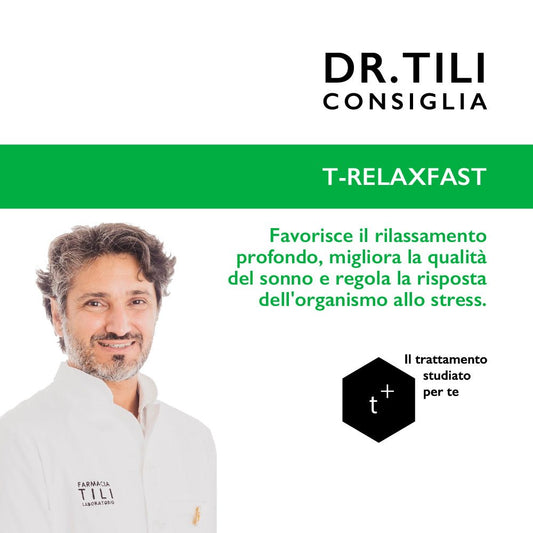
T - Relaxfast Sleep Supplement 60 Capsules Dr.Tili
Vendor:TilpharmaRegular price €24,50Regular priceUnit price per€24,50Sale price €24,50 -
Face Serum C5 Vitamin C 30ml Dr.Tili Skinlab
Vendor:TilabRegular price €62,50Regular priceUnit price per€62,50Sale price €62,50 -
Dr.Tili Skinlab E15 Vitamin E Face Serum 30ml
Vendor:TilabRegular price €32,50Regular priceUnit price per€32,50Sale price €32,50 -
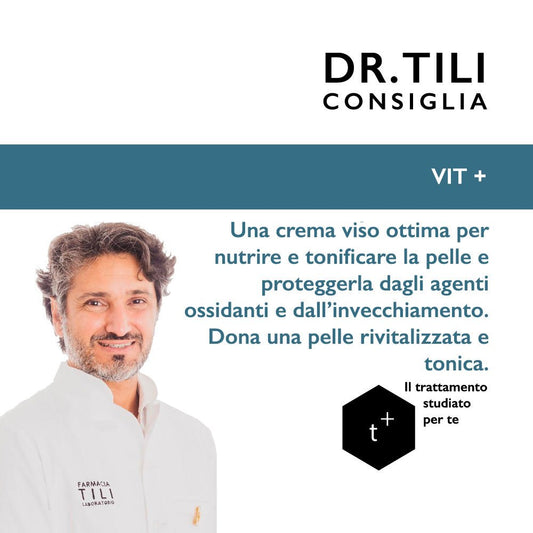
Vit+ Face Vitamin Cream 50ml Dr.Tili Skinlab
Vendor:TilabRegular price €34,00Regular priceUnit price per€34,00Sale price €34,00 -
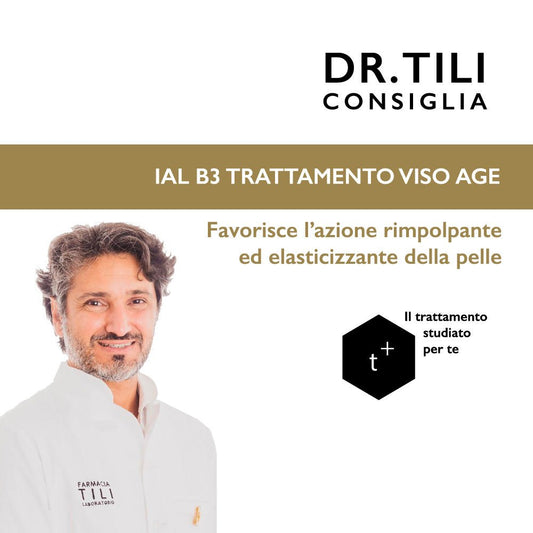
Anti-aging Facial Treatment Hyaluronic Acid IAL B3 30ml Dr.Tili Skinlab
Vendor:TilabRegular price €46,00Regular priceUnit price per€46,00Sale price €46,00 -
Body Milk Hydra Milk 200Ml. Dr.Tili Skinlab
Vendor:TilabRegular price €16,90Regular priceUnit price per€16,90Sale price €16,90 -
Facial Cleansing Milk 150ml Dr.Tili Skinlab
Vendor:TilabRegular price €18,90Regular priceUnit price per€18,90Sale price €18,90 -
Soothing Facial Toner 125ml Dr.Tili Skinlab
Vendor:TilabRegular price €14,50Regular priceUnit price per€14,50Sale price €14,50 -
Soothing Face Cream 50ml Dr.Tili Skinlab
Vendor:TilabRegular price €19,50Regular priceUnit price per€19,50Sale price €19,50












-

ASSISTANCE - TELEPHONE ORDERS
-

SHIPPING
Shipping to Italy 24/48H
Delivery also on Saturday and Sunday
Free over €49.90
Shipping to Europe 24/72H
Free over €80 -

SAFETY
The security of your data is important to us!
We strictly comply with the European GDPR regarding
Privacy and processing of personal data
The payments you make on our site are 100% safe and guaranteed -

RETURNS
Fast returns via DIY portal and 14 days to change your mind.
Immediate and free replacements for incorrect or non-compliant products delivered.


