

Reckitt Benckiser
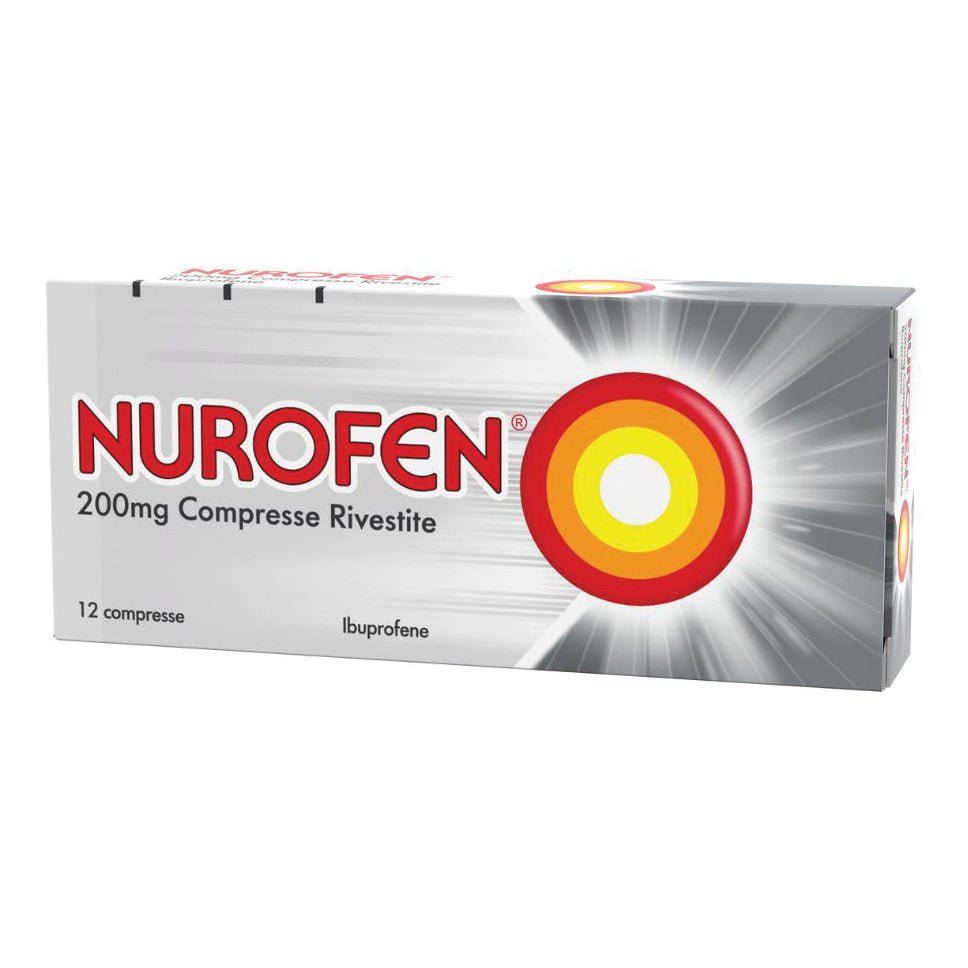
Nurofen 200 mg 12 coated tablets
Nurofen 200 mg 12 coated tablets

Couldn't load pickup availability

NET WEIGHT OF THE PRODUCT
NET WEIGHT OF THE PRODUCT
12ct
EAN
EAN
025634015
MINSAN
MINSAN
025634015
In compliance with article 118 "authorization of advertising to the public" of the legislative decree of 24 April 2006, number 219
INDICATIONS
Pain of various kinds: headache, toothache, neuralgia, muscular and osteoarticular pain, menstrual pain. Adjuvant in the symptomatic treatment of feverish and flu states. Nurofen is indicated in adults and adolescents over 12 years of age
CONTRAINDICATIONS
Hypersensitivity to the active substance or to any of the excipients, listed in paragraph 6.1. Patients who have previously experienced hypersensitivity reactions (e.g. bronchospasm, asthma, rhinitis, angioedema or urticaria) following the use of ibuprofen, acetylsalicylic acid, or other non-steroidal anti-inflammatory products (NSAIDs). Patients with severe hepatic or renal impairment (see section 4.4). Severe heart failure (NYHA class IV) Patients with a history of gastrointestinal bleeding or perforation, related to previous NSAID therapy. Patients with current or previous recurrent peptic ulcers/haemorrhages (two or more distinct episodes of proven ulceration or bleeding). During the last trimester of pregnancy (see section 4.6). Children under 12 years old. Before or after cardiac surgery.
WARNINGS AND PRECAUTIONS FOR USE
Caution is required in patients with coagulation defects. Side effects can be minimized by using the lowest effective dose for the shortest possible treatment duration needed to control symptoms (see gastrointestinal and cardiovascular risks below). Elderly: Elderly patients have an increased frequency of adverse reactions to NSAIDs, especially gastrointestinal bleeding and perforation, which may be fatal (see section 4.2). Pediatric population: in dehydrated adolescents there is a risk of impaired renal function. Respiratory disorders: bronchospasm may occur in patients with bronchial asthma or current or previous allergic diseases. Other NSAIDs: The use of Nurofen should be avoided concomitantly with other NSAIDs, including selective cyclooxygenase-2 inhibitors. (see paragraph 4.5) SLE and mixed connective tissue disease Systemic lupus erythematosus and with mixed connective tissue disease due to increased risk of aseptic meningitis (see section 4.8); Cardiovascular and cerebrovascular effects: caution is required (discuss with your doctor or pharmacist) before starting treatment in patients with a positive history of hypertension and/or heart failure since fluid retention, hypertension and edema have been reported in association with treatment with NSAIDs. Clinical studies suggest that the use of ibuprofen, especially at high doses (2400 mg/day), may be associated with a modest increase in the risk of arterial thrombotic events (e.g. myocardial infarction or stroke). In general, epidemiological studies do not suggest that low doses of ibuprofen (e.g. ≤ 1200 mg/day) are associated with an increased risk of arterial thrombotic events. Patients with uncontrolled hypertension, congestive heart failure (NYHA class II-III), established ischemic heart disease, peripheral arterial disease and/or cerebrovascular disease should be treated with ibuprofen only after careful consideration and high doses (2400 mg/day) should be avoided. Careful consideration must also be exercised before starting long-term treatment for patients with risk factors for cardiovascular events (e.g. hypertension, hyperlipidemia, diabetes mellitus, cigarette smoking habit), especially if high doses (2400 mg/day) of ibuprofen are necessary. Liver or kidney function: • renal failure, as renal function may be compromised (see sections 4.3 and 4.8). In general, the habitual use of analgesics, especially combinations of different analgesic active ingredients, can lead to permanent kidney damage with the risk of the onset of renal failure (analgesic nephropathy). • liver dysfunction (see sections 4.3 and 4.8). Particular caution should be taken when treating patients with reduced hepatic or renal function. In such patients it is advisable to resort to periodic monitoring of clinical and laboratory parameters, especially in case of prolonged treatment. Compromised female fertility: Administration of Nurofen should be avoided in women planning pregnancy (see section 4.6). Gastrointestinal safety: NSAIDs should be administered with caution to patients with a history of gastrointestinal disease (ulcerative colitis, Crohn's disease) as these conditions may be exacerbated (see section 4.8). Gastrointestinal haemorrhage, ulceration and perforation, which may be fatal, have been reported during treatment with all NSAIDs at any time, with or without warning symptoms or previous history of serious gastrointestinal events. In the elderly and in patients with a history of ulcer, especially if complicated by haemorrhage or perforation (see section 4.3), the risk of gastrointestinal haemorrhage, ulceration or perforation is higher with increased doses of NSAIDs. These patients should start treatment with the lowest available dose. The concomitant use of protective agents (e.g. misoprostol or proton pump inhibitors) should be considered for these patients and also for patients taking low doses of acetylsalicylic acid or other drugs that may increase the risk of gastrointestinal events (see section 4.5). Patients with a history of gastrointestinal toxicity, particularly the elderly, should report any unusual gastrointestinal symptoms (especially gastrointestinal haemorrhage) particularly in the initial stages of treatment. Caution should be exercised in patients taking concomitant medications that may increase the risk of ulceration or bleeding, such as oral corticosteroids, anticoagulants such as warfarin, selective serotonin reuptake inhibitors or antiplatelet agents such as acetylsalicylic acid (see section 4.5). When gastrointestinal bleeding or ulceration occurs in patients taking Nurofen, treatment should be discontinued. Severe skin reactions: Serious skin reactions, some of them fatal, including exfoliative dermatitis, Stevens-Johnson syndrome and toxic epidermal necrolysis have been reported rarely in association with the use of NSAIDs (see section 4.8). Patients appear to be at higher risk in the early stages of therapy: the onset of the reaction occurs in most cases within the first month of treatment. Acute generalized exanthematous pustulosis (PEAG) has been reported in connection with ibuprofen-containing medicinal products. Ibuprofen should be discontinued at the first appearance of signs and symptoms of severe skin reactions, such as rash, mucosal lesions or any other sign of hypersensitivity. Masking of symptoms of underlying infections: Nurofen may mask the symptoms of infection, which may delay the initiation of appropriate treatment and therefore worsen the outcome of the infection. This has been observed in community-acquired bacterial pneumonia and bacterial complications of chickenpox. When Nurofen is given for the relief of fever or pain related to infection, monitoring of the infection is advised. In non-hospital settings, the patient should seek medical attention if symptoms persist or worsen. Other: during prolonged treatments with analgesic medicinal products at doses higher than those indicated, headaches may occur which must not be treated with higher doses of the product. Alcohol consumption should be avoided as it can intensify the side effects of NSAIDs, especially those affecting the gastrointestinal tract or central nervous system. At the first signs of hypersensitivity reaction after administration of ibuprofen, treatment should be discontinued. Medically assisted measures must be initiated by specialized medical personnel, in line with the symptoms. Acid ibuprofen can cause a prolongation of the bleeding time by reversibly inhibiting the aggregation of platelets. Important information about some excipients Nurofen contains sucrose: patients suffering from rare hereditary problems of fructose intolerance, glucose-galactose malabsorption, or sucrase isomaltase insufficiency should not take this medicine. Nurofen 200 mg coated tablets contains sodium: this medicine contains less than 1 mmol (23 mg) sodium per tablet (17.34 mg), i.e. essentially 'sodium-free' and just over 1 mmol (23 mg) sodium per 2 tablets (34.68 mg), equivalent to 1.73% of the maximum daily intake recommended by the WHO which corresponds to 2 g sodium for an adult. Nurofen 400 mg coated tablets contain sodium: This medicine contains 34.69 mg sodium per tablet, equivalent to 1.73% of the WHO recommended maximum daily intake of 2 g sodium for an adult.
INTERACTIONS
Ibuprofen should be avoided in association with: - Acetylsalicylic acid: concomitant administration of ibuprofen and acetylsalicylic acid is generally not recommended due to the potential for increased side effects (see section 4.4). Experimental data suggest that ibuprofen can competitively inhibit the effect of low-dose acetylsalicylic acid on platelet aggregation when the two drugs are administered simultaneously. Although there are uncertainties regarding the extrapolation of these data to the clinical situation, the possibility cannot be excluded that regular, long-term use of ibuprofen may reduce the cardioprotective effect of acetylsalicylic acid at low doses. No relevant clinical effects are considered likely following occasional use of ibuprofen (see section 5.1). - Other NSAIDs including selective cyclooxygenase-2 inhibitors: the concomitant use of two or more NSAIDs should be avoided as they may increase the risk of adverse reactions affecting the gastrointestinal tract (see section 4.4). Ibuprofen (like other NSAIDs) should be used with caution in association with: - Corticosteroids: increased risk of gastrointestinal ulceration or haemorrhage (see section 4.4) - Anticoagulants: NSAIDs may increase the effects of anticoagulants, such as warfarin (see section 4.4) - Anti-platelet agents and selective serotonin reuptake inhibitors (SSRIs): increased risk of gastrointestinal haemorrhage (see section 4.4). - Antihypertensives (ACE inhibitors and Angiotensin II Antagonists), diuretics and beta blockers: NSAIDs can reduce the effect of diuretics and other antihypertensive drugs. In some patients with compromised renal function (e.g. dehydrated patients or elderly patients with compromised renal function) co-administration of an ACE inhibitor or an angiotensin II antagonist and agents that inhibit the cyclo-oxygenase system may lead to further deterioration of renal function, including possible acute renal failure, which is usually reversible. These interactions should be considered in patients taking a coxib (such as Nurofen) concomitantly with ACE inhibitors or angiotensin II antagonists. Therefore, the combination should be administered with caution, especially in elderly patients. Patients should be adequately hydrated and consideration should be given to monitoring renal function after initiation of concomitant therapy and at regular intervals thereafter. Diuretics may increase the risk of NSAID nephrotoxicity. - Cardiac glycosides: NSAIDs can worsen heart failure, reduce GFR (glomerular filtration rate) and increase plasma levels of glycosides. - Lithium. There are demonstrations of the possibility of a potential increase in lithium levels in the blood, with the possibility of reaching the toxic threshold. If this combination is necessary, monitor lithium levels in order to adapt the lithium dosage during simultaneous treatment with ibuprofen. - Methotrexate. There is evidence of the possibility of an increase in plasma levels of methotrexate. - Cyclosporins: increase the risk of nephrotoxicity. - Mifepristone: NSAIDs should not be taken for 8-12 days after administration of Mifepristone as NSAIDs may reduce the effects of Mifepristone. - Tacrolimus: possible increased risk of nephrotoxicity when NSAIDs are administered with Tacrolimus. - Zidovudine: increased risk of haematological toxicity when NSAIDs are administered with Zidovudine. There is evidence of an increased risk of haemarthrosis and haematoma in HIV-positive haemophilia patients if treated simultaneously with zidovudine and ibuprofen. - Antibiotics quinolones: Data from animal studies indicate that NSAIDs may increase the risk of seizures associated with quinolone antibiotics. Patients taking NSAIDs and quinolones may have an increased risk of developing seizures. - Alcohol, bisphosphonates and pentoxifylline: can potentiate gastrointestinal side effects and the risk of bleeding and ulcers. - Baclofen: high toxicity of baclofen.
SIDE EFFECTS
The list of the following side effects includes side effects that have been observed during treatment with ibuprofen at self-medication doses (up to a maximum of 1200mg per day). In case of chronic conditions, additional side effects may occur during long-term treatment. The side effects associated with the administration of ibuprofen are listed below according to system organ classification and frequency. For the frequency of occurrence of side effects, the following expressions are used: Very common (≥ 1/10); Municipality (≥ 1/100, <1/10); Uncommon (≥ 1/1000, <1/100); Rare (≥ 1/10.000, <1/1000); Very rare (<1/10,000); Not known (frequency cannot be estimated from the available data). Within each frequency grouping, undesirable effects are presented in order of decreasing seriousness.
Classification by systems and organs | Frequency | Adverse Reaction
Pathologies of the blood and lymphatic system | Very Rare | Hematopoietic disorders¹
Immune system disorders | Uncommon | Hypersensitivity reactions including urticaria and pruritus²
Very Rare | Severe hypersensitivity reactions including swelling of the face, tongue and throat, dyspnoea, tachycardia, hypotension (anaphylaxis, angioedema or severe shock)²
Nervous system disorders | Uncommon | Headache, dizziness
Rare | Cerebrovascular accident9
Very rare | Aseptic meningitis³
Eye pathologies | Very Rare | Visual disturbances
Cardiac diseases | Very rare | Heart failure and edema4
Vascular pathologies | Very rare | Hypertension4
Respiratory, thoracic and mediastinal disorders | Not known | Respiratory tract reactivity including asthma, worsening of asthma, bronchospasm, or dyspnea
Gastrointestinal disorders | Uncommon | Dyspepsia, abdominal pain and nausea5
Rare | Diarrhoea, flatulence, constipation and vomiting
Very rare | Peptic ulcers, gastrointestinal perforation or hemorrhage, melena, hematemesis6, ulcerative stomatitis, gastritis
Not known | Exacerbation of colitis and Crohn's disease7, pancreatitis
Hepatobiliary disorders | Rare | Hepatotoxicity
Very rare | Liver disorders, especially following long-term treatment, hepatitis, jaundice
Pathologies of the skin and subcutaneous tissue | Uncommon | Skin rashes².
Very rare | Erythema multiforme, bullous reactions including Stevens-Johnson syndrome and toxic epidermal necrolysis.²
Not known | Drug reaction with eosinophilia and systemic symptoms (DRESS syndrome), acute generalized exanthematous pustulosis (PEAG), photosensitivity reactions
Renal and urinary disorders | Very rare | Acute renal failure8, hematuria, nephritis, nephrotic syndrome9
Diagnostic tests | Rare | Transaminases increased, alkaline phosphatase increased, hematocrit decreased, bleeding time prolonged, blood calcium decreased, uric acid increased
Very rare | Decreased hemoglobin level in the blood
Description of some side effects 1 Examples include anemia, leukopenia, thrombocytopenia, pancytopenia, agranulocytosis). The first manifestations are: fever, sore throat, superficial ulcers of the oral cavity, flu-like symptoms, severe fatigue, bruises and unexplained bleeding. ² Hypersensitivity reactions: these reactions may include a) non-specific allergic reactions and anaphylaxis, b) respiratory tract reactivity including asthma, worsening of asthma, bronchospasm or dyspnoea or c) various skin conditions such as various skin rashes, pruritus, urticaria, purpura, angioedema and very rarely bullous and exfoliative dermatitis including toxic epidermal necrolysis, Stevens-Johnson syndrome and erythema multiforme. ³ The pathogenesis of drug-induced aseptic meningitis is not completely understood. However, the data available on aseptic meningitis related to the administration of NSAIDs leads us to think of an immune hypersensitivity reaction (due to a temporary relationship with the intake of the medicine and the disappearance of symptoms after discontinuation of treatment). Of note, individual cases of aseptic meningitis symptoms (such as stiff neck, headache, nausea, vomiting, fever and disorientation) have been observed during treatment with ibuprofen in patients with autoimmune disorders (such as systemic lupus erythematosus, mixed connective tissue disease). 4 Clinical studies suggest that the use of ibuprofen, especially at high doses (2400 mg/day) may be associated with a modest increase in the risk of arterial thrombotic events (e.g. myocardial infarction or stroke) (see section 4.4) 5 The most commonly observed adverse reactions are gastrointestinal in nature. 6 sometimes fatal, particularly in the elderly 7 see paragraph 4.4 8 particularly following long-term treatment, associated with increased serum urea concentrations. Decreased urea excretion and edema. Also includes papillary necrosis 9 reported as an effect of NSAID class Reporting of suspected adverse reactions Reporting suspected adverse reactions that occur after authorization of the medicine is important, as it allows continuous monitoring of the benefit/risk balance of the medicine. Healthcare professionals are asked to report any suspected adverse reactions via the national reporting system at: https://www.aifa.gov.it/content/segnalazioni-reazioniavverse.
OUR PRODUCTS FOR THIS SEASON
-
Curial βeta Dry eye supplement 30 capsules Dr.Tili
Vendor:TilpharmaRegular price €22,50Regular priceUnit price per€22,50Sale price €22,50 -
T - Relaxfast Sleep Supplement 60 Capsules Dr.Tili
Vendor:TilpharmaRegular price €24,50Regular priceUnit price per€24,50Sale price €24,50 -
Face Serum C5 Vitamin C 30ml Dr.Tili Skinlab
Vendor:TilabRegular price €62,50Regular priceUnit price per€62,50Sale price €62,50 -
Dr.Tili Skinlab E15 Vitamin E Face Serum 30ml
Vendor:TilabRegular price €32,50Regular priceUnit price per€32,50Sale price €32,50 -
Vit+ Face Vitamin Cream 50ml Dr.Tili Skinlab
Vendor:TilabRegular price €34,00Regular priceUnit price per€34,00Sale price €34,00 -
Anti-aging Facial Treatment Hyaluronic Acid IAL B3 30ml Dr.Tili Skinlab
Vendor:TilabRegular price €46,00Regular priceUnit price per€46,00Sale price €46,00 -
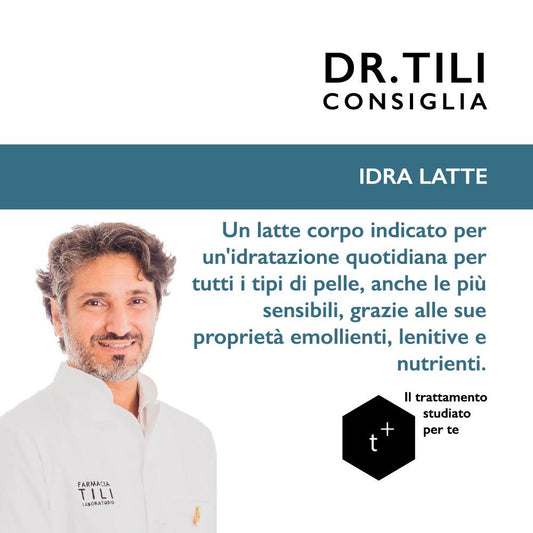
Body Milk Hydra Milk 200Ml. Dr.Tili Skinlab
Vendor:TilabRegular price €16,90Regular priceUnit price per€16,90Sale price €16,90 -
Facial Cleansing Milk 150ml Dr.Tili Skinlab
Vendor:TilabRegular price €18,90Regular priceUnit price per€18,90Sale price €18,90 -
Soothing Facial Toner 125ml Dr.Tili Skinlab
Vendor:TilabRegular price €14,50Regular priceUnit price per€14,50Sale price €14,50 -
Soothing Face Cream 50ml Dr.Tili Skinlab
Vendor:TilabRegular price €19,50Regular priceUnit price per€19,50Sale price €19,50
















-

ASSISTANCE - TELEPHONE ORDERS
-

SHIPPING
Shipping to Italy 24/48H
Delivery also on Saturday and Sunday
Free over €49.90
Shipping to Europe 24/72H
Free over €80 -

SAFETY
The security of your data is important to us!
We strictly comply with the European GDPR regarding
Privacy and processing of personal data
The payments you make on our site are 100% safe and guaranteed -

RETURNS
Fast returns via DIY portal and 14 days to change your mind.
Immediate and free replacements for incorrect or non-compliant products delivered.


