

Opella Healthcare
Mucosolvan 15mg/5ml syrup wild berries flavour 200ml
Mucosolvan 15mg/5ml syrup wild berries flavour 200ml
Couldn't load pickup availability

NET WEIGHT OF THE PRODUCT
NET WEIGHT OF THE PRODUCT
200ml
EAN
EAN
024428272
MINSAN
MINSAN
024428272

In compliance with article 118 "authorization of advertising to the public" of the legislative decree of 24 April 2006, number 219
INDICATIONS
Treatment of secretion disorders in acute and chronic bronchopulmonary diseases.
CONTRAINDICATIONS
Hypersensitivity to the active substance or to any of the excipients. Severe hepatic and renal alterations. The drug is contraindicated in children under 2 years of age.
WARNINGS AND PRECAUTIONS FOR USE
Ambroxol hydrochloride should be administered with caution to patients with peptic ulcers. Cases of serious skin reactions such as erythema multiforme, Stevens-Johnson syndrome (SJS)/toxic epidermal necrolysis (TEN) and acute generalized exanthematous pustulosis (AGEP) have been reported in association with the administration of ambroxol hydrochloride. If symptoms or signs of progressive skin rash (sometimes associated with blisters or mucosal lesions) are present, treatment with ambroxol hydrochloride should be stopped immediately and a doctor should be consulted. Most of these reactions could be explained by the severity of underlying diseases or other concomitant medications. Furthermore, in the initial phase of Stevens Johnson syndrome or toxic epidermal necrolysis (TEN), patients may initially experience non-specific symptoms similar to those of the flu, such as fever, chills, rhinitis, cough and sore throat. Because of these misleading symptoms, symptomatic treatment with cough and cold therapy may be undertaken. In case of impaired kidney function, Mucosolvan can only be used after consulting your doctor. Mucolytics can induce bronchial obstruction in children under 2 years of age. In fact, the drainage capacity of bronchial mucus is limited in this age group, due to the physiological characteristics of the respiratory tract. They should therefore not be used in children under 2 years of age (see section 4.3).
INTERACTIONS
Following the administration of ambroxol, the concentrations of antibiotics (amoxicillin, cefuroxime, erythromycin) in bronchopulmonary secretions and saliva are increased. No interactions with other medicinal products have been reported.
SIDE EFFECTS
Adverse reactions are listed below by system organ class and frequency, according to the following categories: Very common ≥ 1/10 Common ≥ 1/100, < 1/10 Uncommon ≥ 1/1,000, < 1/100 Rare ≥ 1/10,000, < 1/1,000 Very rare < 1/10,000 Not known frequency cannot be defined on the basis of available data. Immune system disorders: Rare: hypersensitivity reactions. Not known: anaphylactic reactions including anaphylactic shock, angioedema and pruritus. Skin and subcutaneous tissue disorders: Rare: rash, urticaria. Not known: serious cutaneous adverse reactions (including erythema multiforme, Stevens-Johnson syndrome/toxic epidermal necrolysis and acute generalized exanthematous pustulosis). Nervous system disorders: Common: dysgeusia. Gastrointestinal disorders: Common: nausea, oral hypoesthesia. Uncommon: vomiting, diarrhoea, dyspepsia, abdominal pain, dry mouth. Rare: dry throat. Heartburn has also been reported. Respiratory, thoracic and mediastinal disorders: Common: Pharyngeal hypoesthesia. Reporting of suspected adverse reactions Reporting suspected adverse reactions that occur after authorization of the medicine is important, as it allows continuous monitoring of the benefit/risk balance of the medicine. Healthcare professionals are asked to report any suspected adverse reactions via the national reporting system at www.agenziafarmaco.gov.it/content/come-segnalare-una-sospetti-reazione-avversa.
OUR PRODUCTS FOR THIS SEASON
-
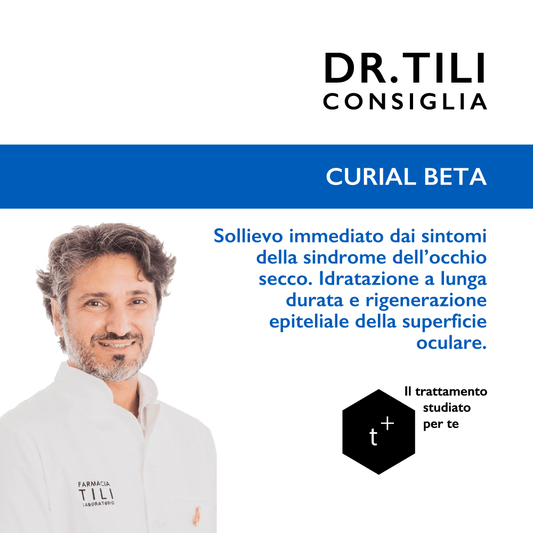
Curial βeta Dry eye supplement 30 capsules Dr.Tili
Vendor:TilpharmaRegular price €22,50Regular priceUnit price per€22,50Sale price €22,50 -
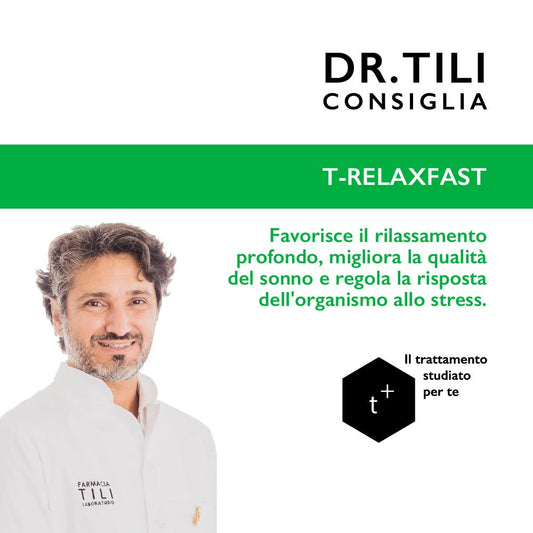
T - Relaxfast Sleep Supplement 60 Capsules Dr.Tili
Vendor:TilpharmaRegular price €24,50Regular priceUnit price per€24,50Sale price €24,50 -
Face Serum C5 Vitamin C 30ml Dr.Tili Skinlab
Vendor:TilabRegular price €62,50Regular priceUnit price per€62,50Sale price €62,50 -
Dr.Tili Skinlab E15 Vitamin E Face Serum 30ml
Vendor:TilabRegular price €32,50Regular priceUnit price per€32,50Sale price €32,50 -
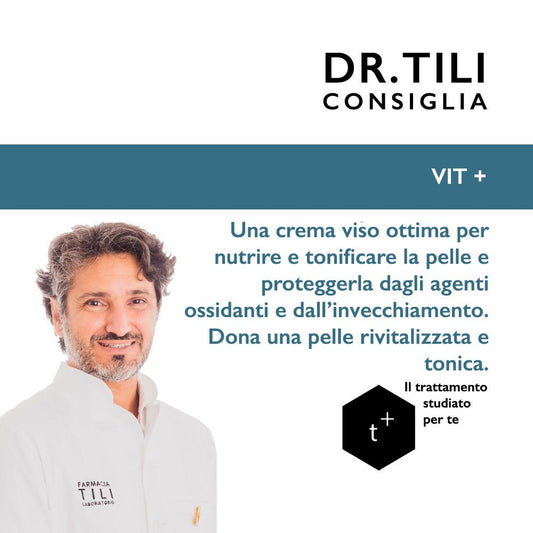
Vit+ Face Vitamin Cream 50ml Dr.Tili Skinlab
Vendor:TilabRegular price €34,00Regular priceUnit price per€34,00Sale price €34,00 -
Anti-aging Facial Treatment Hyaluronic Acid IAL B3 30ml Dr.Tili Skinlab
Vendor:TilabRegular price €46,00Regular priceUnit price per€46,00Sale price €46,00 -
Body Milk Hydra Milk 200Ml. Dr.Tili Skinlab
Vendor:TilabRegular price €16,90Regular priceUnit price per€16,90Sale price €16,90 -
Facial Cleansing Milk 150ml Dr.Tili Skinlab
Vendor:TilabRegular price €18,90Regular priceUnit price per€18,90Sale price €18,90 -
Soothing Facial Toner 125ml Dr.Tili Skinlab
Vendor:TilabRegular price €14,50Regular priceUnit price per€14,50Sale price €14,50 -
Soothing Face Cream 50ml Dr.Tili Skinlab
Vendor:TilabRegular price €19,50Regular priceUnit price per€19,50Sale price €19,50










-

ASSISTANCE - TELEPHONE ORDERS
-

SHIPPING
Shipping to Italy 24/48H
Delivery also on Saturday and Sunday
Free over €49.90
Shipping to Europe 24/72H
Free over €80 -

SAFETY
The security of your data is important to us!
We strictly comply with the European GDPR regarding
Privacy and processing of personal data
The payments you make on our site are 100% safe and guaranteed -

RETURNS
For returns, contact our customer service: you have 14 days to change your mind.
Immediate, free replacement of wrong or non-conforming products.


