


Sanofi
Mag 2 Orosolubile 20 Sachets 2.25 g
Mag 2 Orosolubile 20 Sachets 2.25 g
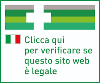
Mag 2 Orosolubile is a magnesium supplement in convenient orodispersible sachets , ideal for magnesium deficiency associated with tiredness , fatigue , muscle cramps , and irritability . With 184 mg of magnesium per sachet, it supports the proper functioning of muscles and the nervous system , helping to reduce the feeling of physical and mental tiredness with a quick intake, without water.
Couldn't load pickup availability

NET WEIGHT OF THE PRODUCT
NET WEIGHT OF THE PRODUCT
45g
EAN
EAN
025519048
MINSAN
MINSAN
025519048
INDICATIONS
Magnesium deficiency states.
ACTIVE INGREDIENTS
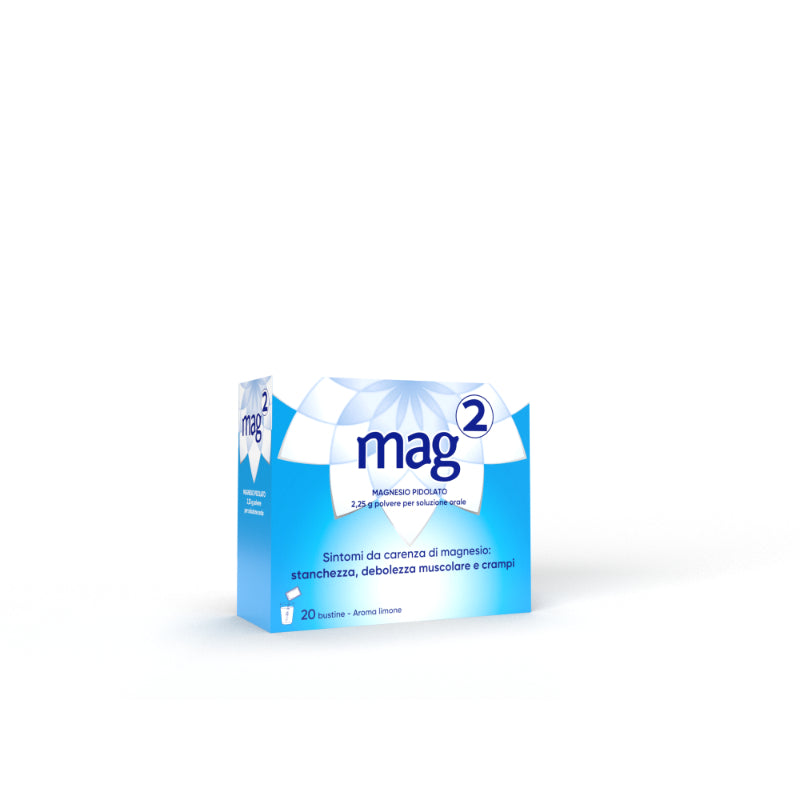
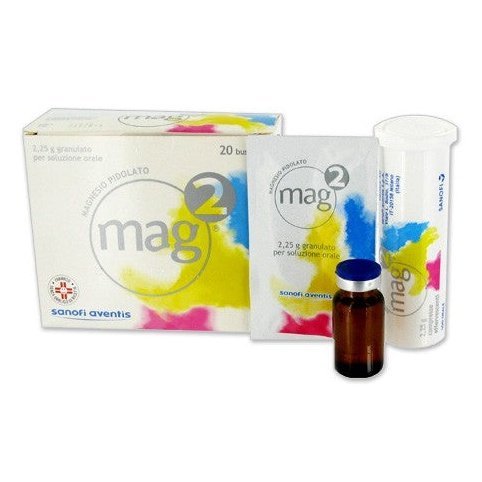
One vial of oral solution contains: active ingredient: magnesium pidolate 1,500 g (corresponding to 122 mg of Mg ion++). Excipients with known effects: sucrose, sodium methyl parahydroxybenzoate, sodium propyl parahydroxybenzoate. A single-dose sachet of oral solution contains:active ingredient: magnesium pidolate 1,500 g (corresponding to 122 mg of Mg ion++). Excipients with known effects: sucrose, sodium methyl parahydroxybenzoate, sodium propyl parahydroxybenzoate. One sachet of powder for oral solution contains: active ingredient: magnesium pidolate 2,250 g (corresponding to 184 mg of Mg ion++). Excipients with known effects: sucrose. For the full list of excipients, see section 6.1.
EXCIPIENTS
MAG2 1.5 g/10 ml oral solution Sucrose, orange flavour, sodium methyl parahydroxybenzoate, sodium propyl parahydroxybenzoate, purified water. MAG2 2.25 g powder for oral solution Sodium saccharin, citric acid monohydrate, sucrose, lemon flavour.
CONTRAINDICATIONS AND SIDE EFFECTS
Hypersensitivity to the active substance or to any of the excipients listed in paragraph 6.1. Severe renal insufficiency (creatinine clearance less than 30 mL/min). Not to be administered to subjects undergoing digitalis therapy.
DOSAGE
Dosage For adults only: 3 vials or 3 single-dose sachets of solution or 2 sachets of powder per day. Pediatric population In children, the dosage may be established by the doctor after consulting them. Warning: use only for short treatment periods. Instructions for use MAG2 1.5 g/10 ml oral solution: It is advisable to shake before use. To open the vial, twist the top and peel it off. Take the contents of the vial as is or dilute it in water. MAG2 2.25 g powder for oral solution: Dissolve the contents of a sachet in water.
CONSERVATION
Oral solution: Store below 25°C. Powder for oral solution: This medicinal product does not require any special storage conditions.
WARNINGS
If there is concomitant calcium deficiency, the magnesium deficiency must be corrected before administering supplemental calcium. In patients with moderate renal insufficiency it is necessary to reduce the dosage and monitor renal function and magnesemia, due to the risk associated with hypermagnesemia. It is appropriate to consider the possibility that depression of cardiovascular activity may occur during treatment. Each vial of MAG2 solution contains 3.5 g of sucrose. Each single-dose sachet of MAG2 solution contains 3.5 g of sucrose. Each sachet of MAG2 powder contains 2.985 g of sucrose. If taken in accordance with the recommended dose, the daily intake of sucrose corresponds to 10.5 g for vials and single-dose sachets of solution and 5.97 g for sachets of powder. Patients suffering from rare hereditary problems of fructose intolerance, glucose-galactose malabsorption, or sucrase-isomaltase insufficiency should not take this medicine. MAG2 oral solution contains parahydroxybenzoates (sodium methyl parahydroxybenzoate and sodium propyl parahydroxybenzoate): may cause allergic reactions (even delayed). MAG2 vials, single-dose sachets of solution and powder for oral solution contain less than 1 mmol (23 mg) sodium per vial or sachet, i.e. they are essentially “sodium-free”.
INTERACTIONS
In case of concomitant treatment with oral tetracyclines, the administration of MAG2 must be delayed for at least 3 hours. Quinolones should be administered at least 2 hours before or 6 hours after administration of magnesium products to avoid interference with their absorption. Concomitant administration of magnesium-based products and cholecalciferol (vitamin D3) can lead to the appearance of hypercalcemia. The concomitant use of preparations containing calcium or phosphate salts is not recommended as these products prevent the intestinal absorption of magnesium. The simultaneous intake of magnesium-based products with drugs that depress the Central Nervous System can enhance the effects of magnesium on the CNS and must be carefully evaluated.
SIDE EFFECTS
The following convention has been used for the classification of undesirable effects: very common ≥ 1/10; common ≥ 1/100 and < 1/10; uncommon ≥ 1/1000 and < 1/100; rare ≥ 1/10,000 and < 1/1,000); very rare < 1/10,000 and not known (frequency cannot be estimated from the available data). Gastrointestinal disorders. Frequency not known: gastrointestinal disorders, diarrhoea, abdominal pain. Pathologies of the skin and subcutaneous tissue. Frequency not known: skin reactions. Immune system disorders. Frequency not known: hypersensitivity. Exceptional cases of individual intolerance to magnesium have been reported, which can be treated with oral or parenteral antihistamines. Reporting of suspected adverse reactions Reporting suspected adverse reactions that occur after authorization of the medicine is important, as it allows continuous monitoring of the benefit/risk balance of the medicine. Healthcare professionals are asked to report any suspected adverse reactions via the national reporting system at https://www.aifa.gov.it/web/guest/content/segnalazioni-reazioni-avverse.
OVERDOSE
Signs and symptoms Overdose of oral magnesium does not, in general, induce toxic reactions in the presence of normal renal function. Magnesium poisoning can, however, develop in cases of severe kidney failure. The toxic effect depends mainly on serum magnesium levels and the signs are as follows: drop in blood pressure, nausea, vomiting, depression of the Central Nervous System, decreased reflexes, ECG abnormalities (e.g. cardiac rhythm disturbances), onset of respiratory depression, coma, cardiac arrest, respiratory paralysis, anuric syndrome and disorders of neuromuscular transmission. Therapy Treatment must include rehydration with restoration of abundant diuresis or forced diuresis. In the presence of renal failure, hemodialysis or peritoneal dialysis is necessary.
PREGNANCY AND BREASTFEEDING
Limited data are available on the use of MAG2 in pregnant women. However, no conclusions can be drawn about whether the use of MAG2 is safe during pregnancy. MAG2 can be used during pregnancy only if the potential benefits to the mother outweigh the potential risks, including those to the fetus. Magnesium is considered compatible with breastfeeding.
EFFECTS ON DRIVING ABILITY
No particular recommendations.
OUR PRODUCTS FOR THIS SEASON
-
Curial βeta Dry eye supplement 30 capsules Dr.Tili
Vendor:TilpharmaRegular price €22,50Regular priceUnit price per€22,50Sale price €22,50 -
T - Relaxfast Sleep Supplement 60 Capsules Dr.Tili
Vendor:TilpharmaRegular price €24,50Regular priceUnit price per€24,50Sale price €24,50 -
Face Serum C5 Vitamin C 30ml Dr.Tili Skinlab
Vendor:TilabRegular price €62,50Regular priceUnit price per€62,50Sale price €62,50 -
Dr.Tili Skinlab E15 Vitamin E Face Serum 30ml
Vendor:TilabRegular price €32,50Regular priceUnit price per€32,50Sale price €32,50 -
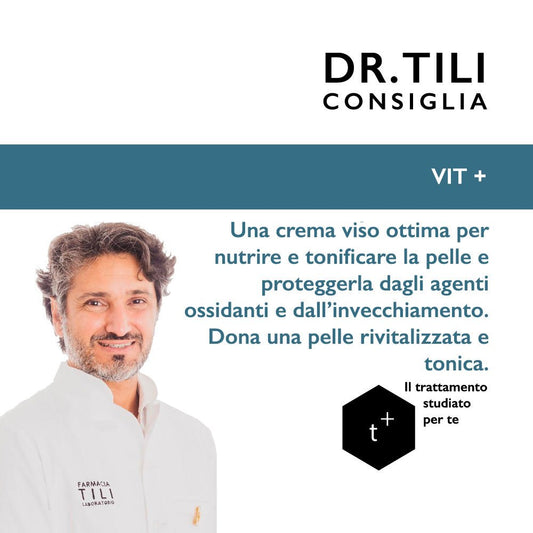
Vit+ Face Vitamin Cream 50ml Dr.Tili Skinlab
Vendor:TilabRegular price €34,00Regular priceUnit price per€34,00Sale price €34,00 -
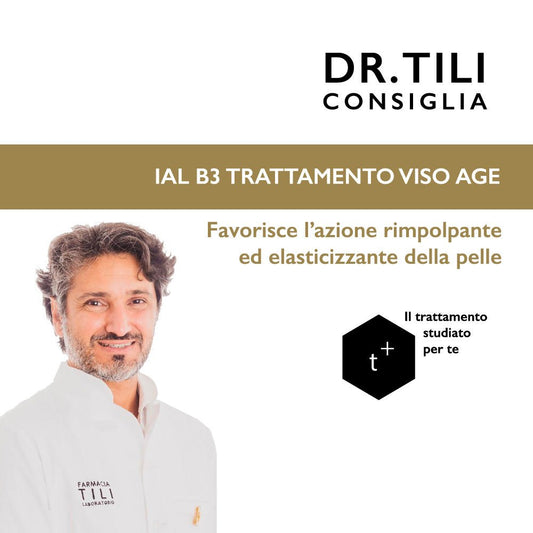
Anti-aging Facial Treatment Hyaluronic Acid IAL B3 30ml Dr.Tili Skinlab
Vendor:TilabRegular price €46,00Regular priceUnit price per€46,00Sale price €46,00 -
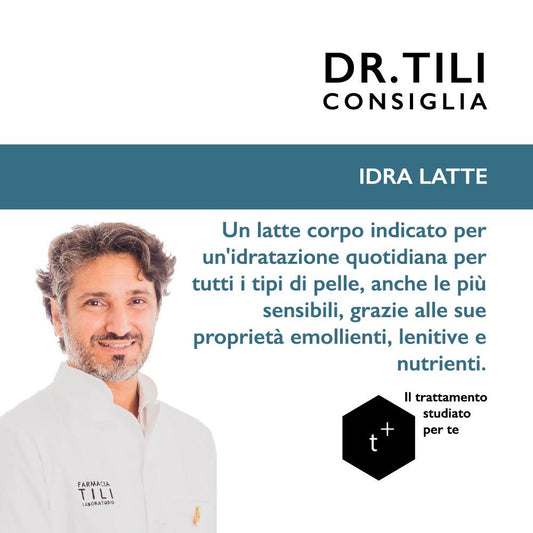
Body Milk Hydra Milk 200Ml. Dr.Tili Skinlab
Vendor:TilabRegular price €16,90Regular priceUnit price per€16,90Sale price €16,90 -
Facial Cleansing Milk 150ml Dr.Tili Skinlab
Vendor:TilabRegular price €18,90Regular priceUnit price per€18,90Sale price €18,90 -
Soothing Facial Toner 125ml Dr.Tili Skinlab
Vendor:TilabRegular price €14,50Regular priceUnit price per€14,50Sale price €14,50 -
Soothing Face Cream 50ml Dr.Tili Skinlab
Vendor:TilabRegular price €19,50Regular priceUnit price per€19,50Sale price €19,50













-

ASSISTANCE - TELEPHONE ORDERS
-

SHIPPING
Shipping to Italy 24/48H
Delivery also on Saturday and Sunday
Free over €49.90
Shipping to Europe 24/72H
Free over €80 -

SAFETY
The security of your data is important to us!
We strictly comply with the European GDPR regarding
Privacy and processing of personal data
The payments you make on our site are 100% safe and guaranteed -

RETURNS
Fast returns via DIY portal and 14 days to change your mind.
Immediate and free replacements for incorrect or non-compliant products delivered.


