

Opella Healthcare
Maalox 4% + 3.5% 250 ml oral suspension mint flavour
Maalox 4% + 3.5% 250 ml oral suspension mint flavour
Maalox 4% + 3.5% mint oral suspension is an antacid indicated for occasional heartburn and gastric hyperacidity . Based on magnesium hydroxide and aluminum hydroxide , it neutralizes excess acid and provides rapid relief from acidity , gastric reflux , and difficult digestion . The practical mint-flavored suspension is ideal for use as needed and promotes digestive well-being .
Couldn't load pickup availability

NET WEIGHT OF THE PRODUCT
NET WEIGHT OF THE PRODUCT
EAN
EAN
020702282
MINSAN
MINSAN
020702282
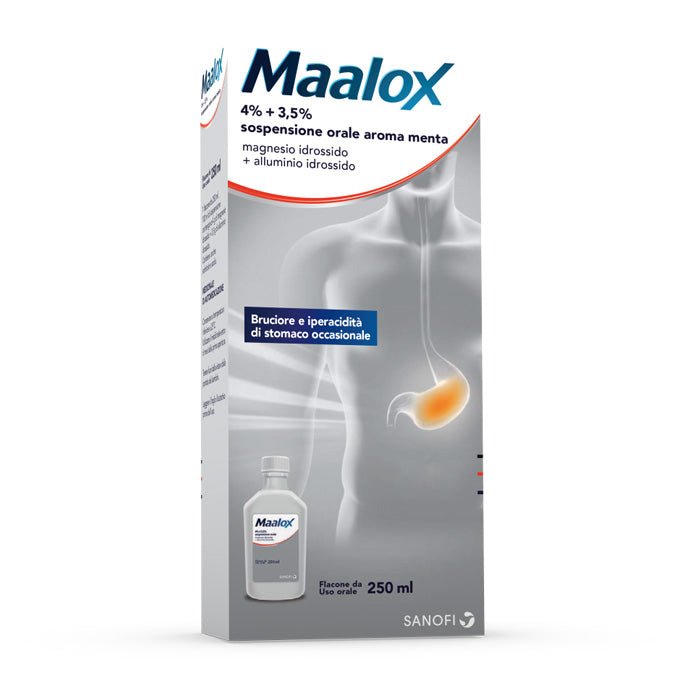
Maalox 4% + 3.5% 250 ml oral suspension mint flavour is an antacid in oral suspension, specifically formulated for the symptomatic treatment of occasional heartburn and gastric hyperacidity . Its composition is based on a combination of magnesium hydroxide (4%) and aluminium hydroxide (3.5%) , two active ingredients known for their effectiveness in neutralising excess acid in the stomach, providing rapid relief from the symptoms of heartburn , gastric reflux and difficult digestion .
The suspension, with a pleasant mint aroma , is contained in a practical 250 ml PET bottle , ideal for prolonged use and for those who want a product that is easy to dose. Maalox oral suspension acts locally, forming a protective barrier on the gastric mucosa and counteracting the sensation of abdominal swelling and the discomfort associated with hyperacidity. The presence of sorbitol and sodium saccharin among the excipients makes the suspension pleasant to the palate and also suitable for those who need a product with a low sodium content.
Thanks to its targeted action, Maalox 4% + 3.5% mint flavor is the ideal solution for those looking for a quick and effective symptomatic treatment against the most common gastric disorders, such as heartburn and acidity, without giving up the pleasure of a fresh and delicate taste. The formulation is suitable for daily use in case of need, offering reliable support for digestive well-being.
ACTIVE INGREDIENTS
Active ingredients contained in Maalox 4% + 3.5% 250 ml oral suspension mint flavour - What is the active ingredient in Maalox 4% + 3.5% 250 ml oral suspension mint flavour?
100 ml of suspension contain : - Active ingredients: magnesium hydroxide 4.00 g aluminium hydroxide 3.5 g equivalent to aluminium oxide 2.3 g Excipients with known effect: 10 ml contain 0.31 mg sodium and 100.03 mg sorbitol. For the full list of excipients, see section 6.1.EXCIPIENTS
Composition of Maalox 4% + 3.5% 250 ml oral suspension mint flavour - What does Maalox 4% + 3.5% 250 ml oral suspension mint flavour contain?
Hydrochloric acid (10%), citric acid (monohydrate), mint essence, mannitol (E421), domiphene bromide, sodium saccharin , 70% non-crystallizing liquid sorbitol (E420), 30% hydrogen peroxide solution and purified water.DIRECTIONS
Therapeutic indications Maalox 4% + 3.5% 250 ml oral suspension mint flavour - Why is Maalox 4% + 3.5% 250 ml oral suspension mint flavour used? What is it used for?
Symptomatic treatment of occasional heartburn and hyperacidity of the stomach.CONTRAINDICATIONS AND SIDE EFFECTS
Contraindications Maalox 4% + 3.5% 250 ml oral suspension mint flavour - When should Maalox 4% + 3.5% 250 ml oral suspension mint flavour not be used?
- Hypersensitivity to the active substances or to any of the excipients listed in section 6.1. - Patients with porphyria (see section 4.4). - Severe forms of renal insufficiency (see section 4.4). - Contraindicated in paediatric age (see section 4.2). - State of cachexia.DOSAGE
Quantity and method of taking Maalox 4% + 3.5% 250 ml oral suspension mint flavour - How do you take Maalox 4% + 3.5% 250 ml oral suspension mint flavour?
Dosage Ingest 2 to 4 teaspoons (10-20 ml) of oral suspension 4 times daily, 20-60 minutes after meals and at bedtime. Do not exceed the maximum indicated dose of 16 teaspoons. Paediatric population MAALOX is contraindicated in children and adolescents under 18 years of age (see section 4.3). Method of administration For oral use. Shake well before use.CONSERVATION
Storage Maalox 4% + 3.5% 250 ml oral suspension mint flavour - How do you store Maalox 4% + 3.5% 250 ml oral suspension mint flavour?
Store below 25°C. For storage conditions after first opening, see section 6.3.WARNINGS
Warnings Maalox 4% + 3.5% 250 ml oral suspension mint flavour - It is important to know that Maalox 4% + 3.5% 250 ml oral suspension mint flavour:
Aluminium hydroxide may cause constipation and an overdose of magnesium salts may cause intestinal hypomotility (see section 4.8); high doses of this medicinal product may cause or aggravate intestinal obstruction and ileus in patients at higher risk, such as those with renal impairment, with underlying constipation, with impaired intestinal motility, in children (0 to 24 months), or in the elderly (see section 4.9). Aluminium hydroxide is not well absorbed from the gastrointestinal tract, and systemic effects are therefore rare in patients with normal renal function. However, excessive doses or long-term use, or even normal doses in patients on low-phosphorus diets or in children (0 to 24 months), may lead to phosphate elimination (due to an aluminium-phosphate bond) accompanied by increased bone resorption and hypercalciuria with risk of osteomalacia (see section 4.8). Monitoring of patients with long-term use or patients at risk of hypophosphatemia is recommended. In patients with renal impairment, plasma levels of aluminium and magnesium tend to increase, causing hyperaluminemia and hypermagnesemia, respectively. In these patients, long-term exposure to high doses of aluminium and magnesium salts may lead to encephalopathy, dementia, microcytic anemia or worsening of dialysis-induced osteomalacia. In the presence of mild and moderate forms of renal impairment, the medicinal product should be taken under medical supervision and prolonged use of the medicinal product should be avoided. Administration of this medicinal product to patients with severe forms of renal insufficiency is contraindicated (see section 4.3). Aluminium hydroxide may not be safe in patients with porphyria undergoing haemodialysis. MAALOX is contraindicated in patients with porphyria (see section 4.3). This medicinal product contains approximately 100 mg of sorbitol in 10 ml (2 teaspoons). Patients with hereditary fructose intolerance should not be given this medicine. This medicinal product contains less than 1 mmol sodium (23 mg) per dose, i.e. essentially “sodium-free”. Paediatric population In young children, the use of magnesium hydroxide may lead to hypermagnesaemia, particularly if they have renal impairment or dehydration.INTERACTIONS
Interactions Maalox 4% + 3.5% 250 ml oral suspension mint flavour - Which medicines or foods can modify the effect of Maalox 4% + 3.5% 250 ml oral suspension mint flavour?
Since Al and Mg salts reduce the gastrointestinal absorption of tetracyclines, it is recommended to avoid taking MAALOX during oral tetracycline therapy. The use of antacids containing aluminum may reduce the absorption of drugs such as H 2 -antagonists, atenolol, cefdinir, cefpodoxime, chloroquine, tetracyclines, diflunisal, digoxin, bisphosphonates, ethambutol, fluoroquinolones, sodium fluoride, glucocorticoids, indomethacin, isoniazid, ketoconazole, levothyroxine, lincosamides, metoprolol, phenothiazine neuroleptics, penicillamine, propranolol, rosuvastatin, iron salts. Caution is advised when the medicinal product is taken with polystyrene sulfonate (Kayexalate) due to the potential risk of reduced efficacy of the resin in binding potassium, metabolic alkalosis in patients with renal impairment (reported with aluminium hydroxide and magnesium hydroxide) and intestinal obstruction (reported with aluminium hydroxide). Aluminium hydroxide and citrates may cause hyperaluminemia, especially in patients with renal impairment. Allow at least two hours (4 for fluoroquinolones) to elapse before taking MAALOX to avoid interactions with other drugs. Concomitant use of quinidine may increase serum quinidine levels and lead to quinidine overdose. Concomitant use of aluminium hydroxide and citrates may increase aluminium levels, particularly in patients with renal insufficiency. Alkalinization of urine following administration of magnesium hydroxide may alter the excretion of some drugs; therefore, increased excretion of salicylates was observed.SIDE EFFECTS
Like all medicines, Maalox 4% + 3.5% 250 ml oral suspension mint flavour can cause side effects - What are the side effects of Maalox 4% + 3.5% 250 ml oral suspension mint flavour?
The frequency of adverse reactions listed below is defined using the following conventions: common (≥1/100, <1/10); uncommon (≥1/1,000, <1/100); rare (≥1/10,000, <1/1,000); very rare (<1/10,000); not known (cannot be estimated from the available data). Immune system disorders. Frequency not known : angioedema, anaphylactic reactions, hypersensitivity reactions, urticaria, pruritus. Gastrointestinal disorders. Uncommon : diarrhoea or constipation (see section 4.4); Frequency not known : abdominal pain. Metabolism and nutrition disorders. Very rare : hypermagnesaemia, including observations after prolonged administration to patients with renal impairment; Frequency not known: hyperaluminaemia, hypophosphatemia, during prolonged use or at high doses or even at normal doses of the medicinal product in patients with low phosphorus diets or in children (0 to 24 months), which may cause increased bone resorption, hypercalciuria, osteomalacia (see section 4.4). Reporting of suspected adverse reactions Reporting suspected adverse reactions that occur after authorisation of the medicinal product is important. It allows continued monitoring of the benefit/risk balance of the medicinal product. Healthcare professionals are asked to report any suspected adverse reactions via the national reporting system at: http://www.aifa.gov.it/content/segnalazioni-reazioni-avverse.OVERDOSE
Overdose Maalox 4% + 3.5% 250 ml oral suspension mint flavour - What are the risks of Maalox 4% + 3.5% 250 ml oral suspension mint flavour in case of overdose?
Experience with deliberate overdose is very limited. Cases of overdose with aluminium salts are more likely to occur in patients with chronic severe renal impairment with the following symptoms: encephalopathy, convulsions and dementia, hypermagnesemia. The most frequently reported symptoms of acute overdose with aluminium hydroxide and in combination with magnesium salts include diarrhoea, abdominal pain and vomiting. High doses of this medicinal product may cause or aggravate intestinal obstruction and ileus in patients at risk (see section 4.4). Treatment should be symptomatic, with general supportive measures. Aluminium and magnesium are eliminated by urinary excretion; treatment of magnesium overdose includes rehydration and forced diuresis. In cases of renal insufficiency, haemodialysis or peritoneal dialysis is necessary.PREGNANCY AND BREASTFEEDING
If you are pregnant or breast-feeding, think you may be pregnant or are planning to have a baby, ask your doctor for advice before taking Maalox 4% + 3.5% 250 ml oral suspension mint flavour.
Pregnancy The medicinal product should be used only in case of necessity, under the direct supervision of a doctor, after evaluating the expected benefit for the mother in relation to the possible risk for the fetus or the infant. Breastfeeding Due to the limited maternal absorption when taken according to the indicated dosage regimen (see section 4.2), aluminium hydroxide and its combinations with magnesium salts are considered compatible with breastfeeding.DRIVING AND USE OF MACHINERY
Taking Maalox 4% + 3.5% 250 ml oral suspension mint flavour before driving or using machines - Does Maalox 4% + 3.5% 250 ml oral suspension mint flavour affect driving or using machines?
MAALOX does not alter the ability to drive vehicles or use machinery.OUR PRODUCTS FOR THIS SEASON
-
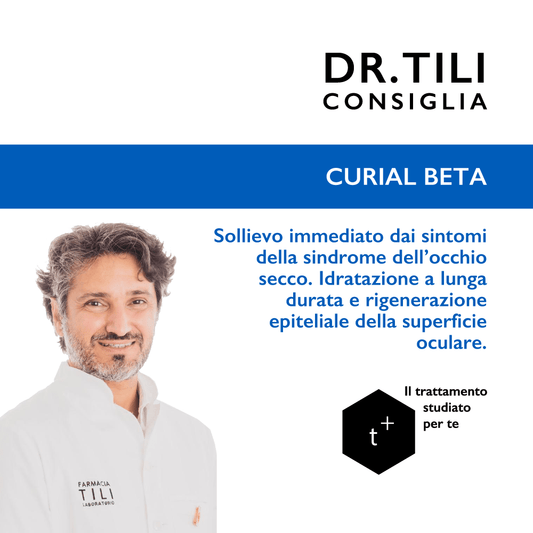
Curial βeta Dry eye supplement 30 capsules Dr.Tili
Vendor:TilpharmaRegular price €22,50Regular priceUnit price per€22,50Sale price €22,50 -
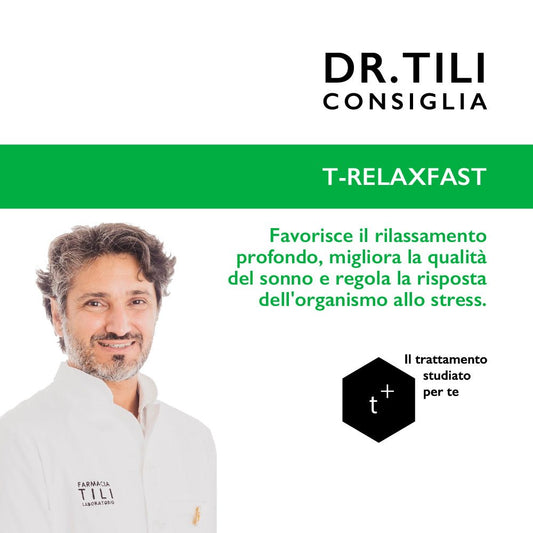
T - Relaxfast Sleep Supplement 60 Capsules Dr.Tili
Vendor:TilpharmaRegular price €24,50Regular priceUnit price per€24,50Sale price €24,50 -
Face Serum C5 Vitamin C 30ml Dr.Tili Skinlab
Vendor:TilabRegular price €62,50Regular priceUnit price per€62,50Sale price €62,50 -
Dr.Tili Skinlab E15 Vitamin E Face Serum 30ml
Vendor:TilabRegular price €32,50Regular priceUnit price per€32,50Sale price €32,50 -
Vit+ Face Vitamin Cream 50ml Dr.Tili Skinlab
Vendor:TilabRegular price €34,00Regular priceUnit price per€34,00Sale price €34,00Sold out -
Anti-aging Facial Treatment Hyaluronic Acid IAL B3 30ml Dr.Tili Skinlab
Vendor:TilabRegular price €46,00Regular priceUnit price per€46,00Sale price €46,00 -
Body Milk Hydra Milk 200Ml. Dr.Tili Skinlab
Vendor:TilabRegular price €16,90Regular priceUnit price per€16,90Sale price €16,90 -
Facial Cleansing Milk 150ml Dr.Tili Skinlab
Vendor:TilabRegular price €18,90Regular priceUnit price per€18,90Sale price €18,90 -
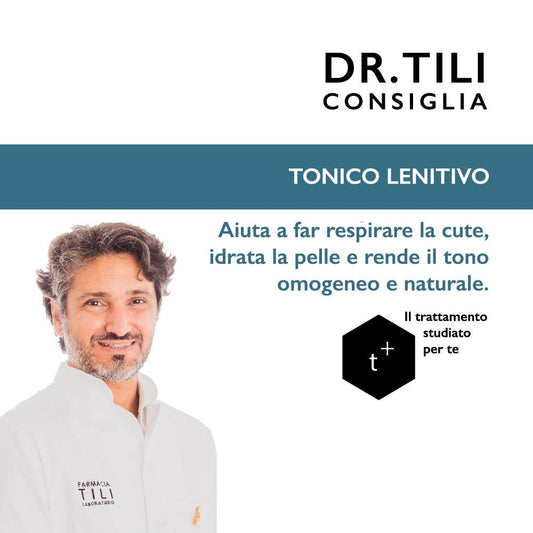
Soothing Facial Toner 125ml Dr.Tili Skinlab
Vendor:TilabRegular price €14,50Regular priceUnit price per€14,50Sale price €14,50 -
Soothing Face Cream 50ml Dr.Tili Skinlab
Vendor:TilabRegular price €19,50Regular priceUnit price per€19,50Sale price €19,50










-

ASSISTANCE - TELEPHONE ORDERS
-

SHIPPING
Shipping to Italy 24/48H
Delivery also on Saturday and Sunday
Free over €49.90
Shipping to Europe 24/72H
Free over €80 -

SAFETY
The security of your data is important to us!
We strictly comply with the European GDPR regarding
Privacy and processing of personal data
The payments you make on our site are 100% safe and guaranteed -

RETURNS
Fast returns via DIY portal and 14 days to change your mind.
Immediate and free replacements for incorrect or non-compliant products delivered.


