

Eg
Lenirit 0.5% 20 g cream
Lenirit 0.5% 20 g cream
Couldn't load pickup availability

NET WEIGHT OF THE PRODUCT
NET WEIGHT OF THE PRODUCT
20g
EAN
EAN
025869013
MINSAN
MINSAN
025869013

In compliance with article 118 "authorization of advertising to the public" of the legislative decree of 24 April 2006, number 219
INDICATIONS
Insect bites, itching, localized erythema or burns, eczema.
CONTRAINDICATIONS
Known hypersensitivity to the active substance or to any of the excipients listed in paragraph 6.1. Infections and skin diseases: tuberculosis, pyoderma, mycosis, as well as skin ulcers and wounds, skin tumors. The use of the cream is contraindicated on the skin of the face, on the anogenital area, on large lesions, infectious diseases (syphilis), viral infectious diseases (such as herpes, chickenpox), perioral dermatitis, acne, acne rosacea, skin reactions after a vaccination, pustular psoriasis. Lenirit should not be used in infants and children under 2 years of age.
WARNINGS AND PRECAUTIONS FOR USE
If conditions worsen or if symptoms persist for more than 7 days, discontinue applications and consult a doctor. Avoid contact with eyes. The use, especially if prolonged, of topical medicines can give rise to irritation or sensitization phenomena. In this case it is necessary to interrupt treatment and institute appropriate therapy. Prolonged use of this medicine may cause telangiectasia and skin atrophy. When used for a long period, or on a large area of skin, hydrocortisone can be absorbed into the blood and exert systemic activity. This eventuality occurs more easily if occlusive dressing is used; the diaper can act as an occlusive bandage. Systemic absorption of topical corticosteroids may result in reversible suppression of the hypothalamic-pituitary-adrenal axis with potential glucocorticosteroid failure after treatment discontinuation. Following the systemic absorption of topical corticosteroids, some patients may also experience manifestations of Cushing's syndrome, glycosuria, hyperglycemia during treatment. Patients who apply a topical steroid to a large surface area or to occlusive areas should be monitored periodically for hypothalamic-pituitary-adrenal axis suppression. Visual disturbances: Visual disturbances may be reported with the use of systemic and topical corticosteroids. If a patient presents with symptoms such as blurred vision or other visual disturbances, referral to an ophthalmologist should be considered for evaluation of possible causes which may include cataracts, glaucoma, or rare diseases such as central serous chorioretinopathy (CSCR), which have been reported after the use of systemic and topical corticosteroids. In case of use in the area adjacent to the eyes, appropriate precautions should be taken. If this happens, the cream residue must be rinsed off with water. The cream contains ethyl parahydroxybenzoate, methyl parahydroxybenzoate and propyl parahydroxybenzoate which may cause allergic reactions (even delayed). Pediatric population: Do not use in infants and children under 2 years of age (see section 4.3). Particular caution is recommended when using the medicine in children due to the risk of systemic exposure to hydrocortisone. Because the body surface area to body weight ratio in children is higher than that in adults, children are at greater risk for systemic corticosteroid effects, including hypothalamic-pituitary-adrenal axis suppression and Cushing's syndrome, than adults. Prolonged use of corticosteroids in children can cause growth and development disorders. The duration of treatment should be as short as possible and the lowest dose should be used. The growth and development of the child should be monitored (see section 4.4). Use in elderly patients: Elderly people may experience more marked side effects, especially in cases of co-morbidities, such as osteoporosis, hypertension, hypokalemia, diabetes mellitus, in addition to greater susceptibility to infections and reduction in skin thickness. These people must be carefully monitored to avoid the appearance of life-threatening reactions. In case of subcutaneous atrophic conditions, especially in the elderly, the medicine should be used with caution. Use in patients with renal or hepatic impairment: Particular precautions for use must be used in patients with liver disease or renal failure and frequent clinical monitoring of the state of health is necessary.
INTERACTIONS
No cases of interaction and incompatibility with other medicinal products have been reported.
SIDE EFFECTS
The use, especially if prolonged, of products for topical use can give rise to irritation or sensitization phenomena. In this case it is necessary to interrupt treatment and institute appropriate therapy. Acne, steroid-induced purpura, dry skin, hypertrichosis, hypopigmentation of the skin, skin atrophy and striae, telangiectasia, perioral dermatitis, folliculitis, pruritus, blurred vision may occur during application of the cream (see also section 4.4). The greater absorption due to the use of an occlusive bandage can cause systemic effects such as edema, hypertension and compromise of the immune system; suppression of the hypothalamic-pituitary-adrenal axis and Cushing's syndrome may also occur, particularly in pediatric patients. Prolonged use of corticosteroids in children may cause growth and development disorders (see section 4.4). Glaucoma or cataracts may occasionally occur following topical application in the eyelid area (see section 4.4). The incidence of adverse reactions is not known. Reporting of suspected adverse reactions. Reporting suspected adverse reactions that occur after authorization of the medicine is important, as it allows continuous monitoring of the benefit/risk balance of the medicine. Healthcare professionals are asked to report any suspected adverse reactions via the national reporting system at https://www.aifa.gov.it/content/segnalazioni-reazioni-avverse.
OUR PRODUCTS FOR THIS SEASON
-
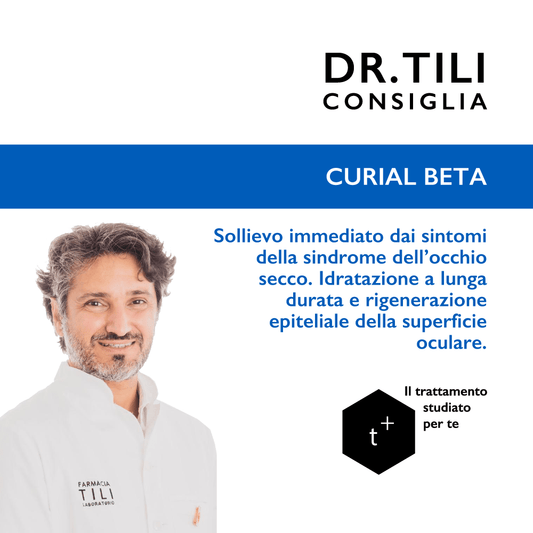
Curial βeta Dry eye supplement 30 capsules Dr.Tili
Vendor:TilpharmaRegular price €22,50Regular priceUnit price per€22,50Sale price €22,50 -
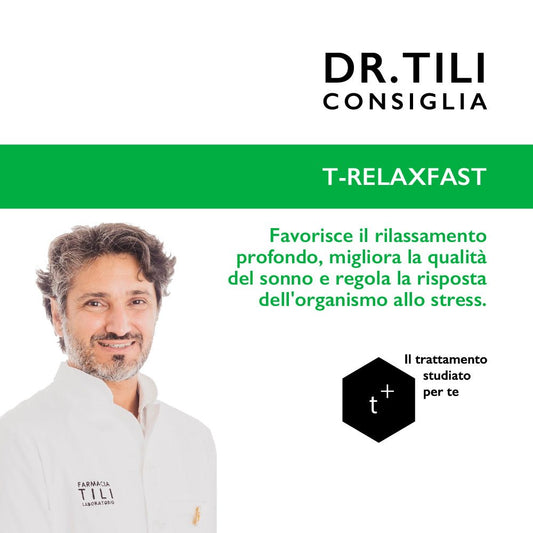
T - Relaxfast Sleep Supplement 60 Capsules Dr.Tili
Vendor:TilpharmaRegular price €24,50Regular priceUnit price per€24,50Sale price €24,50 -
Face Serum C5 Vitamin C 30ml Dr.Tili Skinlab
Vendor:TilabRegular price €62,50Regular priceUnit price per€62,50Sale price €62,50 -
Dr.Tili Skinlab E15 Vitamin E Face Serum 30ml
Vendor:TilabRegular price €32,50Regular priceUnit price per€32,50Sale price €32,50 -
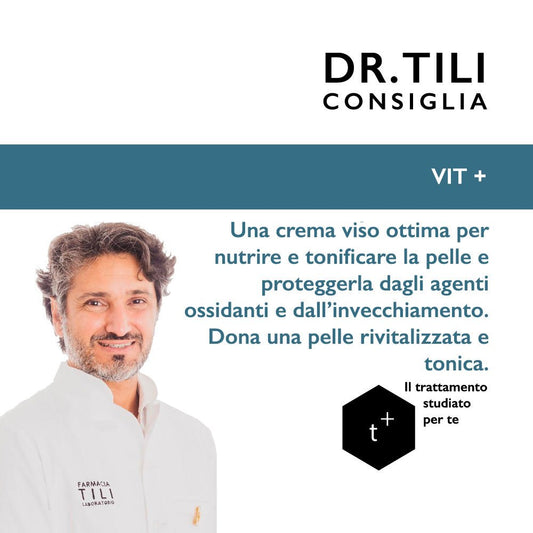
Vit+ Face Vitamin Cream 50ml Dr.Tili Skinlab
Vendor:TilabRegular price €34,00Regular priceUnit price per€34,00Sale price €34,00 -
Anti-aging Facial Treatment Hyaluronic Acid IAL B3 30ml Dr.Tili Skinlab
Vendor:TilabRegular price €46,00Regular priceUnit price per€46,00Sale price €46,00 -
Body Milk Hydra Milk 200Ml. Dr.Tili Skinlab
Vendor:TilabRegular price €16,90Regular priceUnit price per€16,90Sale price €16,90 -
Facial Cleansing Milk 150ml Dr.Tili Skinlab
Vendor:TilabRegular price €18,90Regular priceUnit price per€18,90Sale price €18,90 -
Soothing Facial Toner 125ml Dr.Tili Skinlab
Vendor:TilabRegular price €14,50Regular priceUnit price per€14,50Sale price €14,50 -
Soothing Face Cream 50ml Dr.Tili Skinlab
Vendor:TilabRegular price €19,50Regular priceUnit price per€19,50Sale price €19,50









-

ASSISTANCE - TELEPHONE ORDERS
-

SHIPPING
Shipping to Italy 24/48H
Delivery also on Saturday and Sunday
Free over €49.90
Shipping to Europe 24/72H
Free over €80 -

SAFETY
The security of your data is important to us!
We strictly comply with the European GDPR regarding
Privacy and processing of personal data
The payments you make on our site are 100% safe and guaranteed -

RETURNS
Fast returns via DIY portal and 14 days to change your mind.
Immediate and free replacements for incorrect or non-compliant products delivered.


